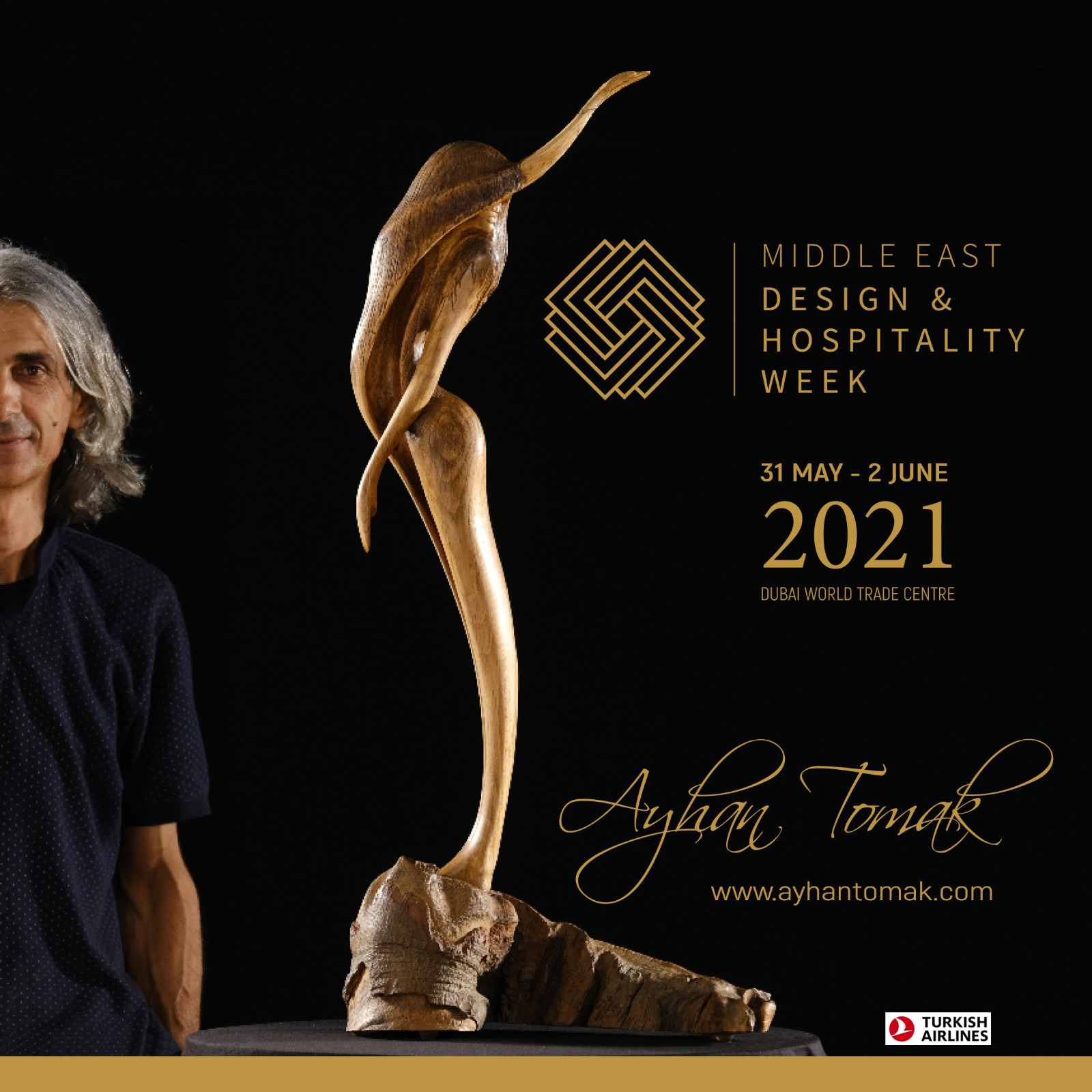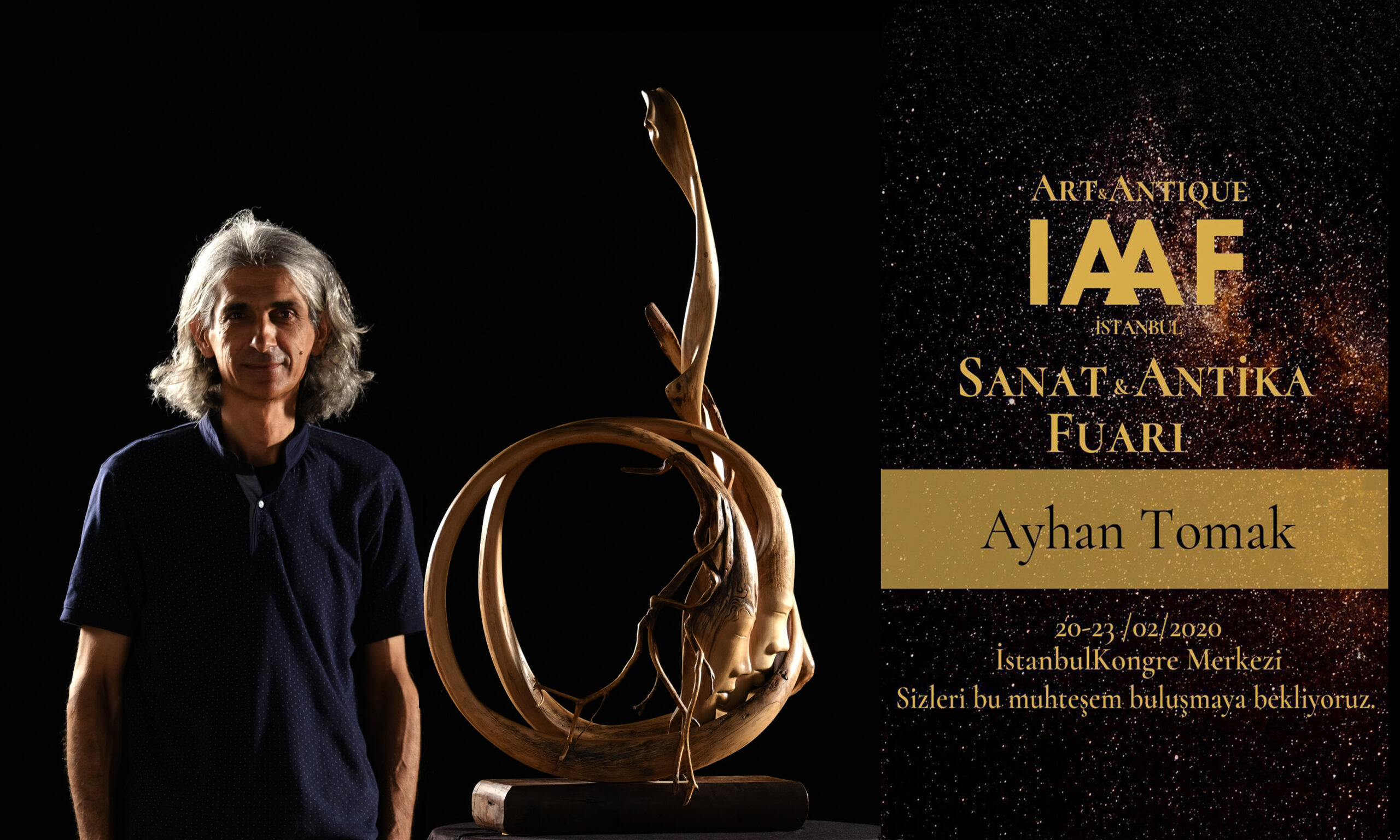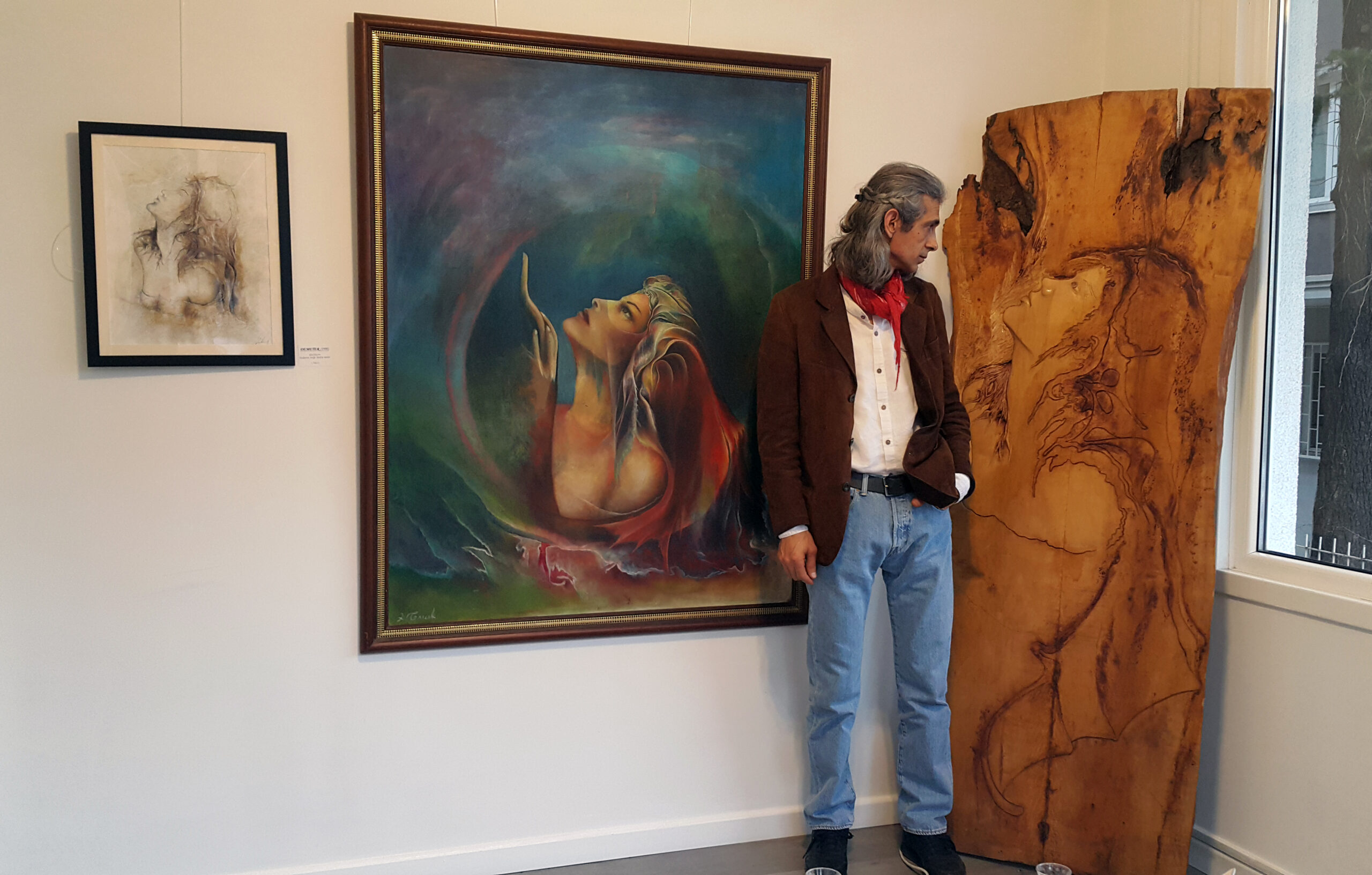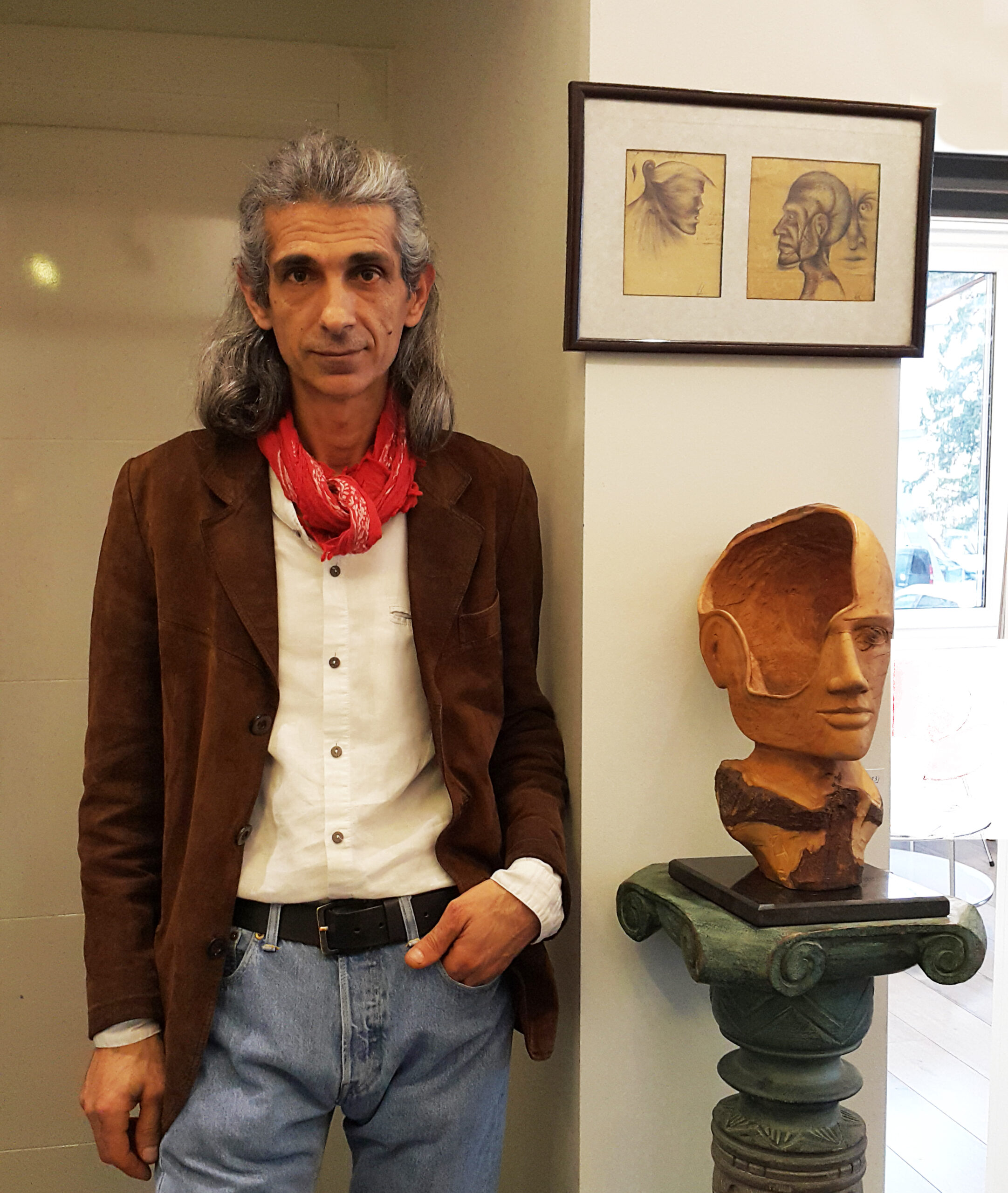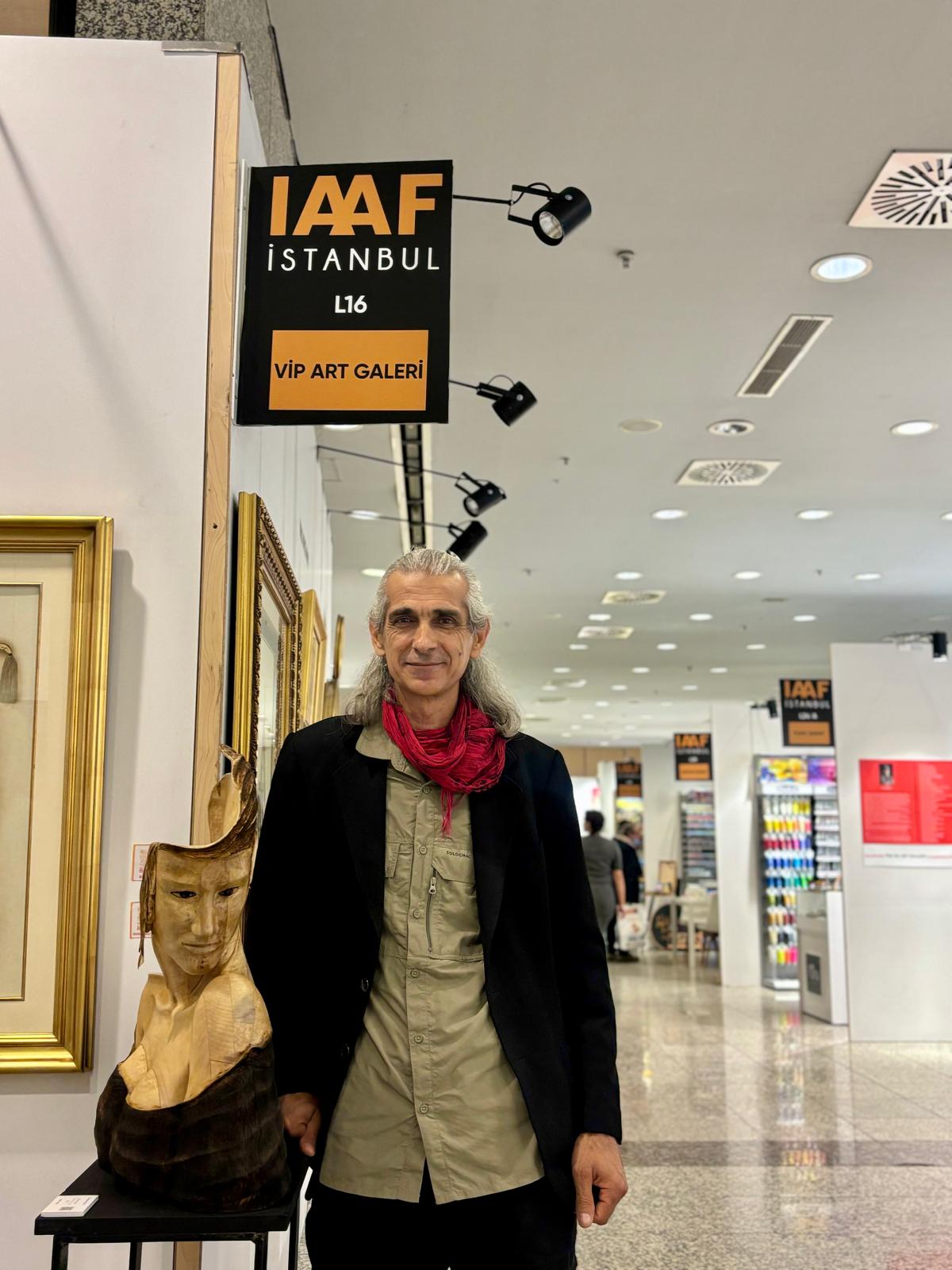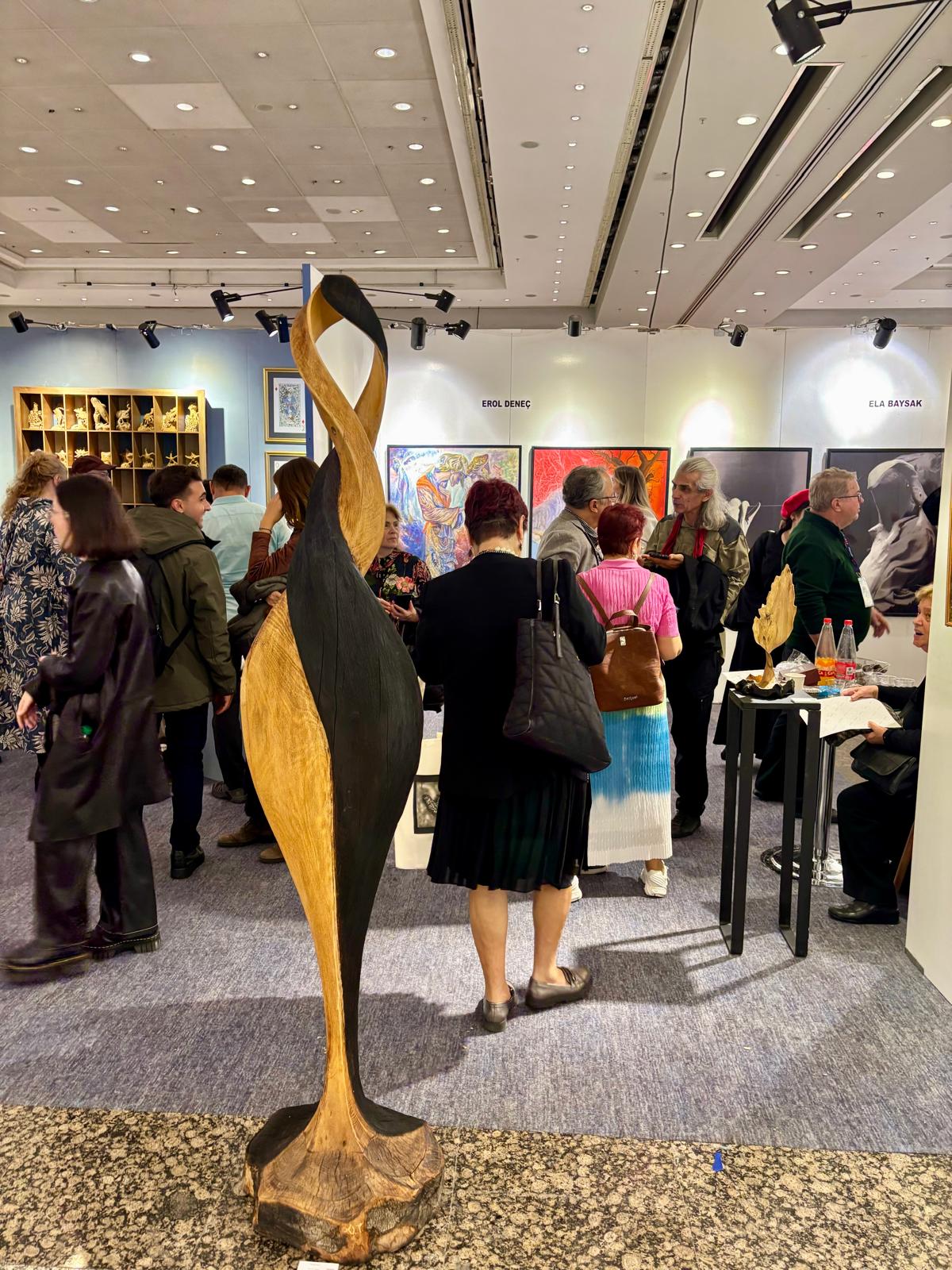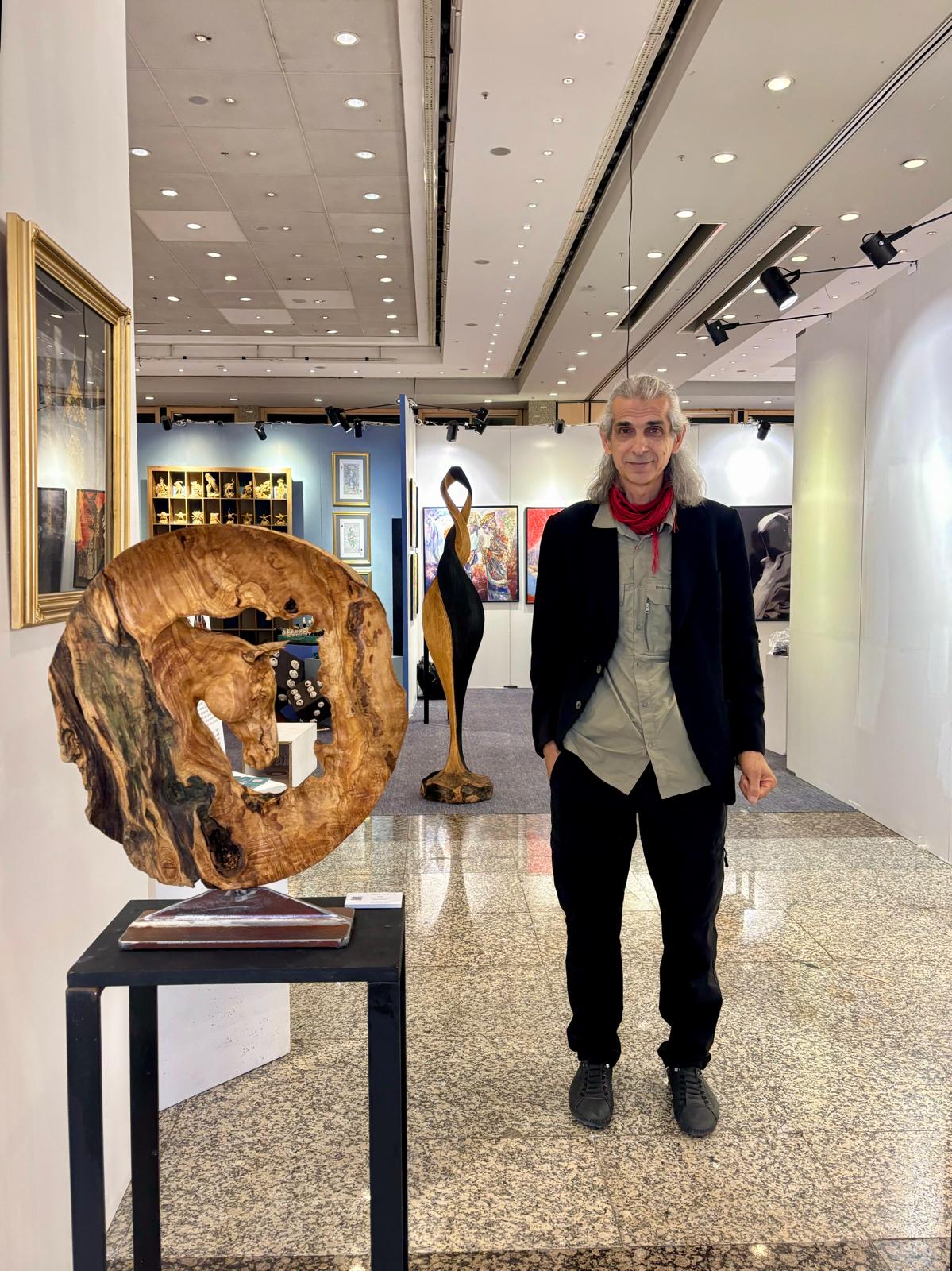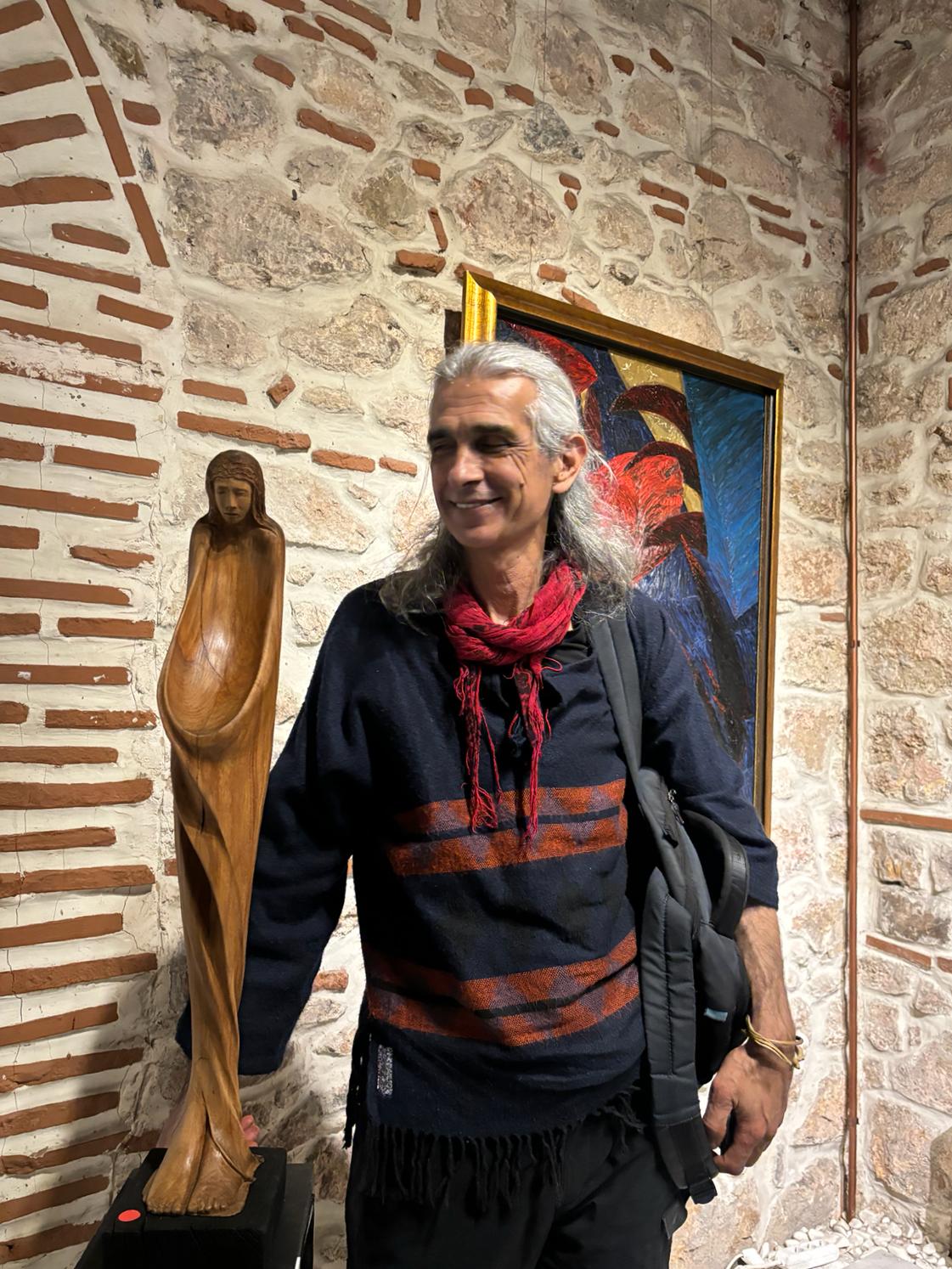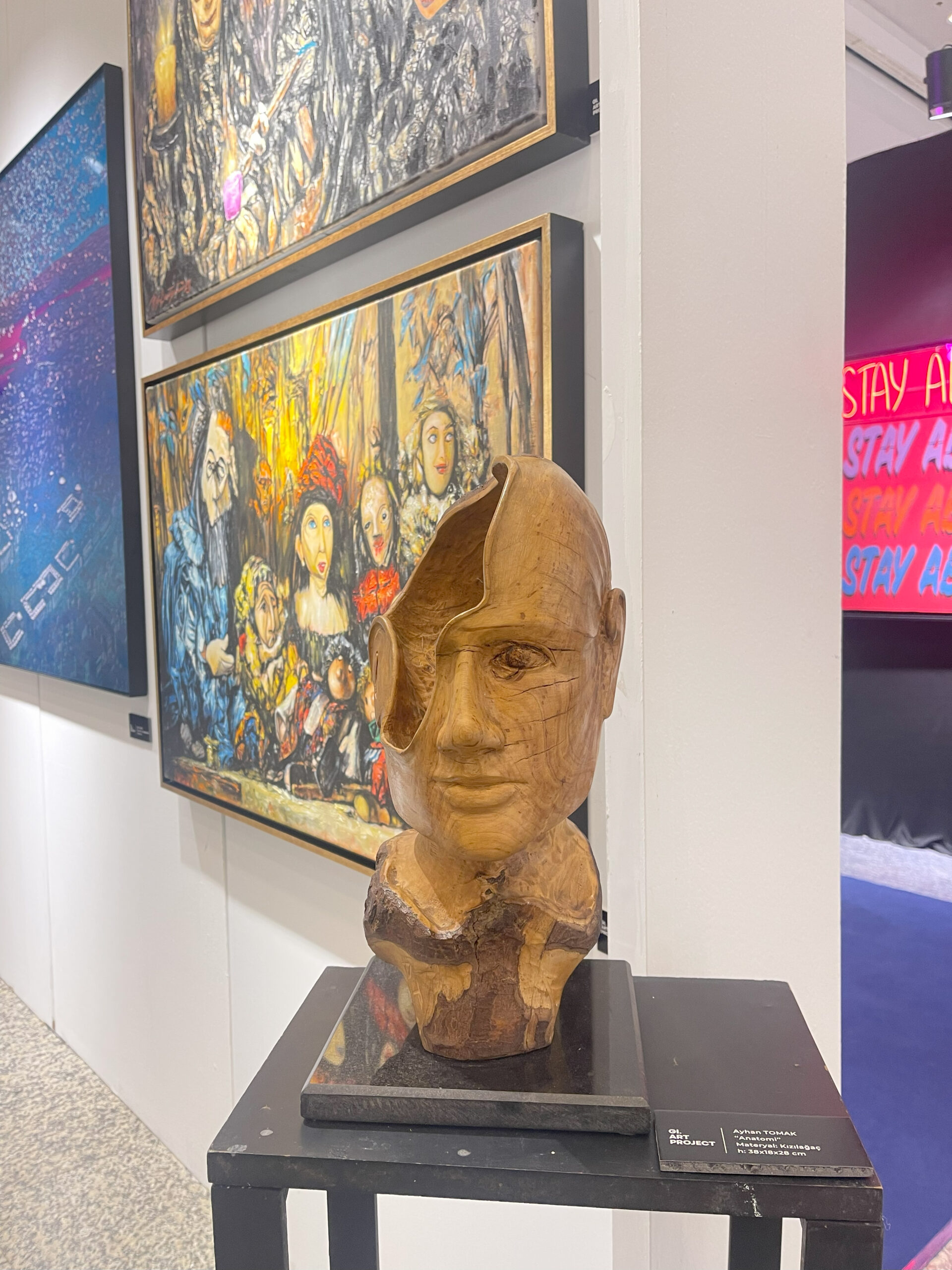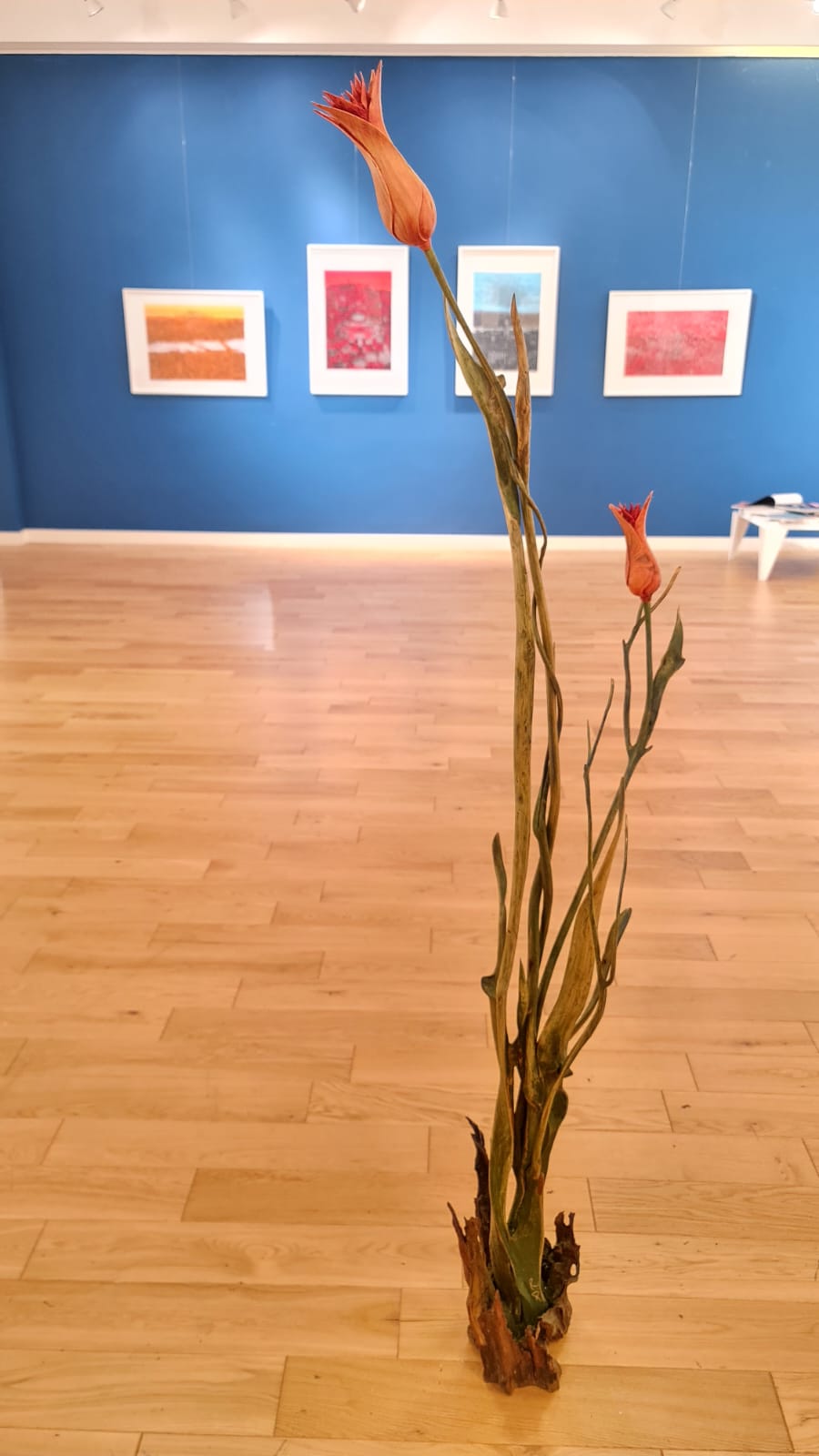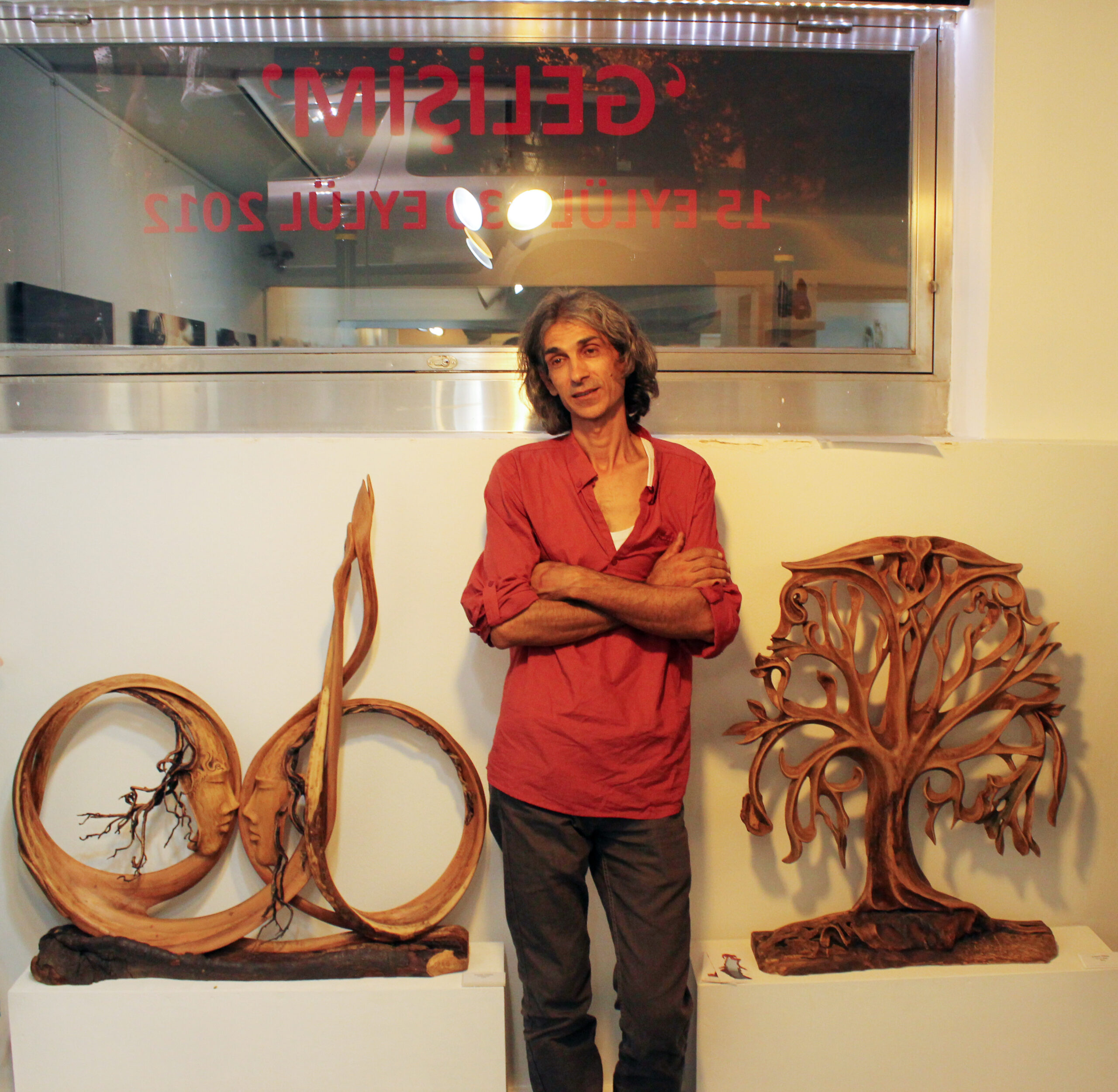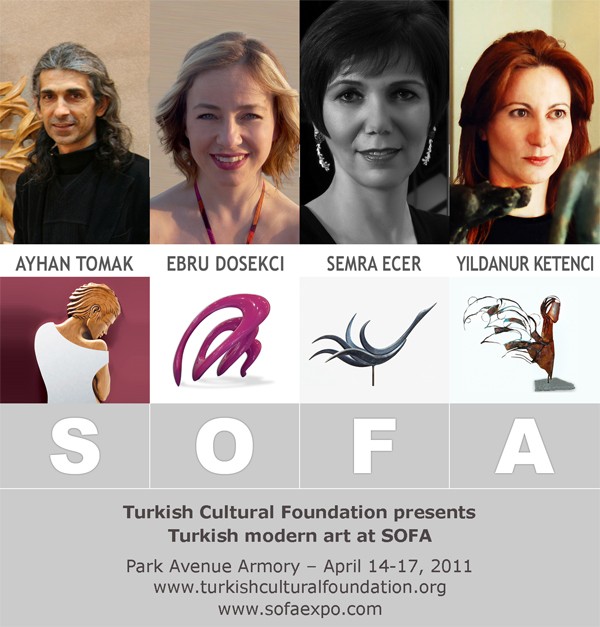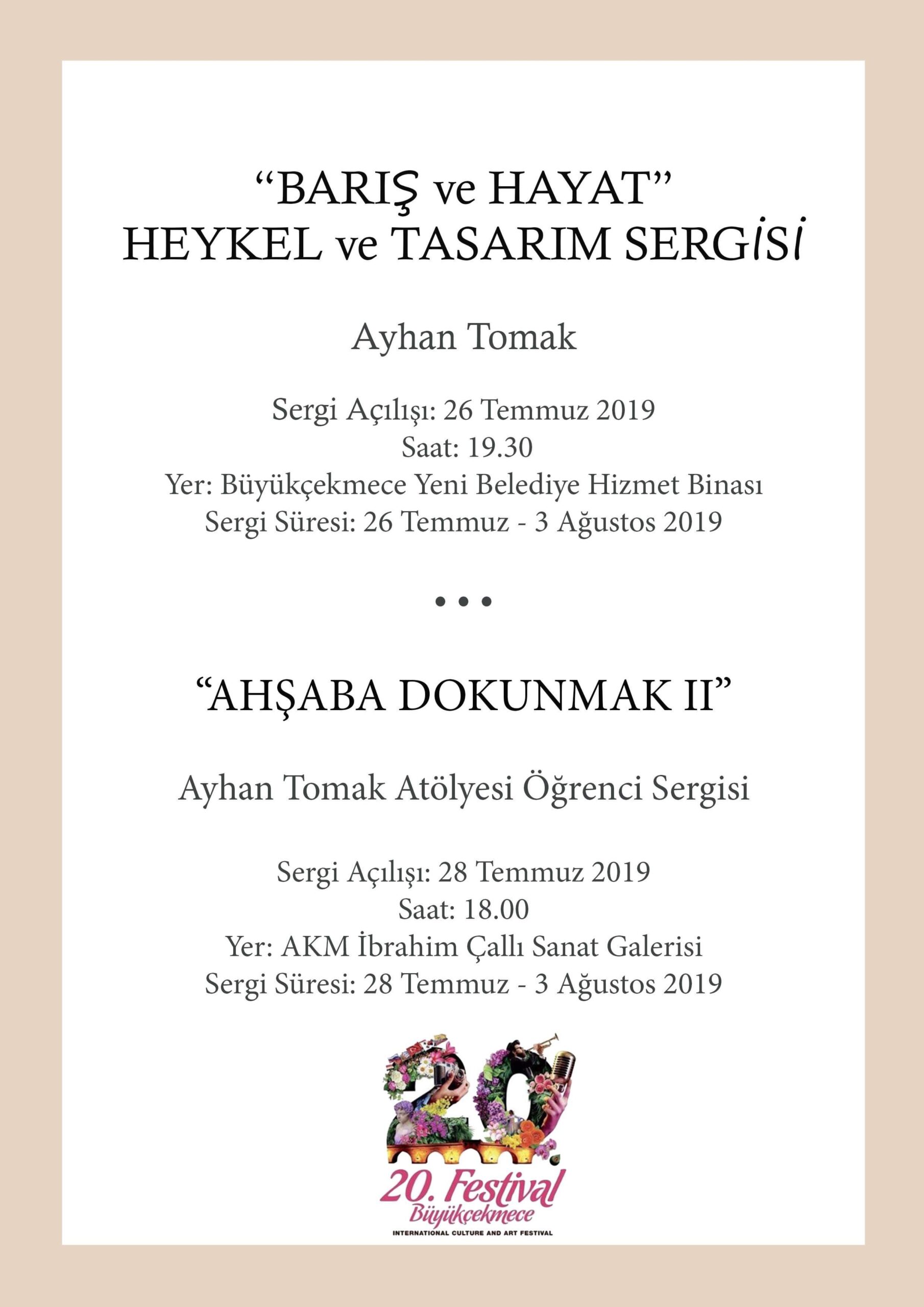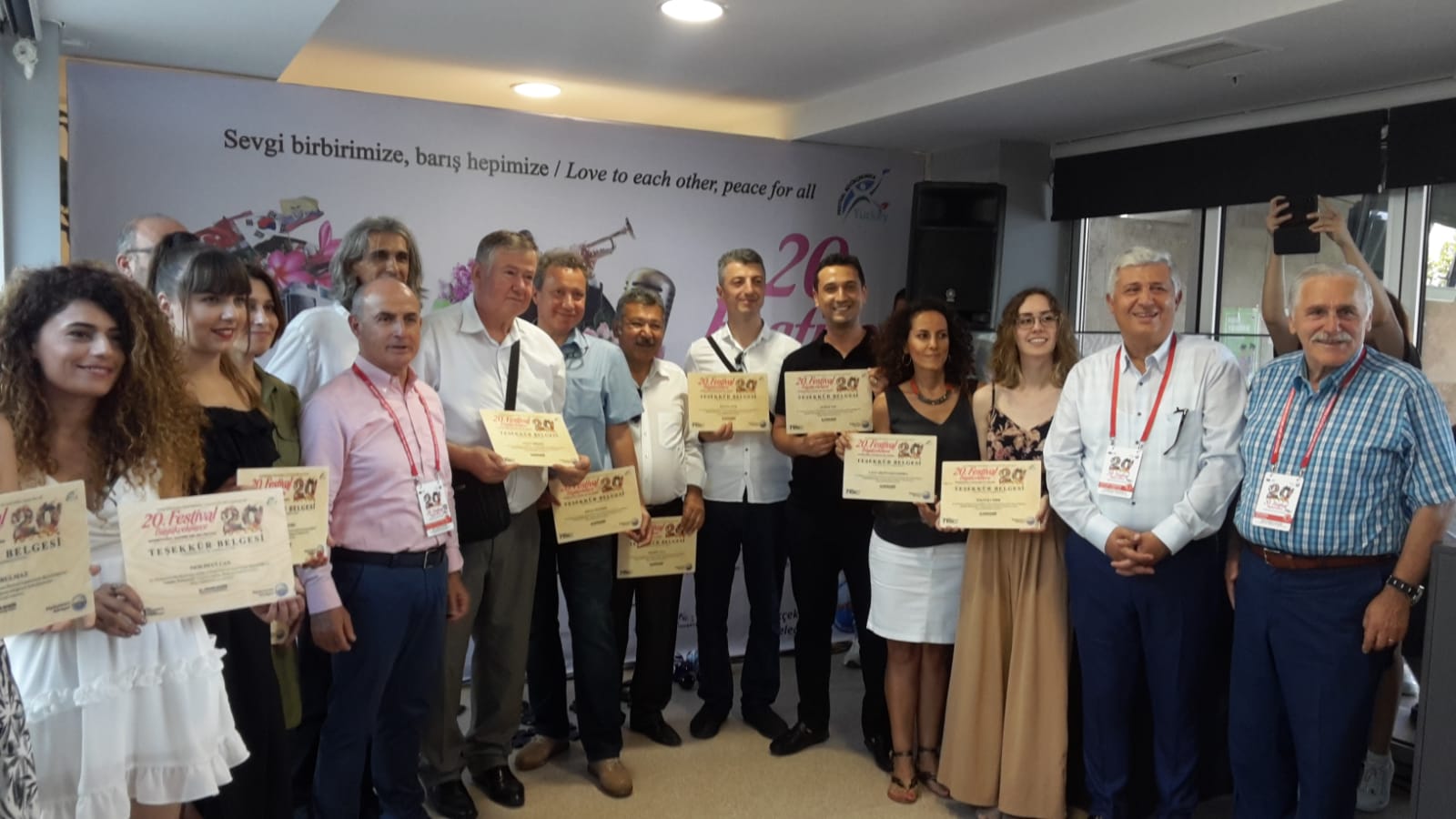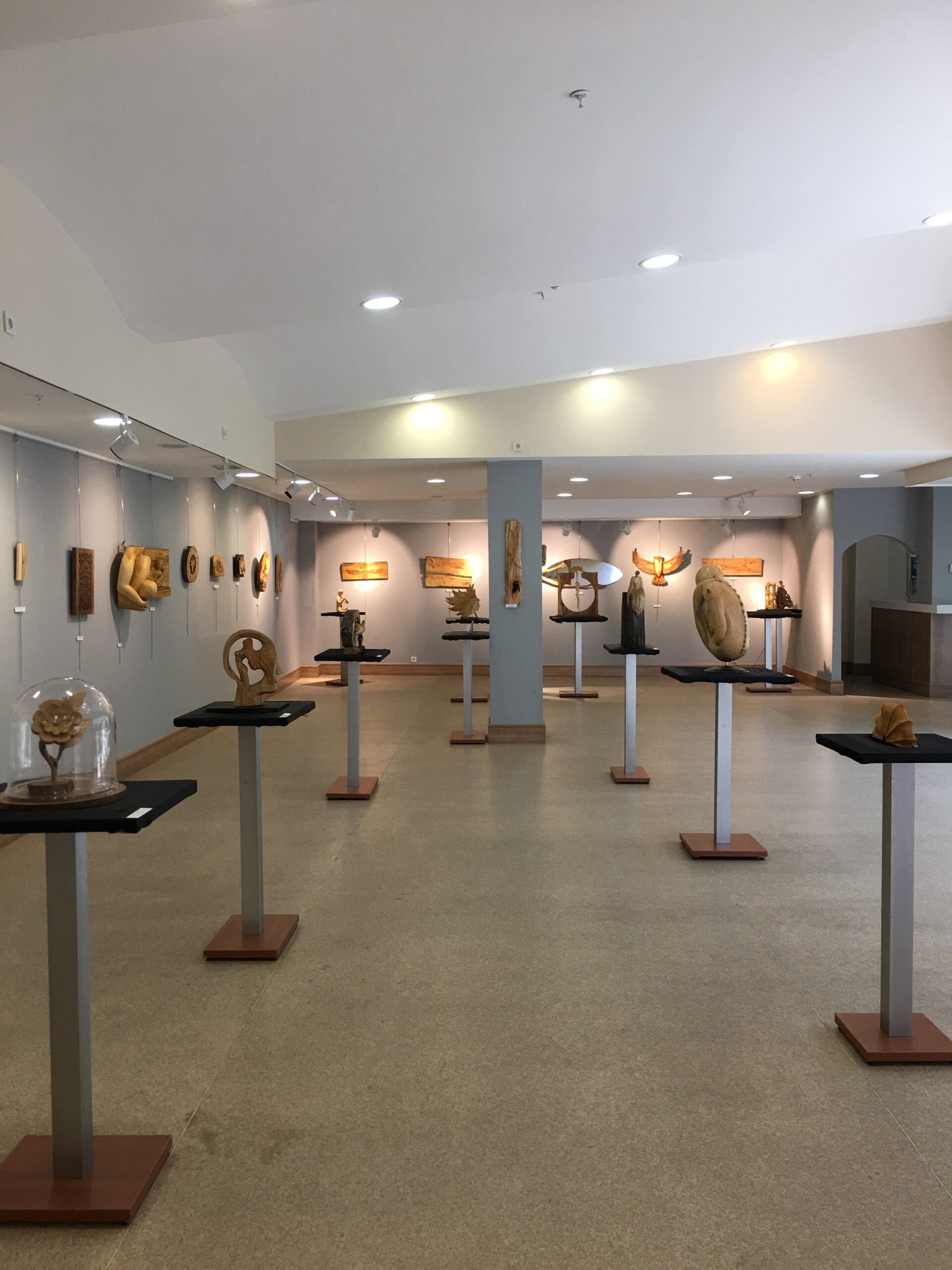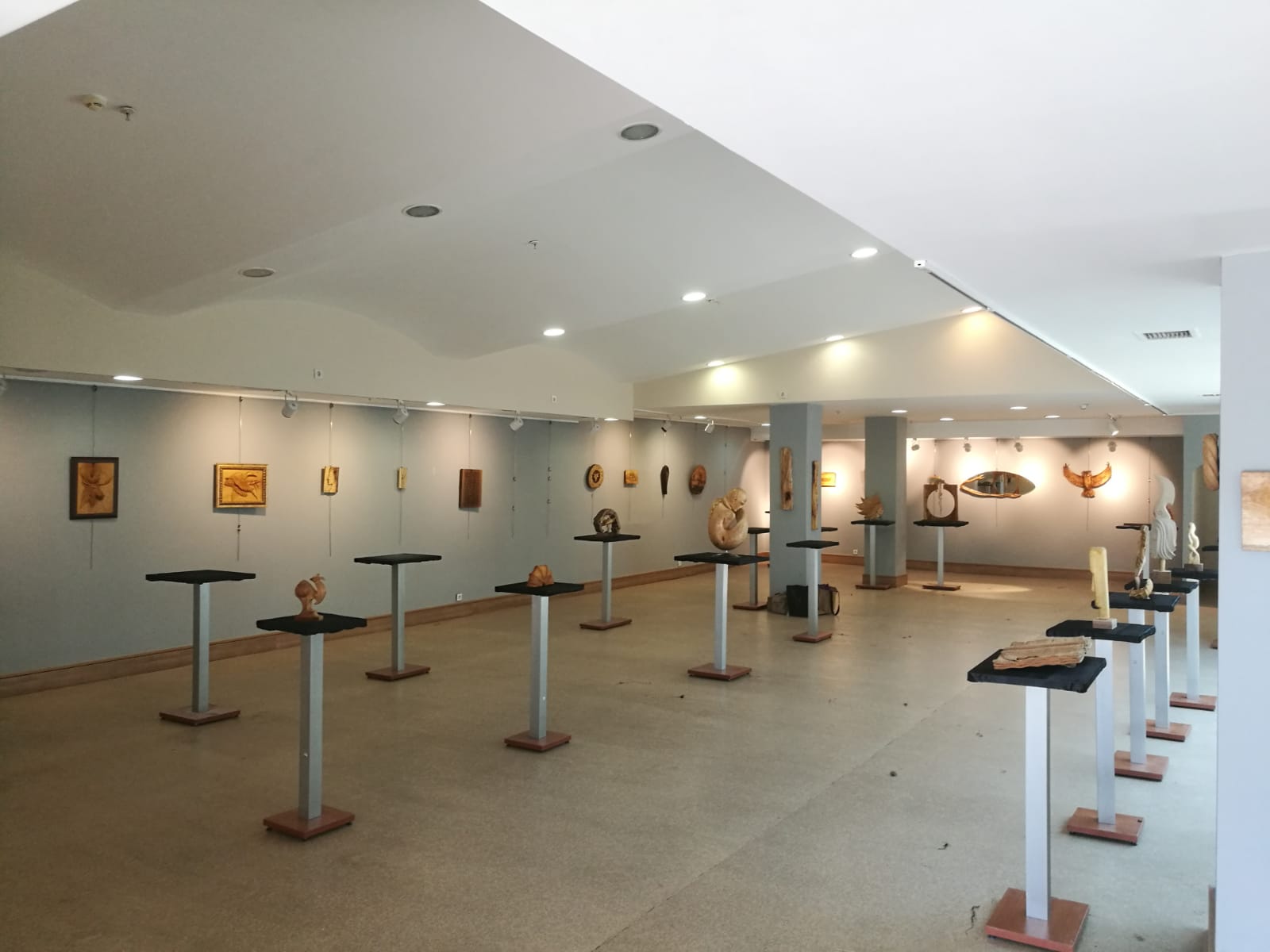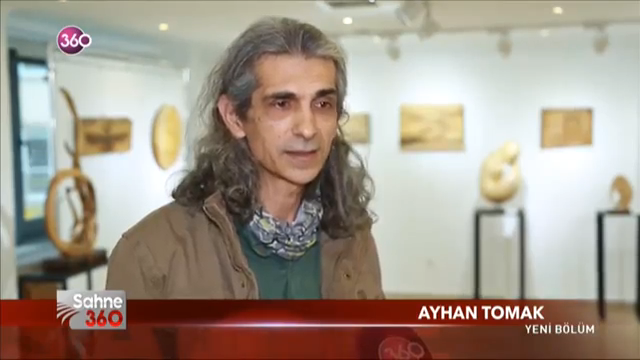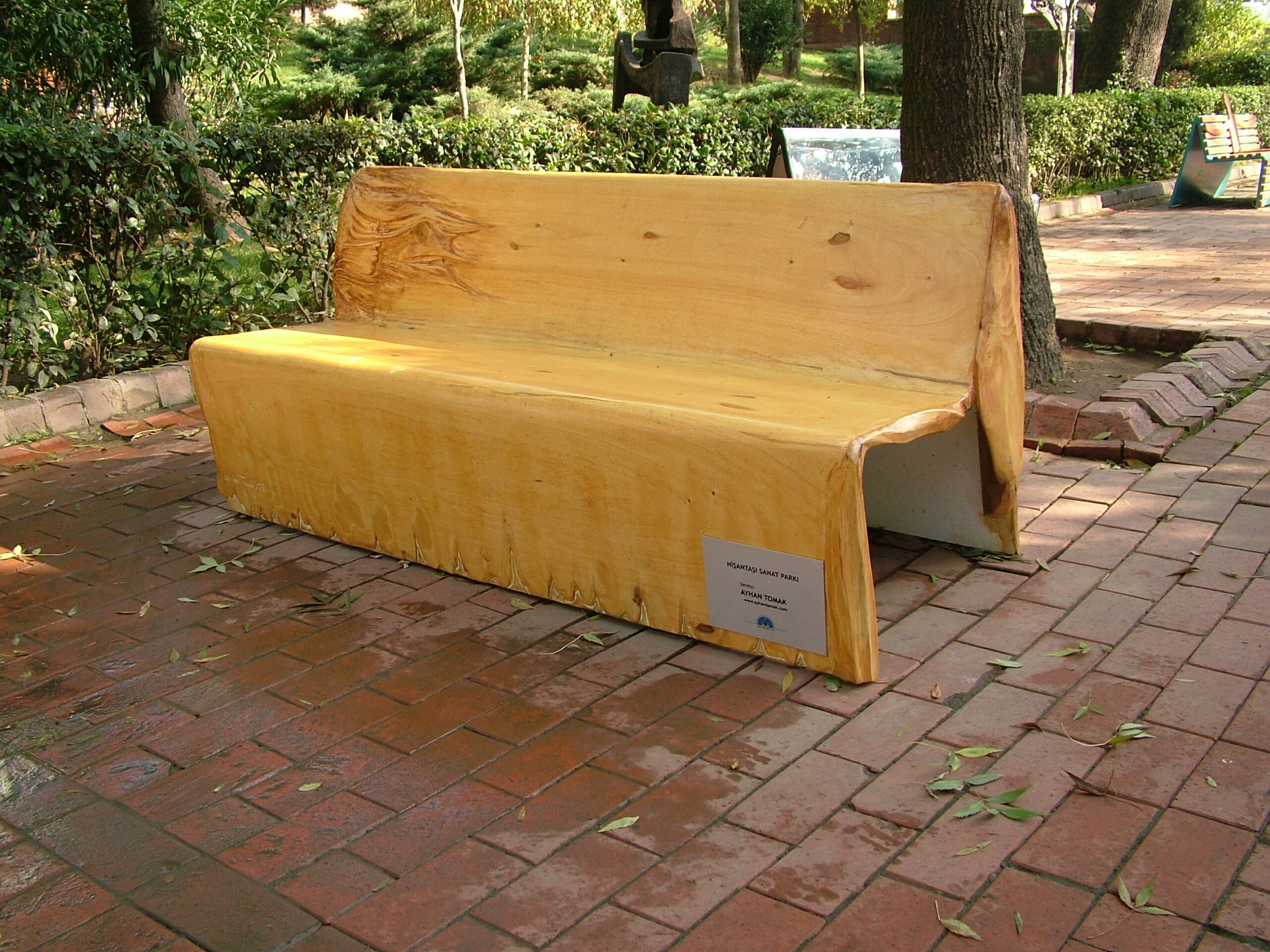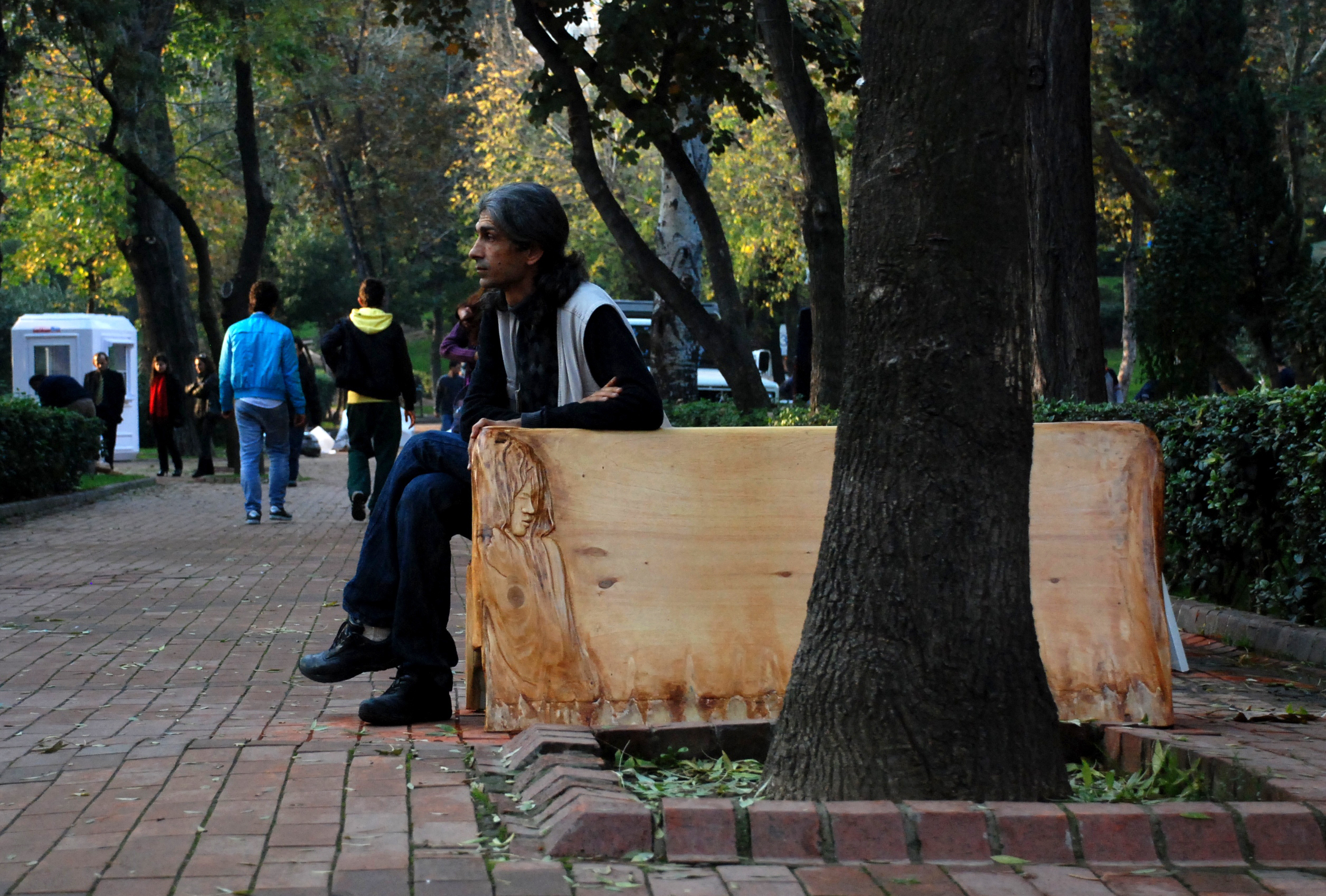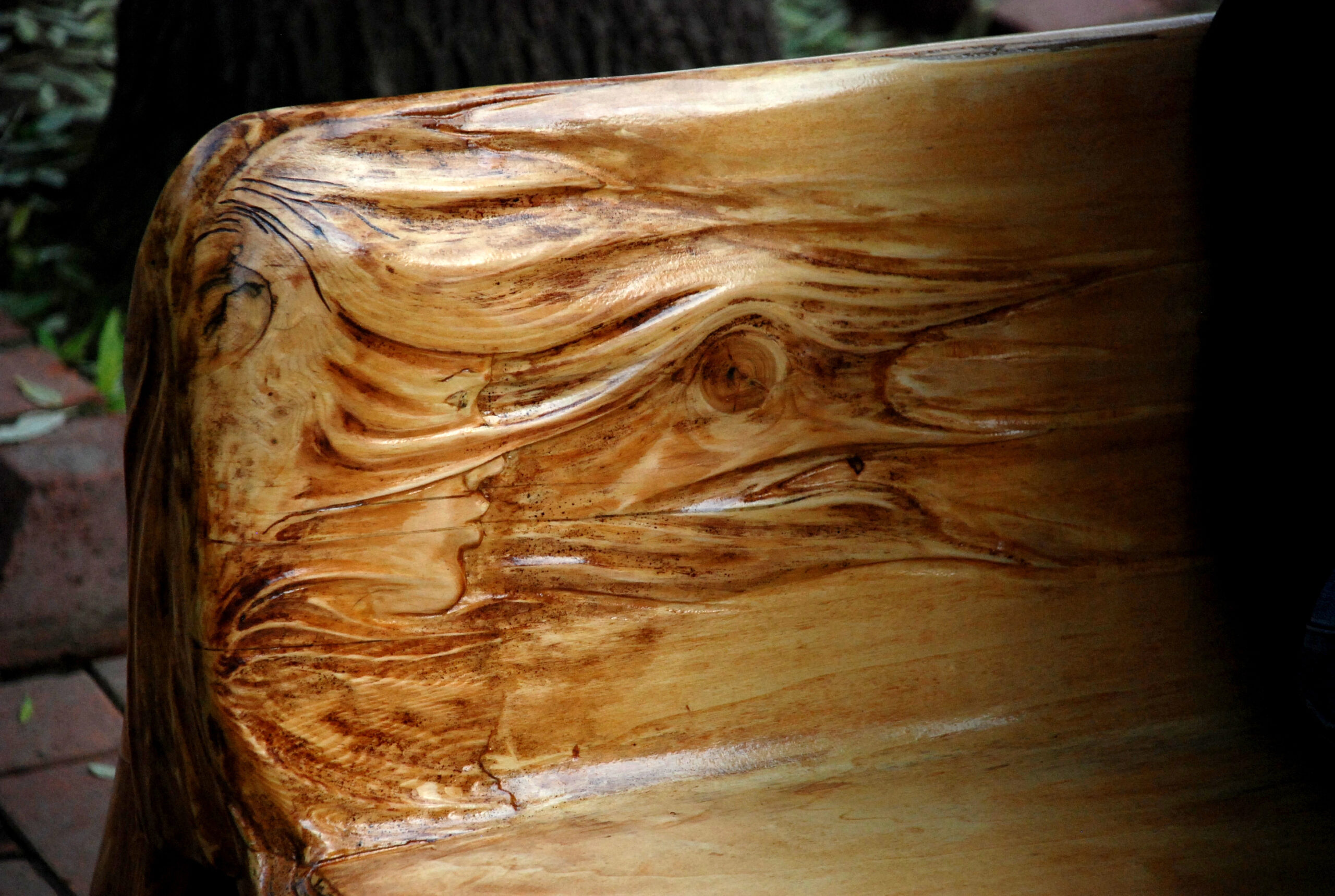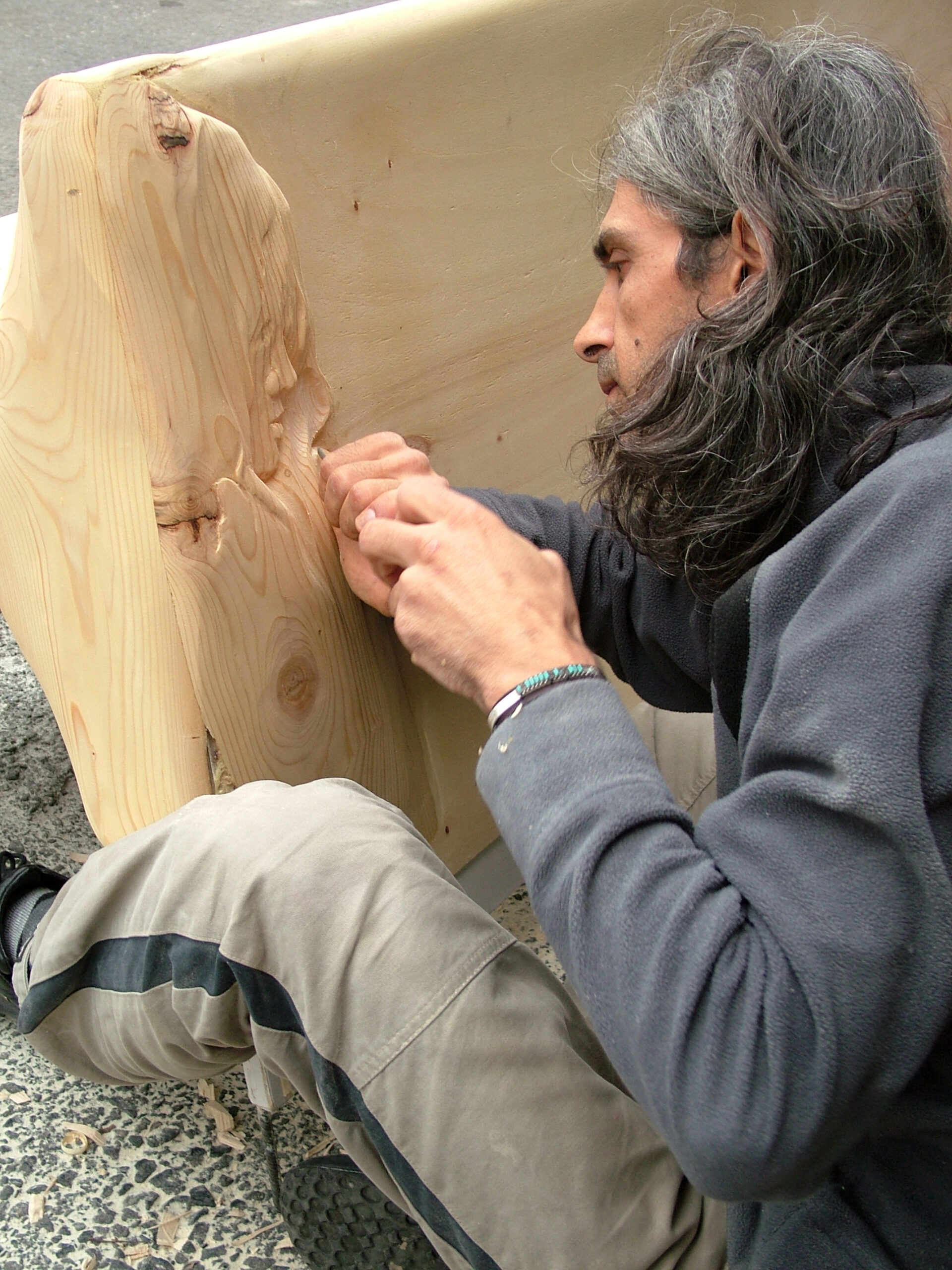
Ayhan Tomak
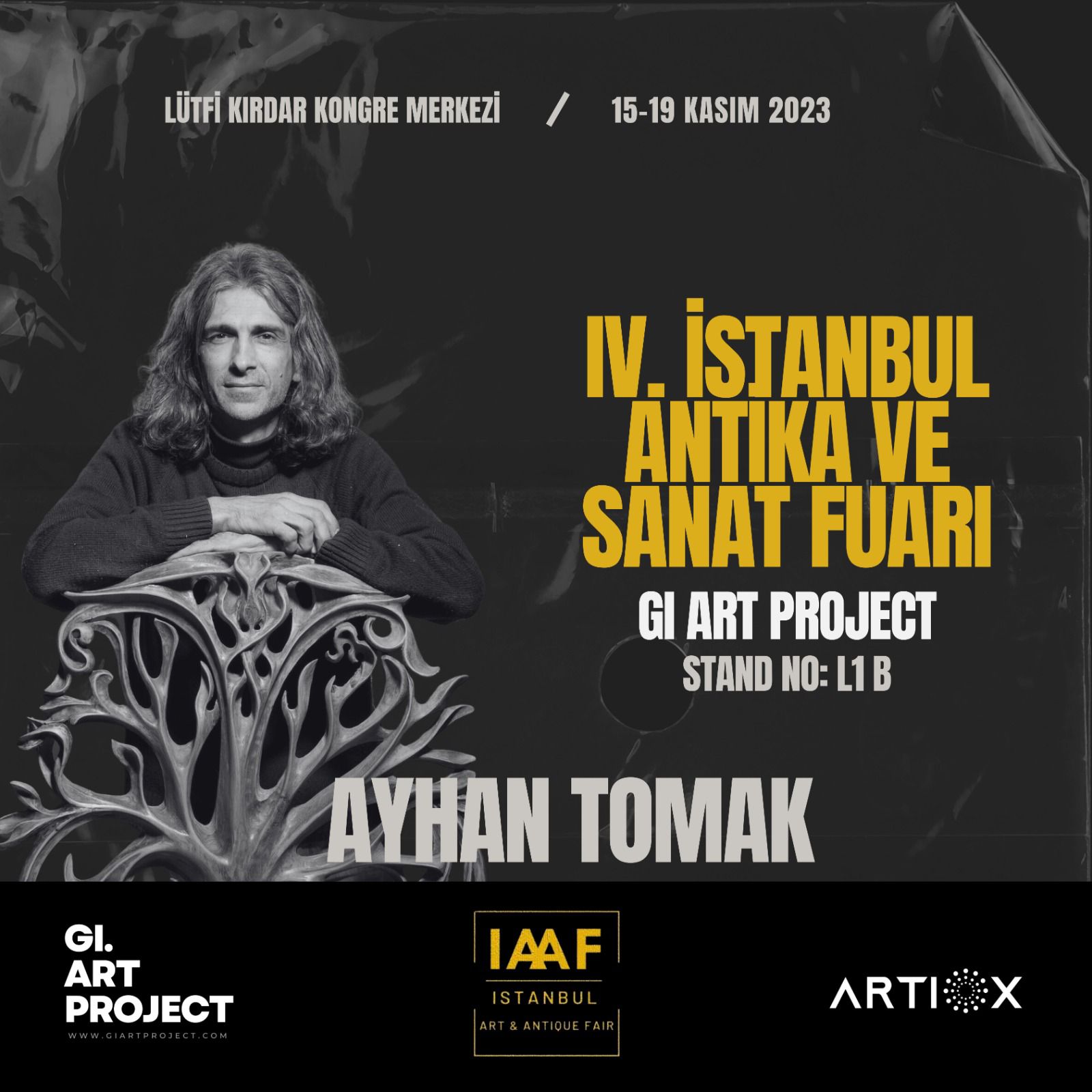
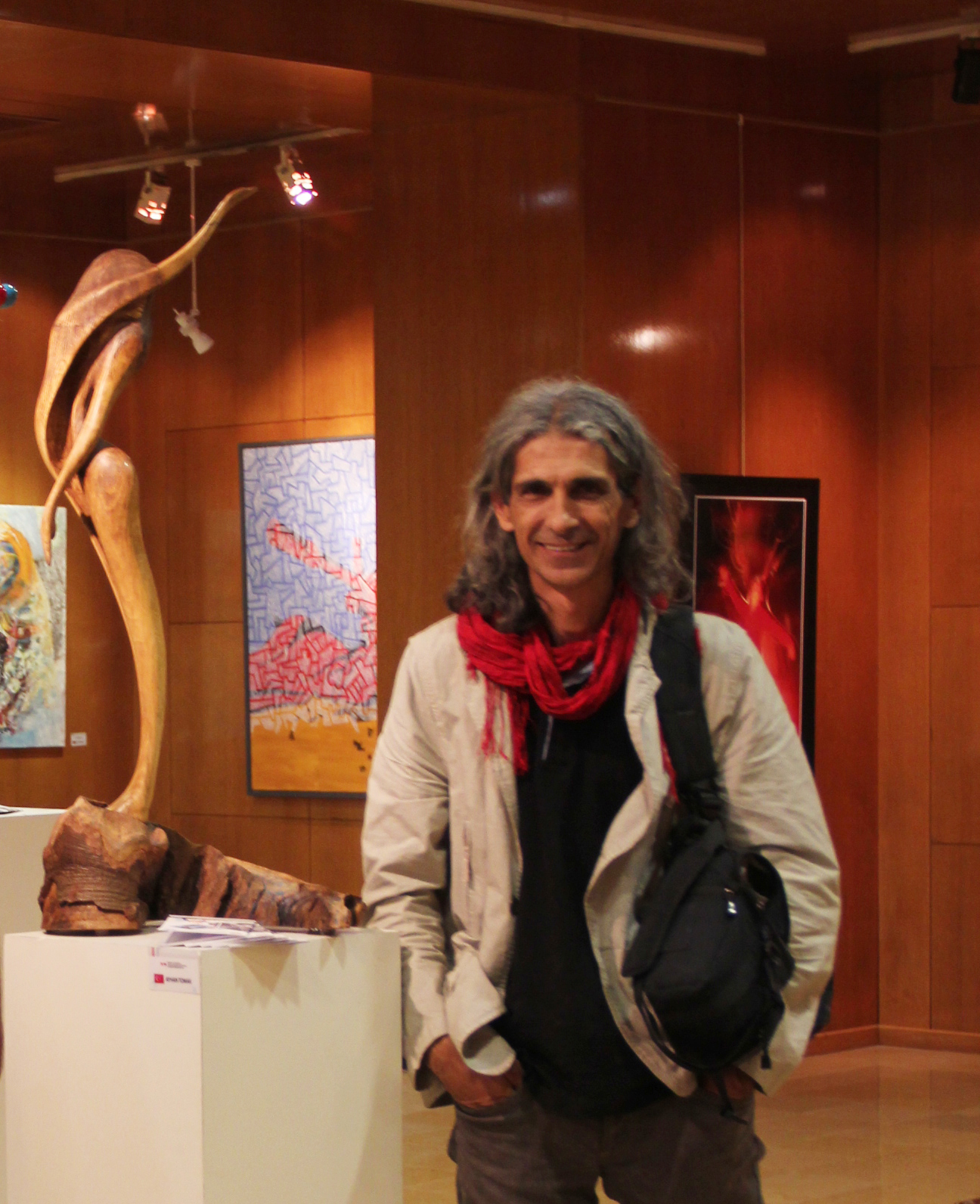
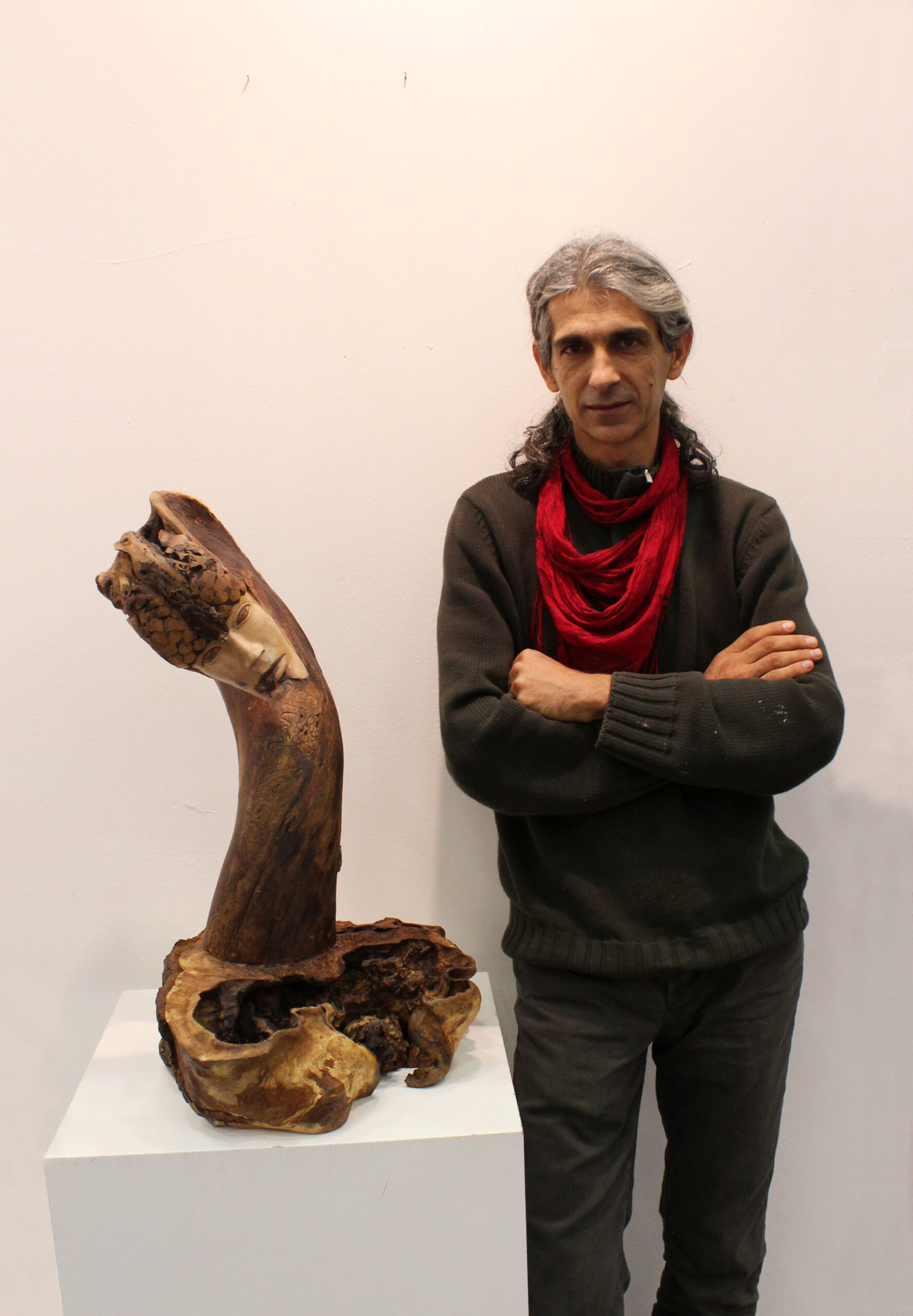
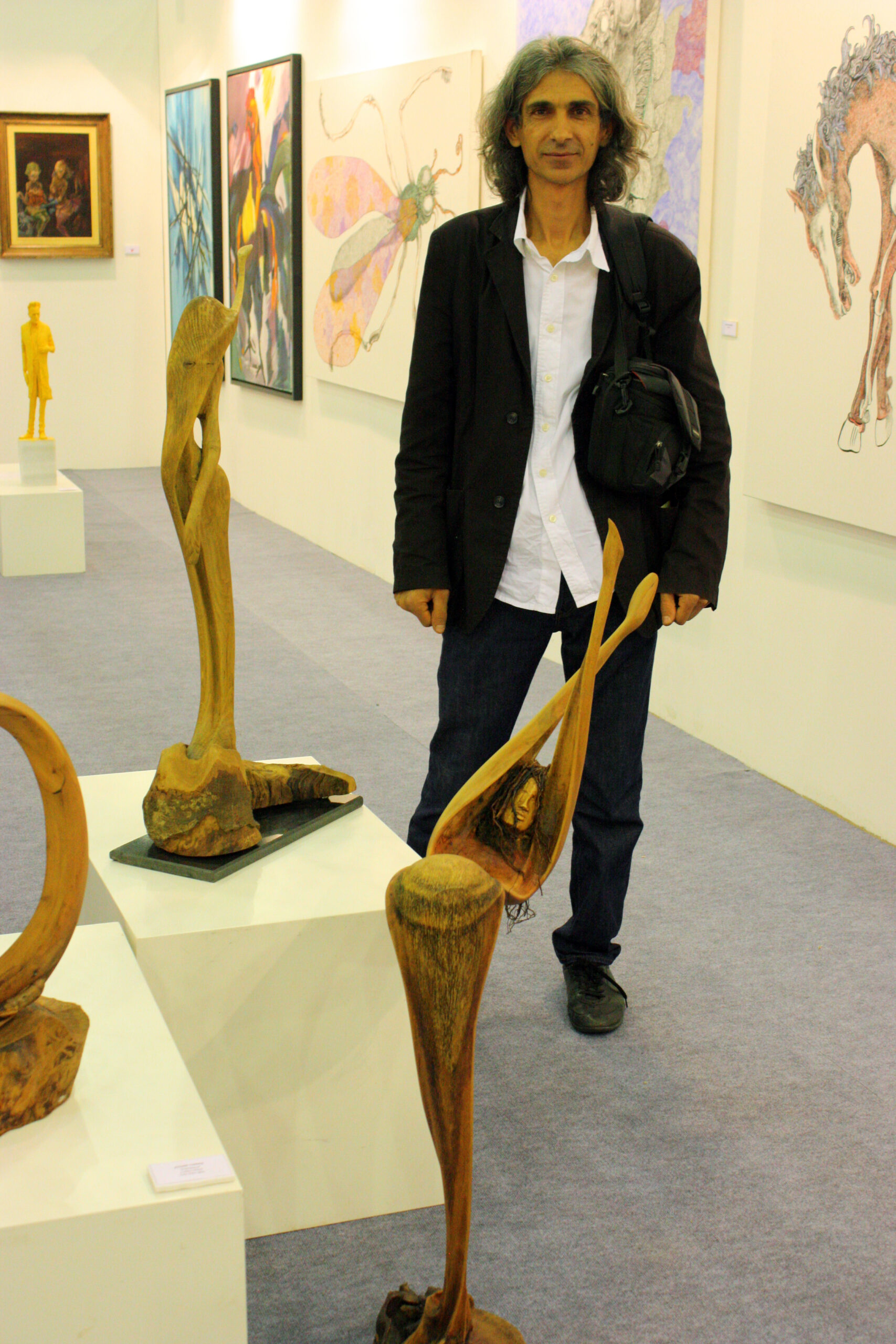
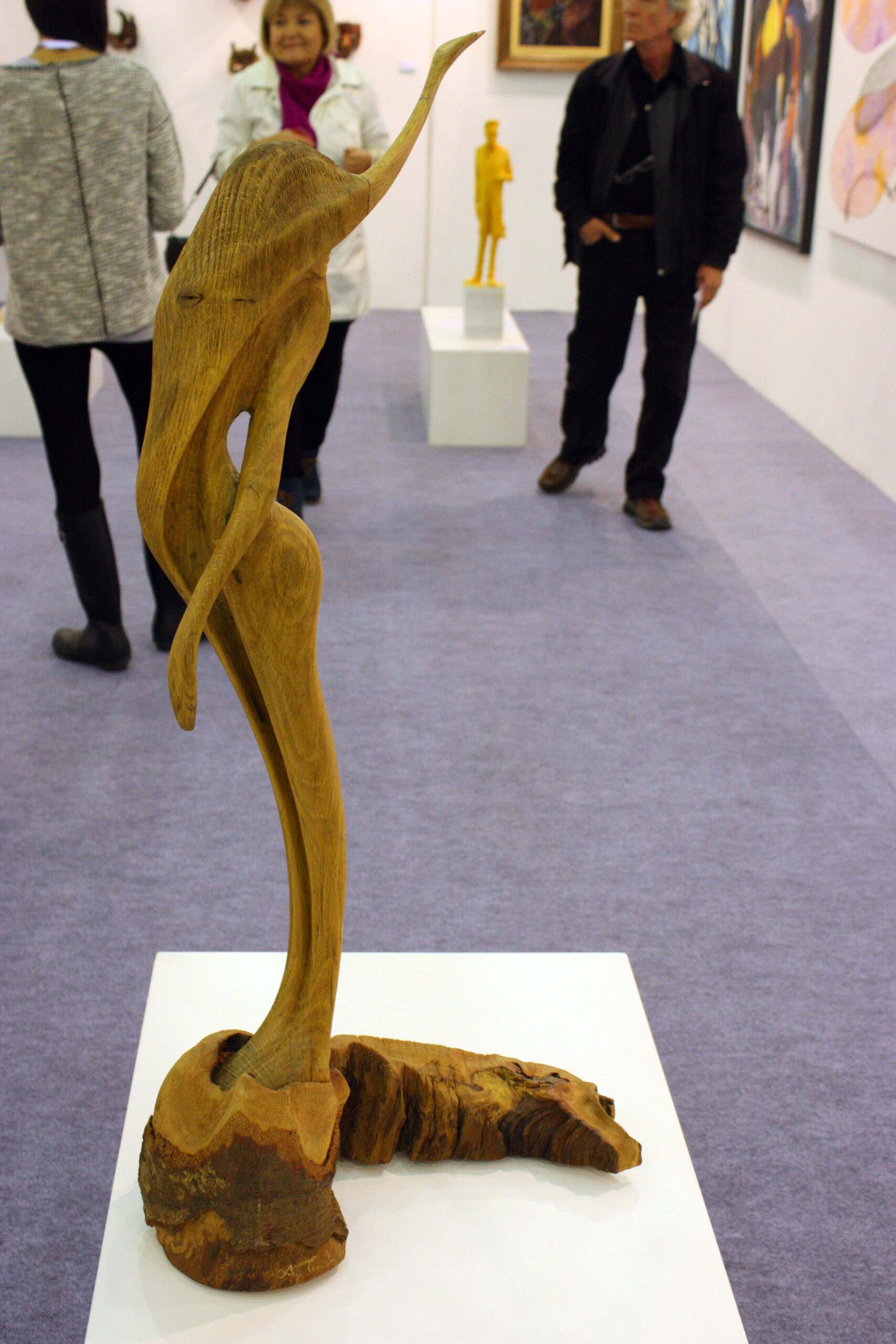
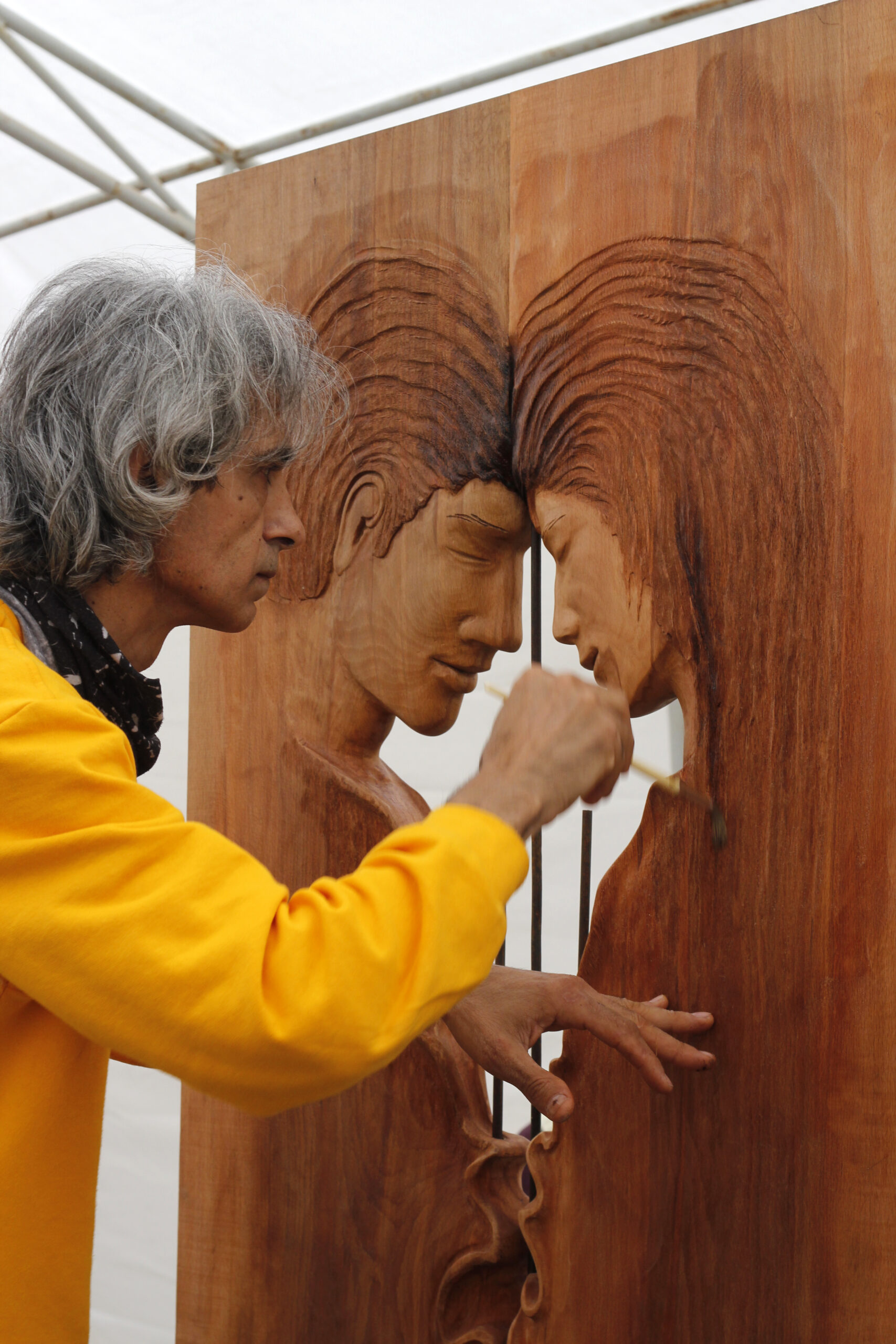
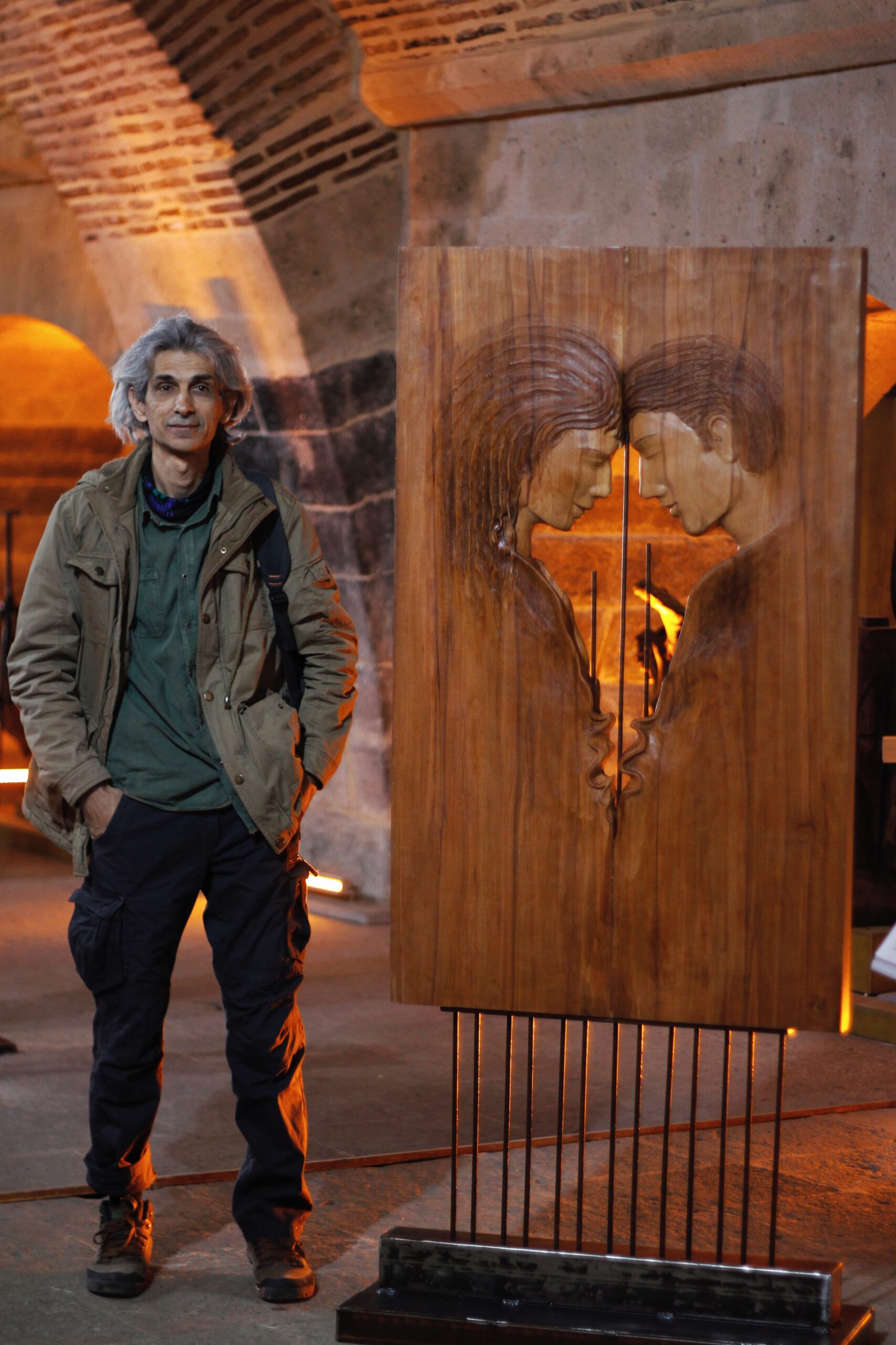
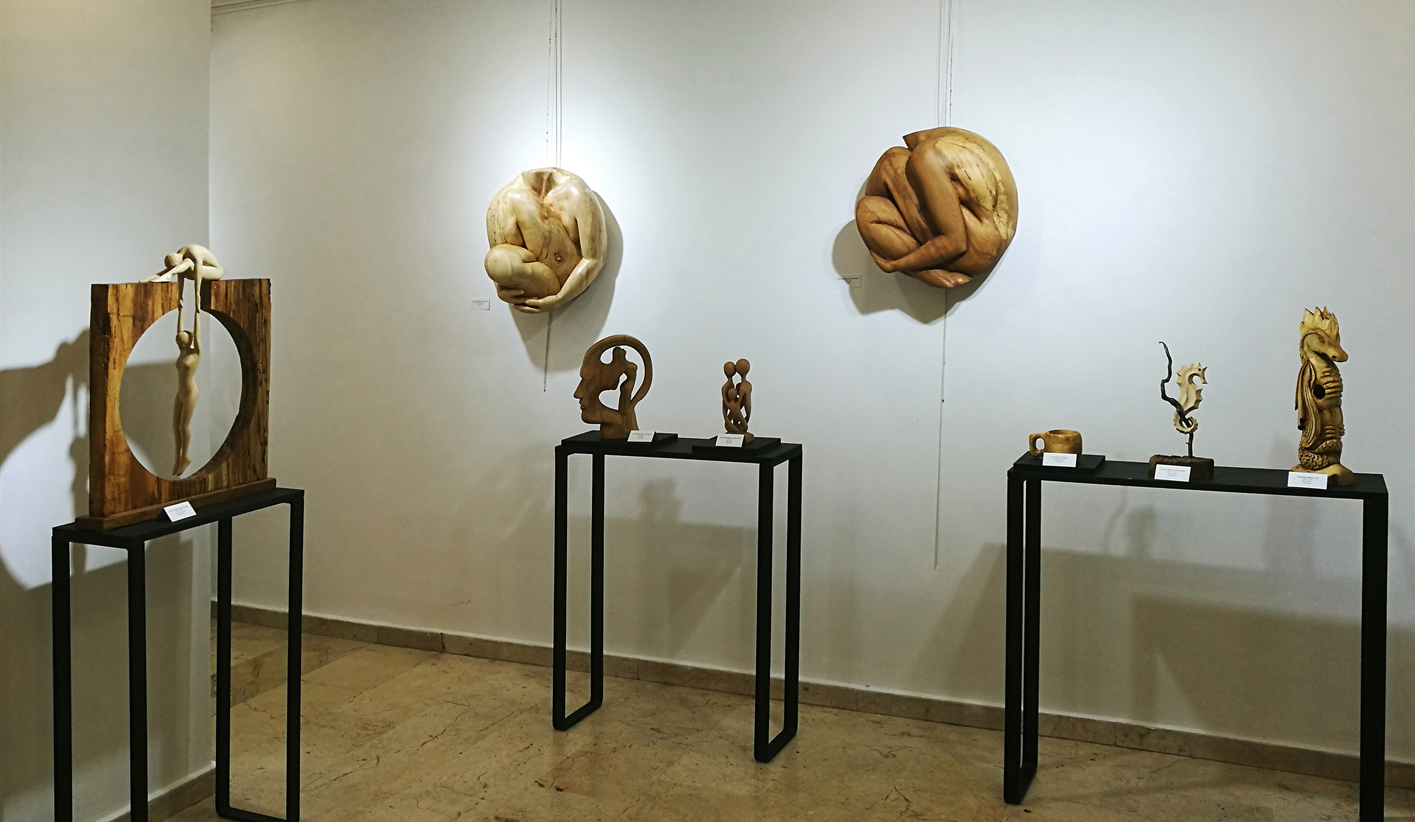
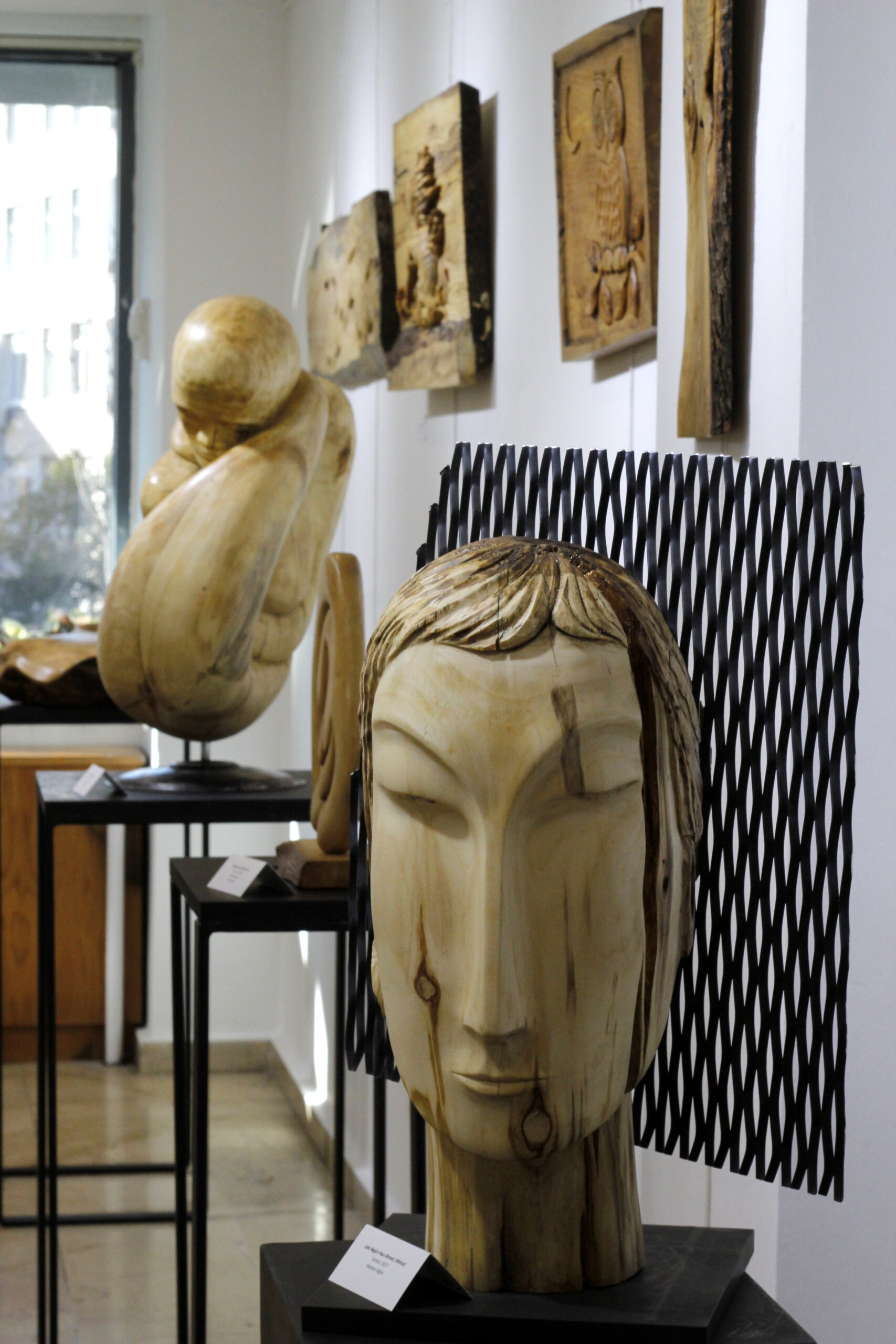
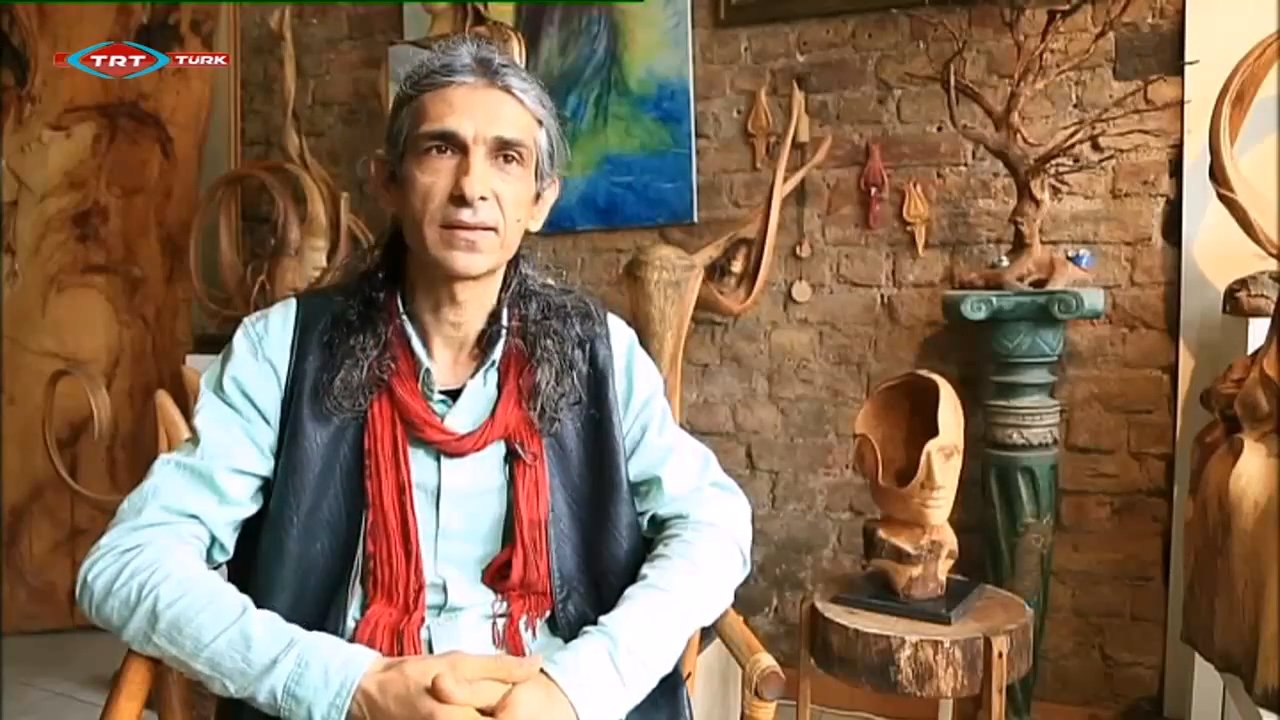
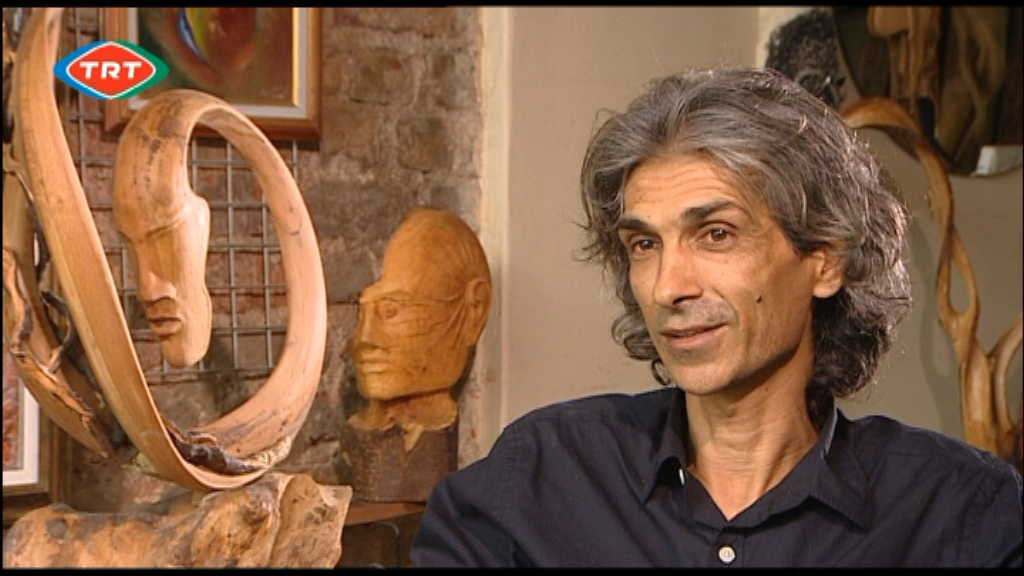
To understand Ayhan Tomak, one must first listen to the thing he has given his life to: the tree. Across more than thirty years he has travelled a wide road, from painting to sculpture, from functional design to monuments; yet at the centre of that road the same conviction has always stood. In his own words, an artist’s true model is not in doubt: “What I take after is nature, the rhythm of nature.” The line that opens his website says the same thing: one must know how to feel the rhythm of nature. All of his work is an effort to find that rhythm within the wood and to make it visible.
Roots: Antakya, family, and the first scent of wood
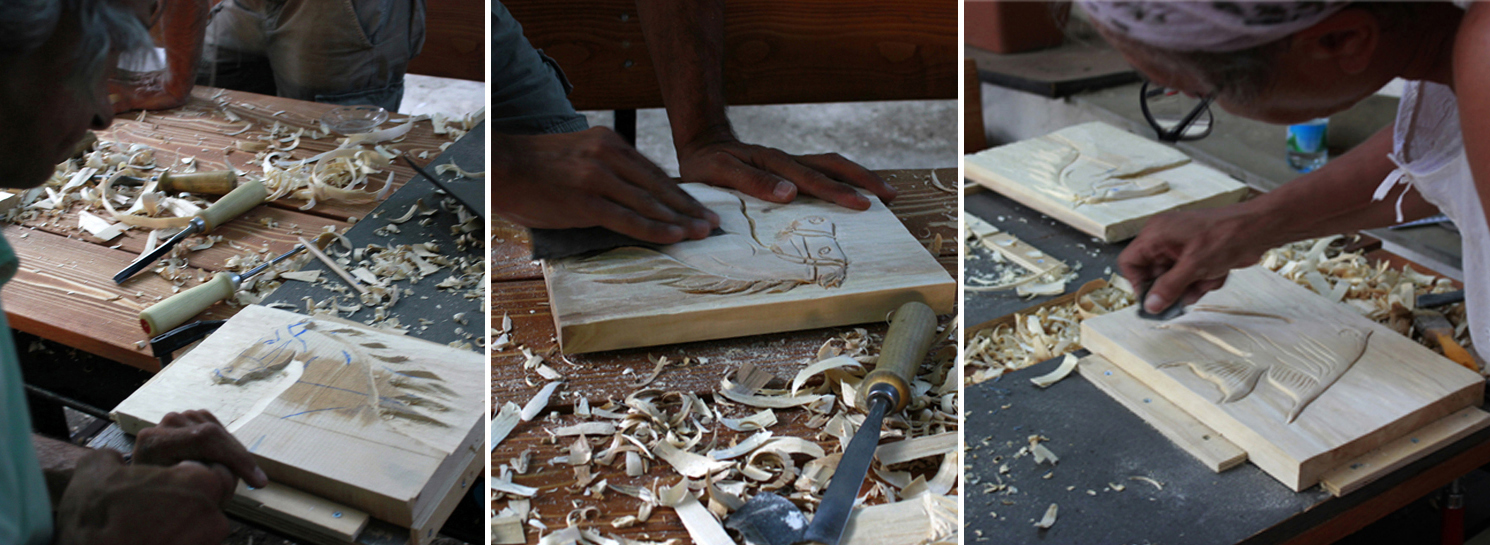
He was born in 1970 in Antakya, one of the oldest cities in Turkey, and completed his primary and secondary schooling there. It was his family who opened the door to art: his elder sister, a painter, had a great deal to do with the direction he took, and two of his siblings were masters of traditional hand carving, alongside whom he worked as a child. His contact with wood came early. He first took up carving during his primary school years, in 1978, in the wood-carving workshops of the city; half a day at school and half a day at work, he stayed with those workshops, on and off, until he was eighteen. Another gift of the Antakya years was his education: only at university, he says, did he understand how far his lessons in art history, philosophy and logic had widened his view. Speaking of those years he underlines a single word: love. Love, he says, is always hidden within favourable circumstances, and it was his mother and father above all who taught him to see it.
The road from painting to wood
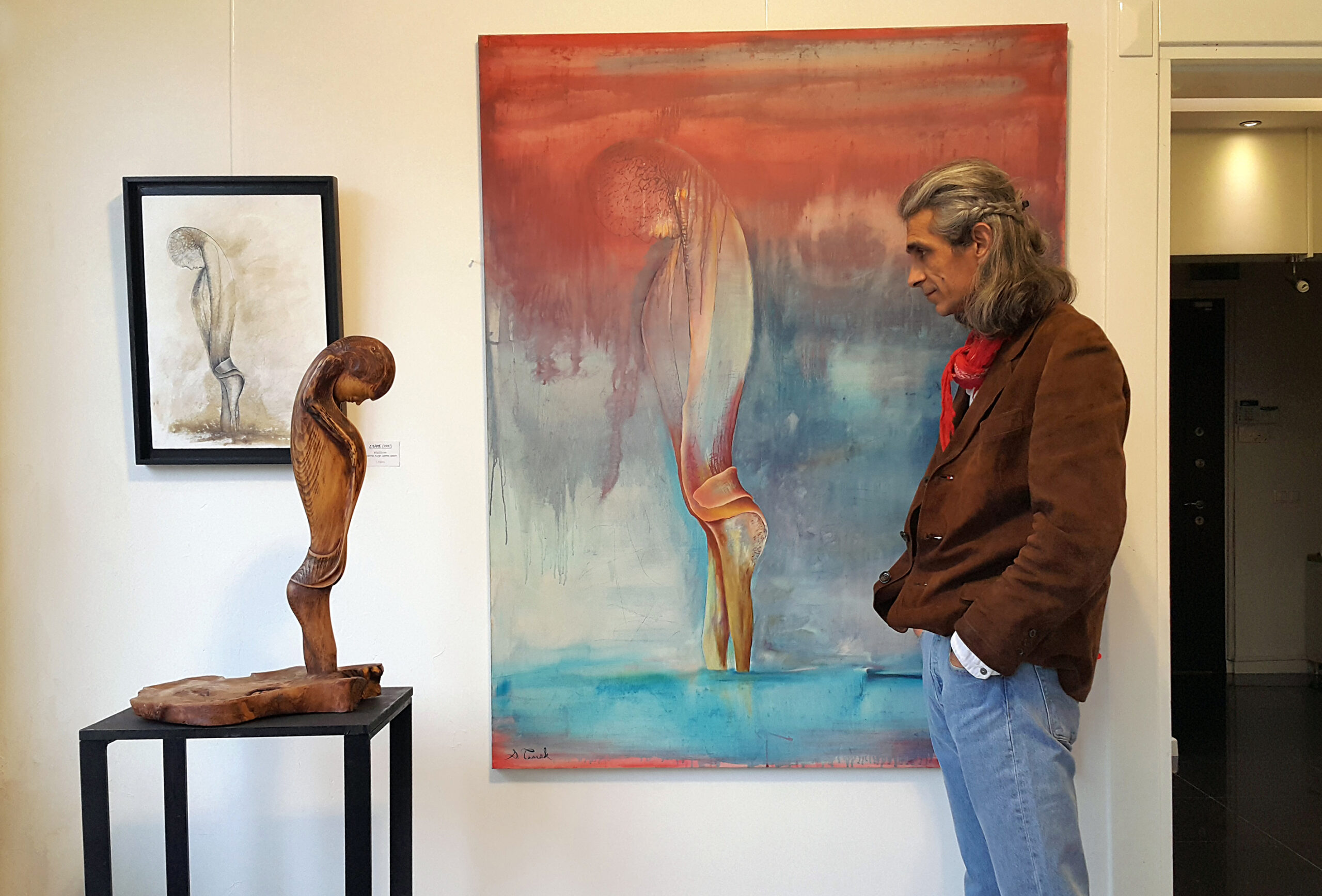
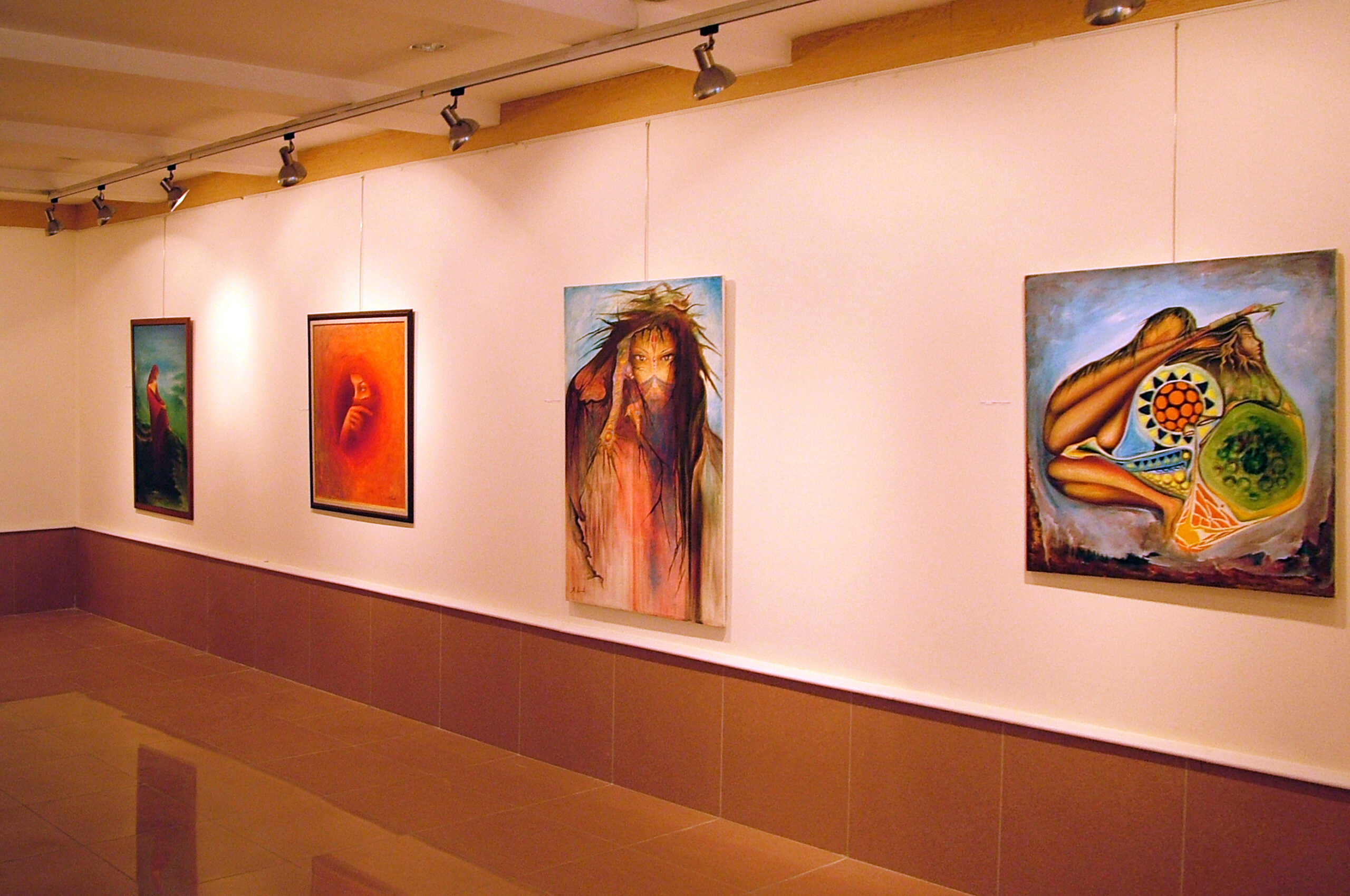
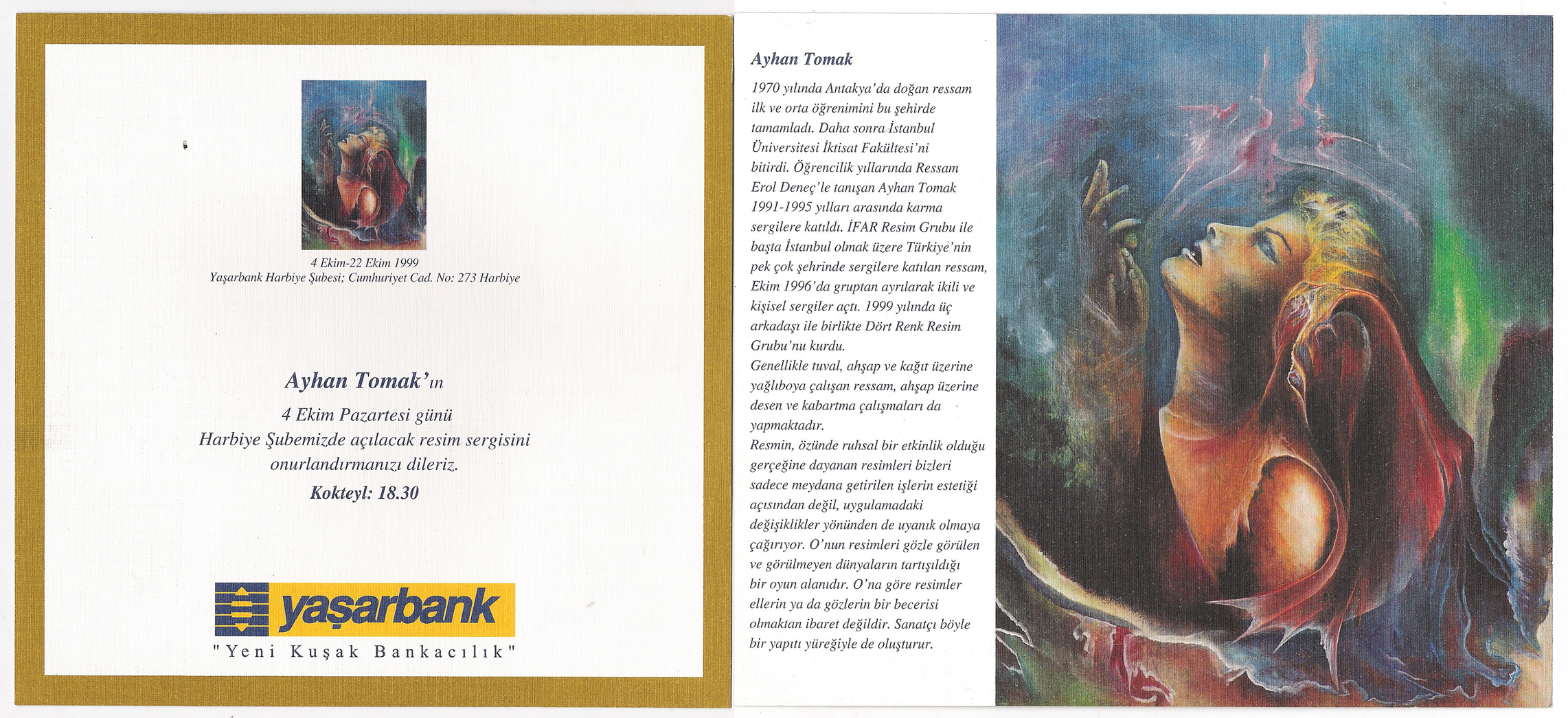
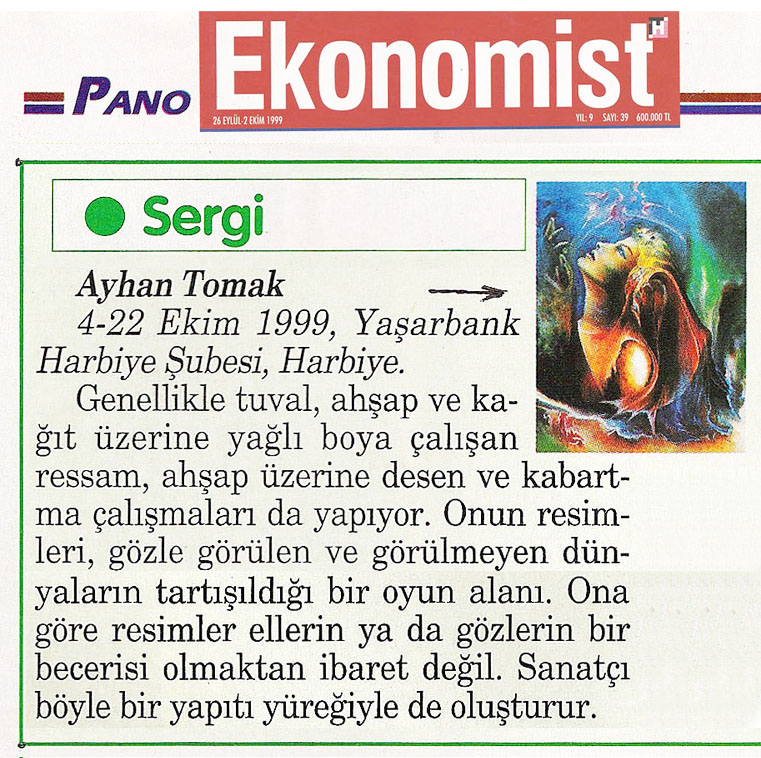
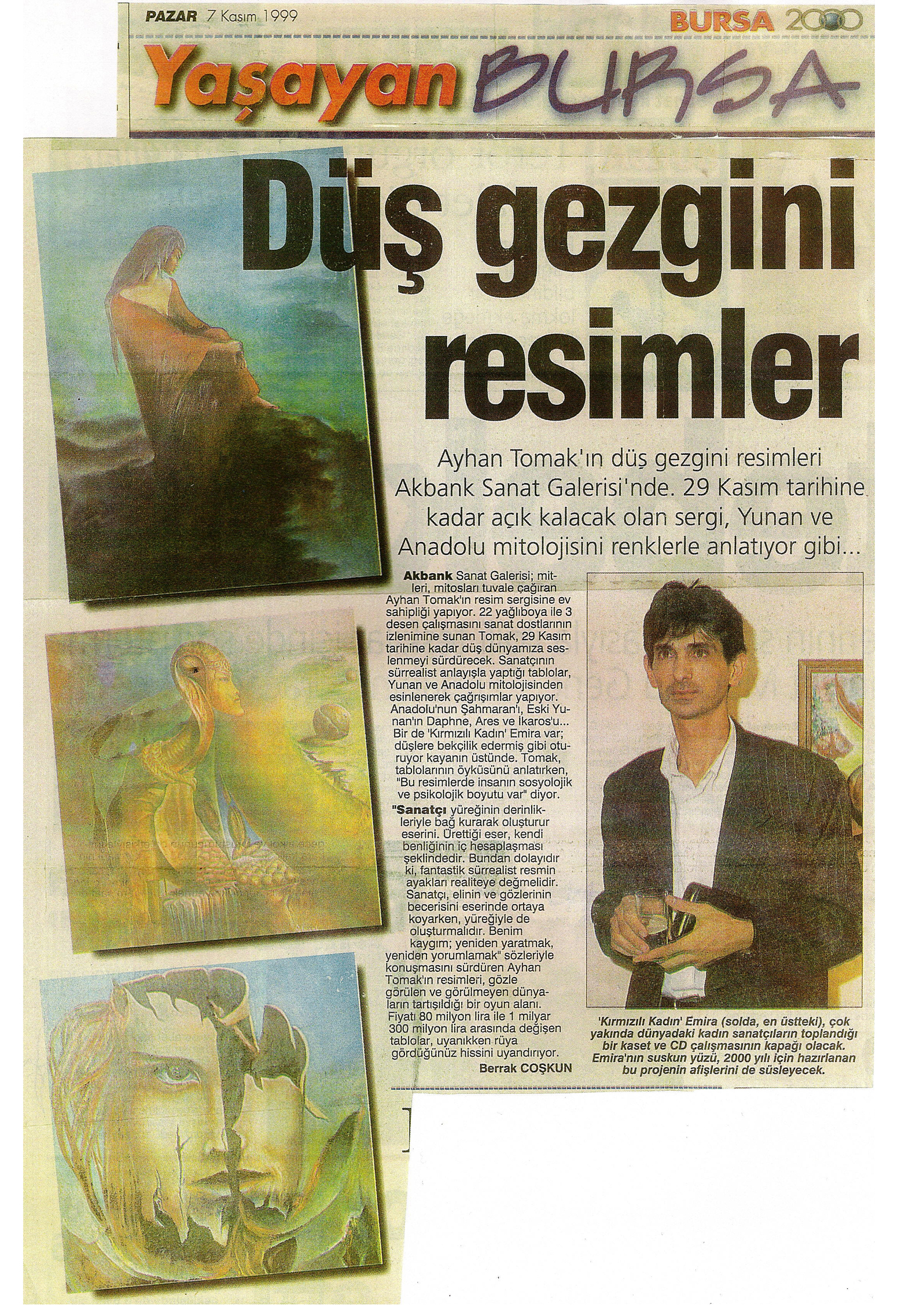
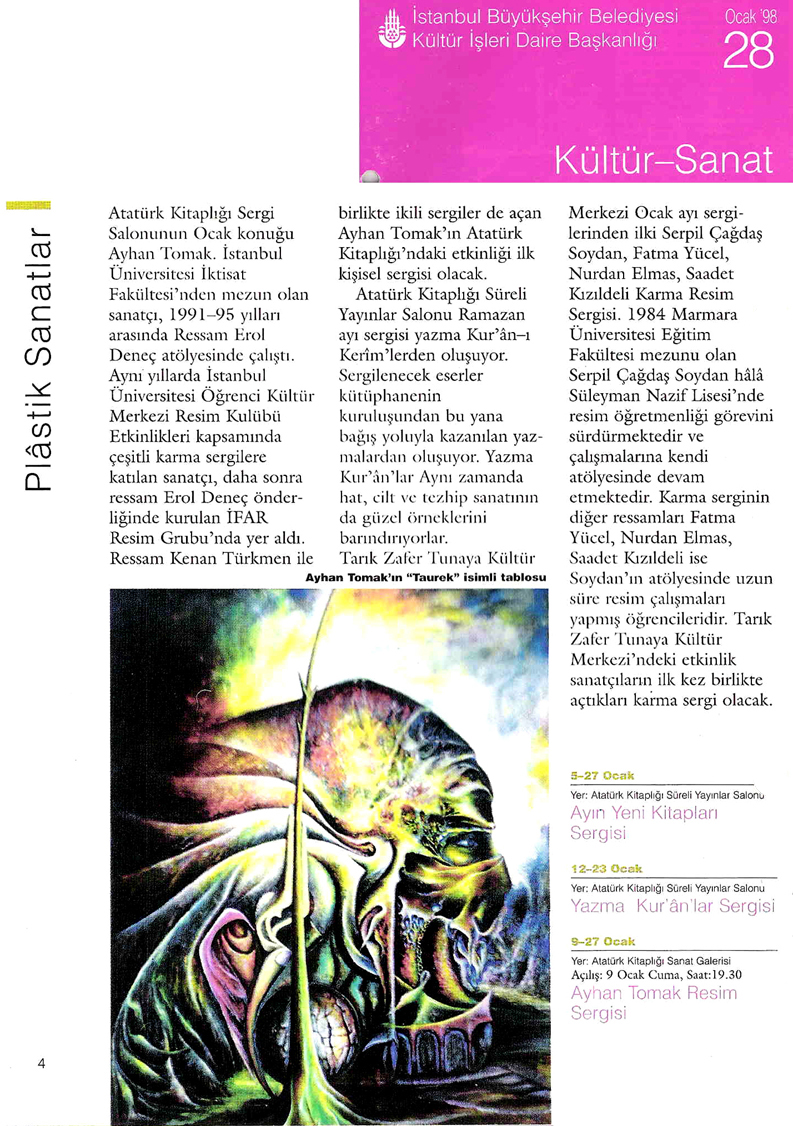
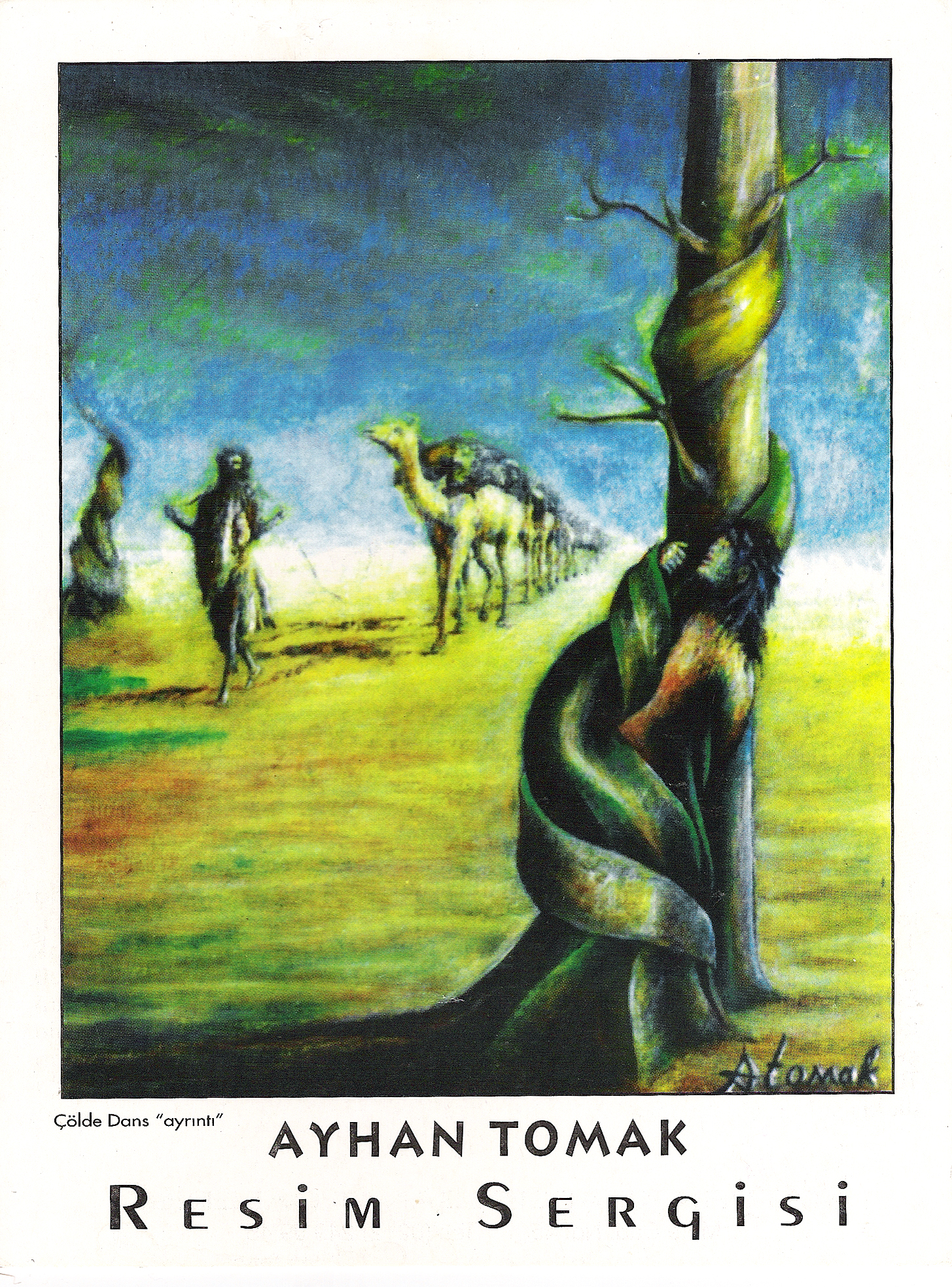
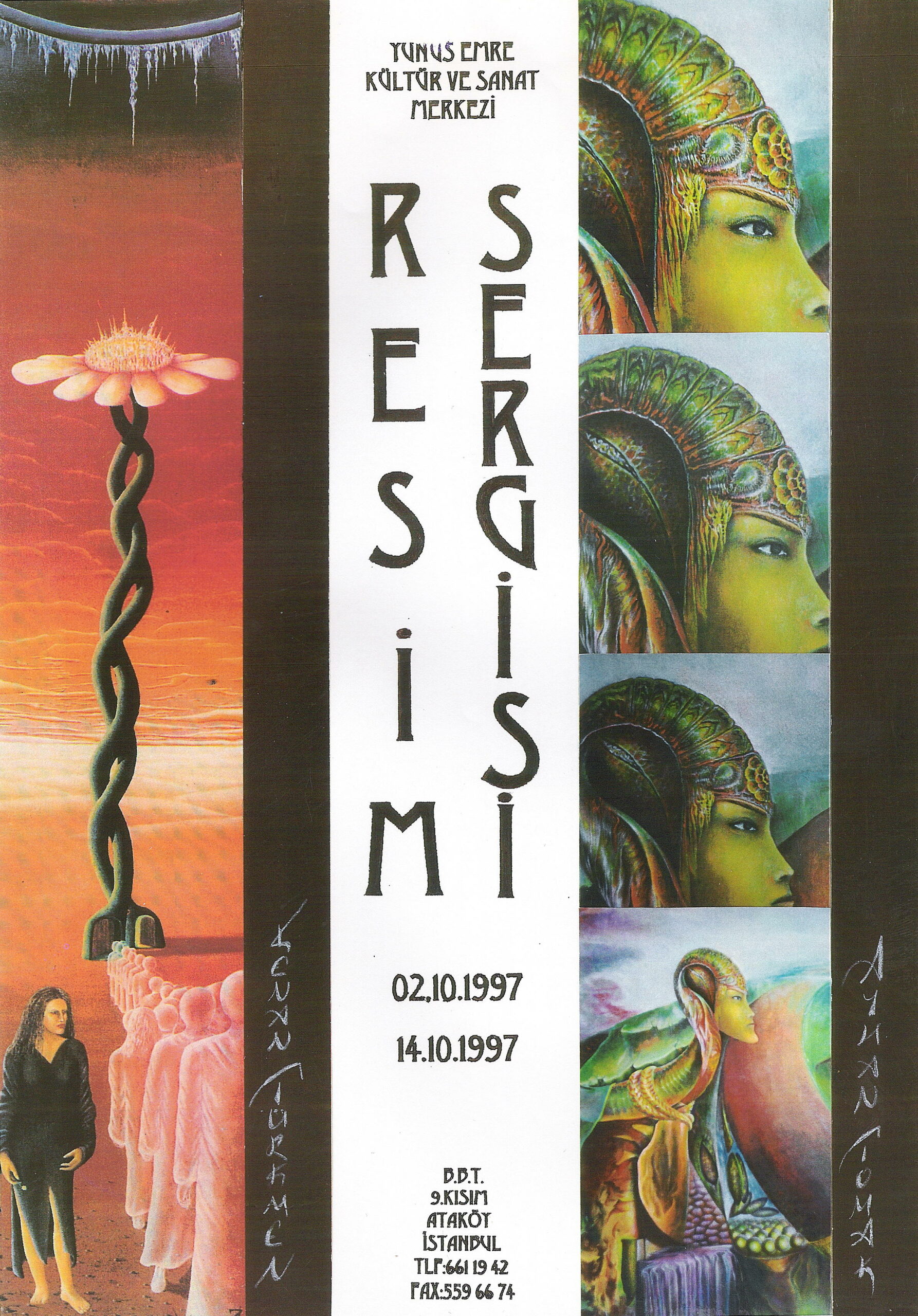
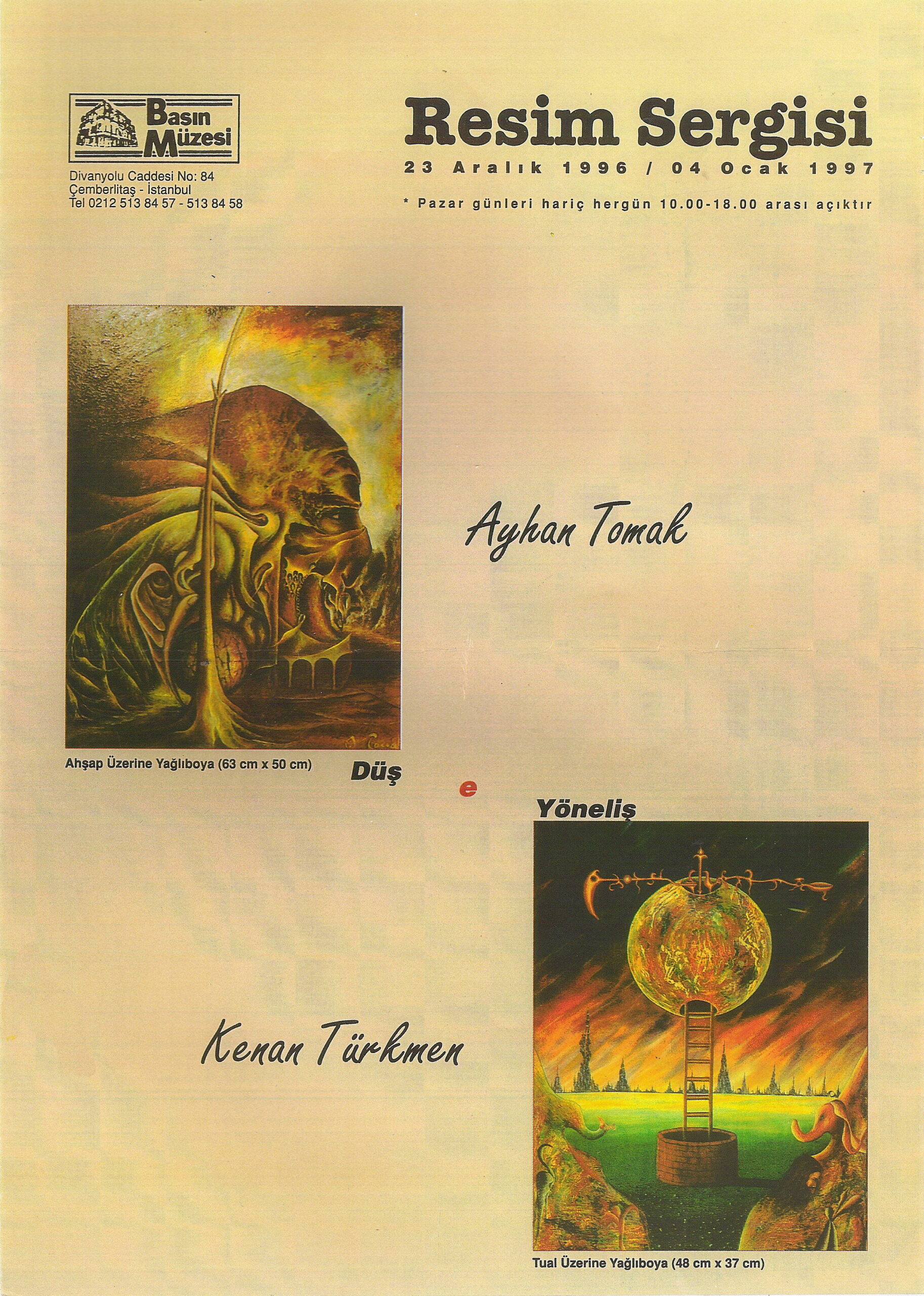
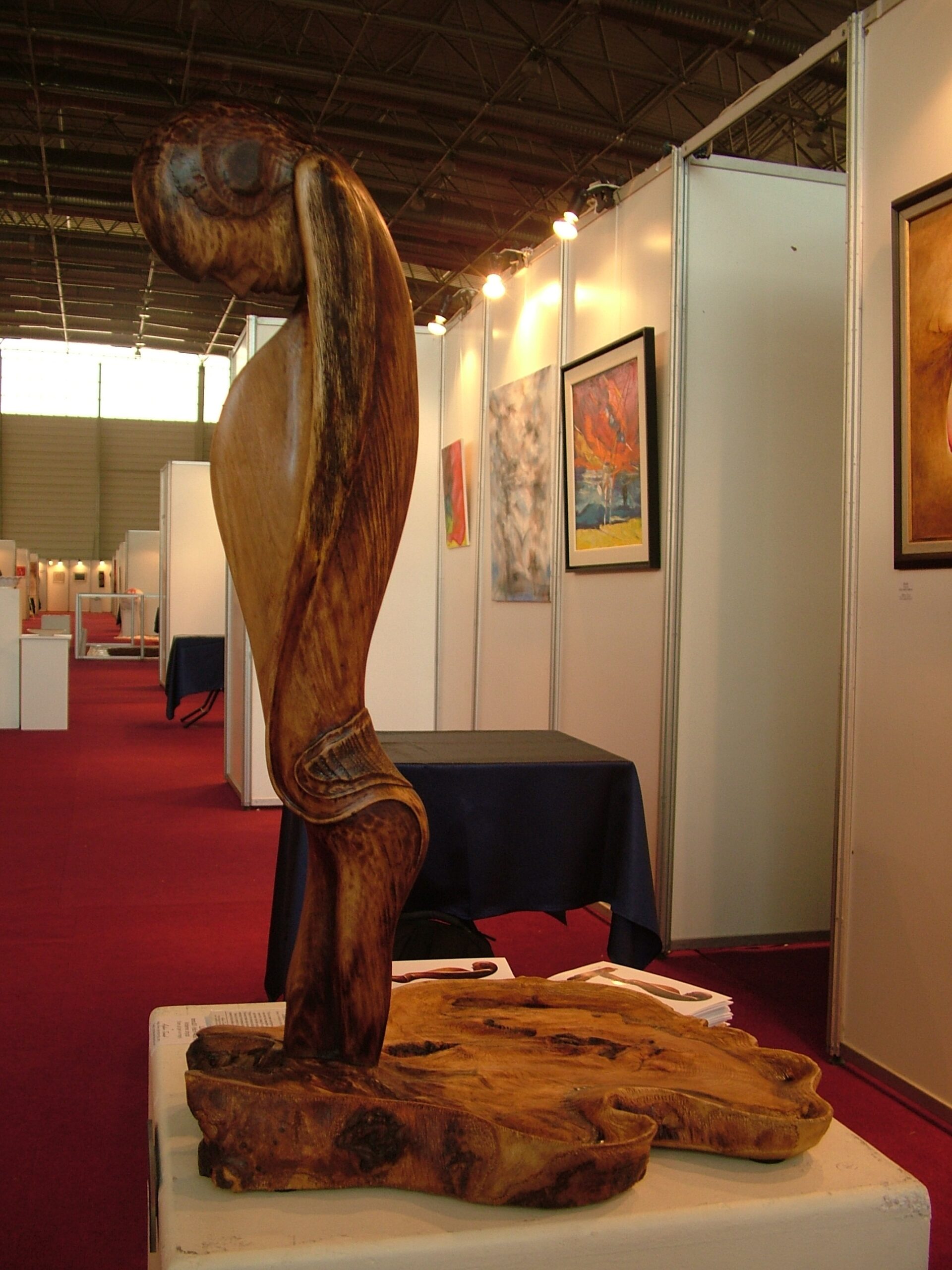
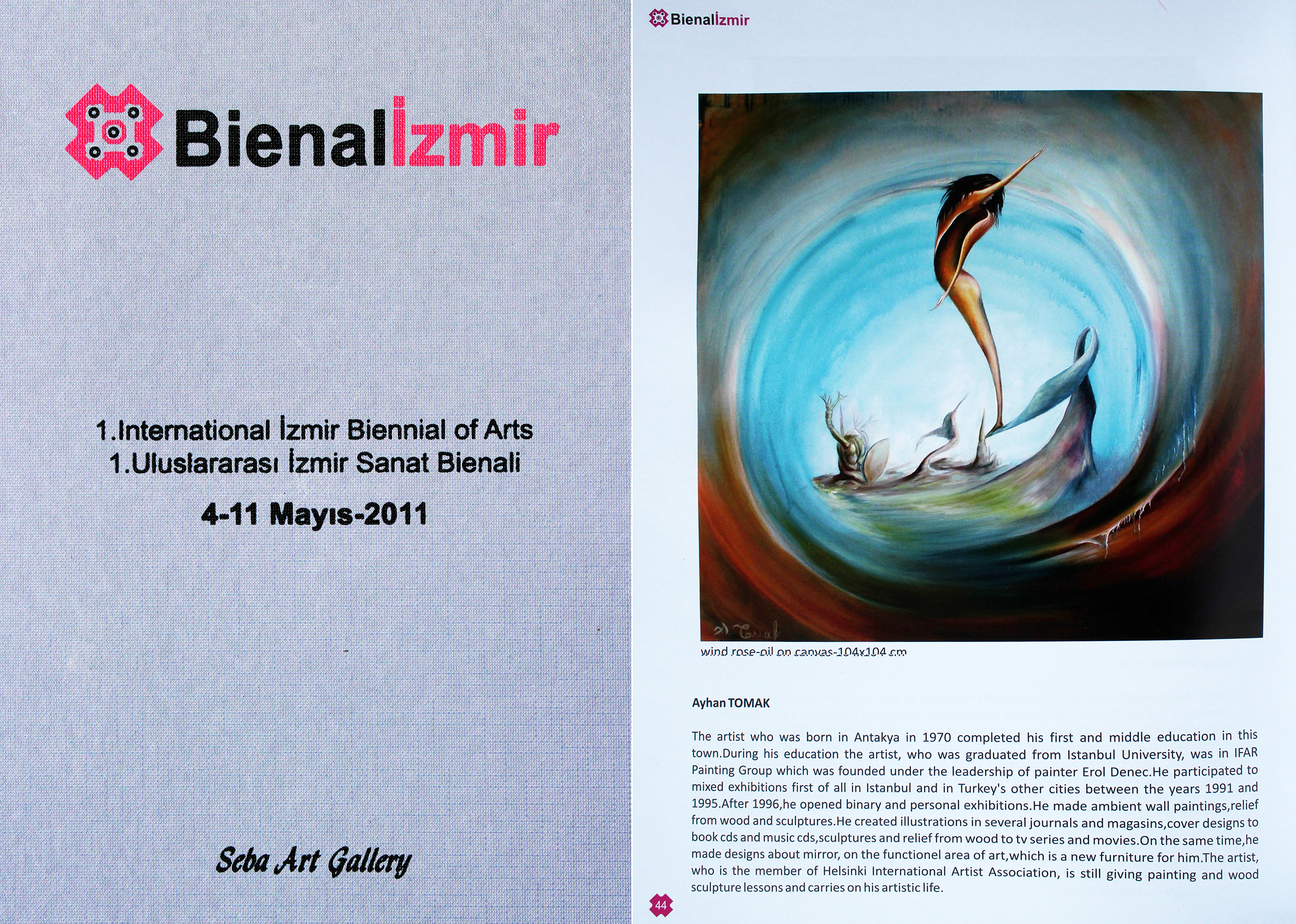
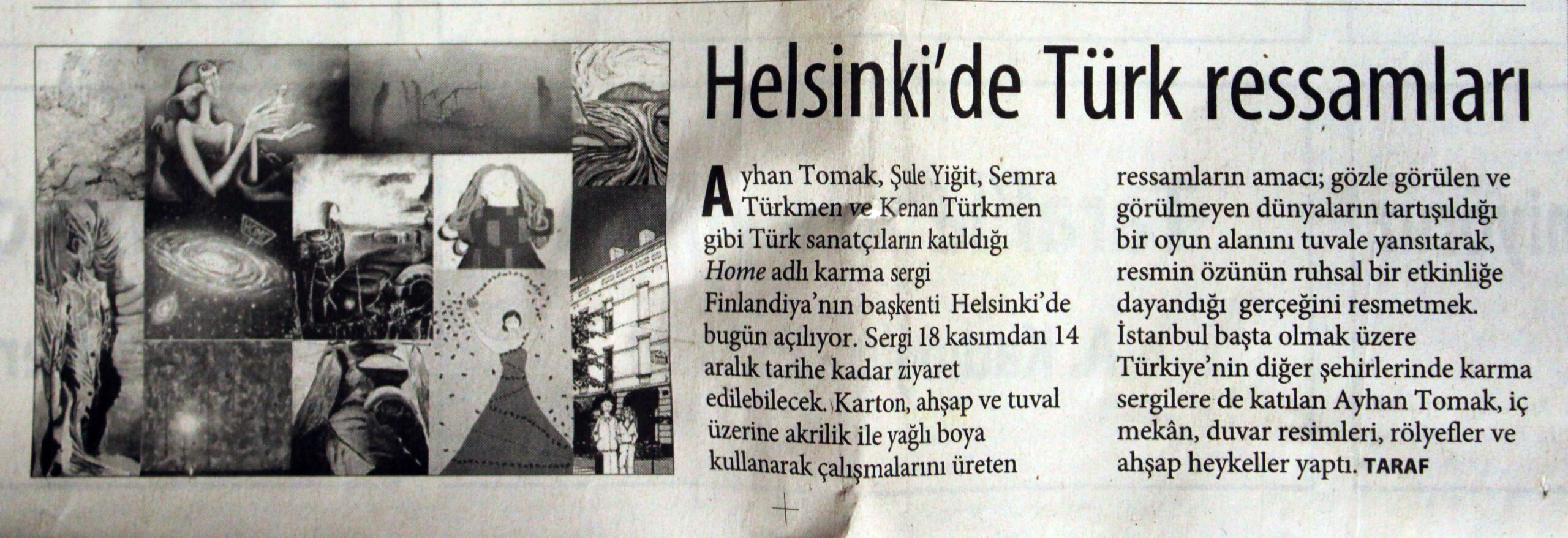
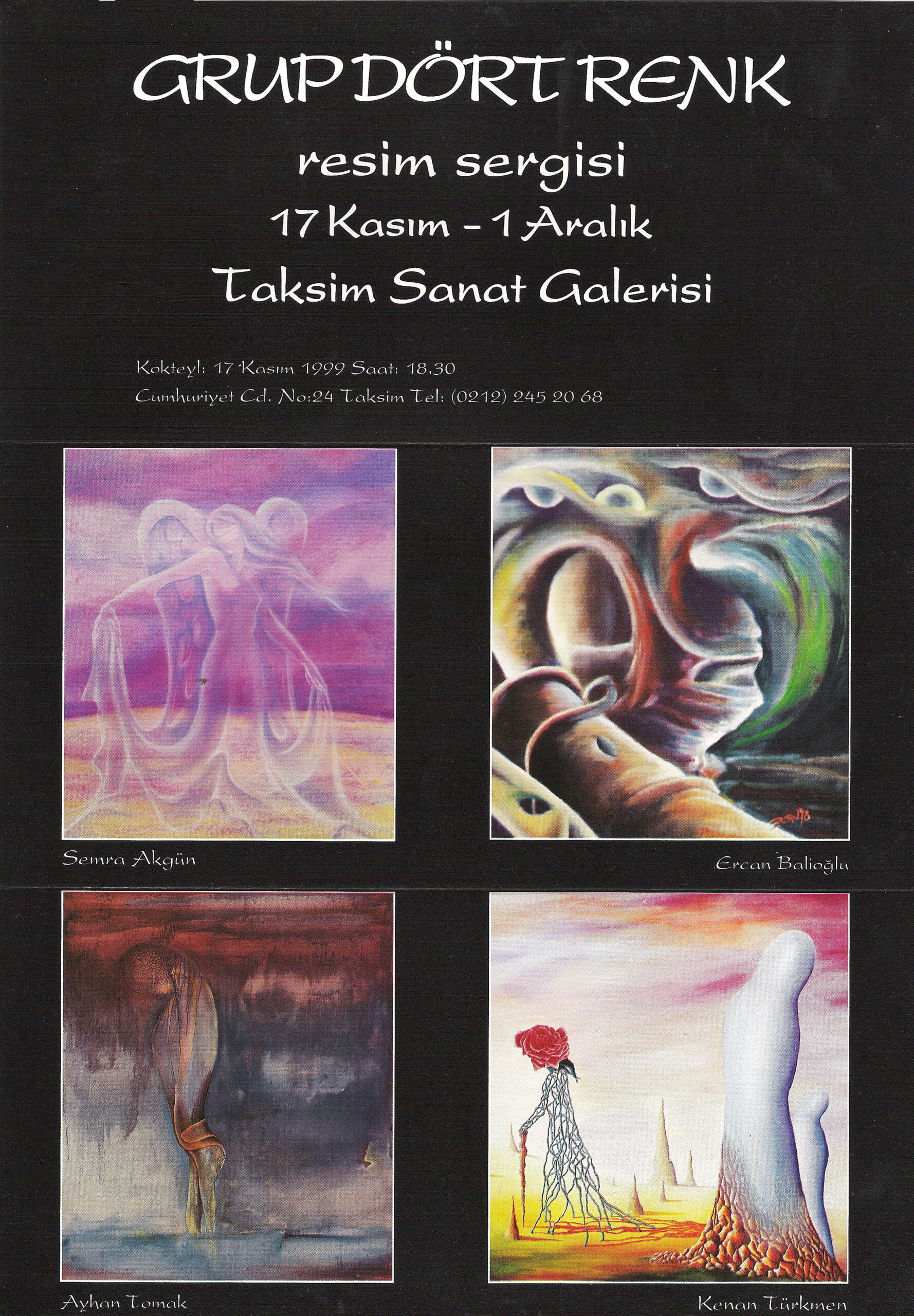
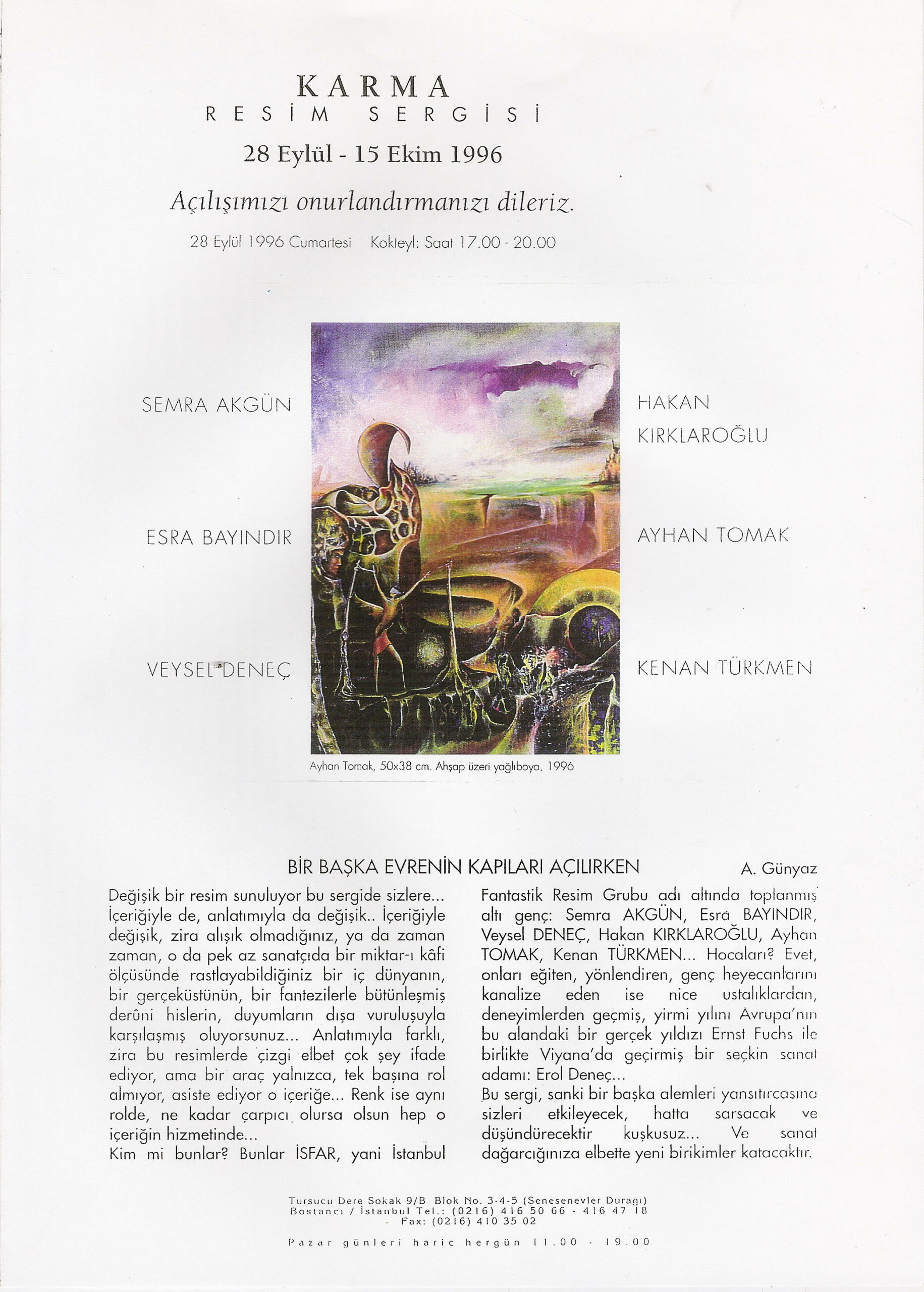
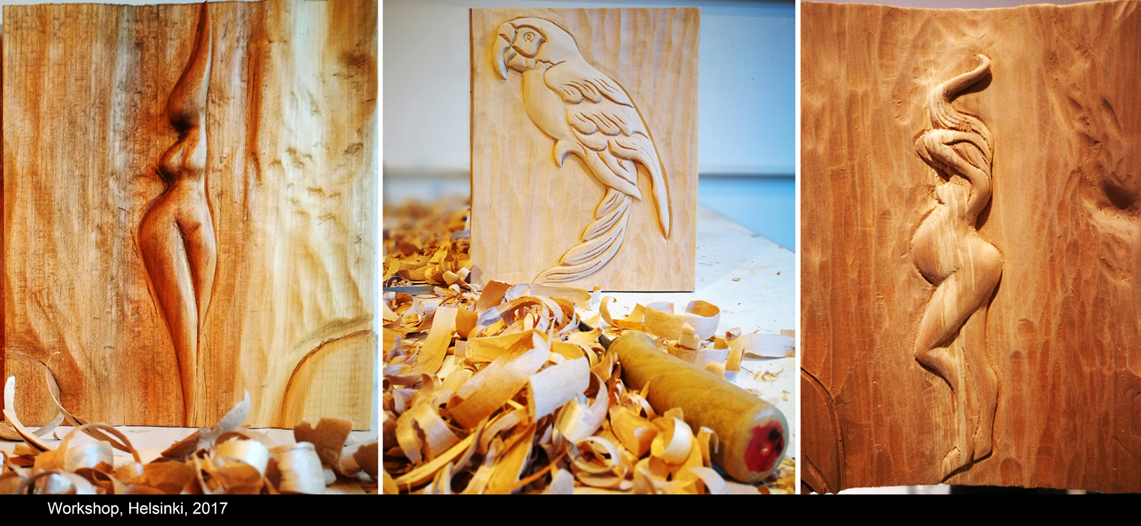
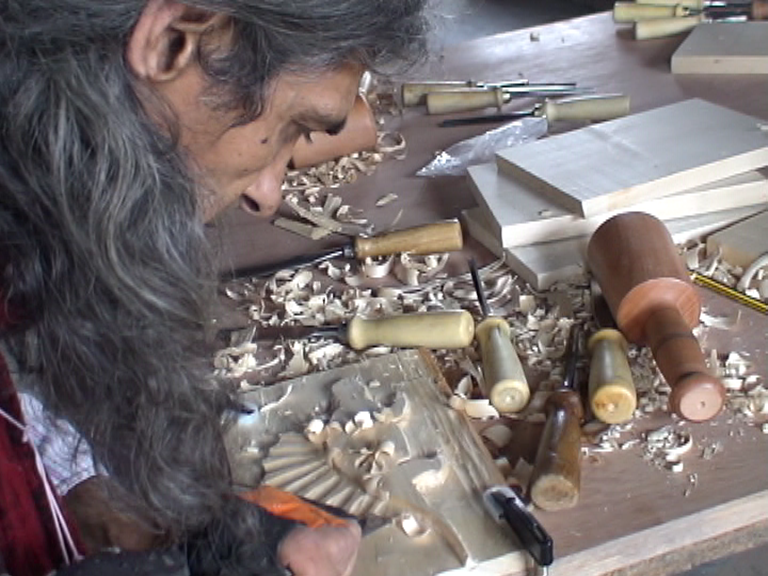
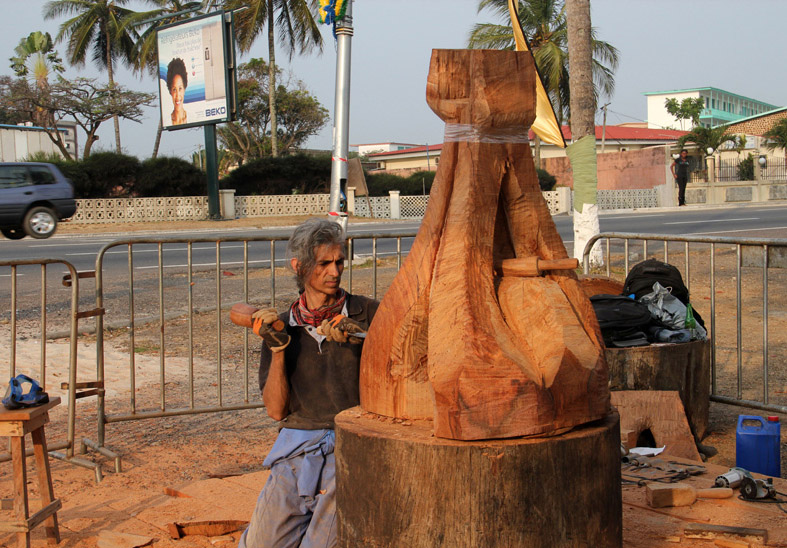
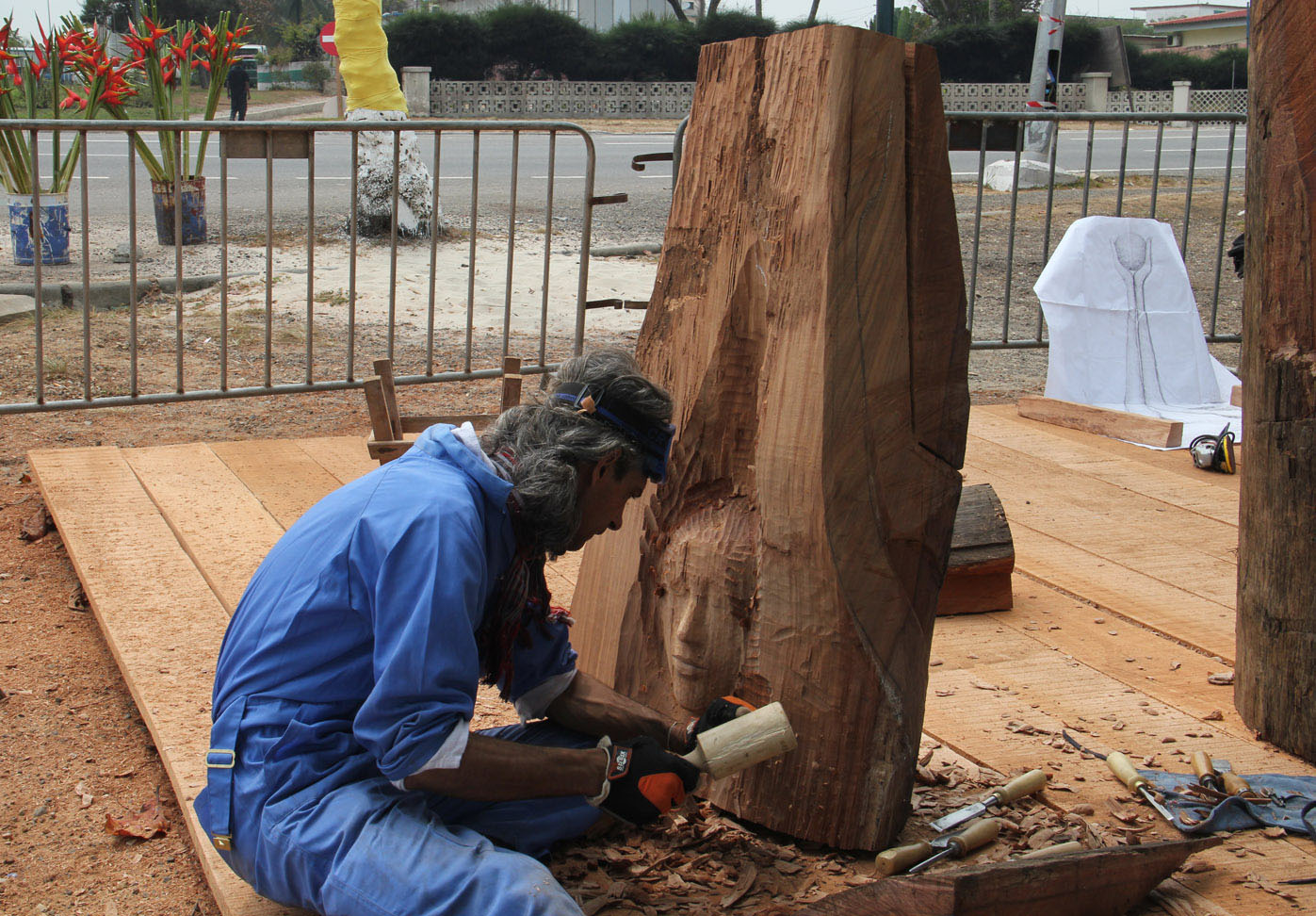
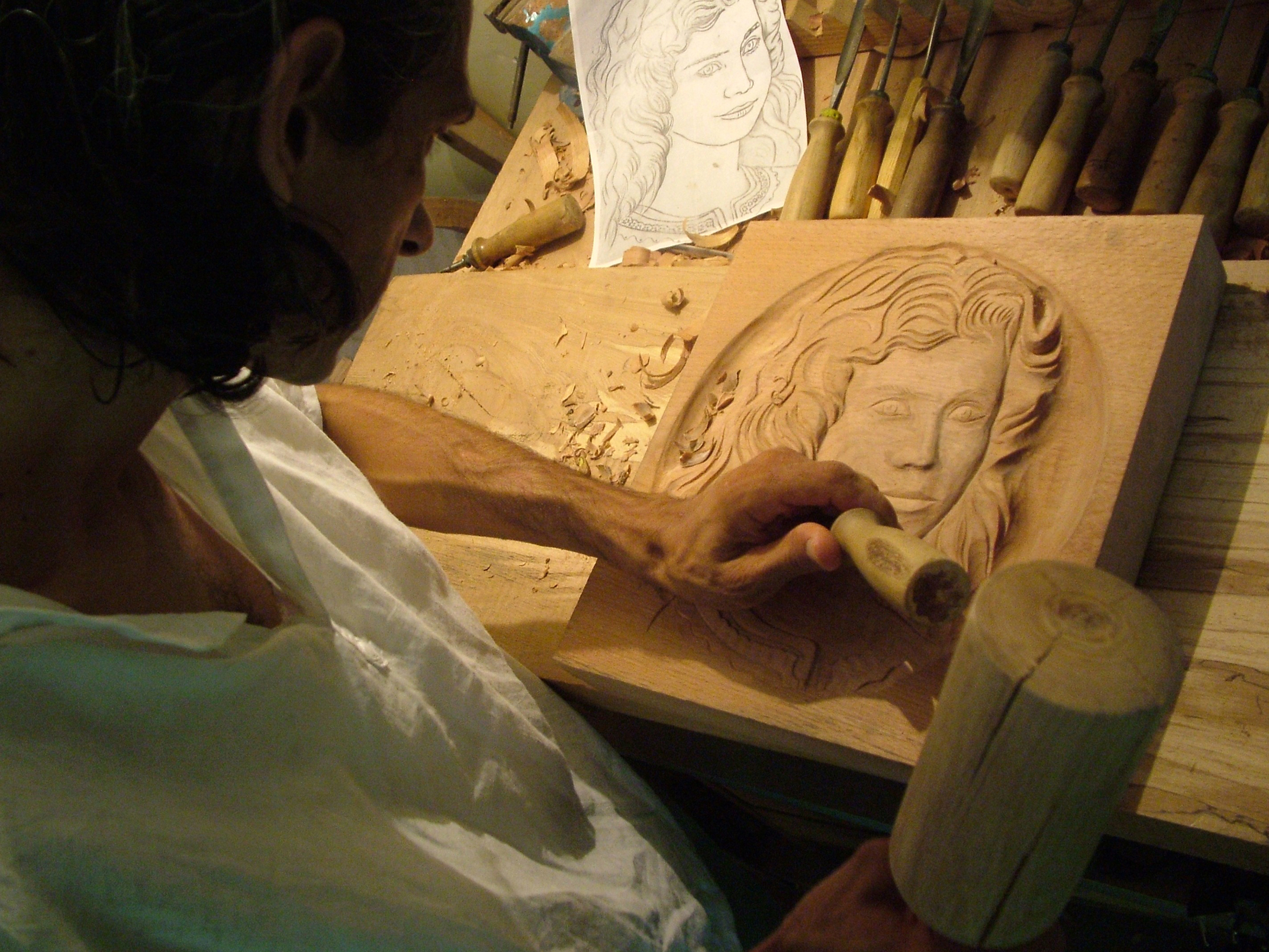
Tomak’s story in fact begins as a painter’s. He graduated from Istanbul University in 1993; he belonged to the İFAR painting group founded under the leadership of the painter Erol Deneç, and held his first exhibition in 1995, a group show at the Istanbul University Ö.K.M. Exhibition Hall. In those years he took part in painting exhibitions at home and abroad, and at the same time designed book covers and drew illustrations for newspapers and magazines. His return to the wood of his childhood came only after a long interval: following a gap of some twelve years, his university years among them, he began sculpting again in the 2000s, taking wood as his primary material. The carving knowledge he had gathered long before came back to life, this time in the hands of a sculptor.
The language of the material: patience, rhythm, touch
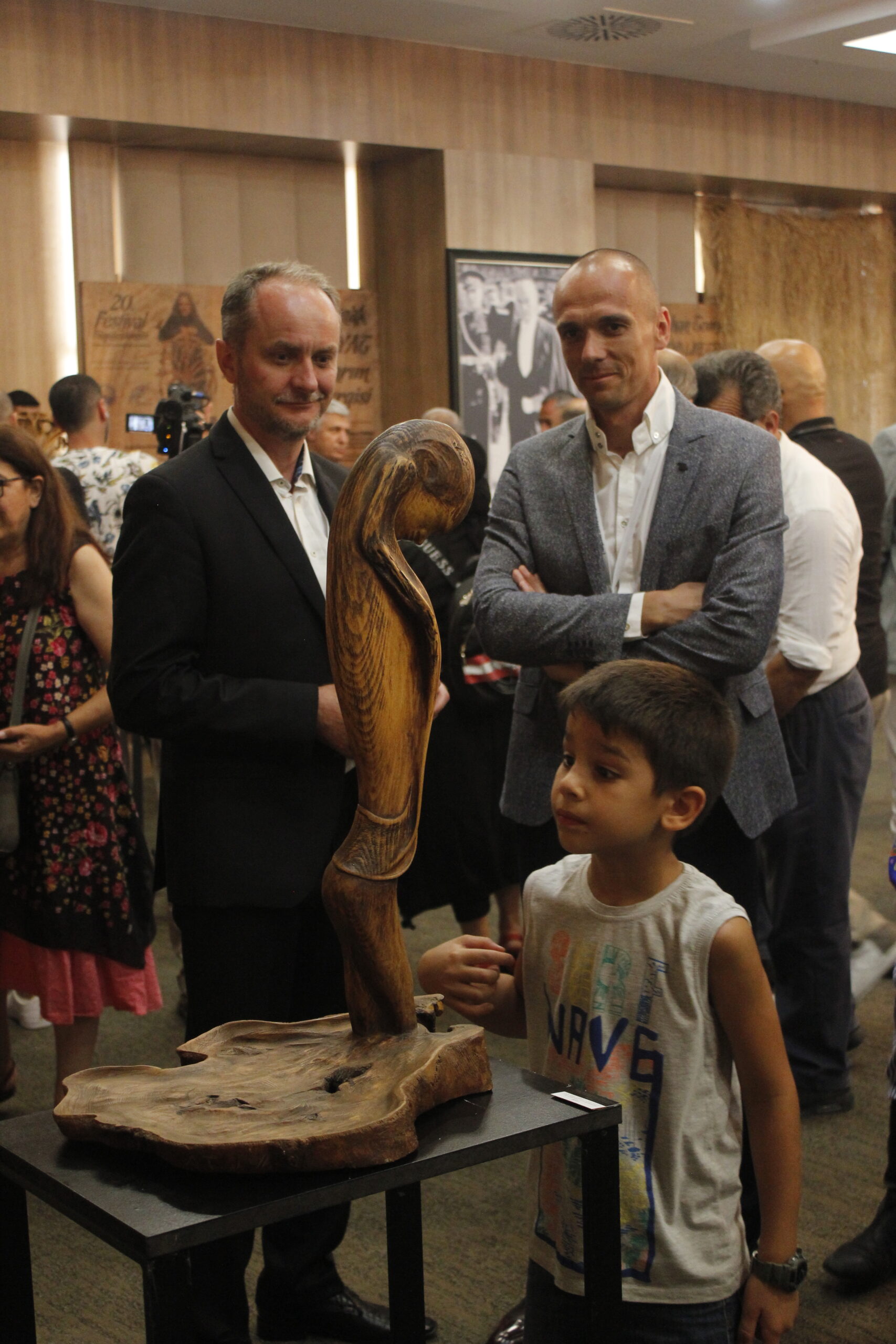
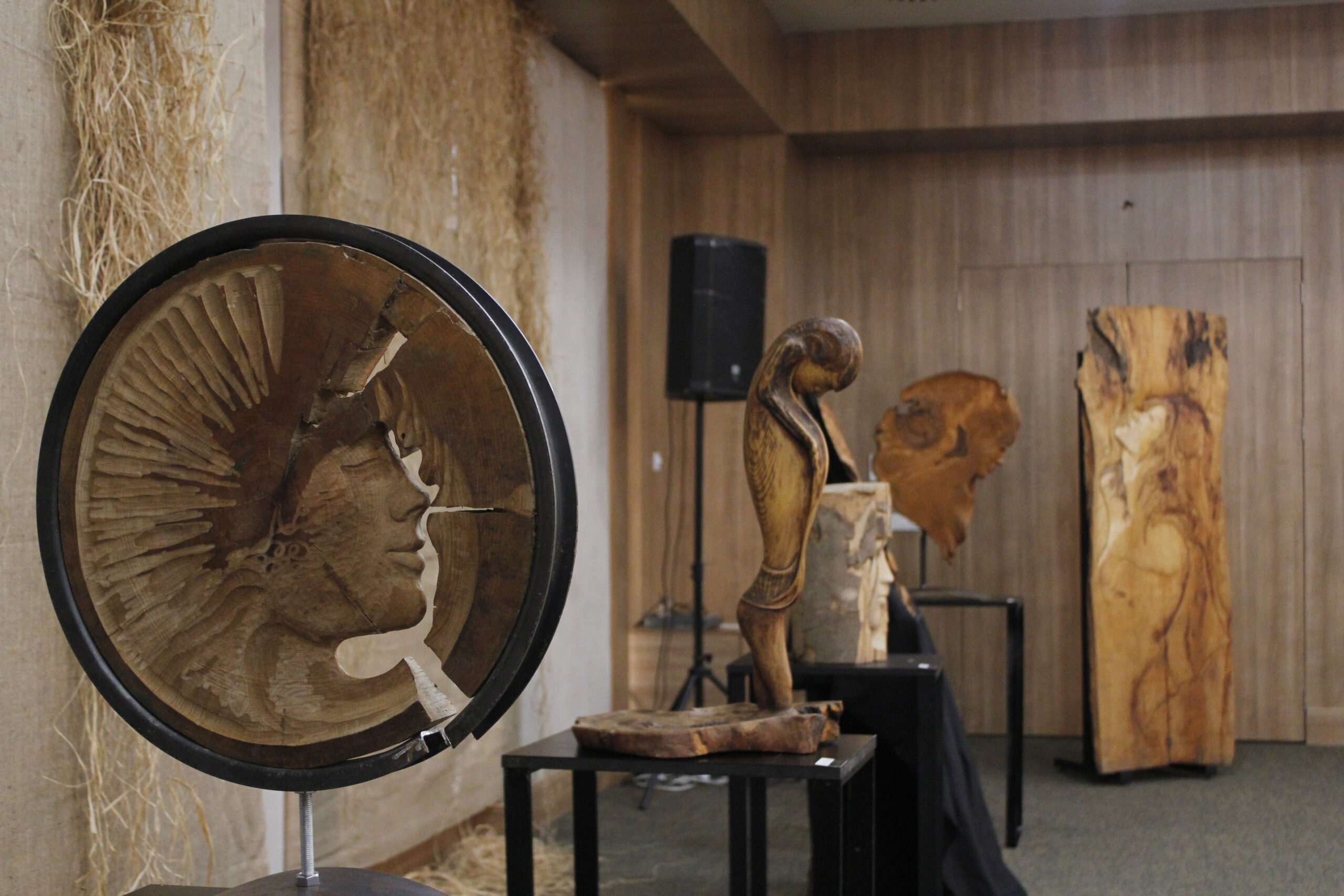
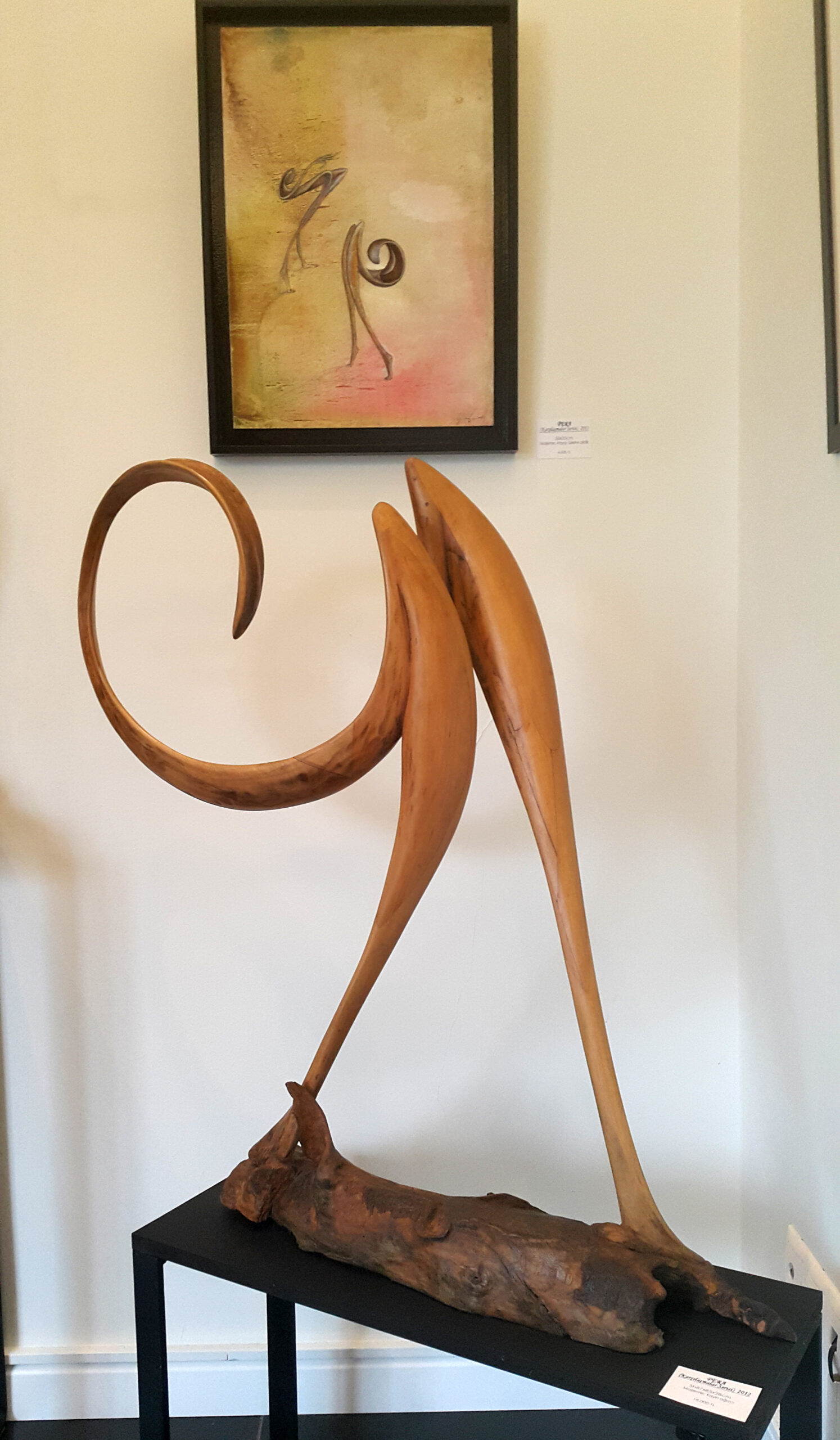
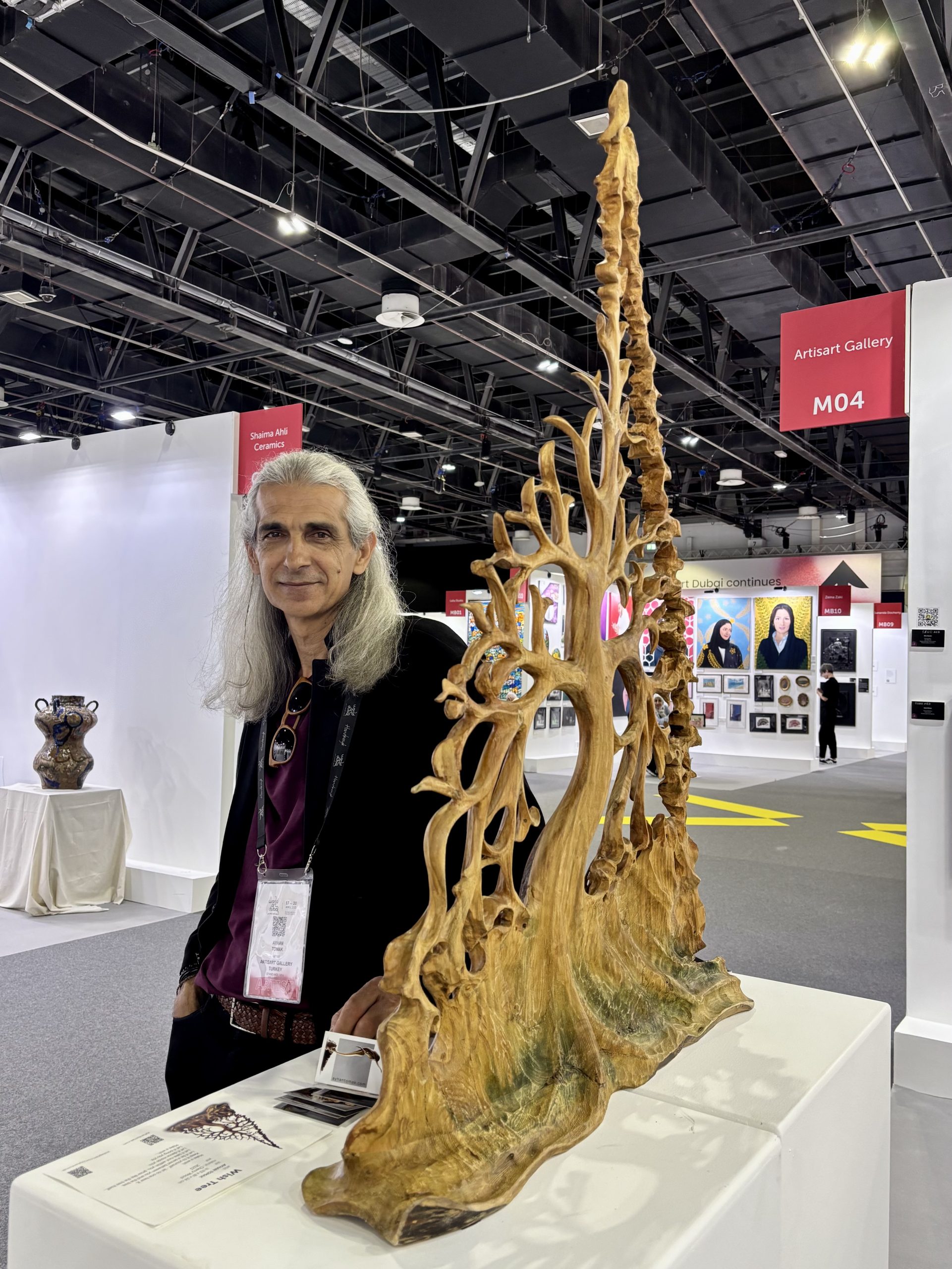
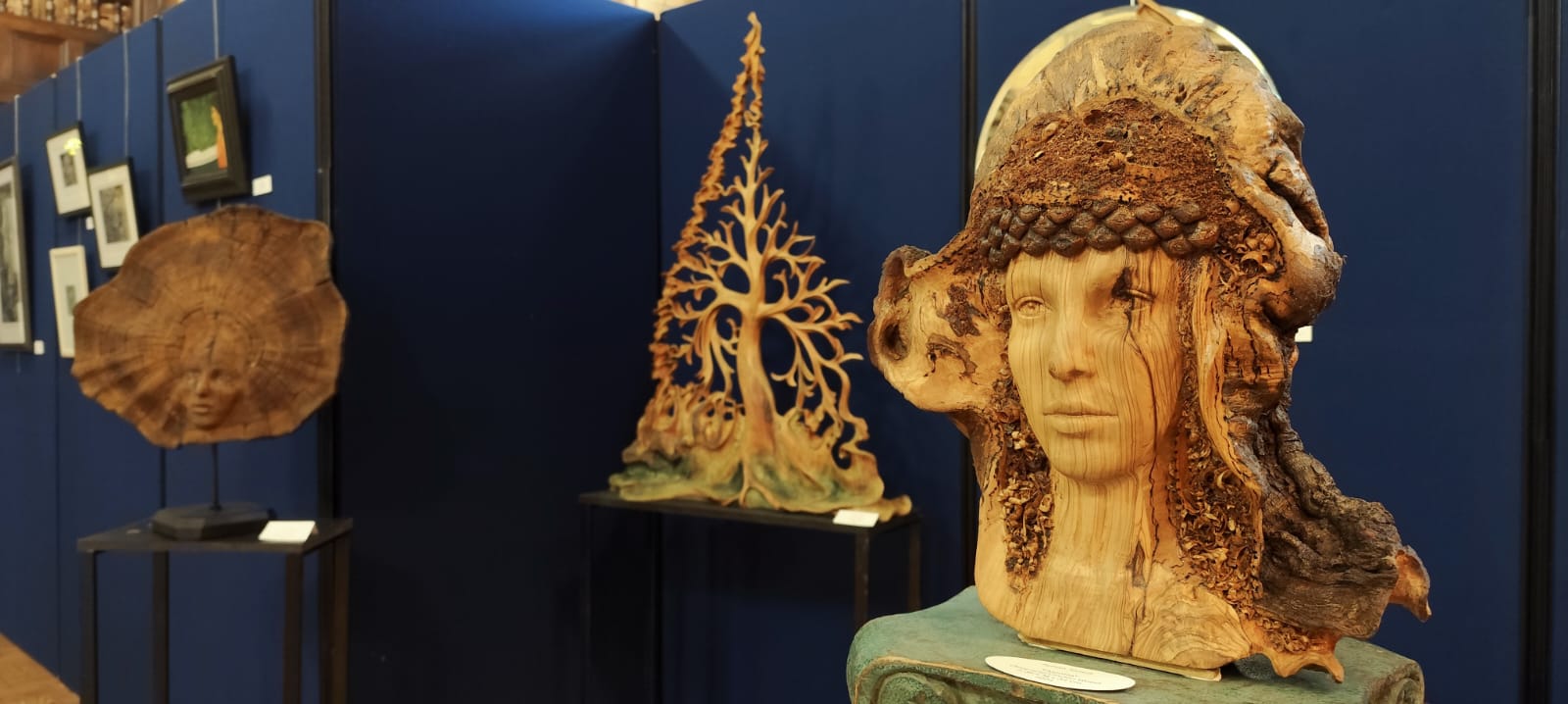
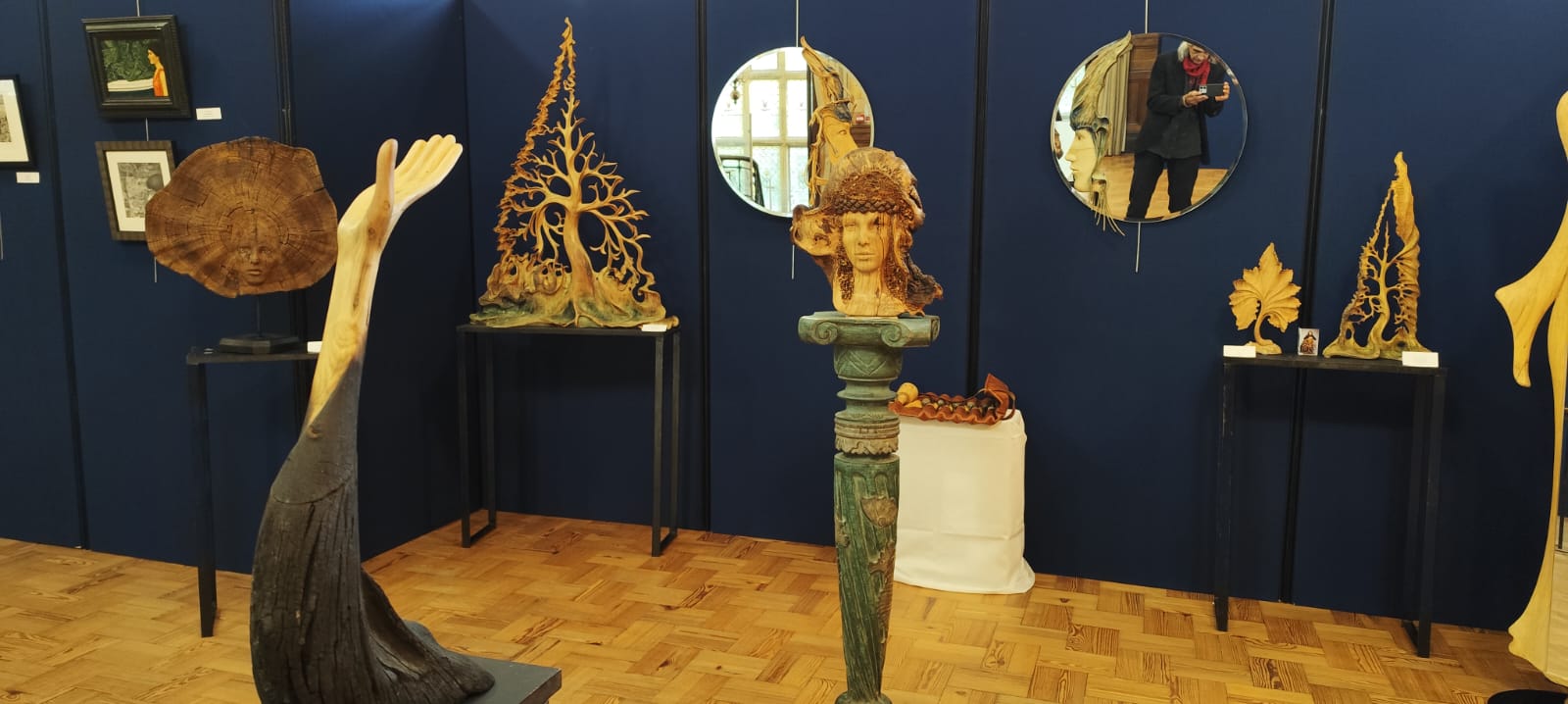
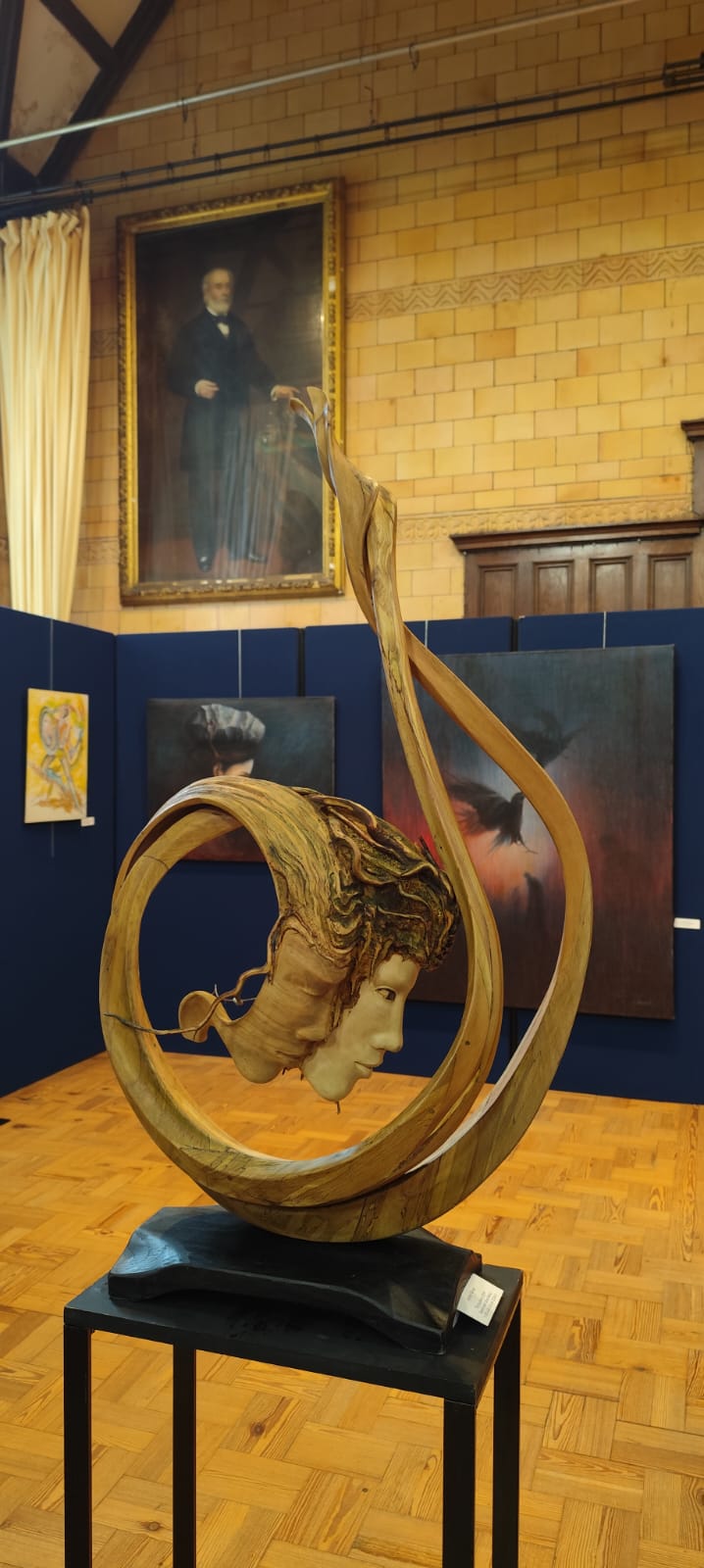
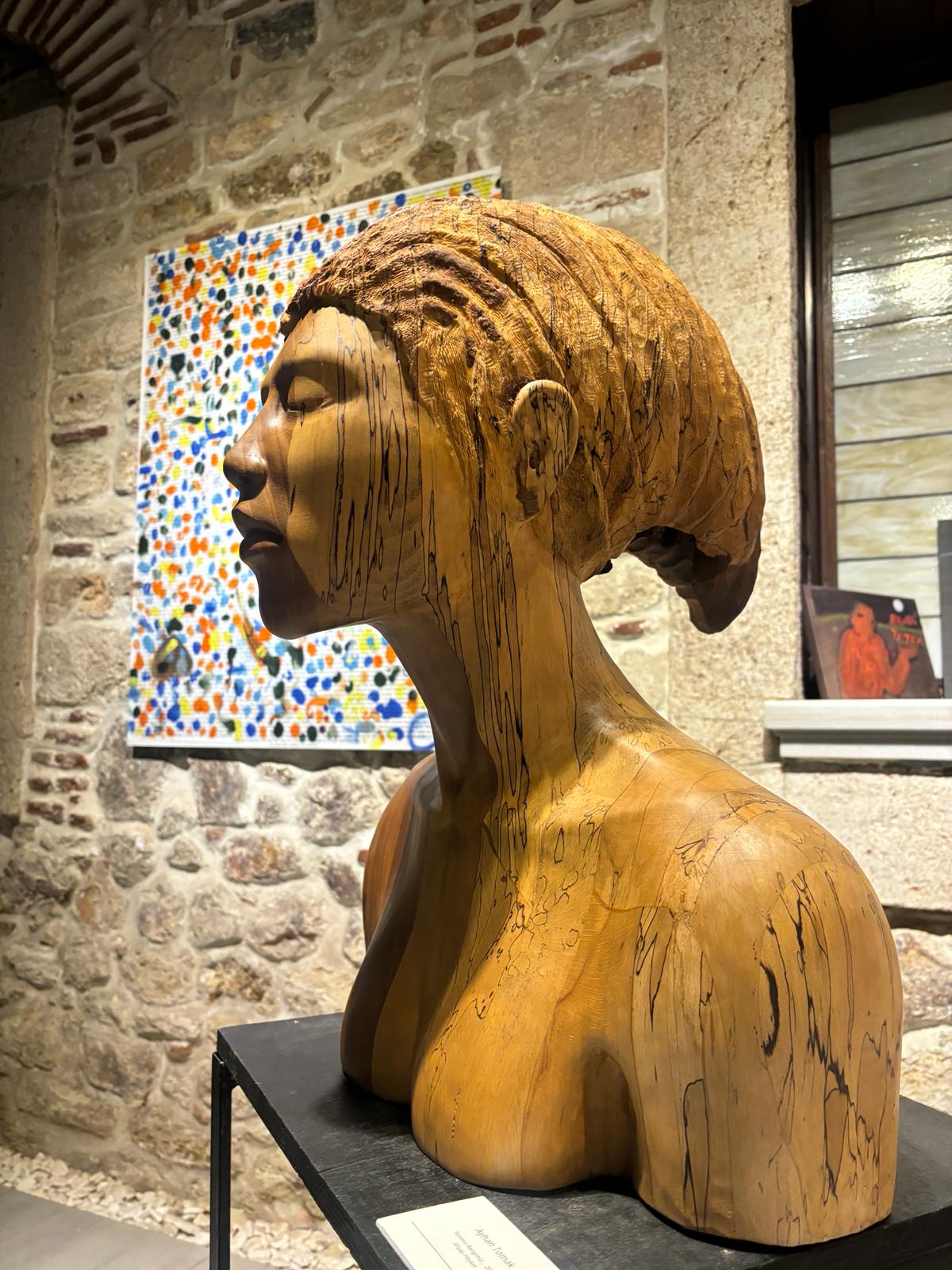
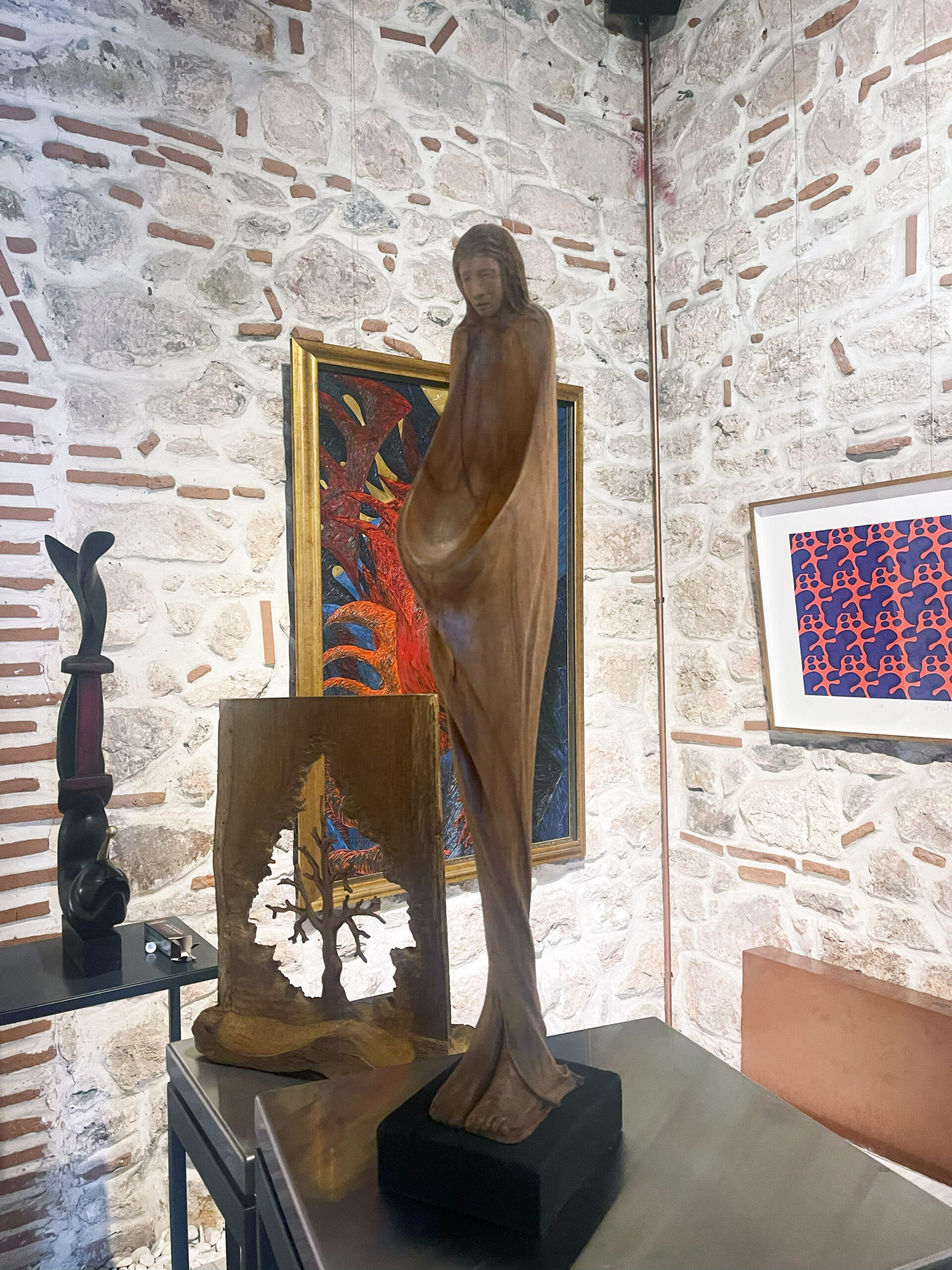
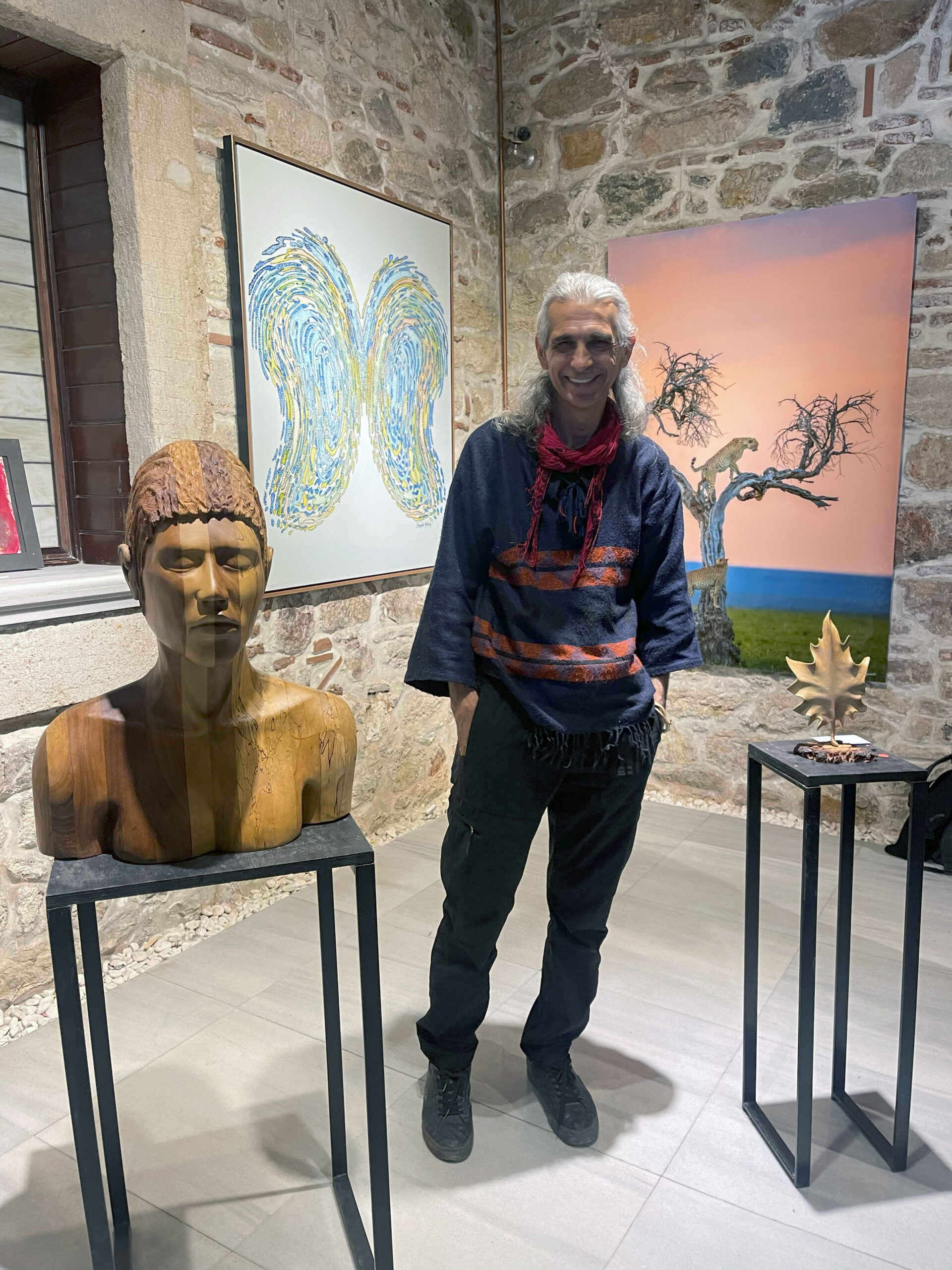
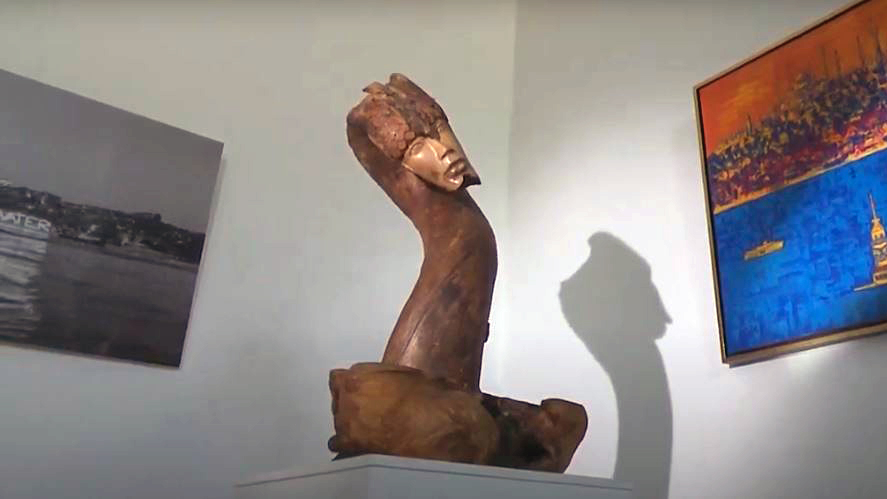
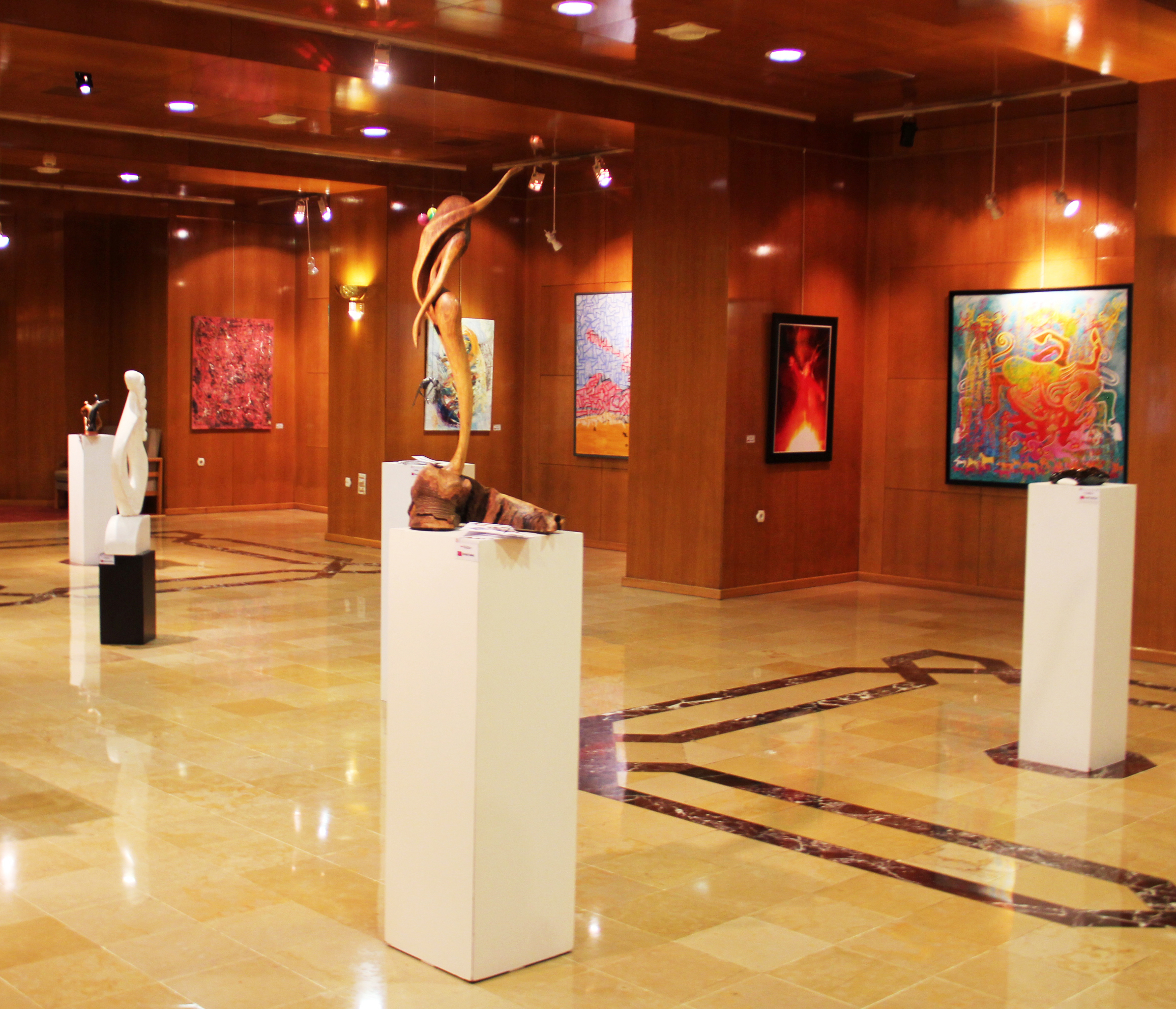
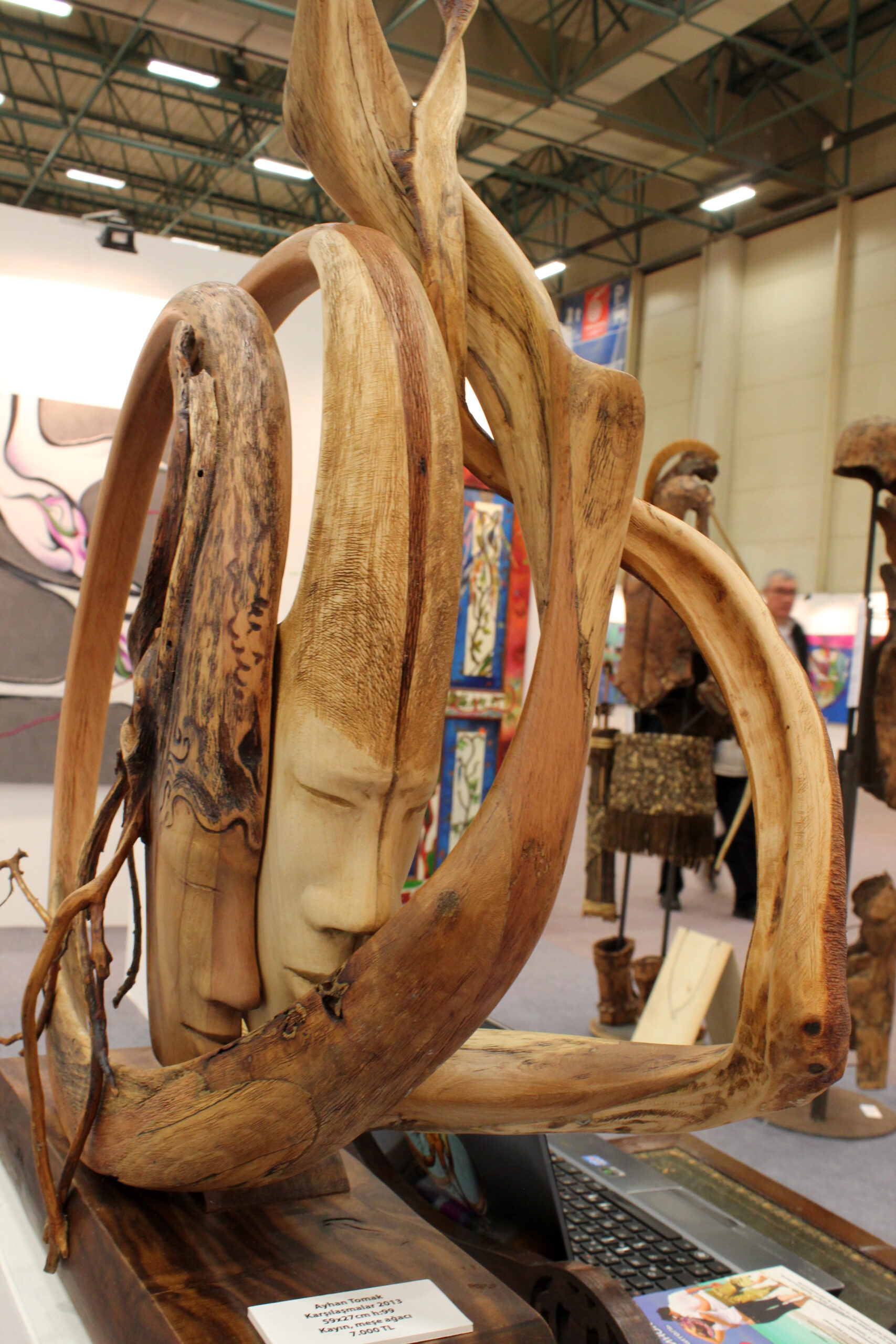
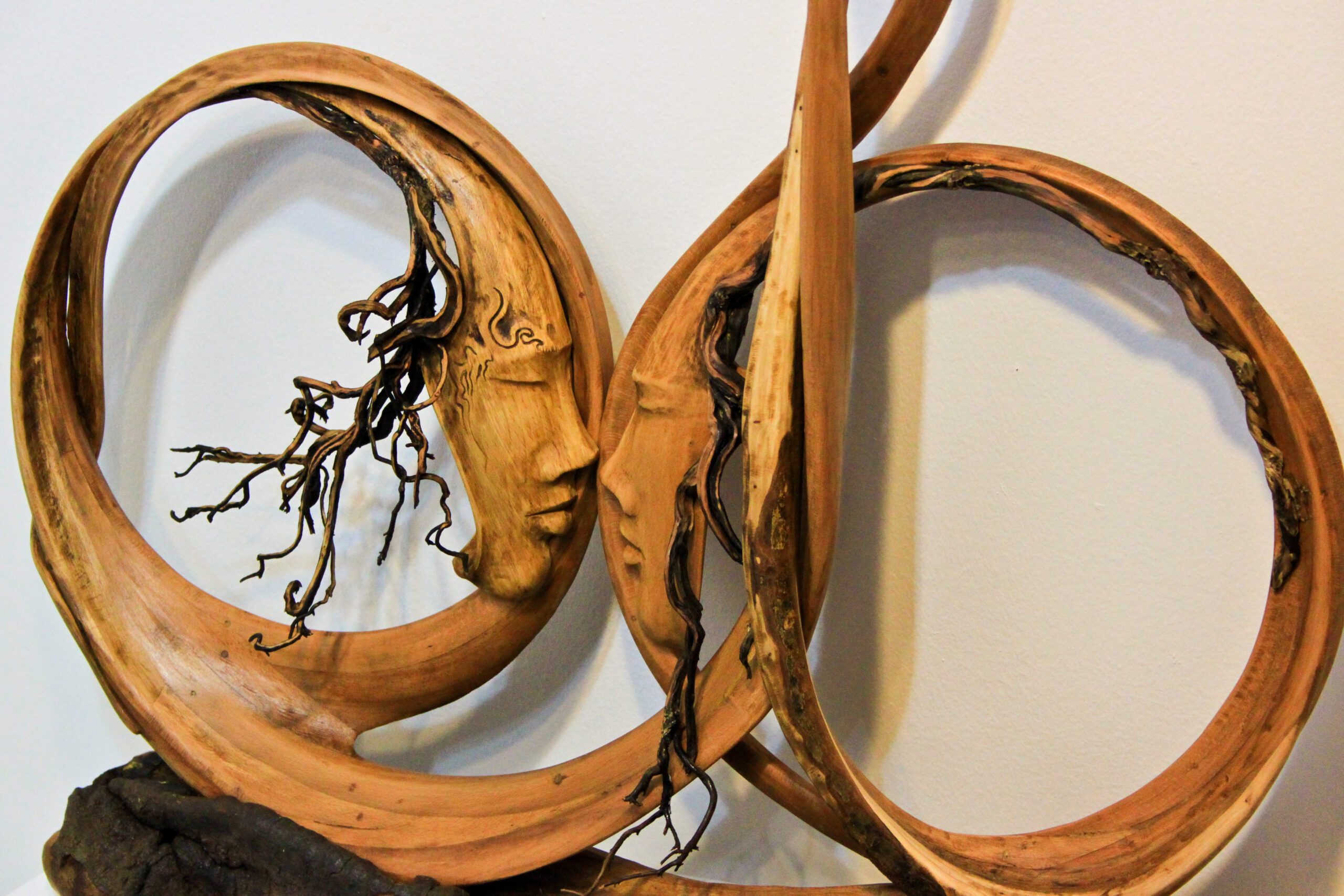
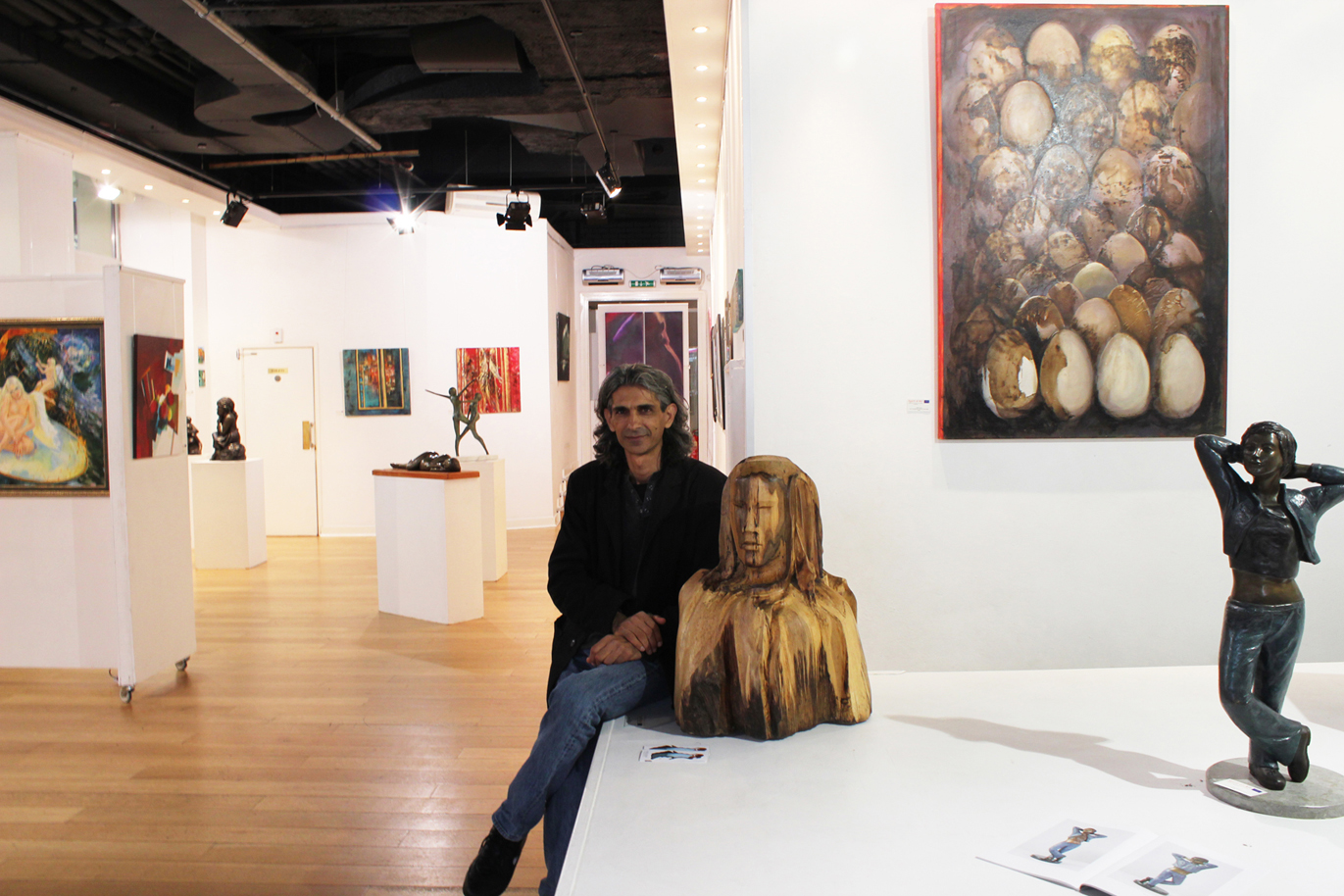
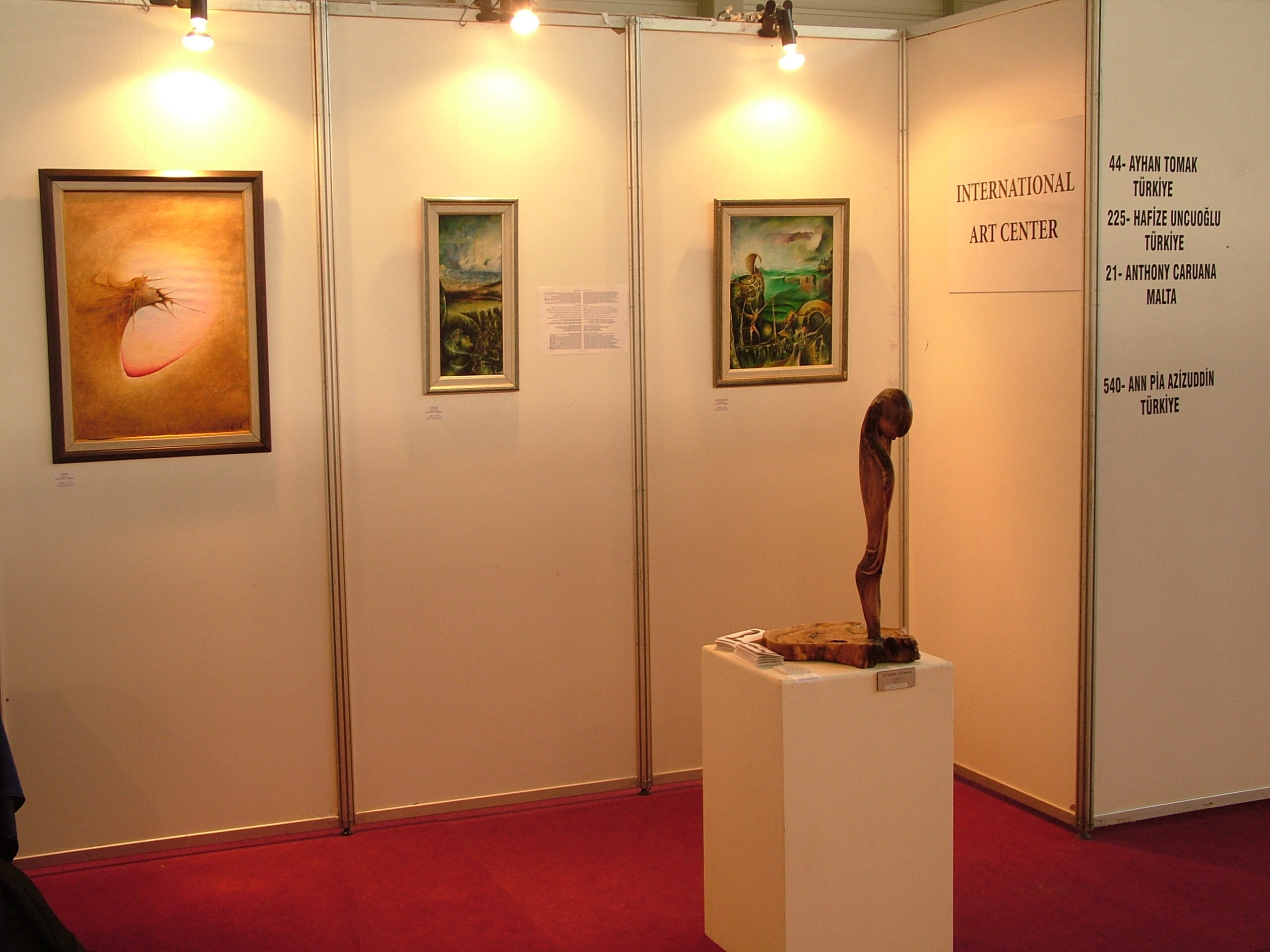
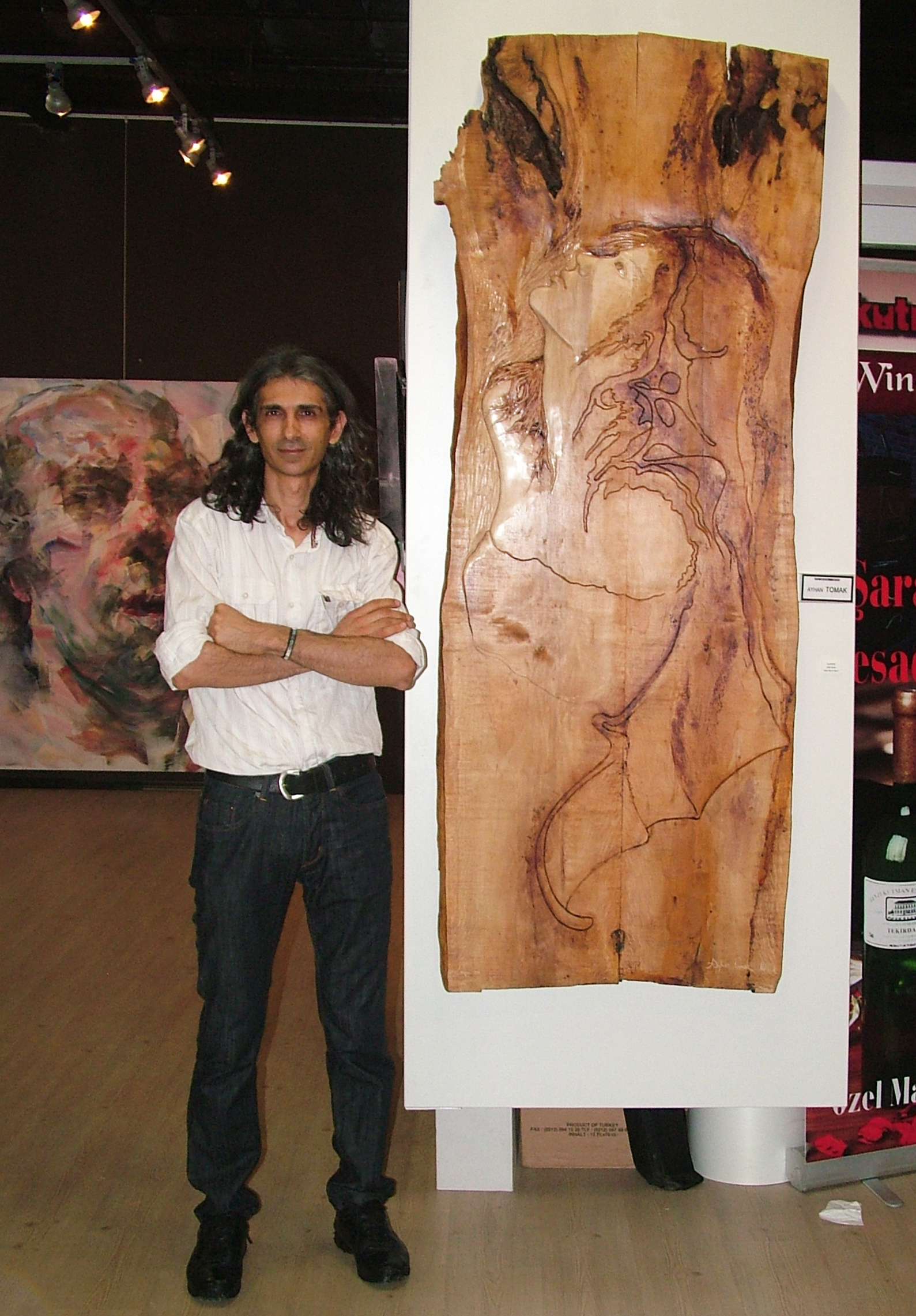
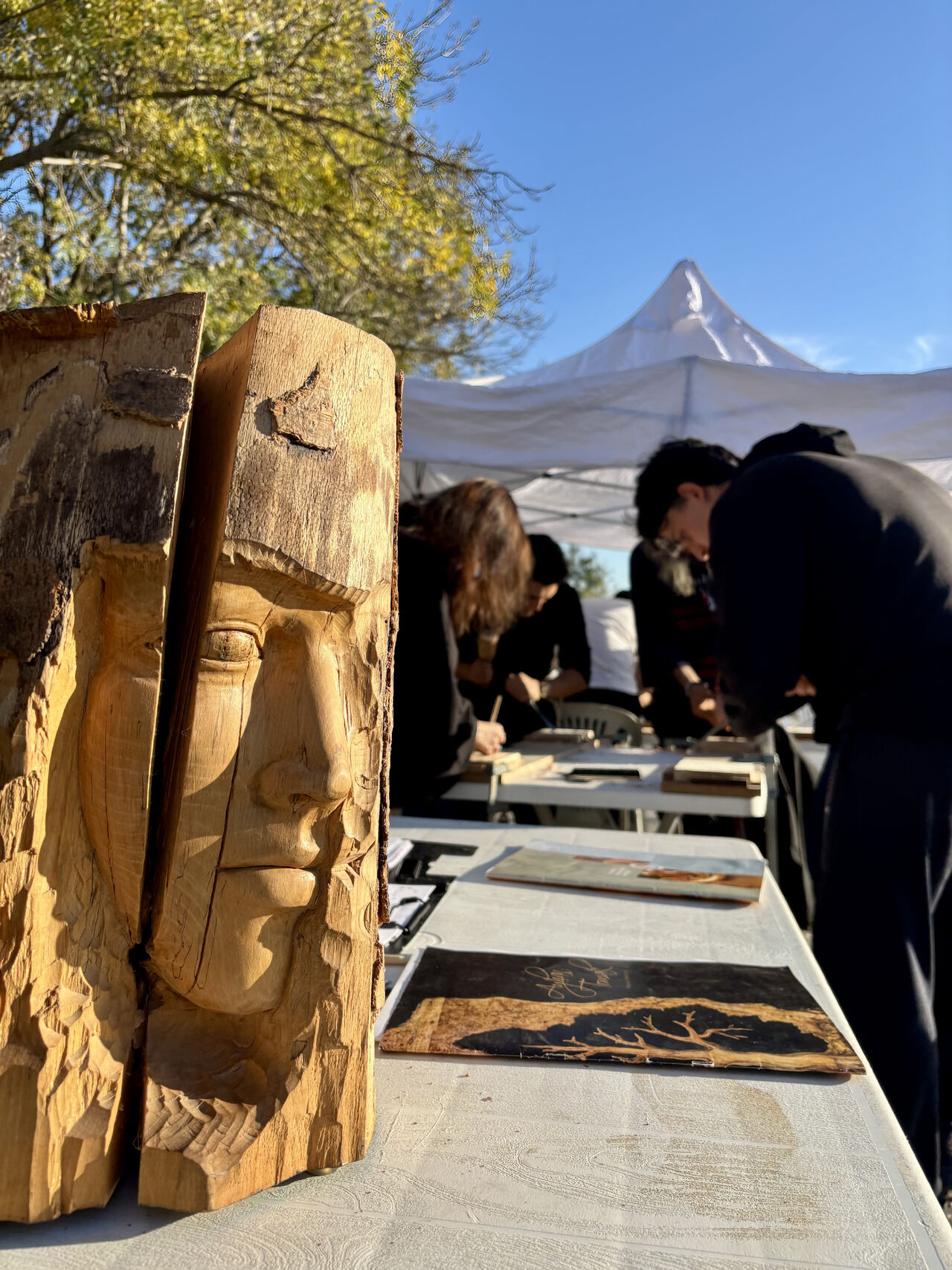
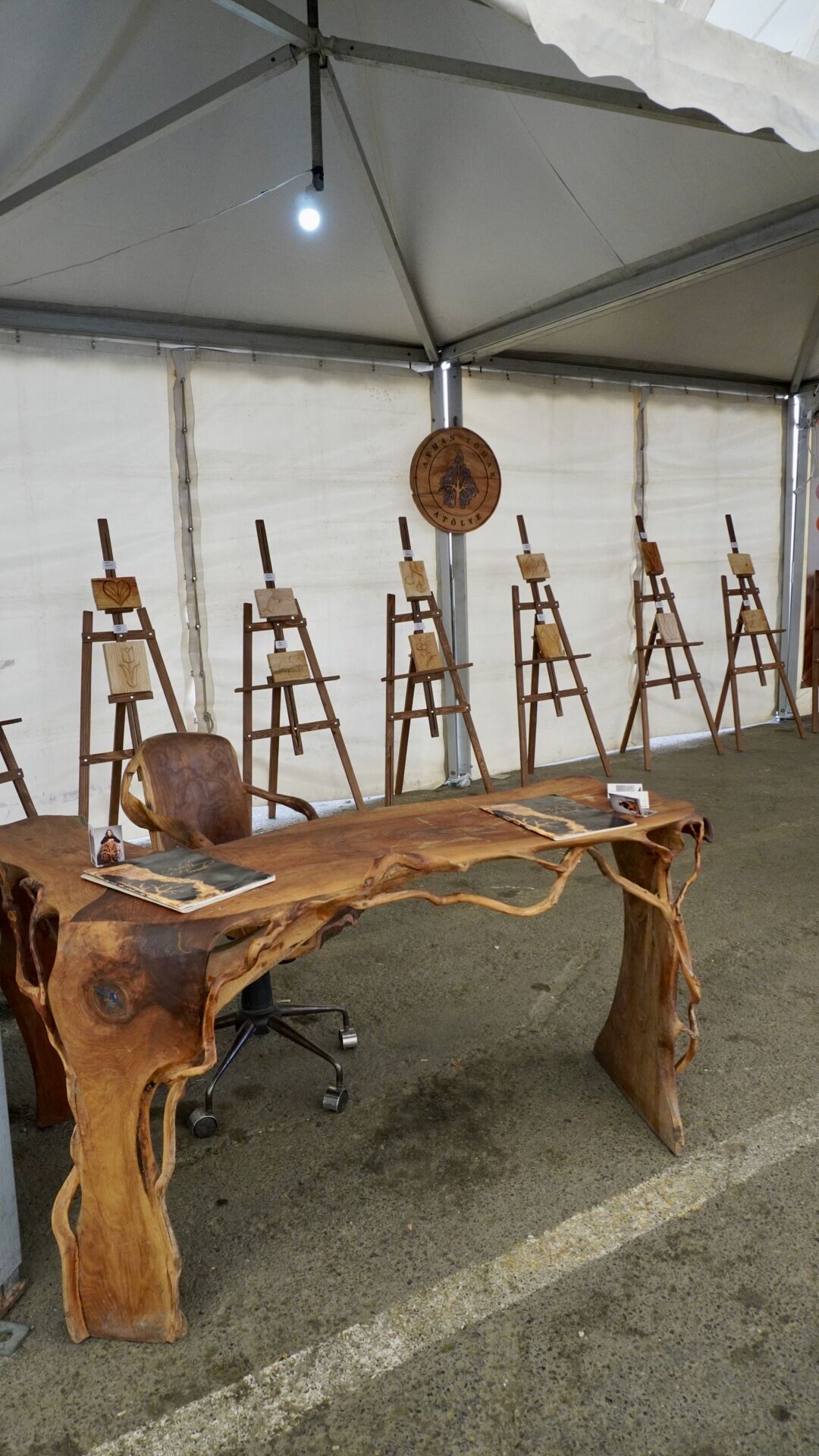
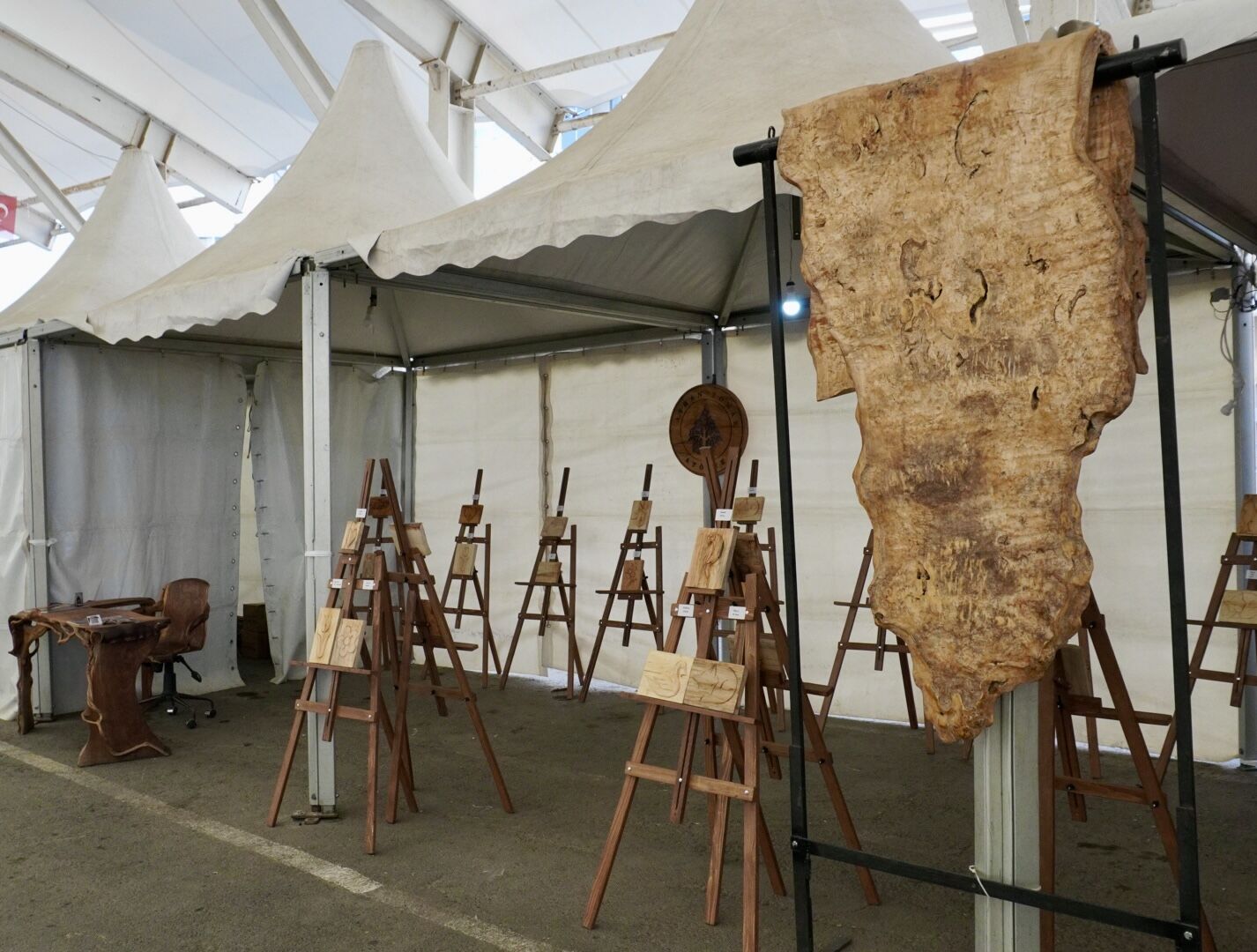
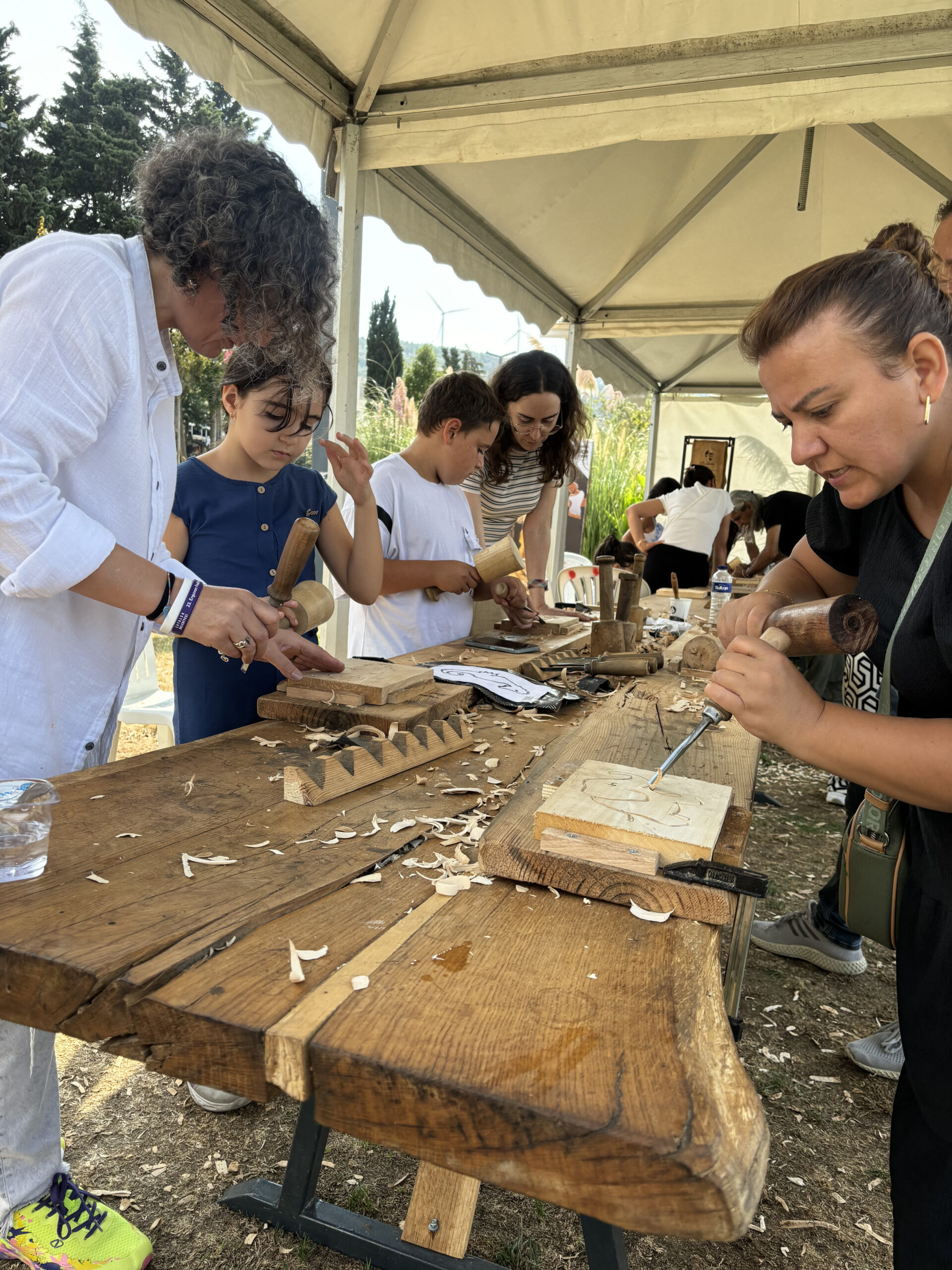
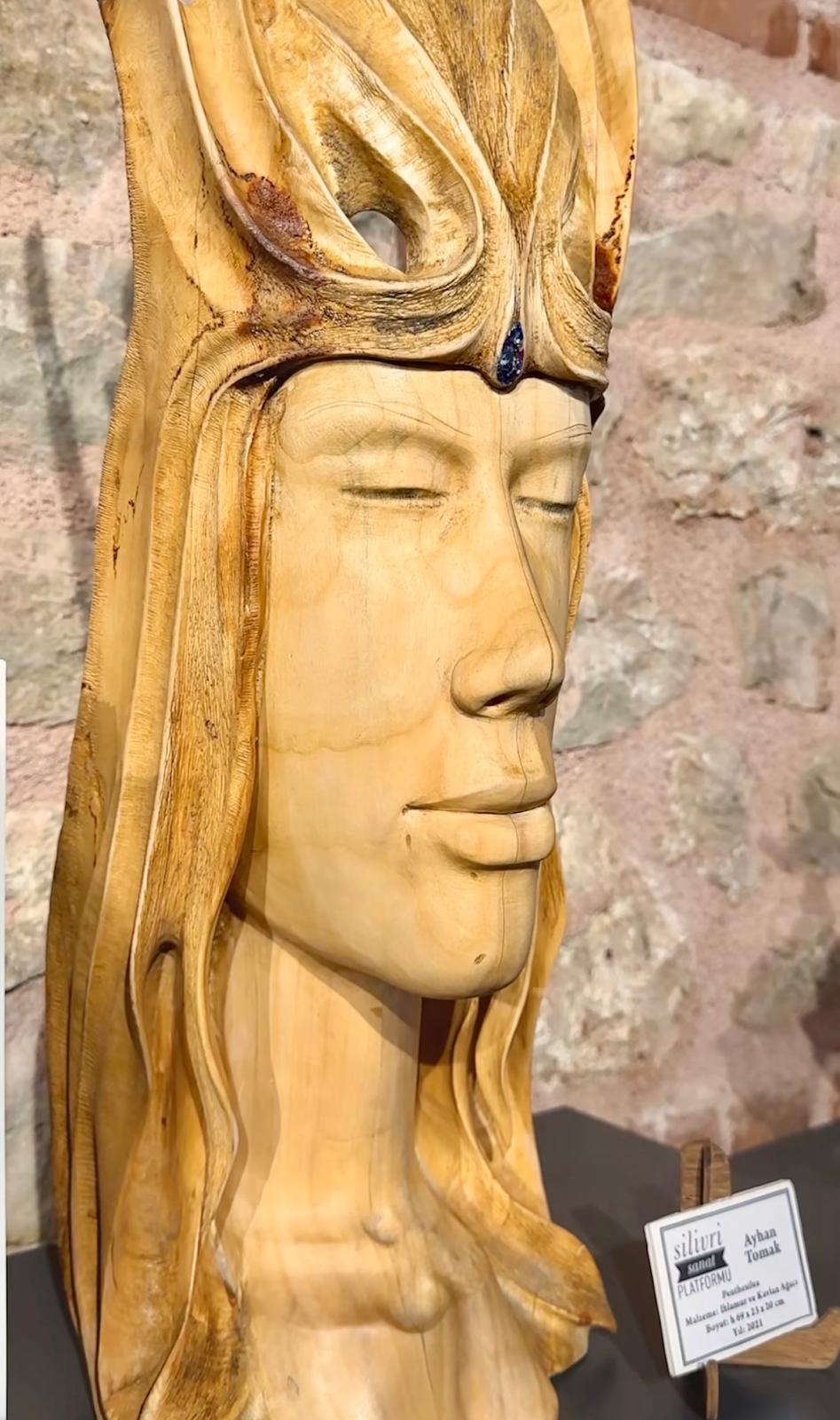
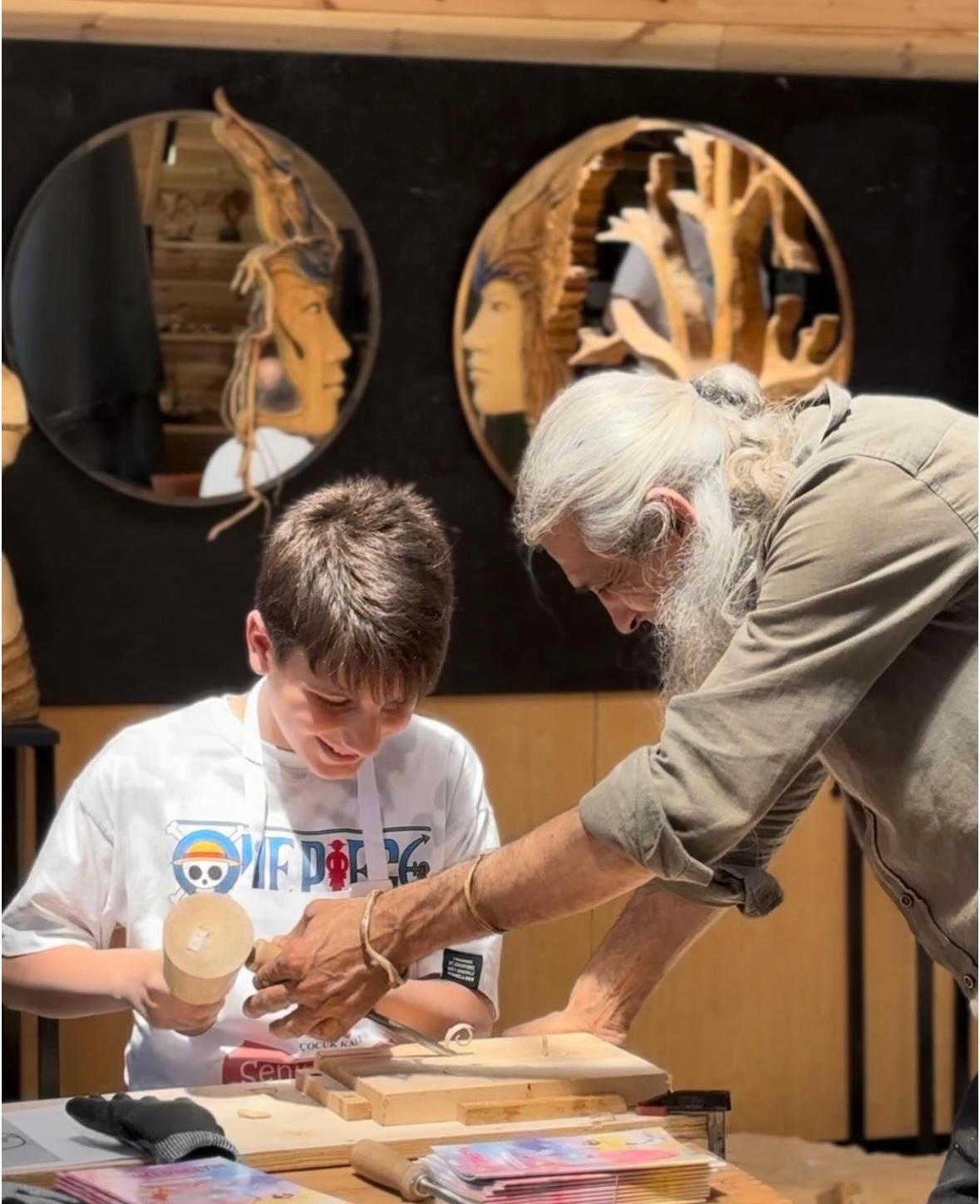
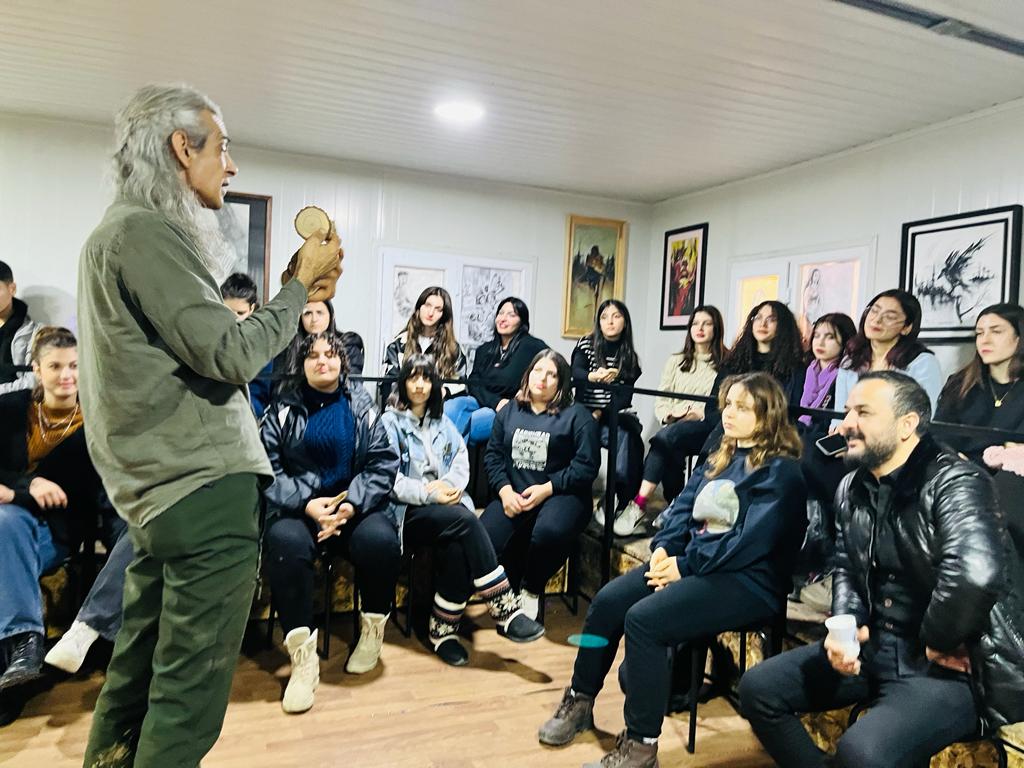
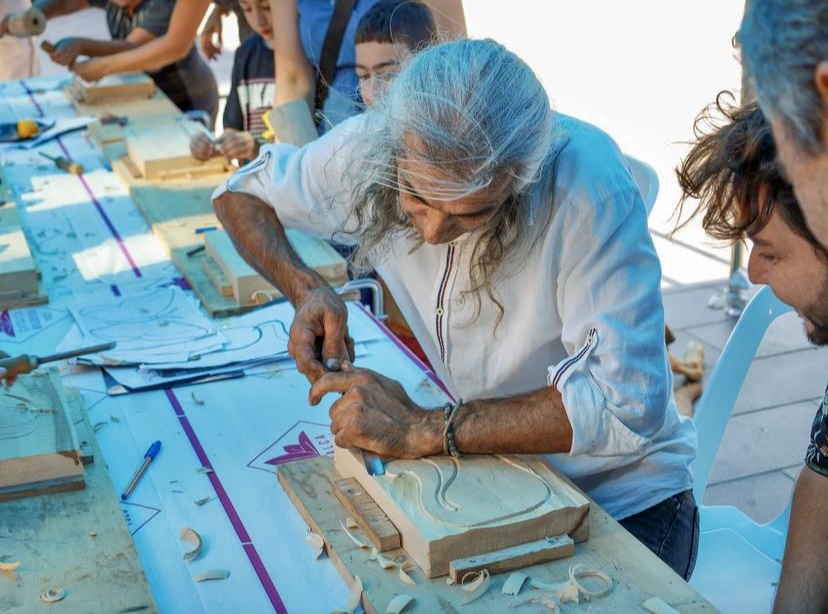
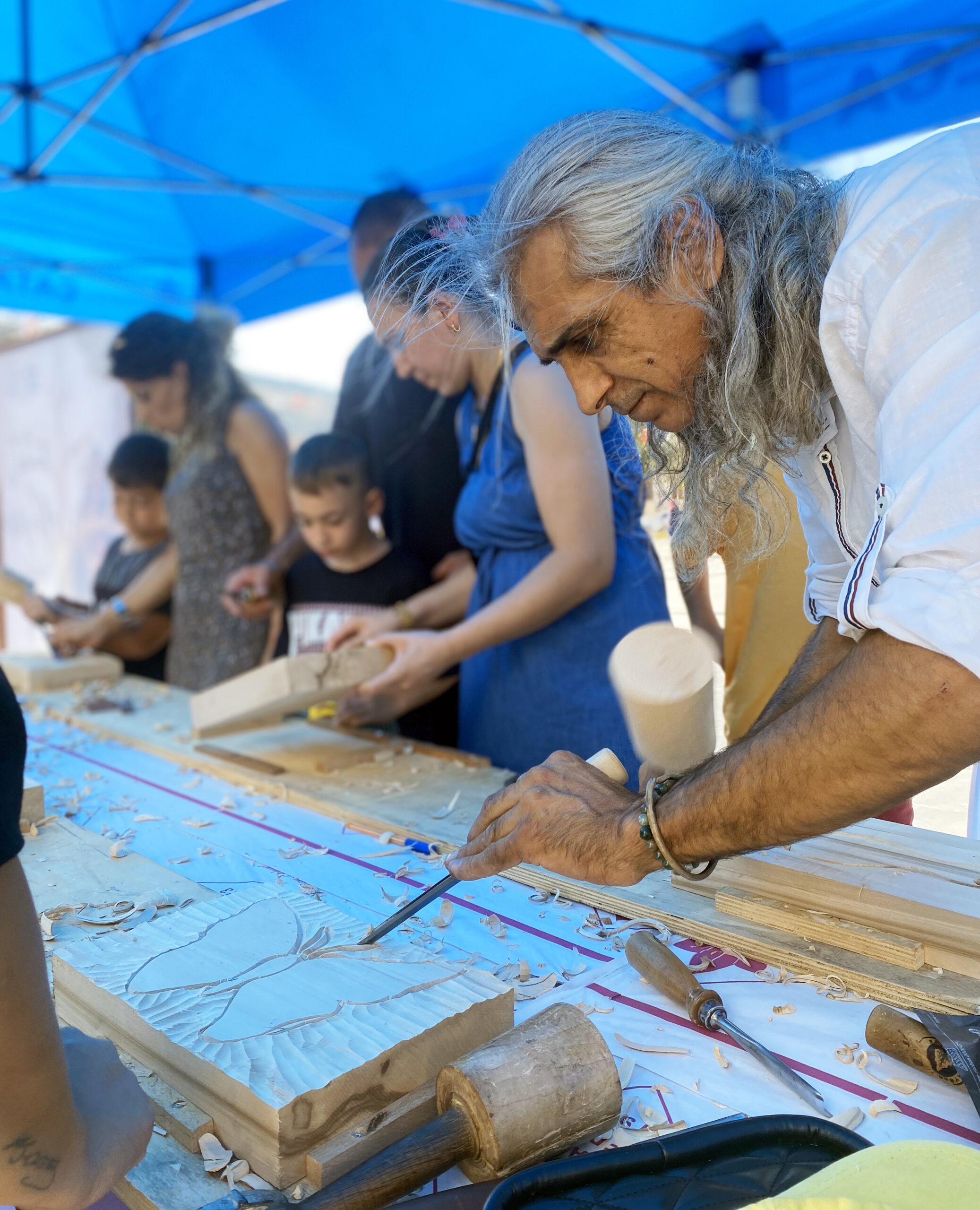
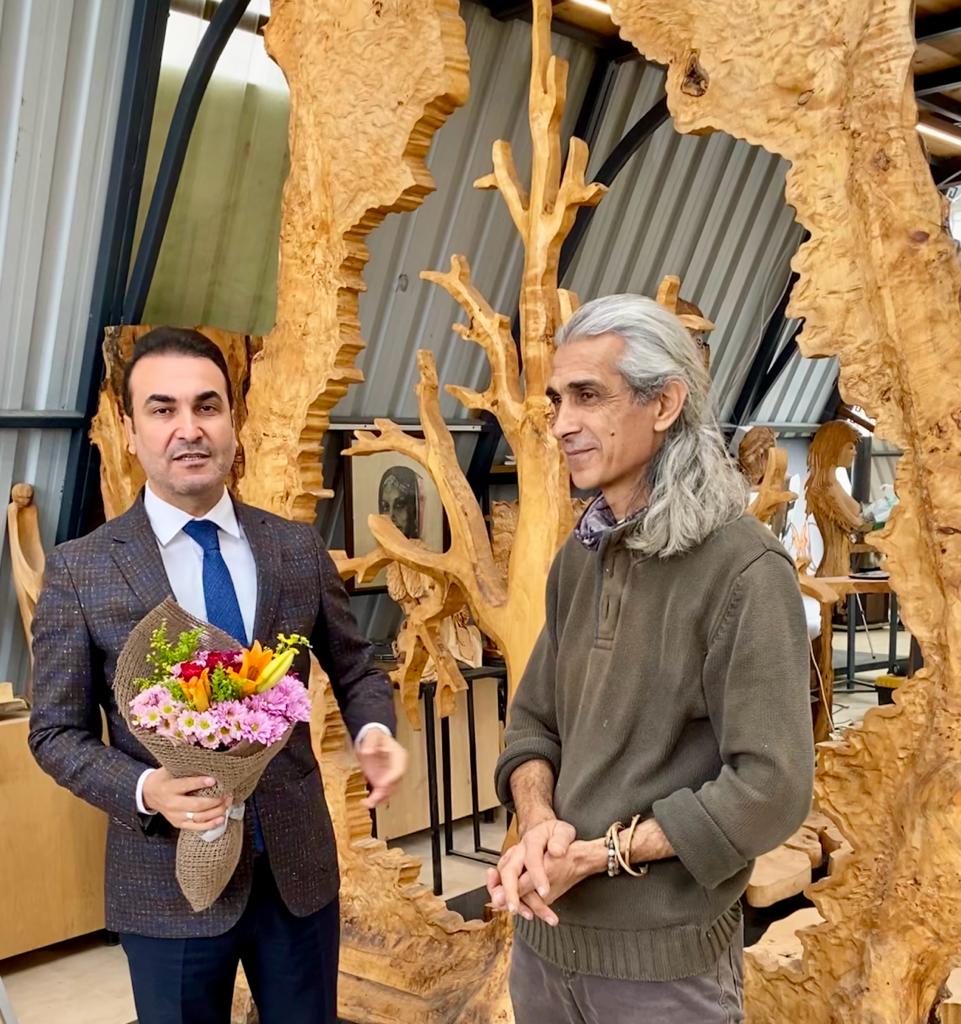
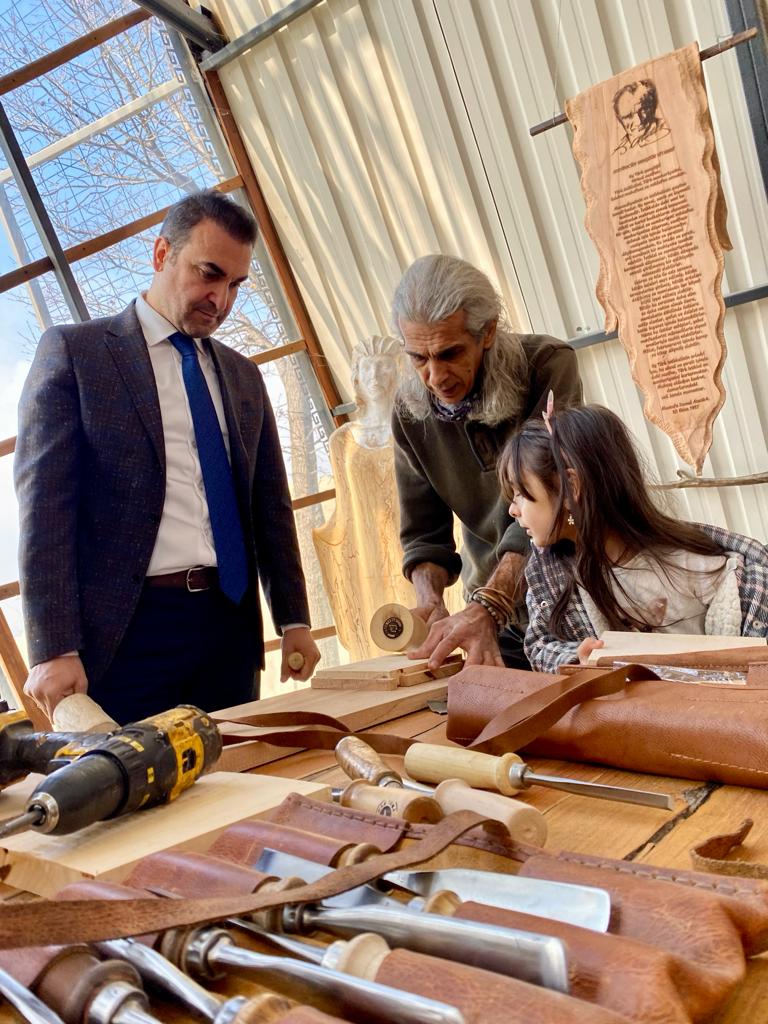
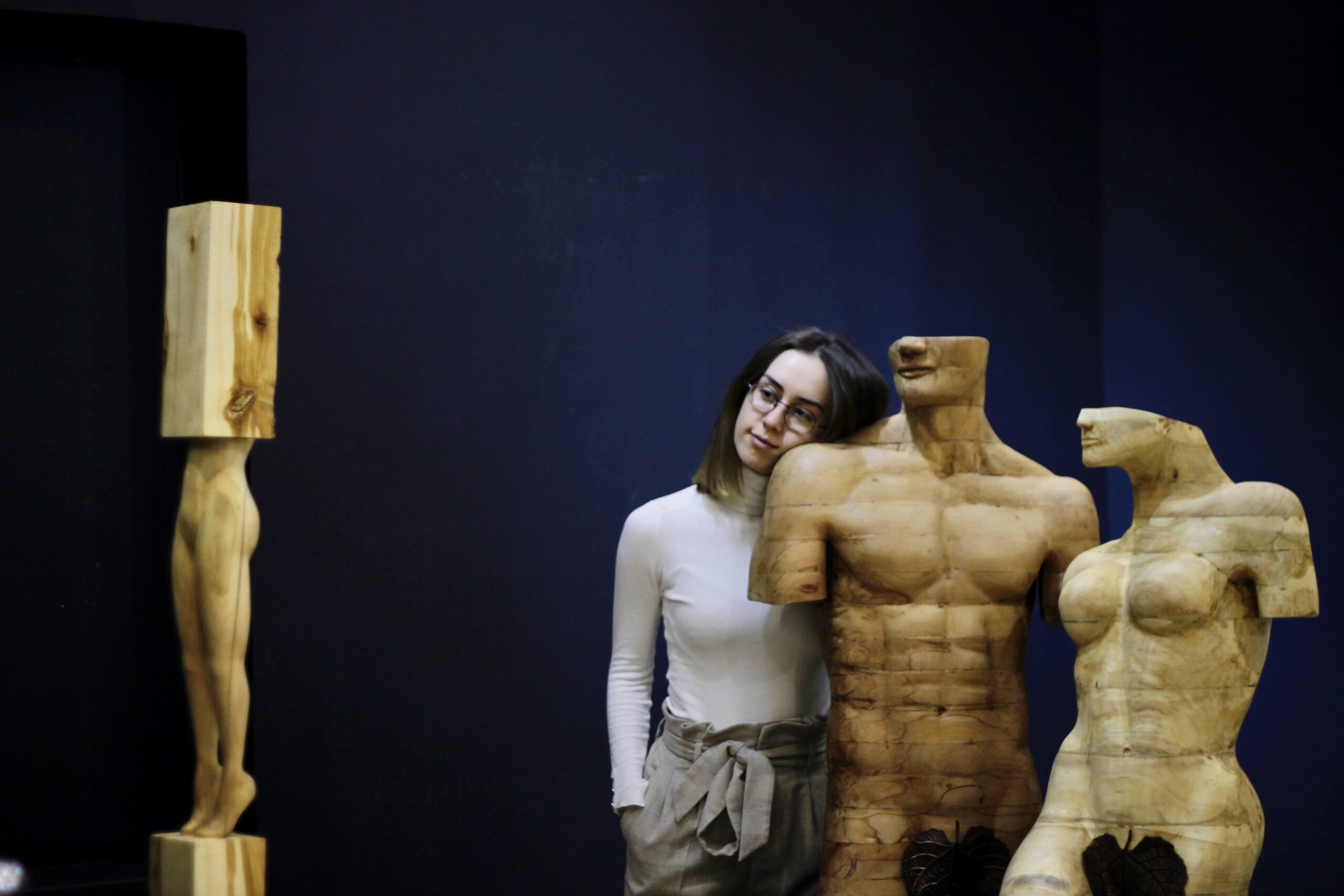
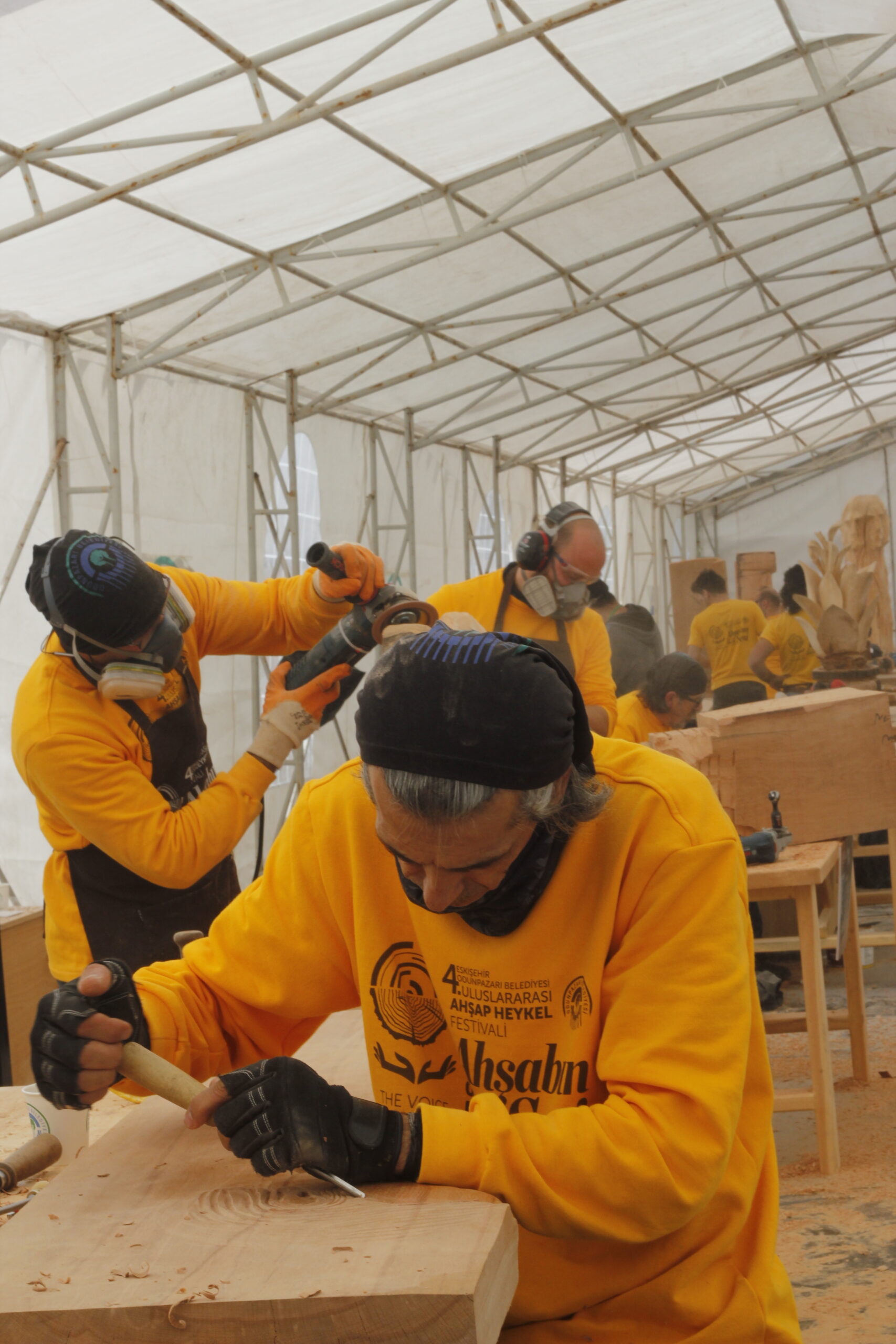
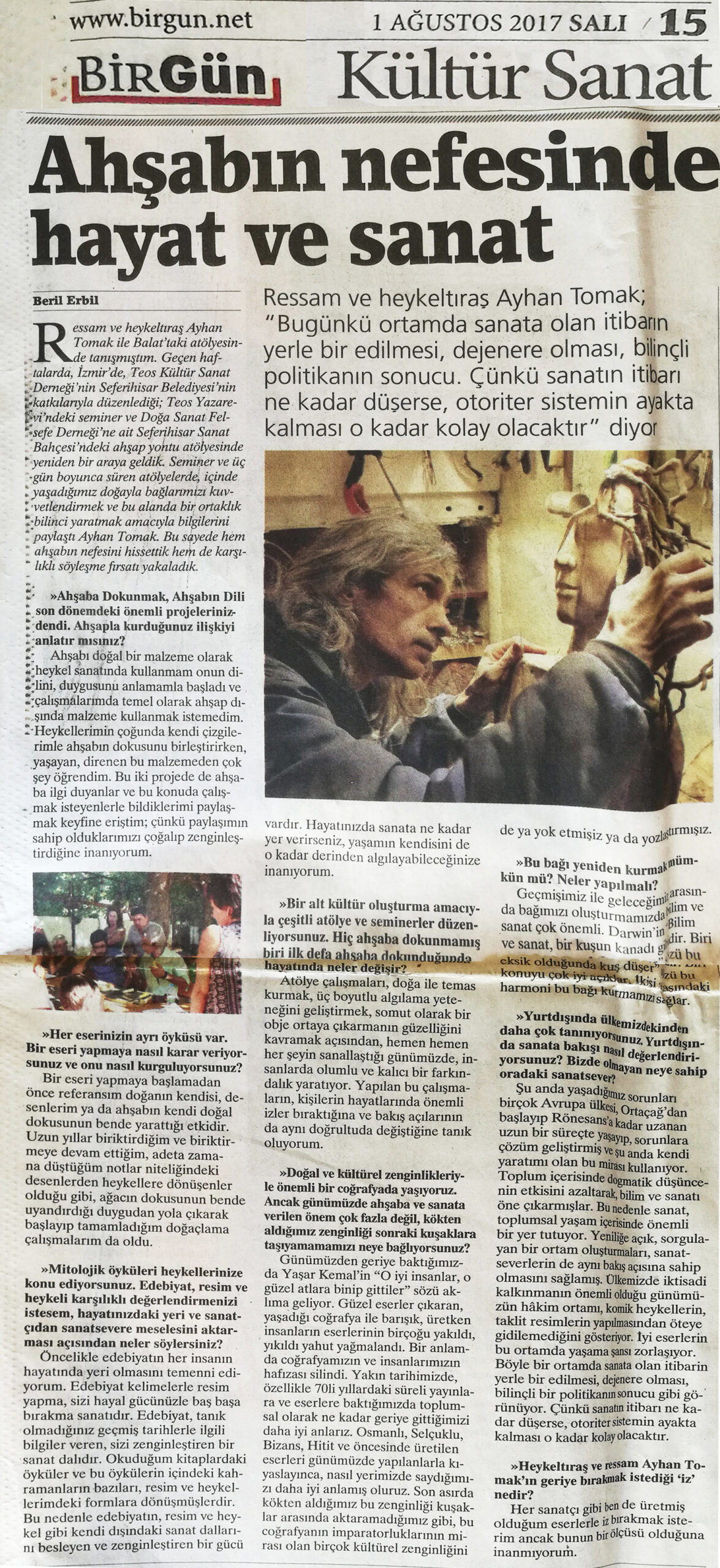
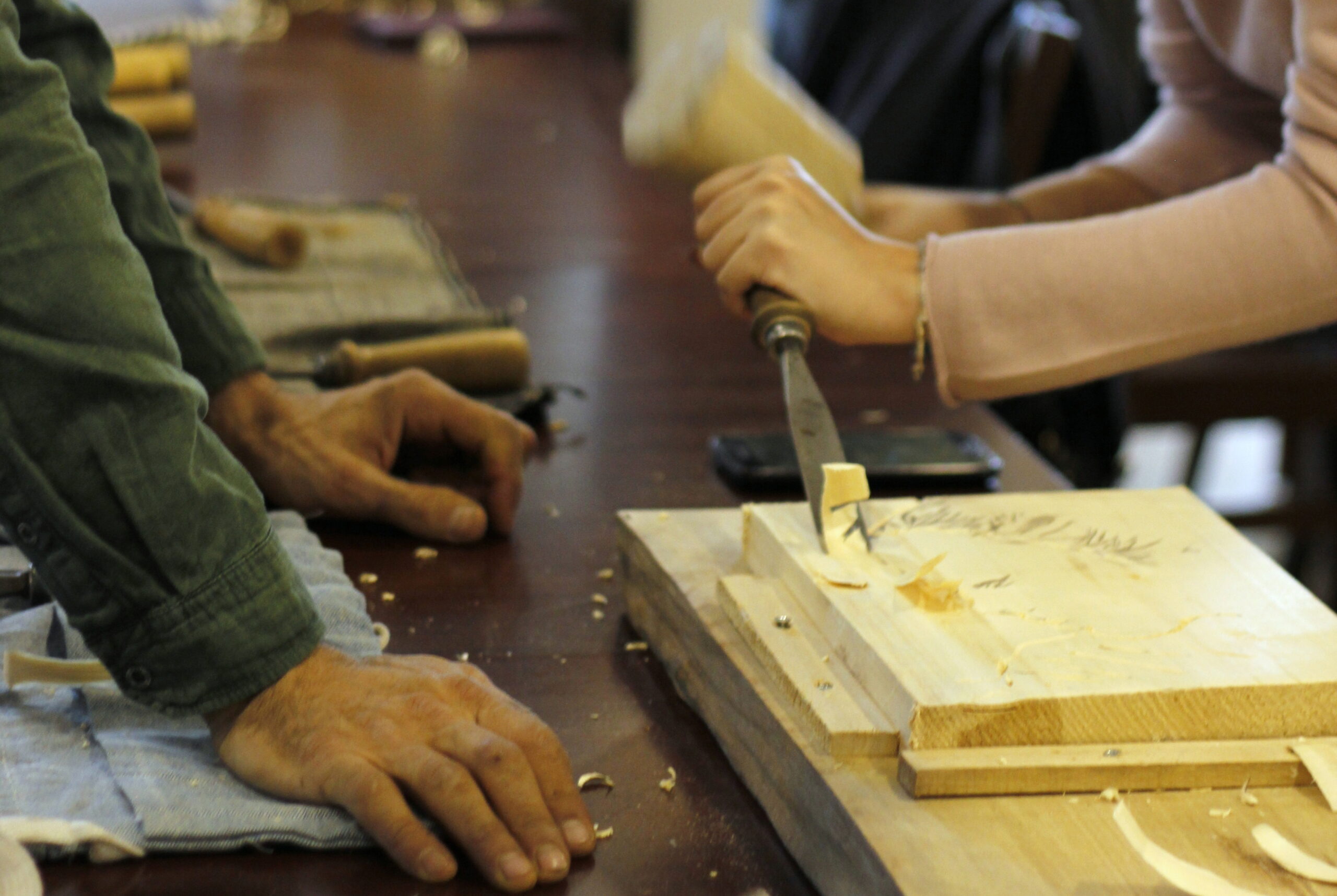
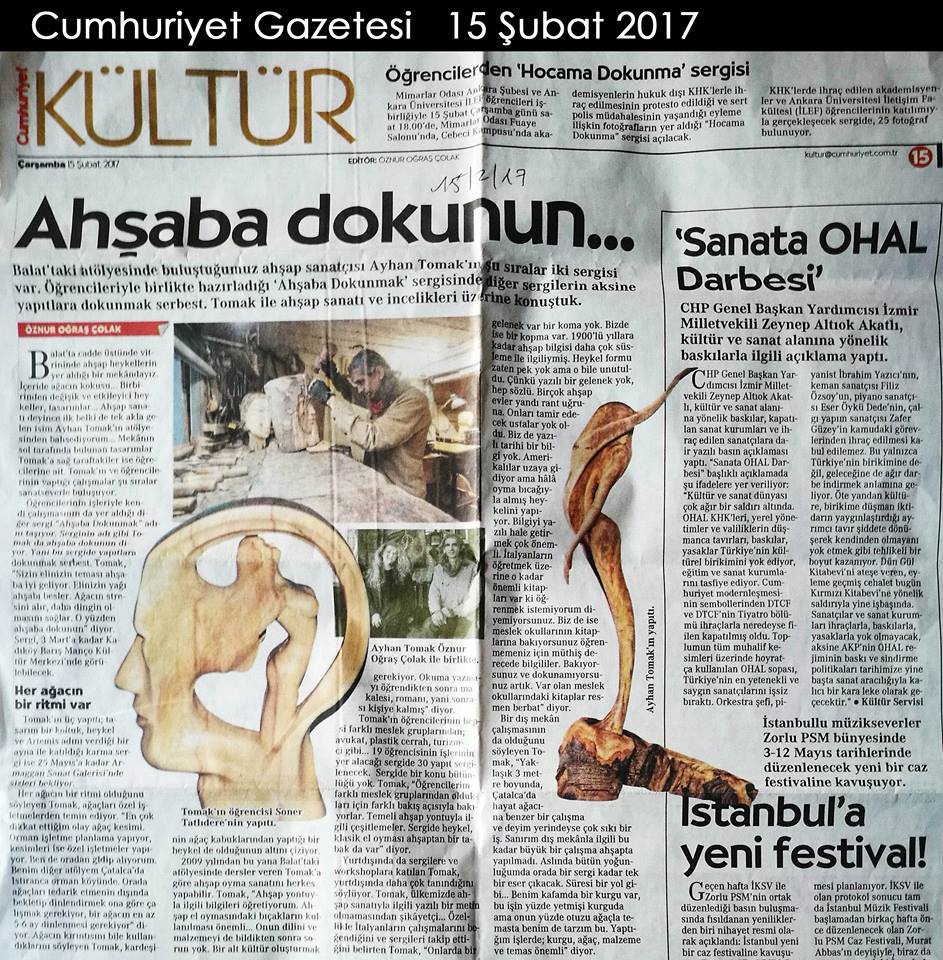
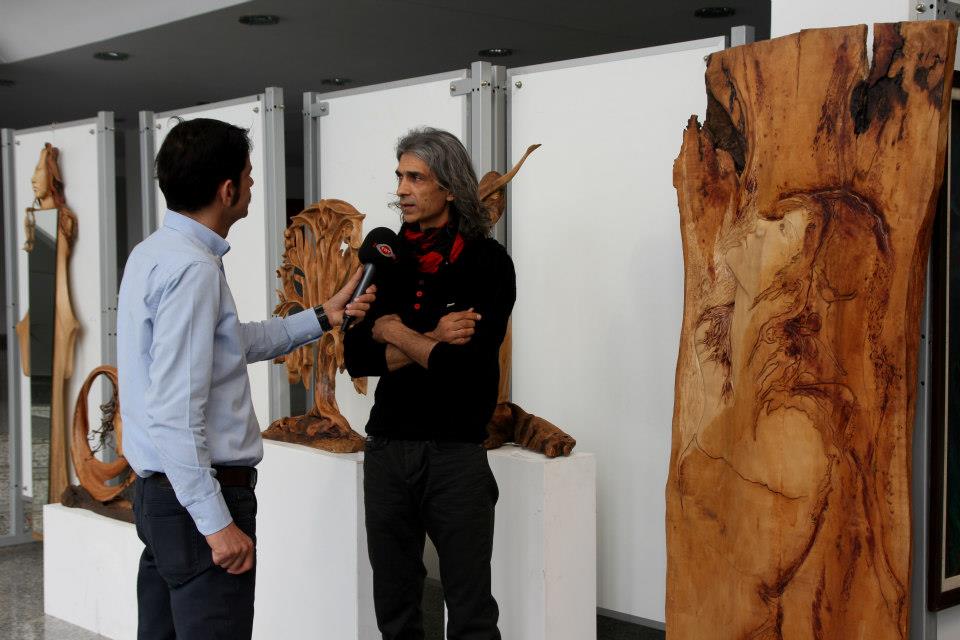
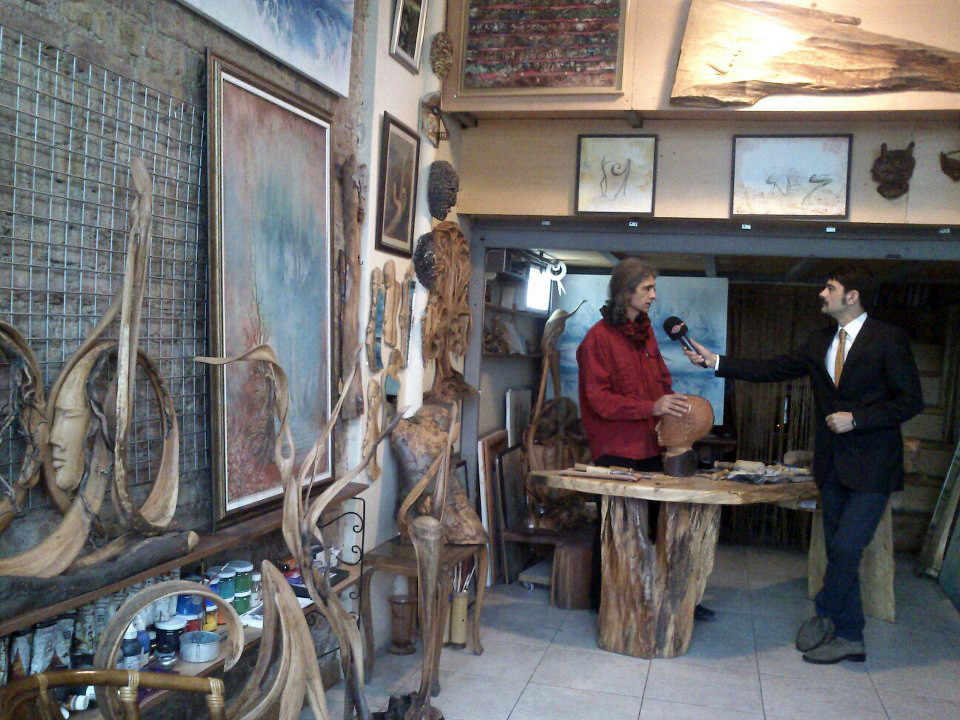
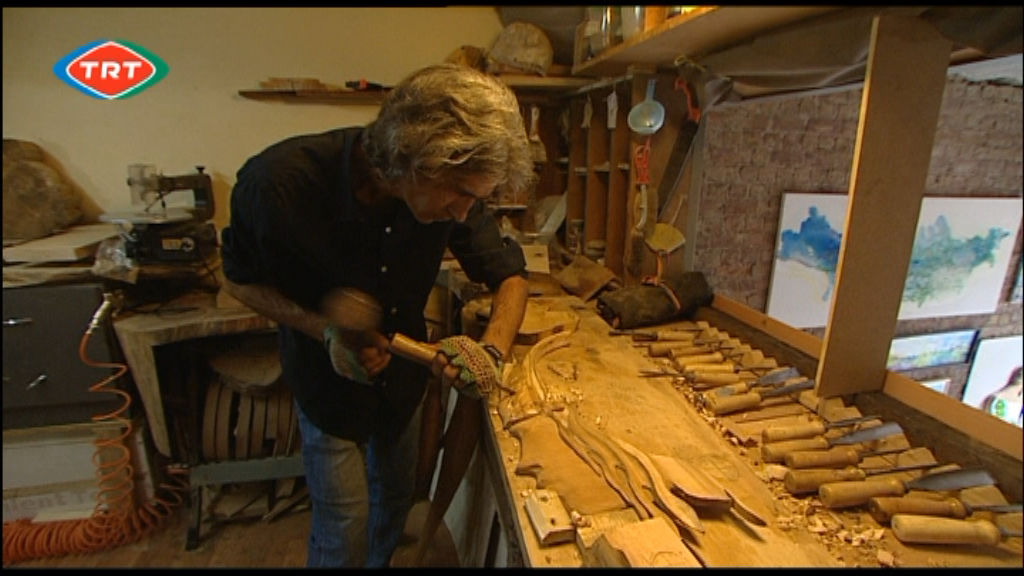
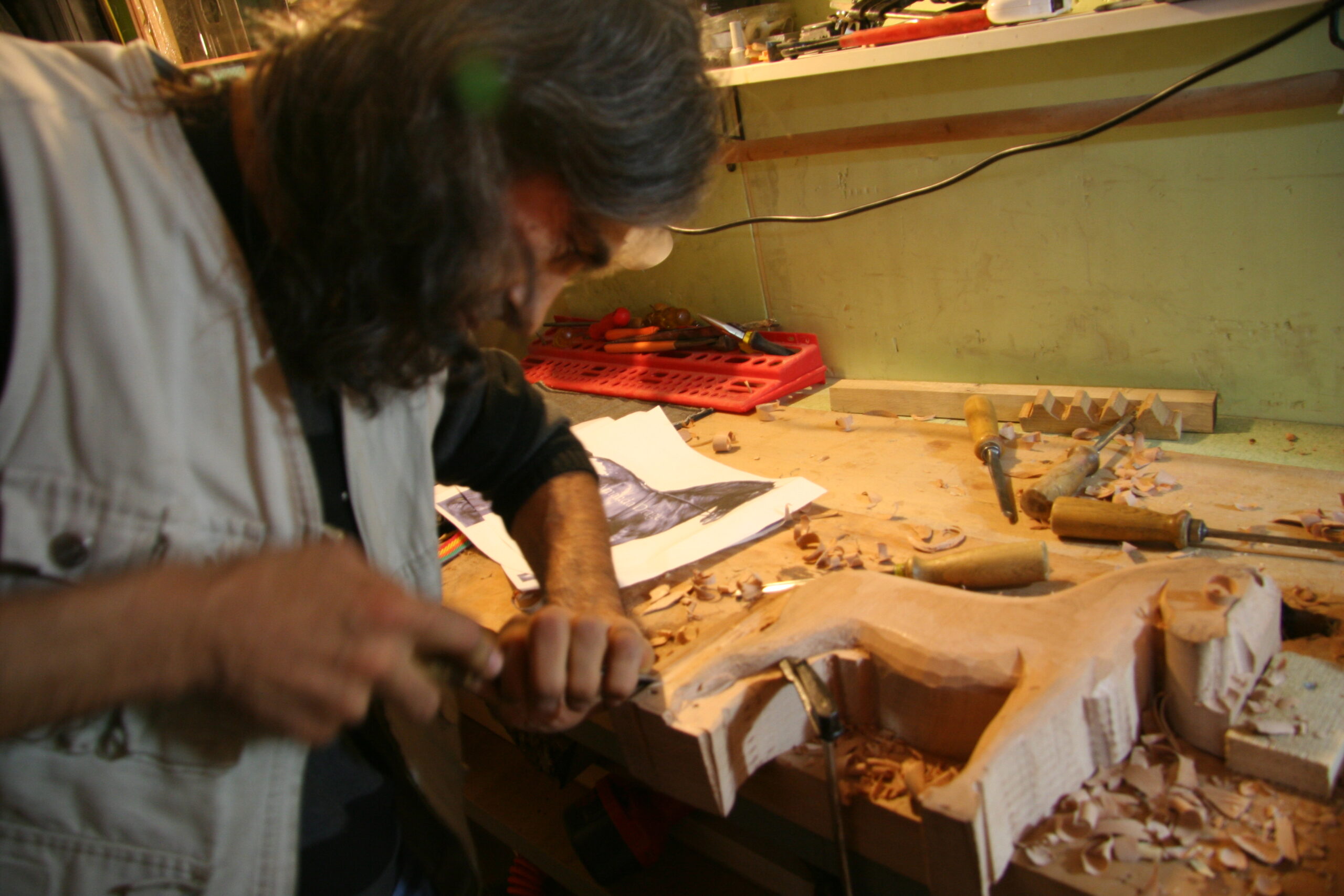
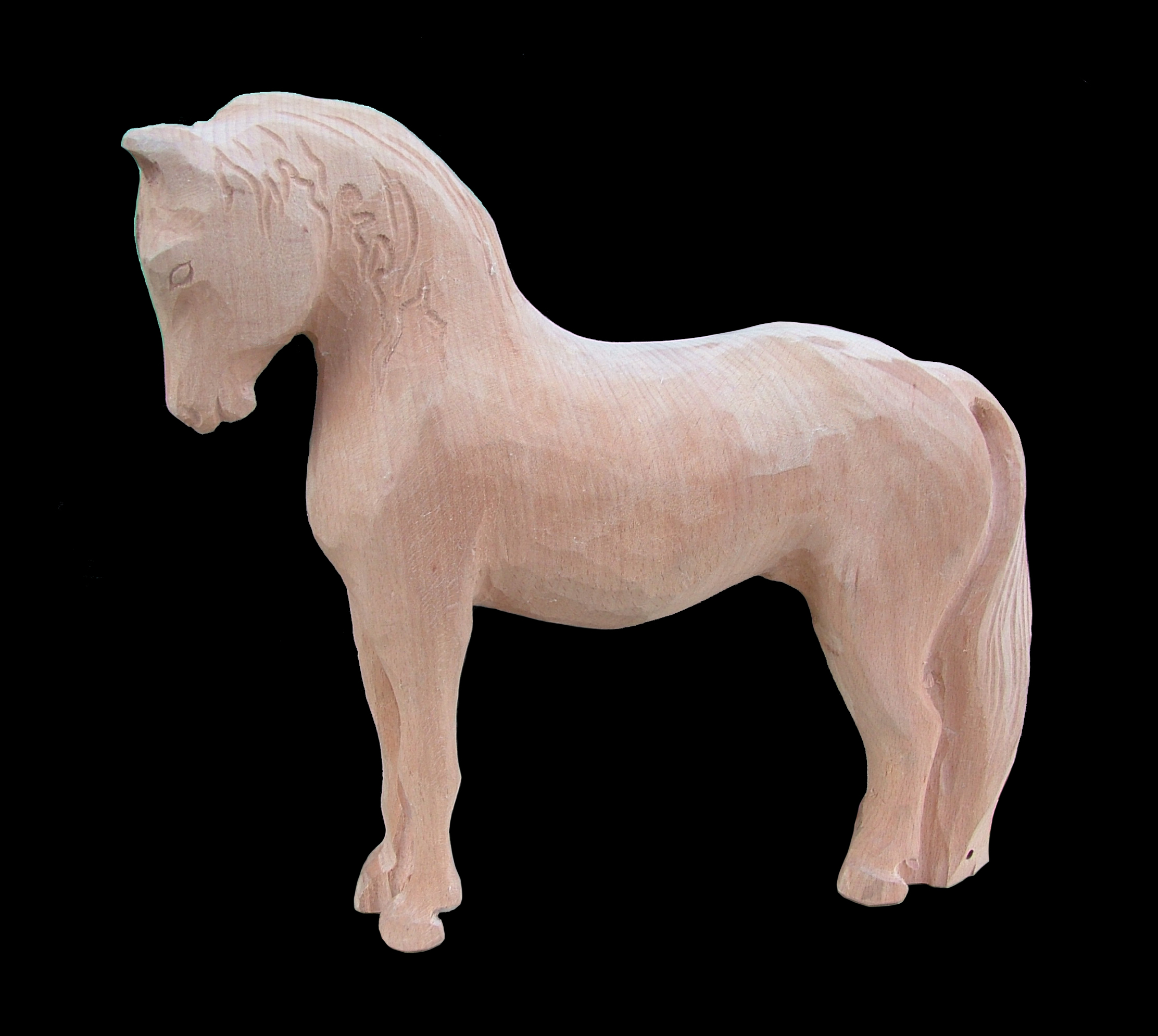
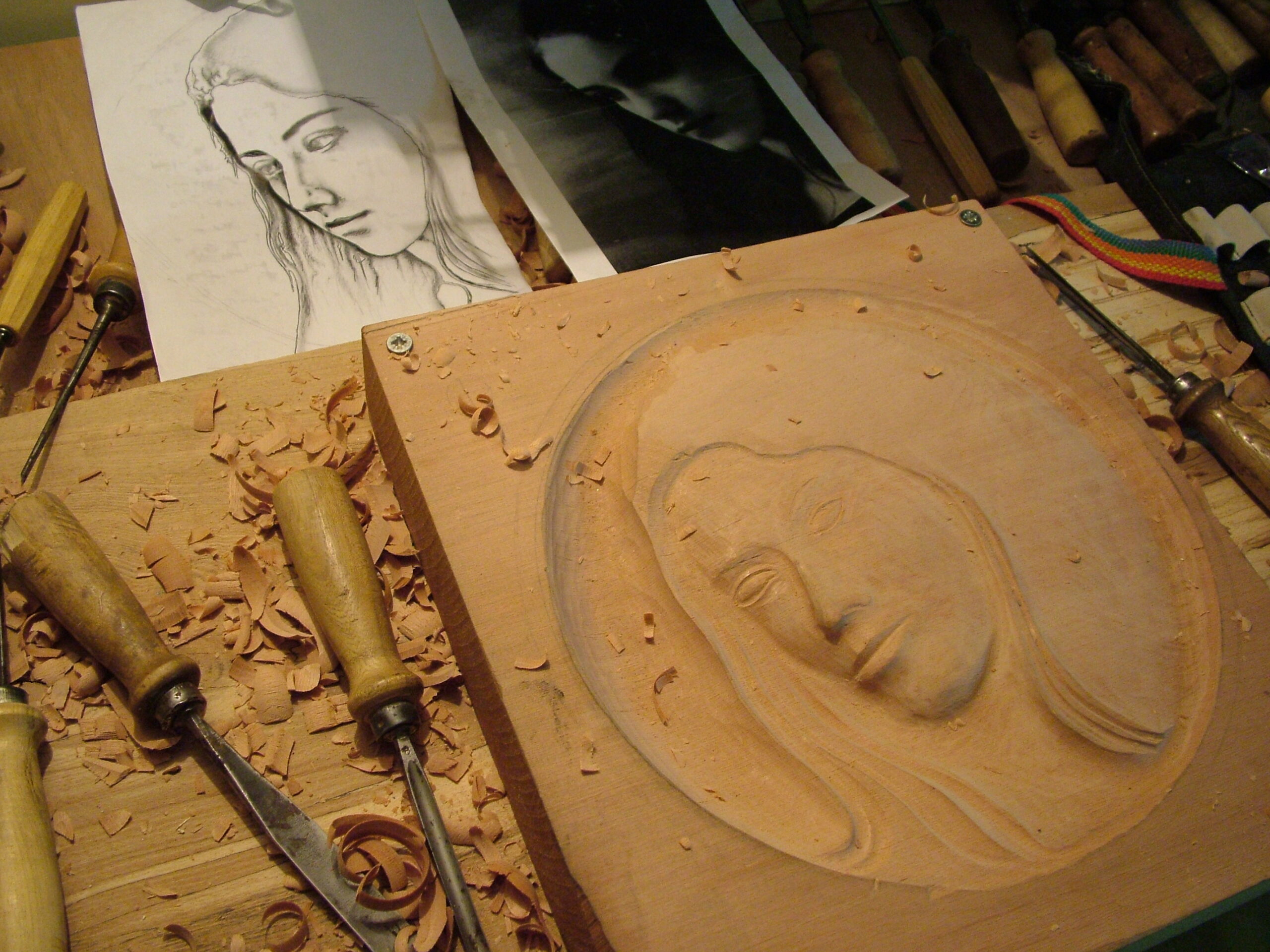
For Tomak, wood is not a surface to be worked upon but a living partner with a memory, a temperament and a rhythm of its own. Every tree has a rhythm, he says. He obtains his timber from forestry enterprises and private suppliers and lets it wait and rest at his workshop in the Istranca forest village of Çatalca; a tree, he explains, needs at least five or six months of rest. He is careful to point out that not even the smallest fragment of it goes unused. Perhaps his best-loved remark is an invitation that makes the visitor a partner in the work: touch. “Touch the wood,” he says; the contact of a hand does the wood good, the oil of your skin feeds it, draws off the tree’s stress and leaves it calmer. This is less a piece of technical knowledge than a way of seeing the world: to keep art not behind glass but in contact, within life.
Mythology, mirrors and peace: the story the form carries
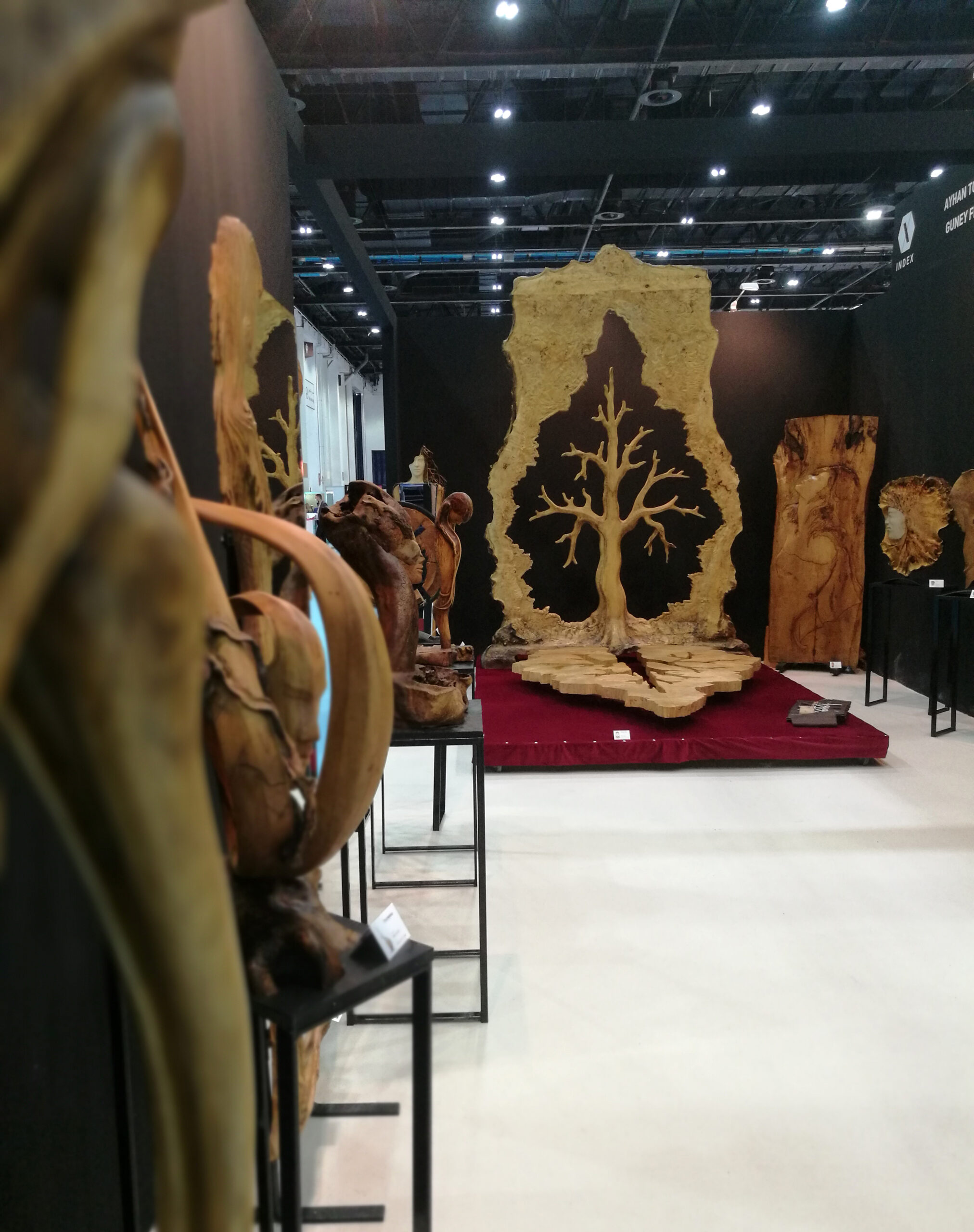
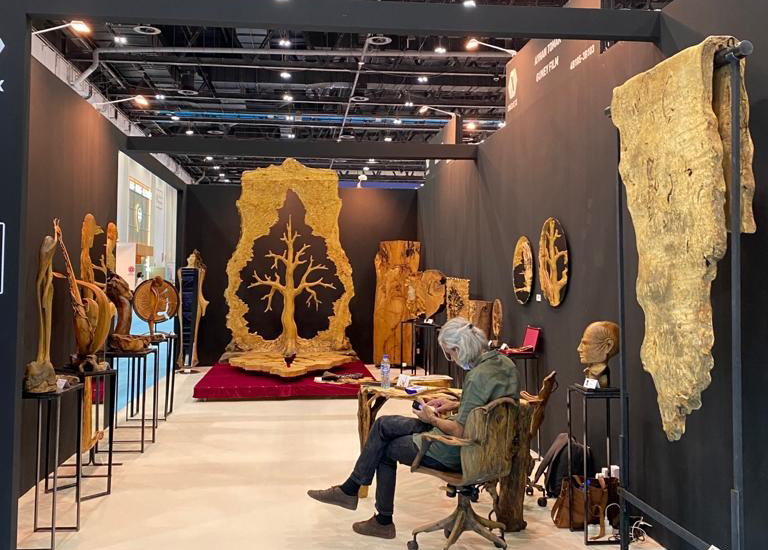
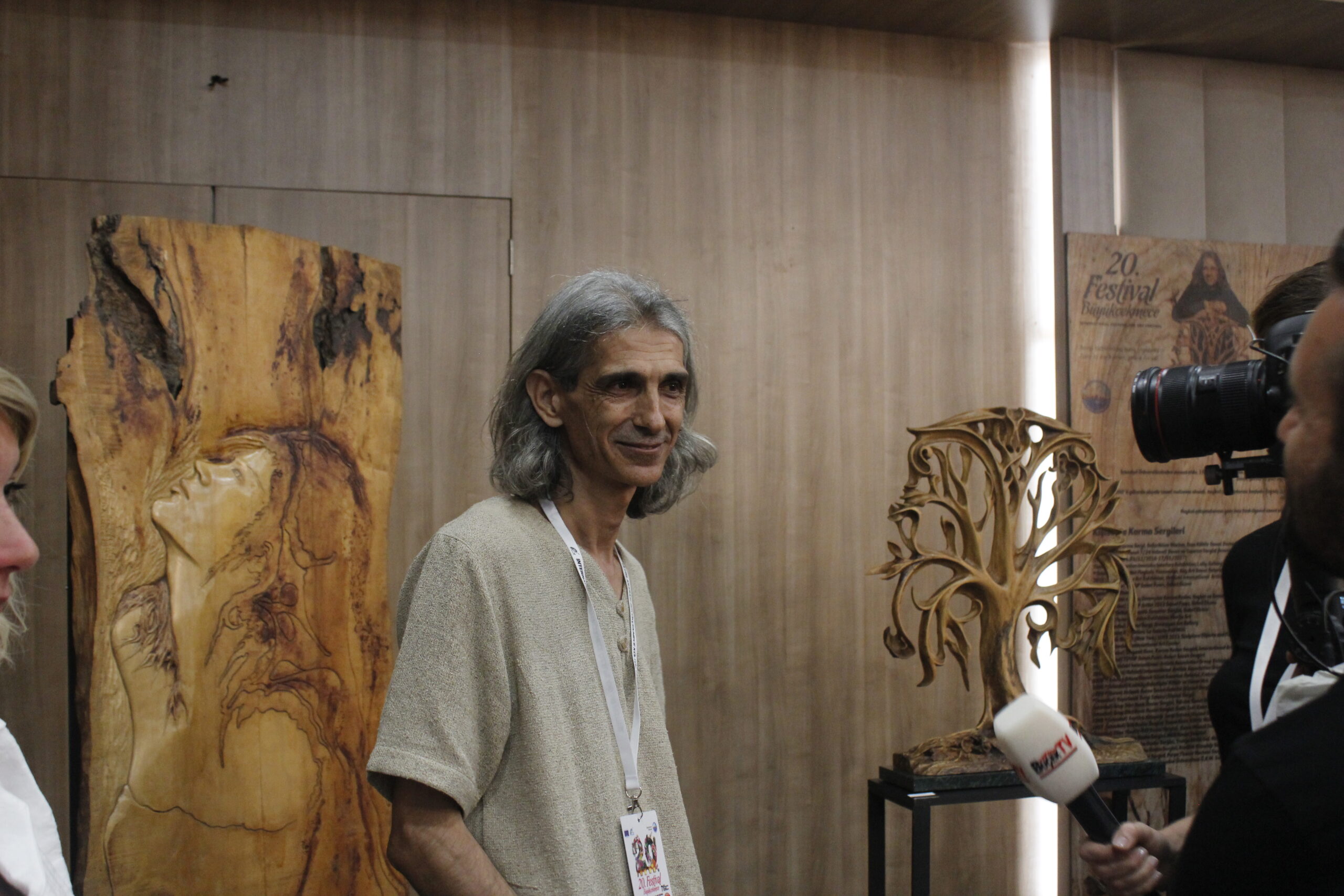
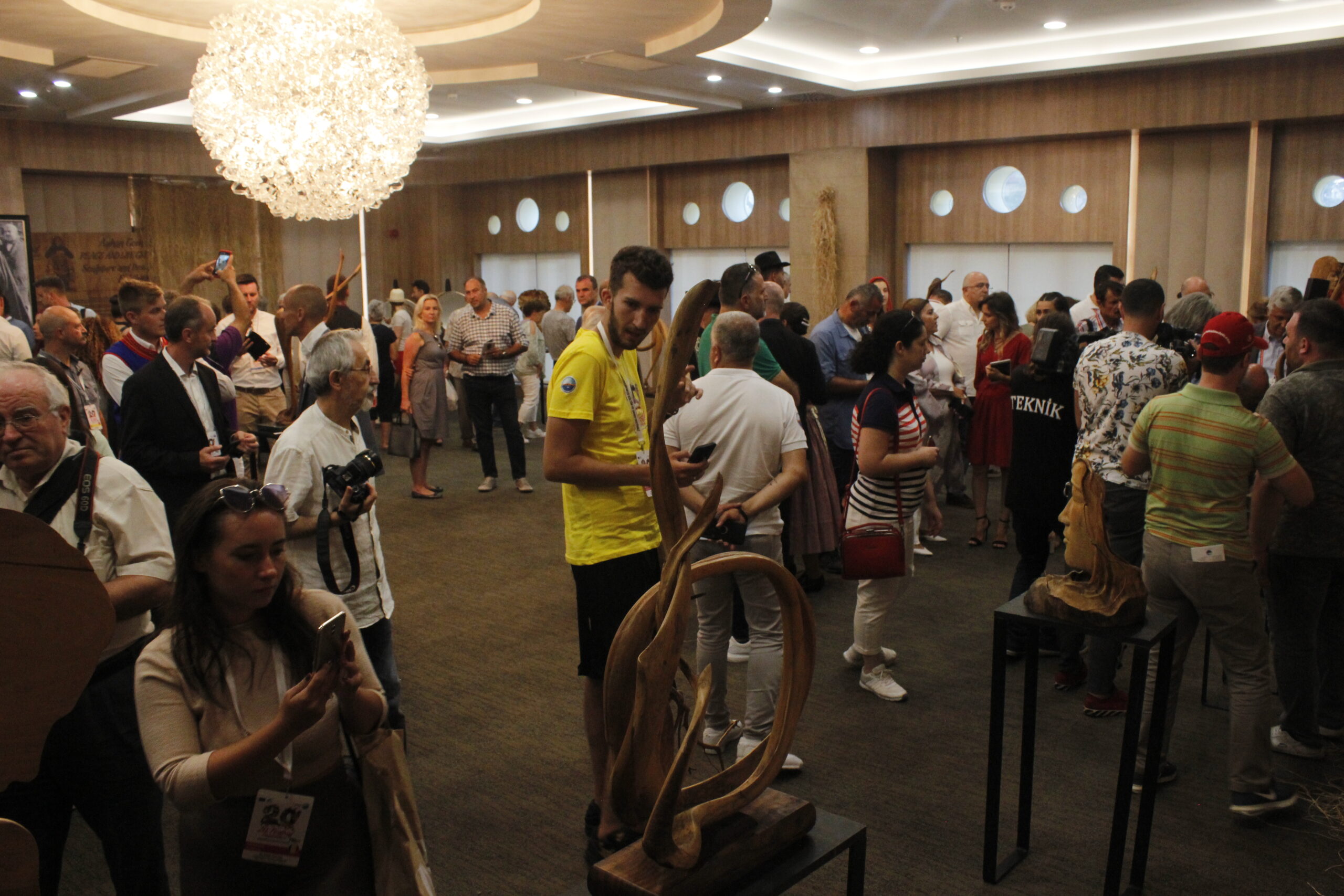
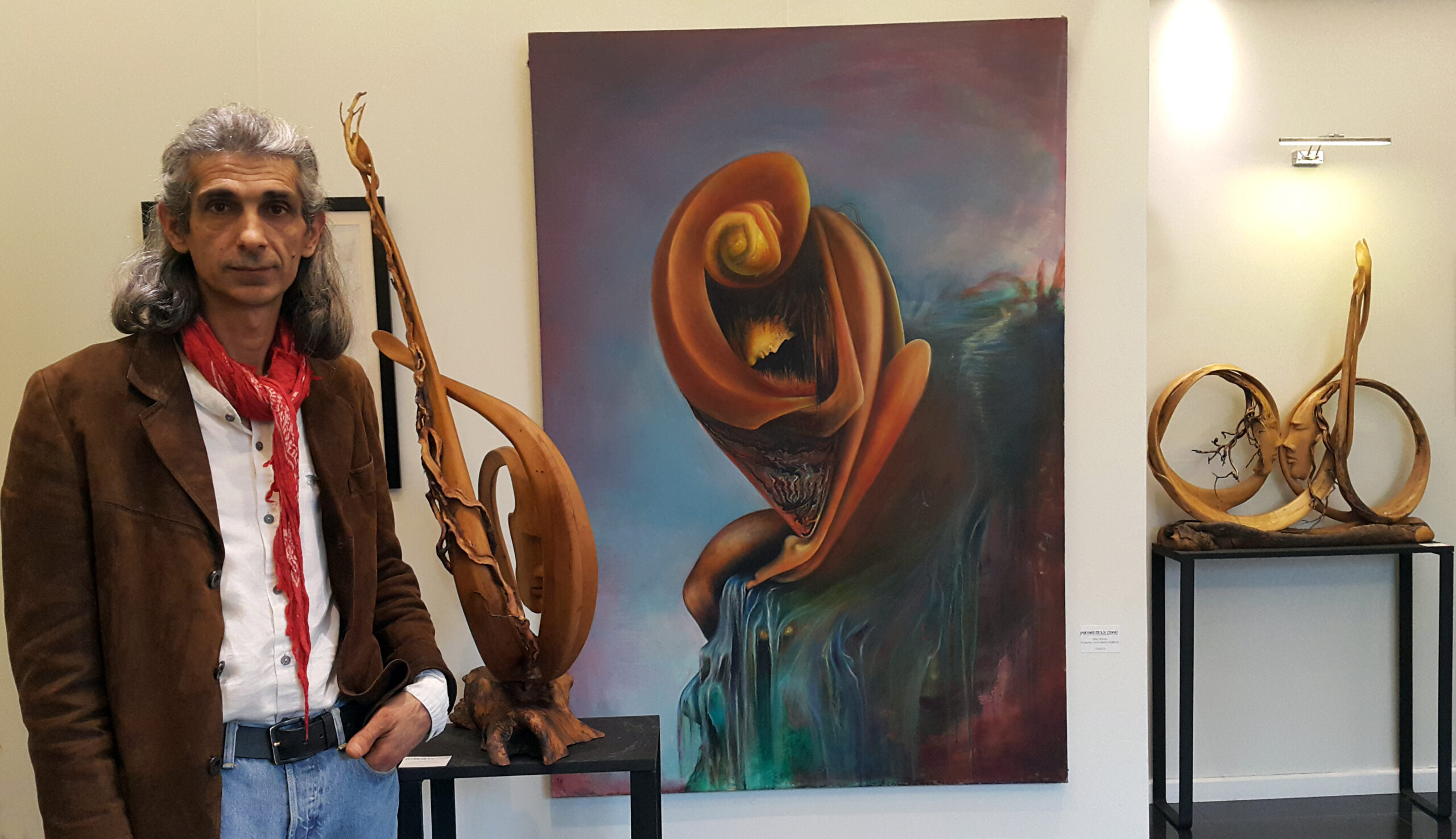
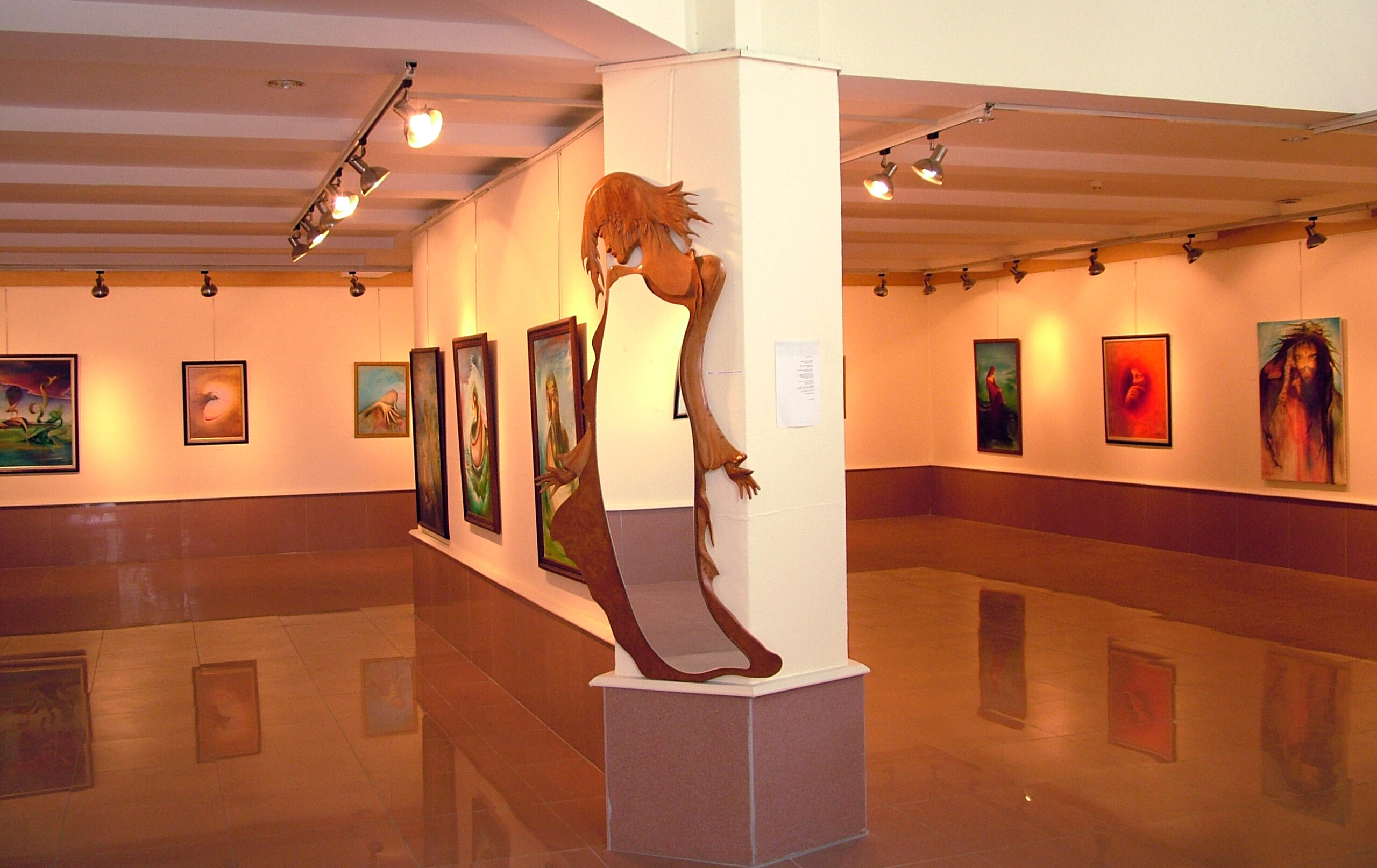
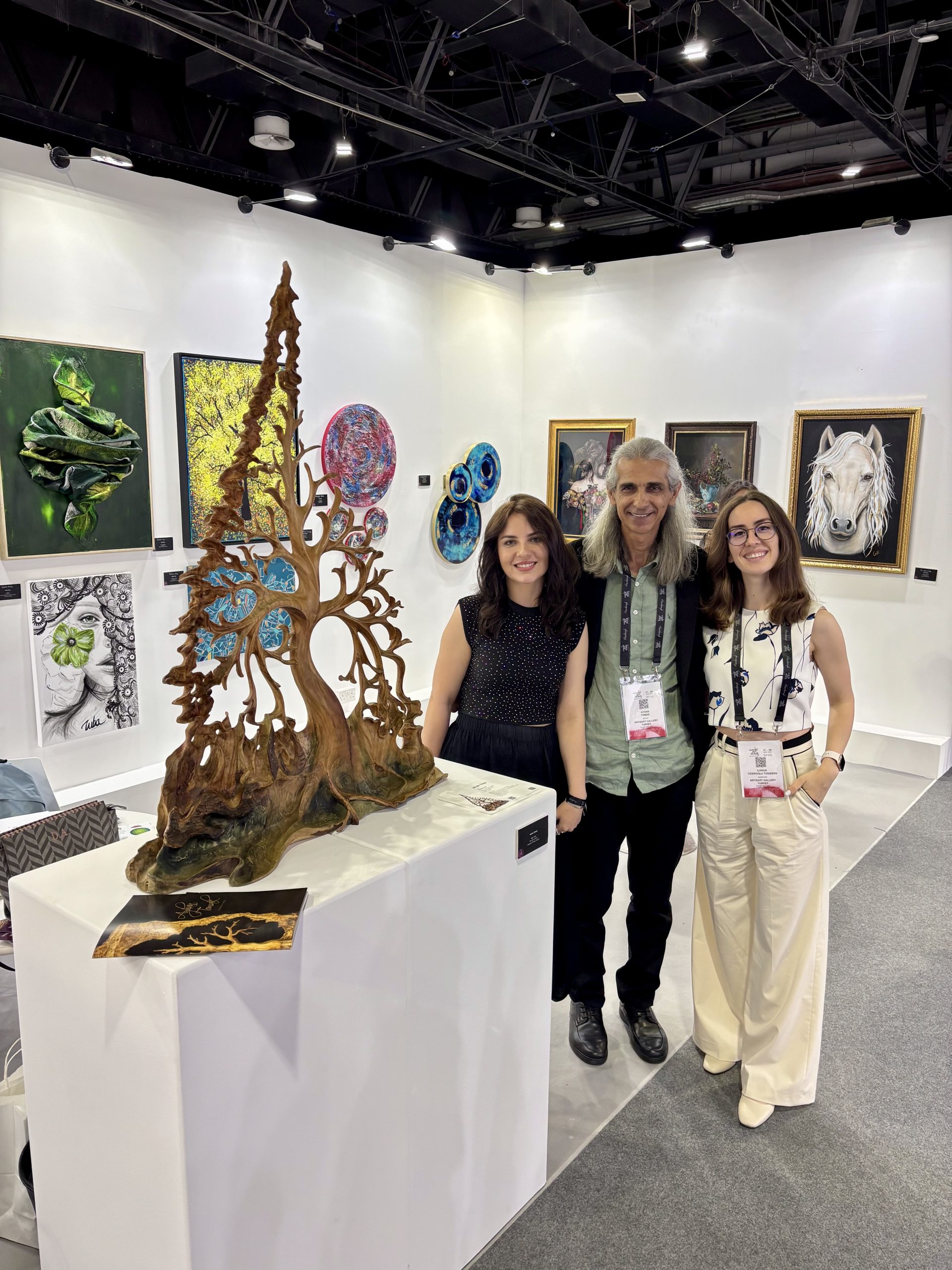
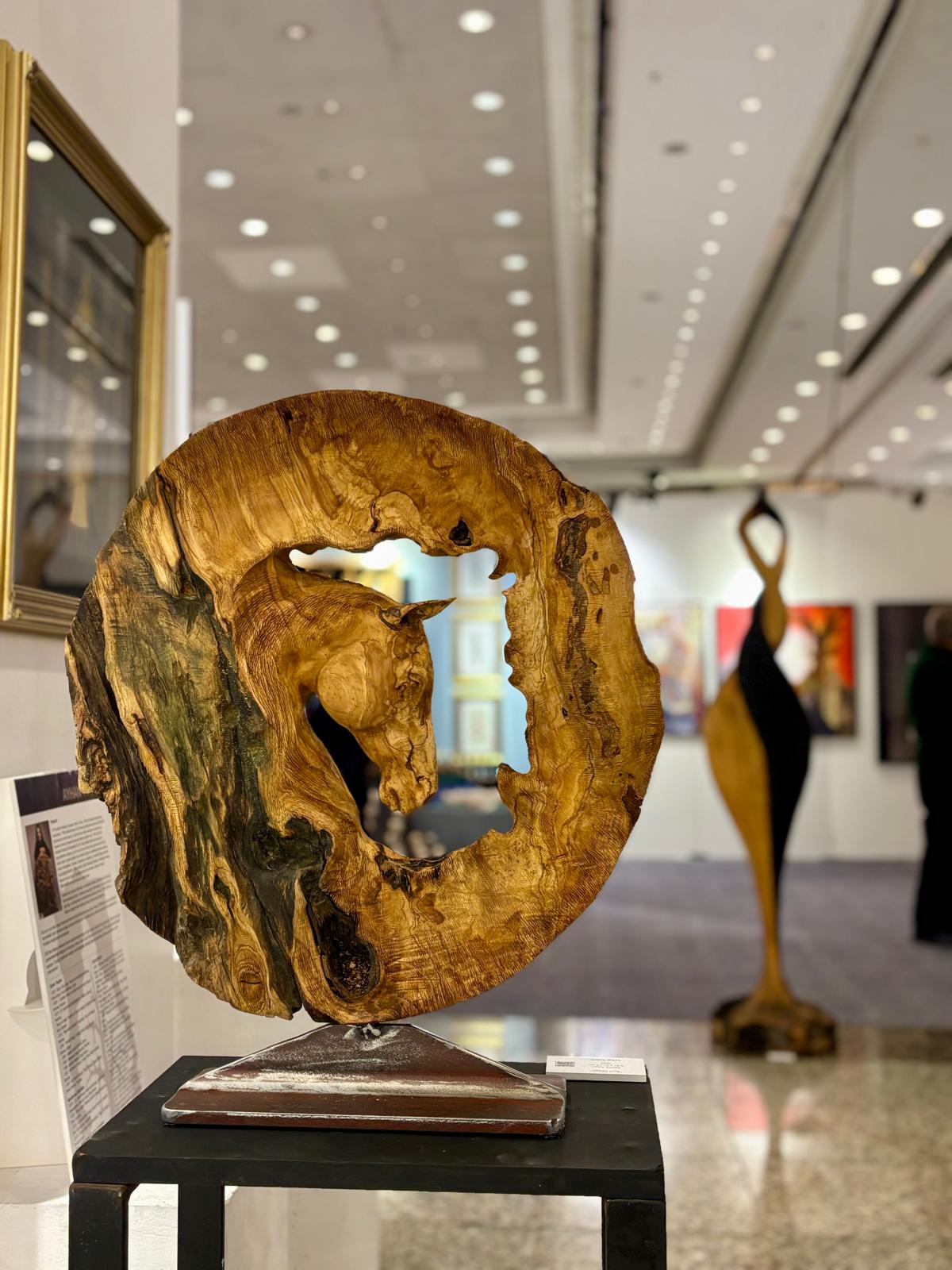
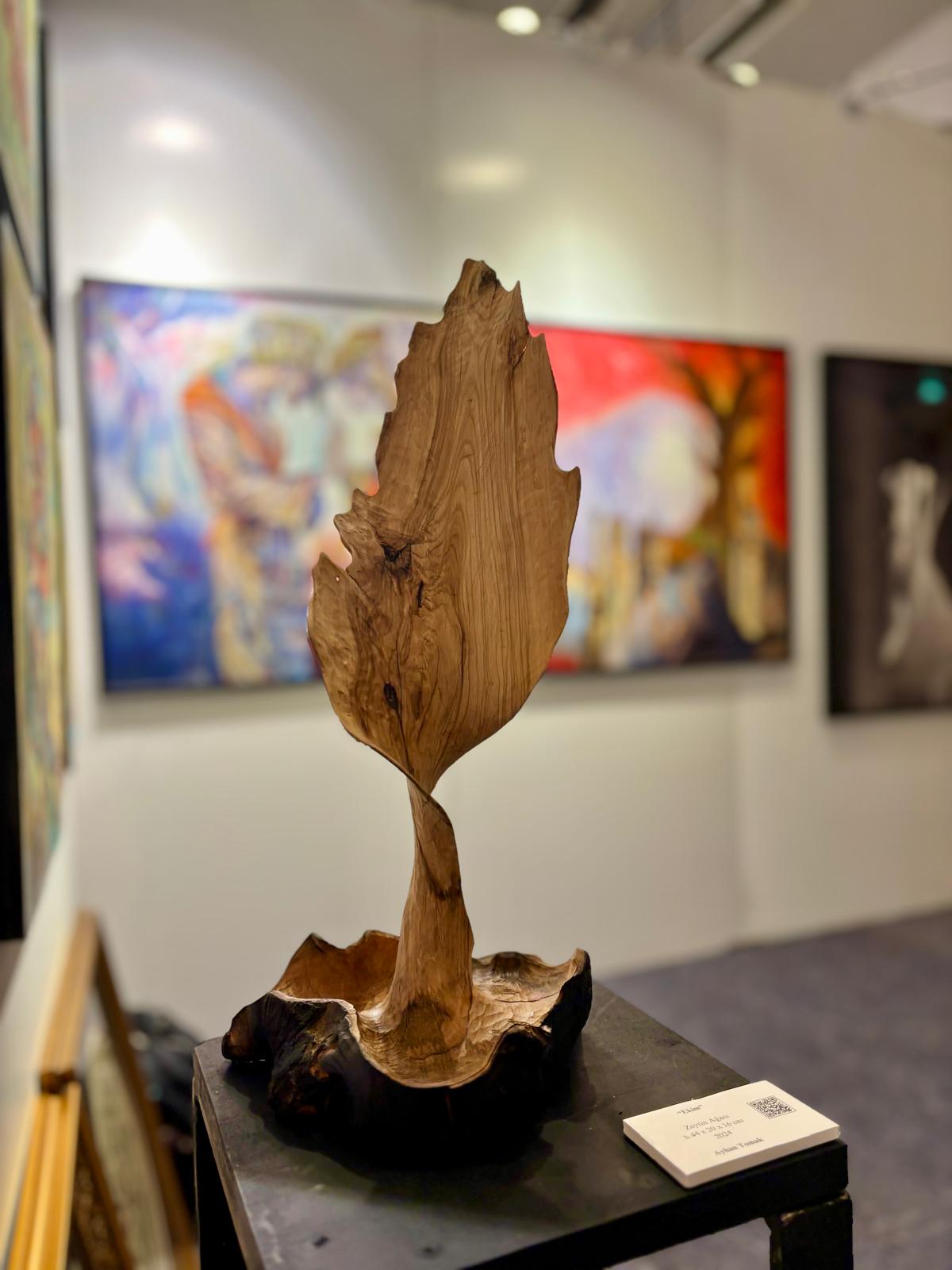
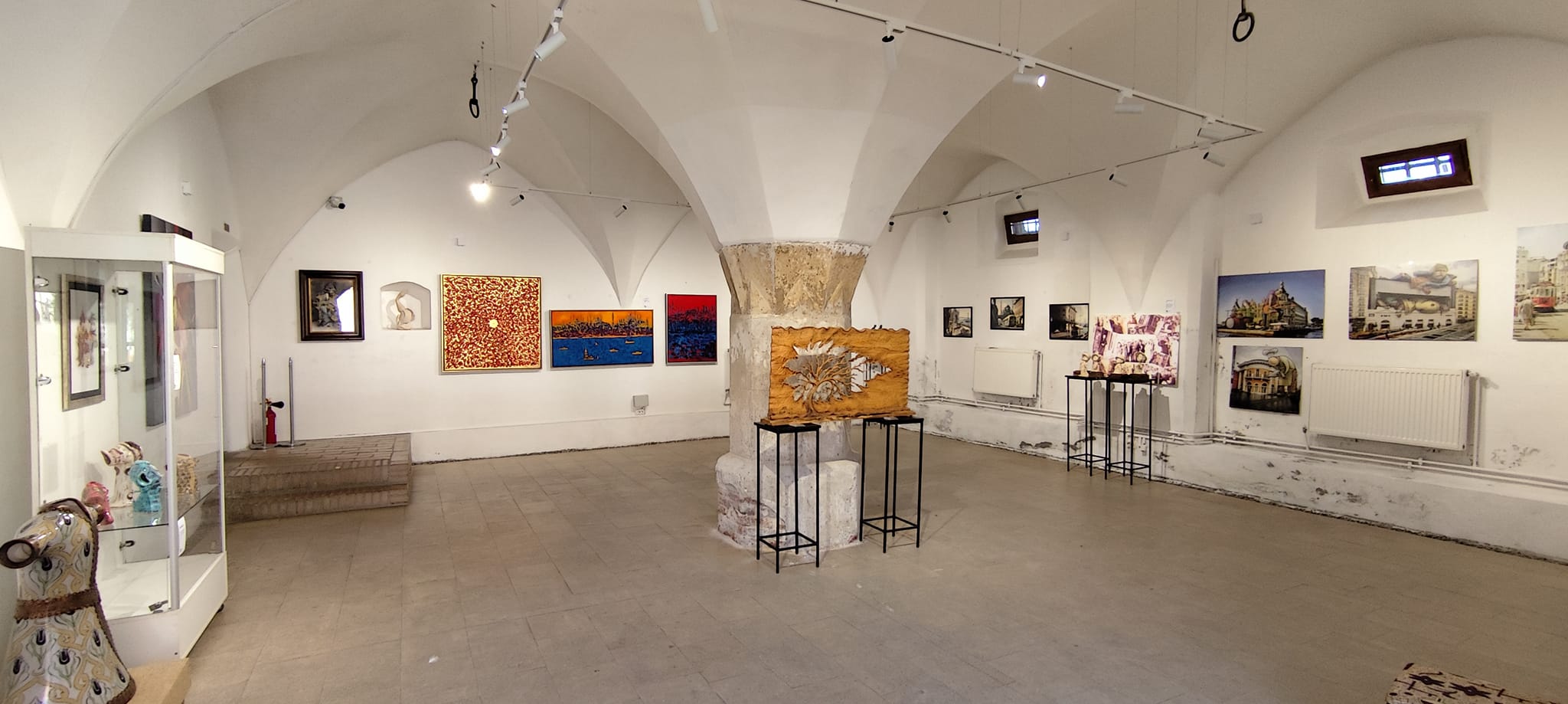
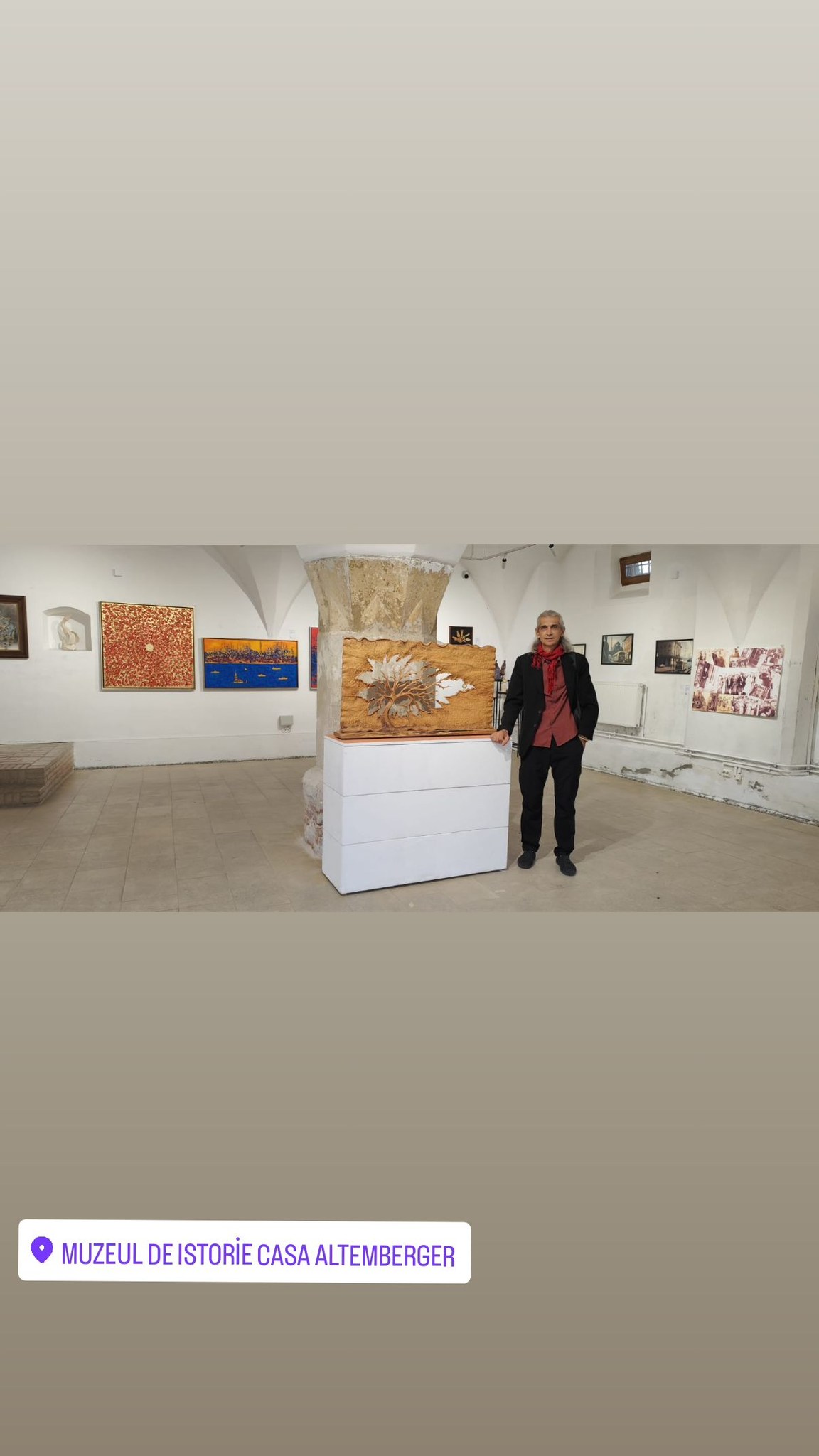
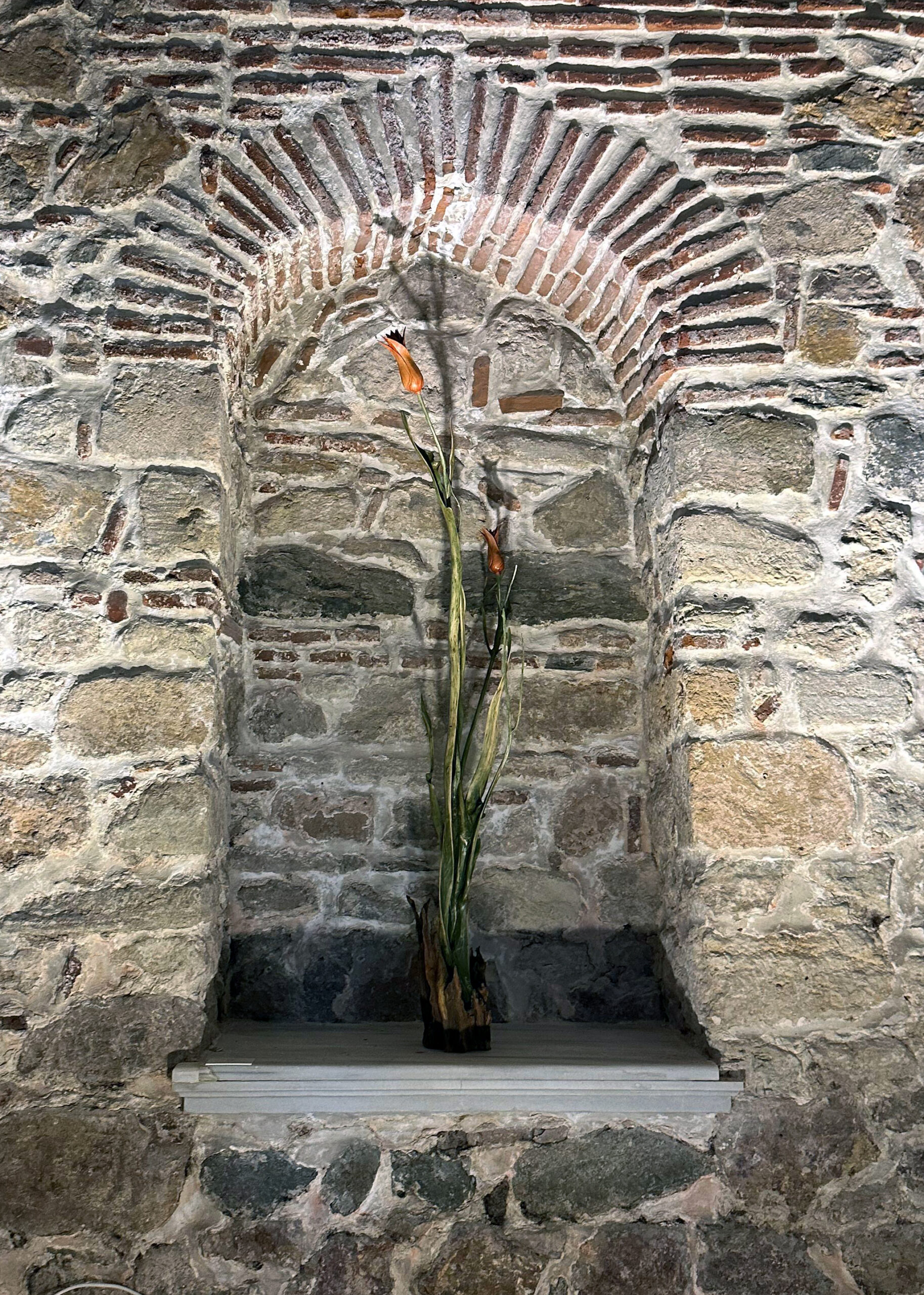
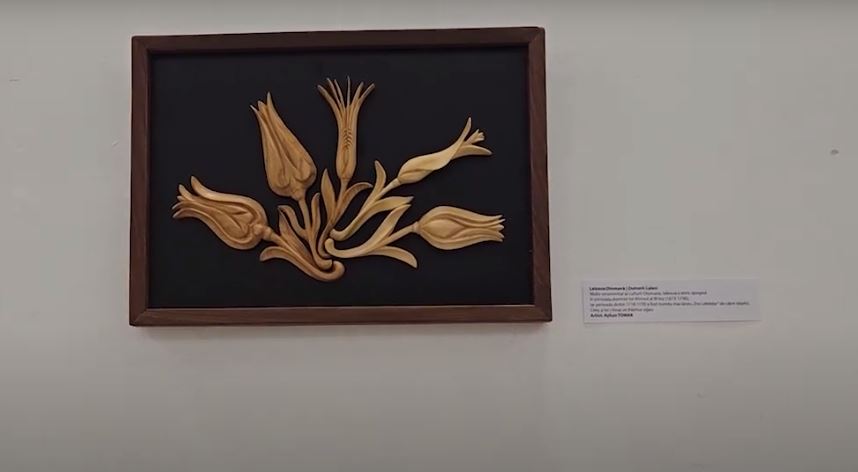
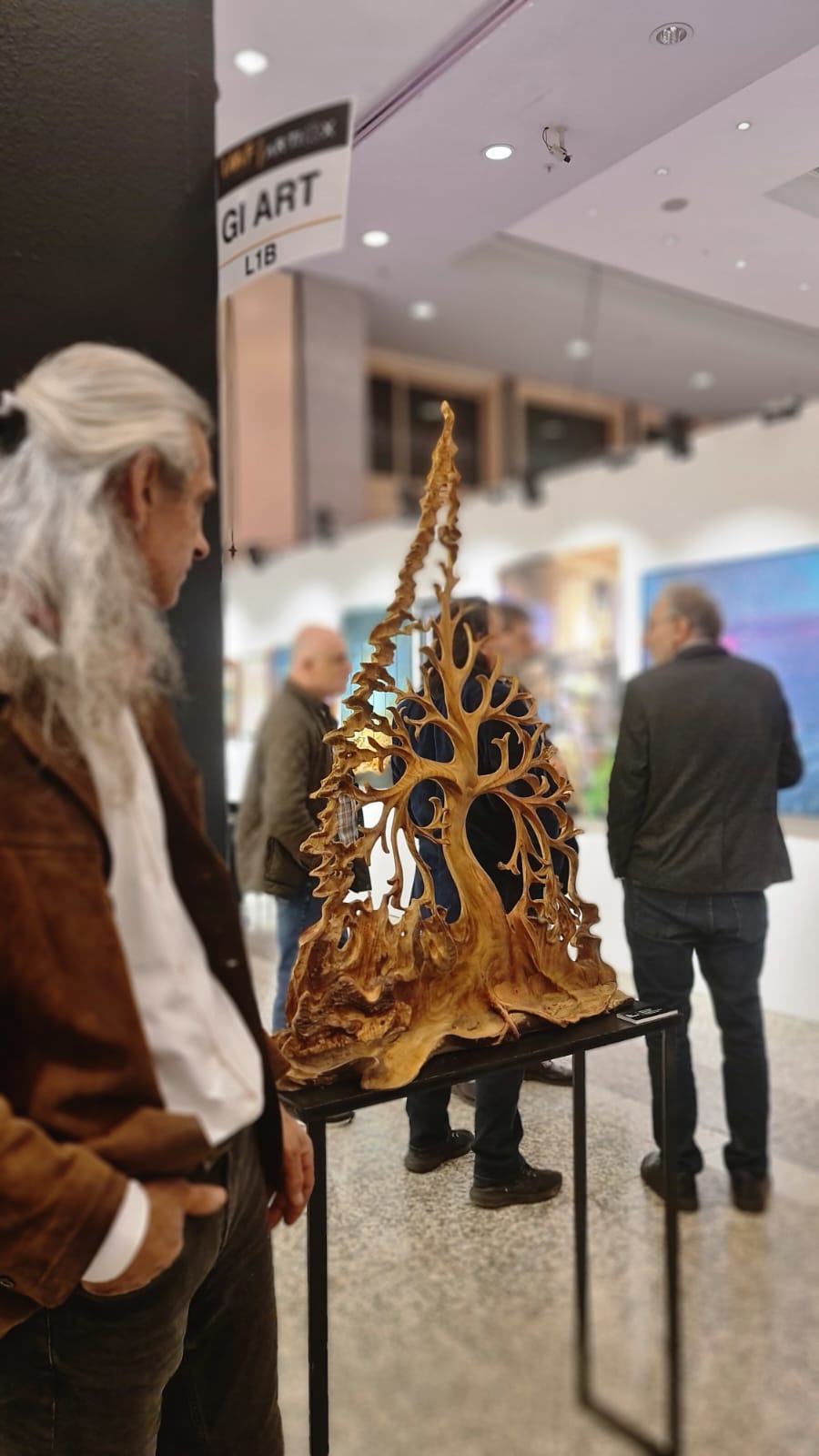
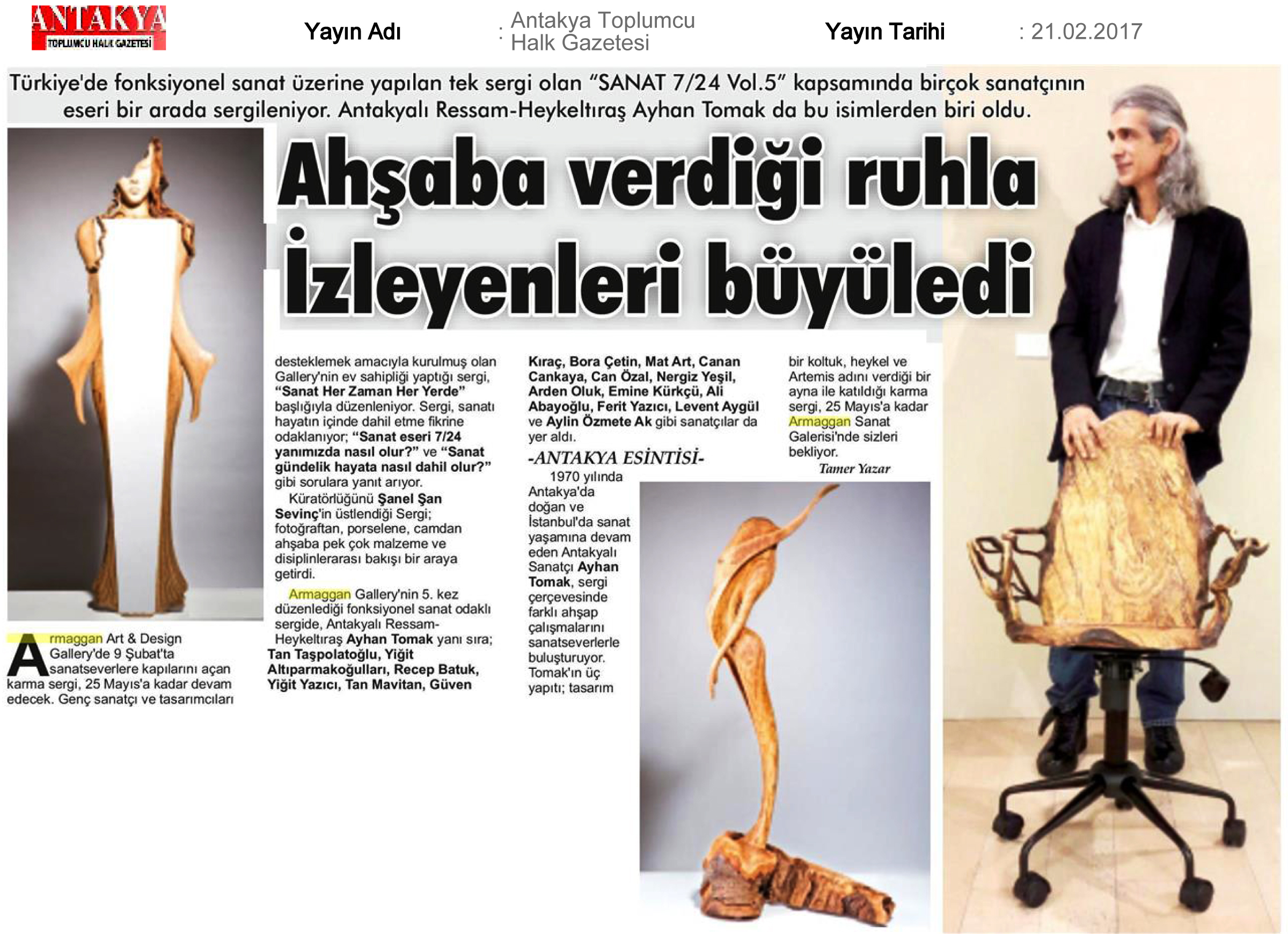
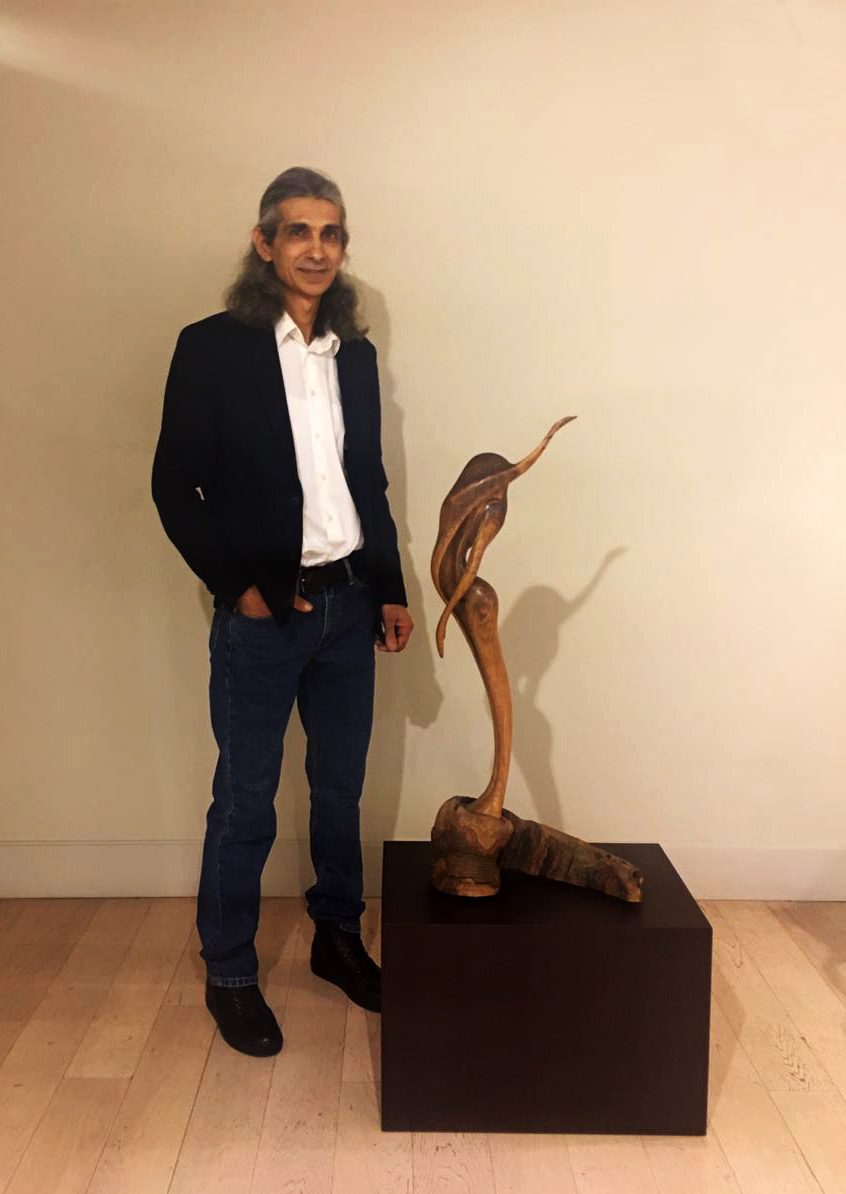
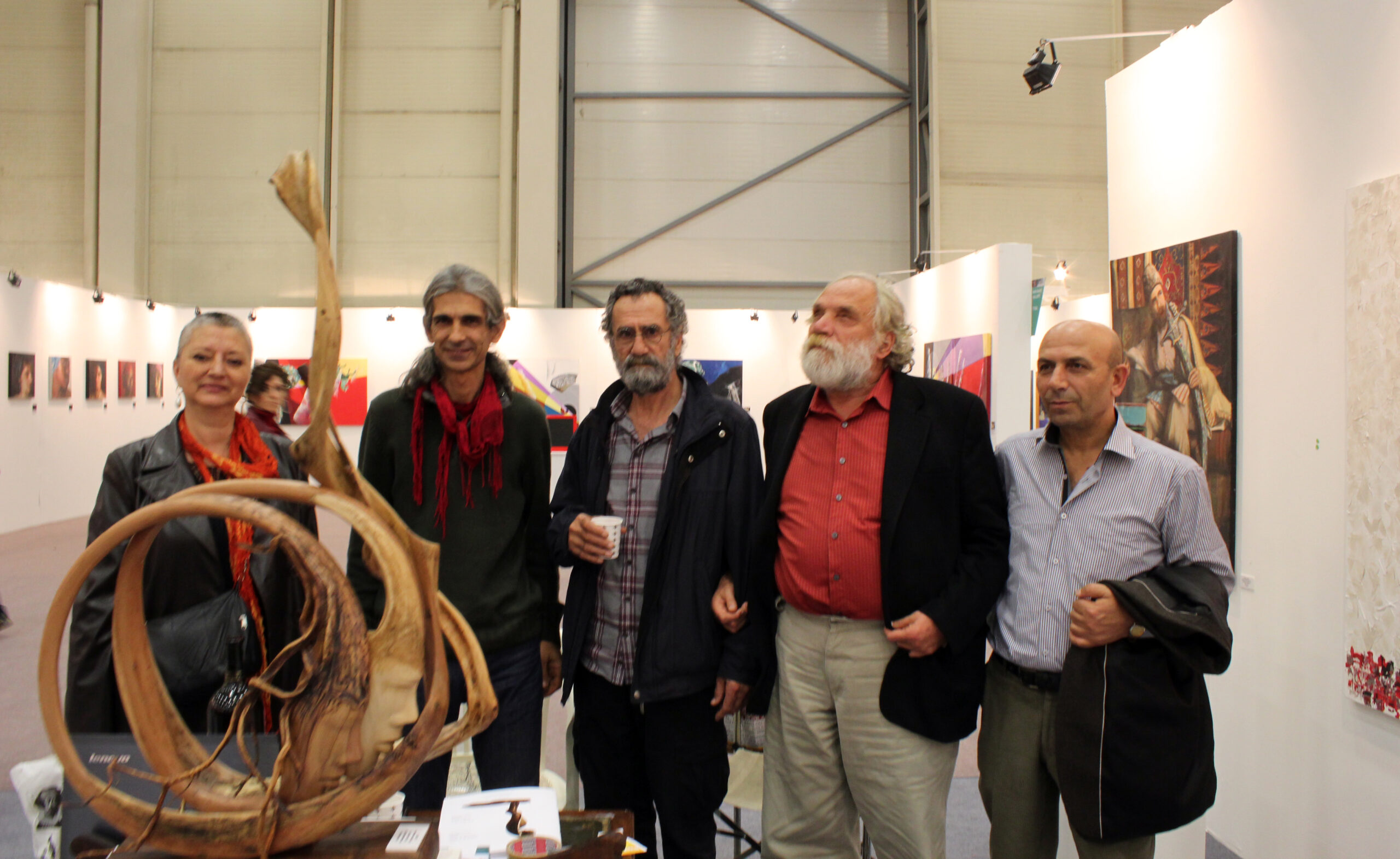
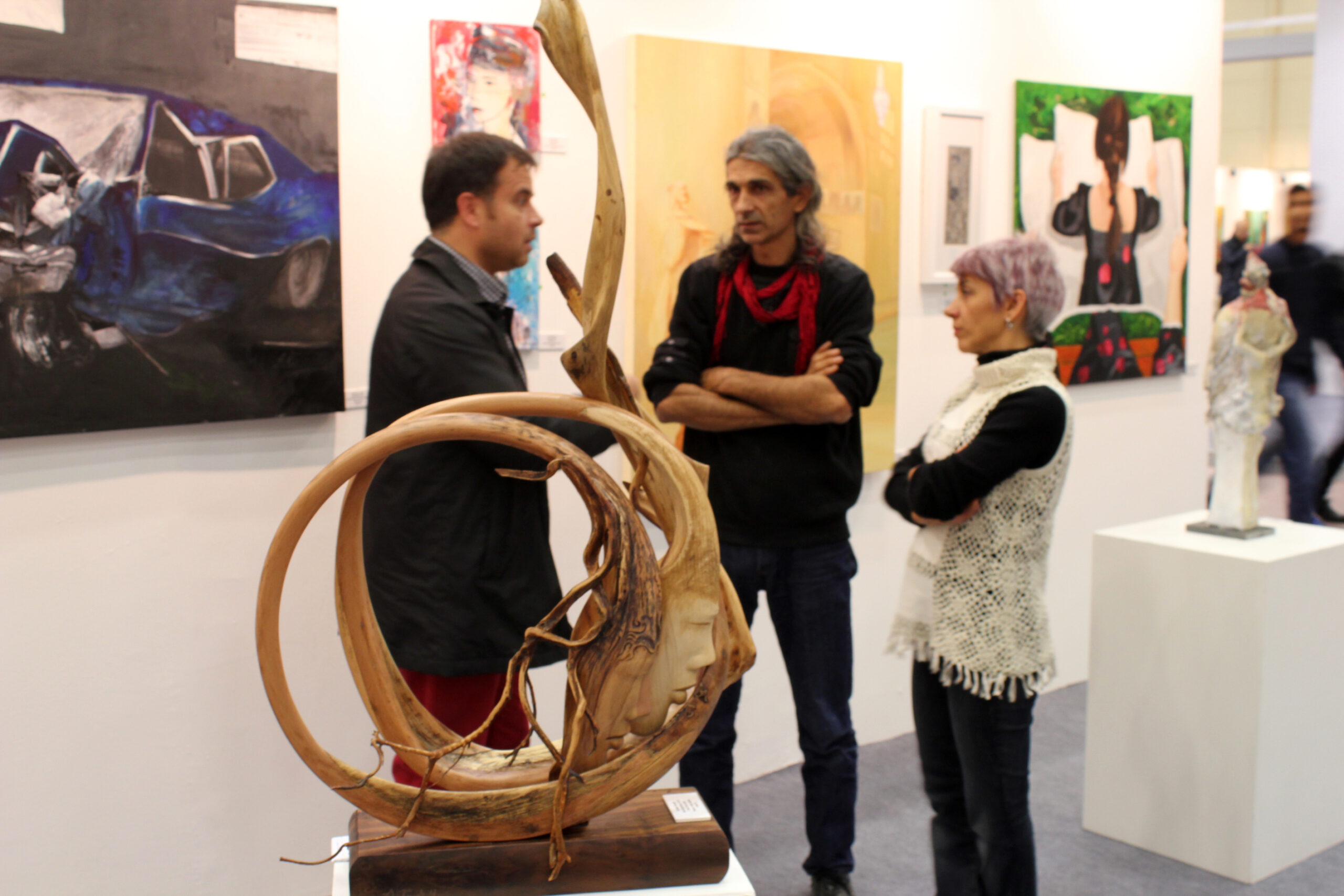
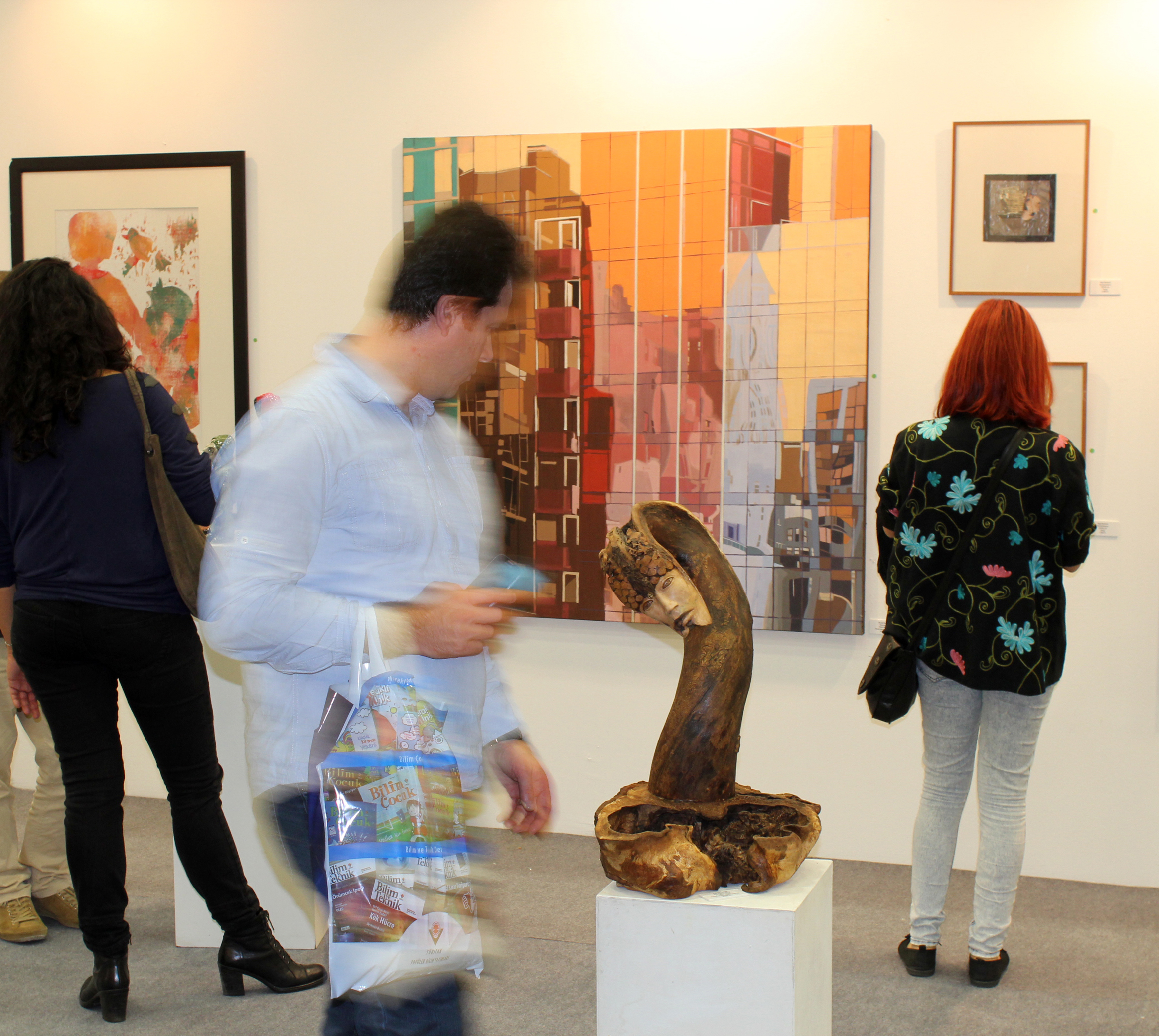
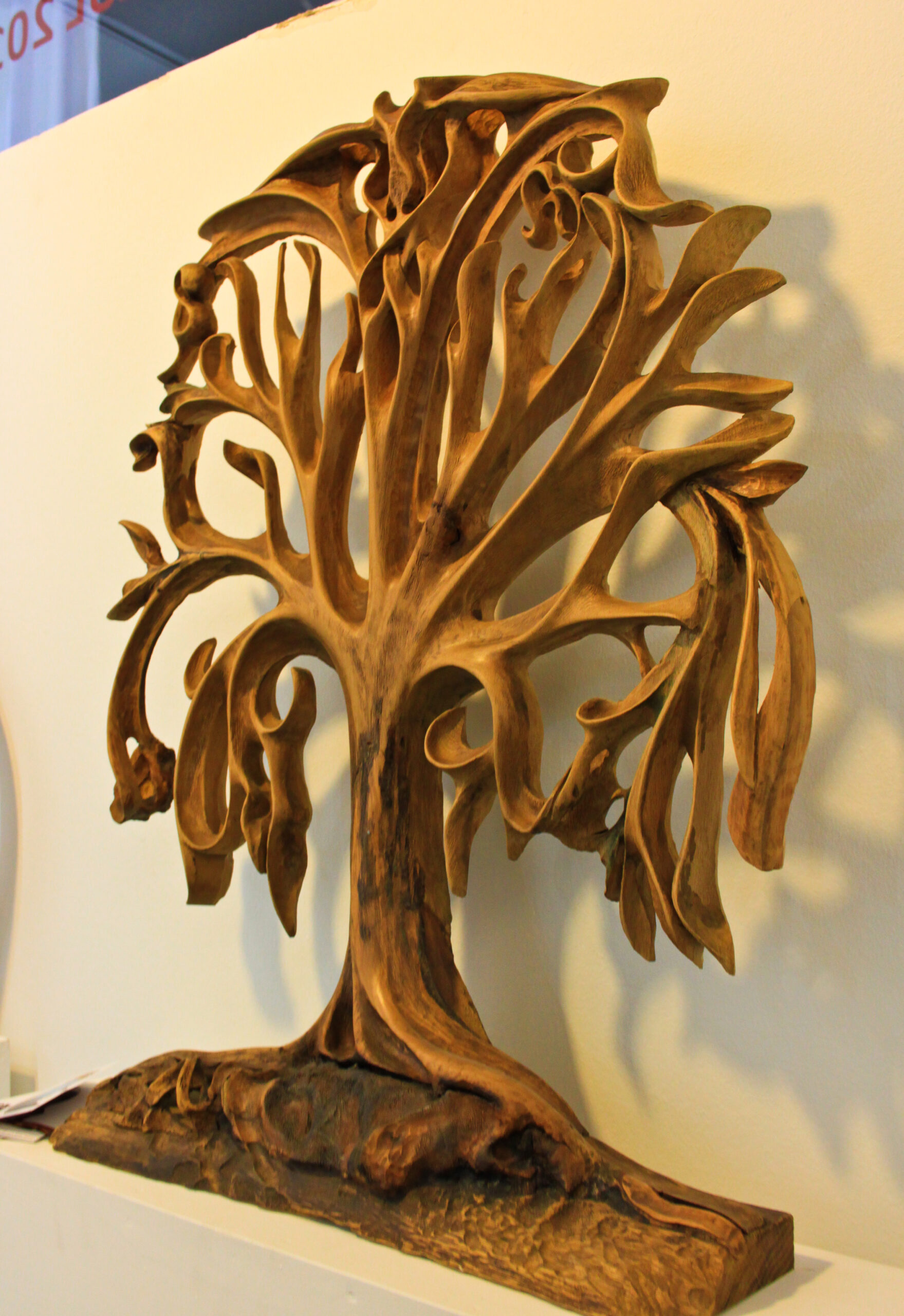
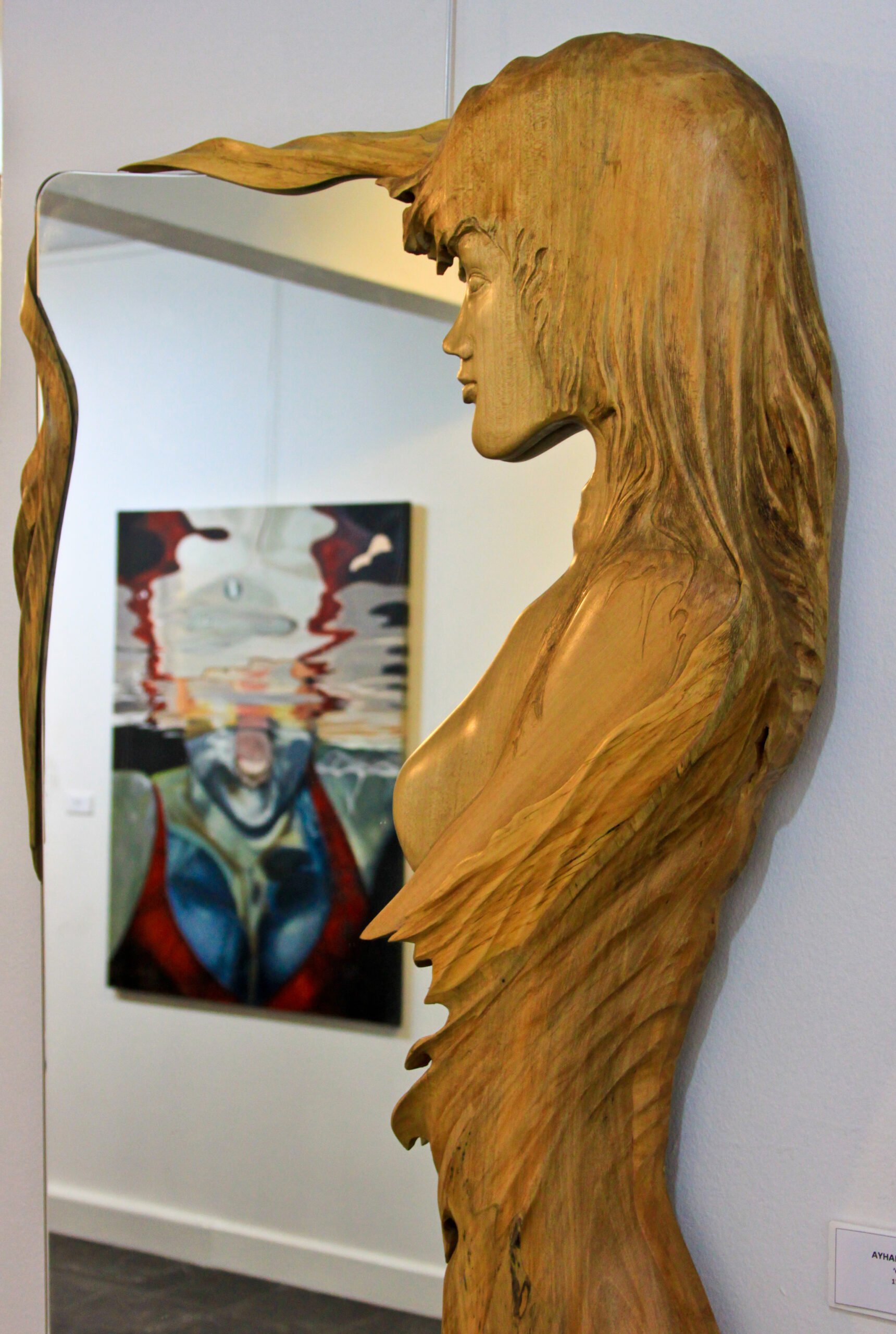
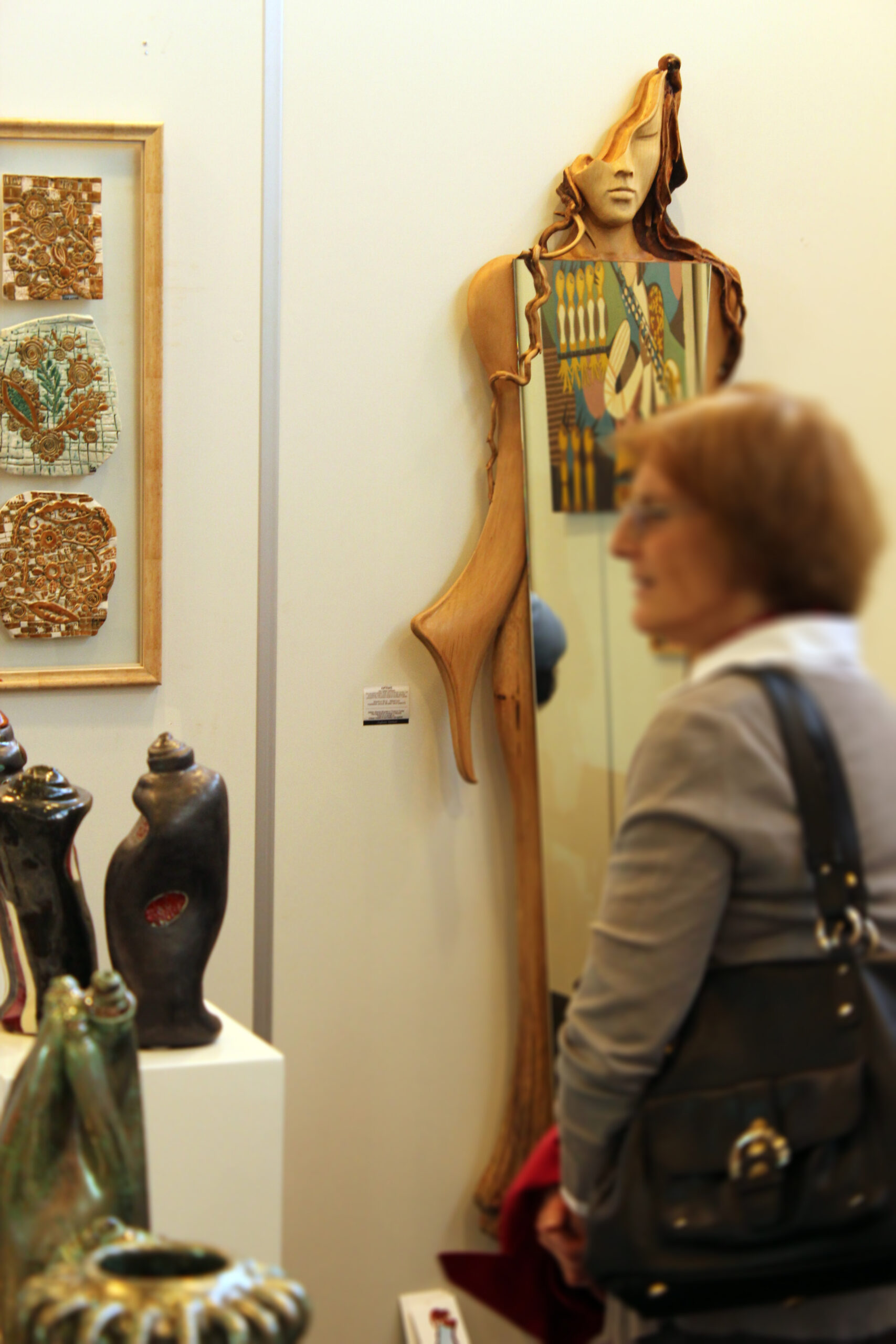
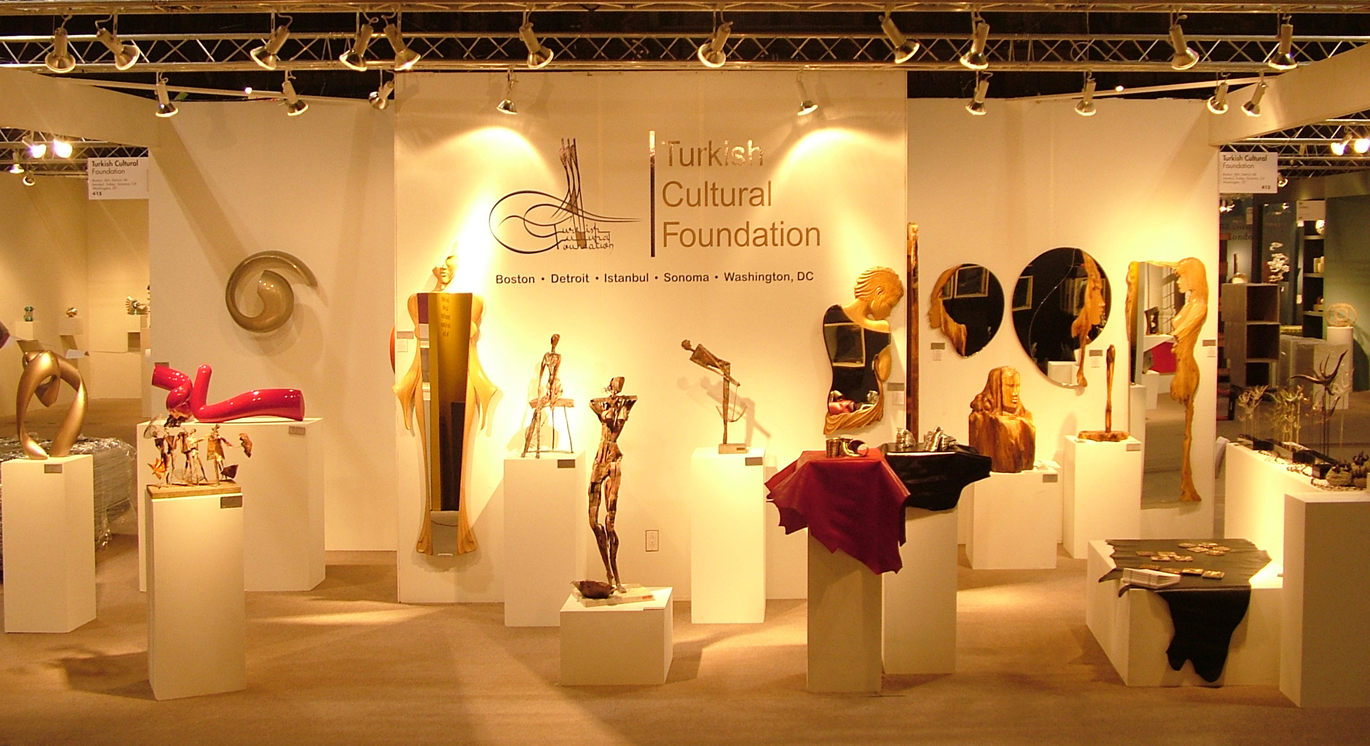
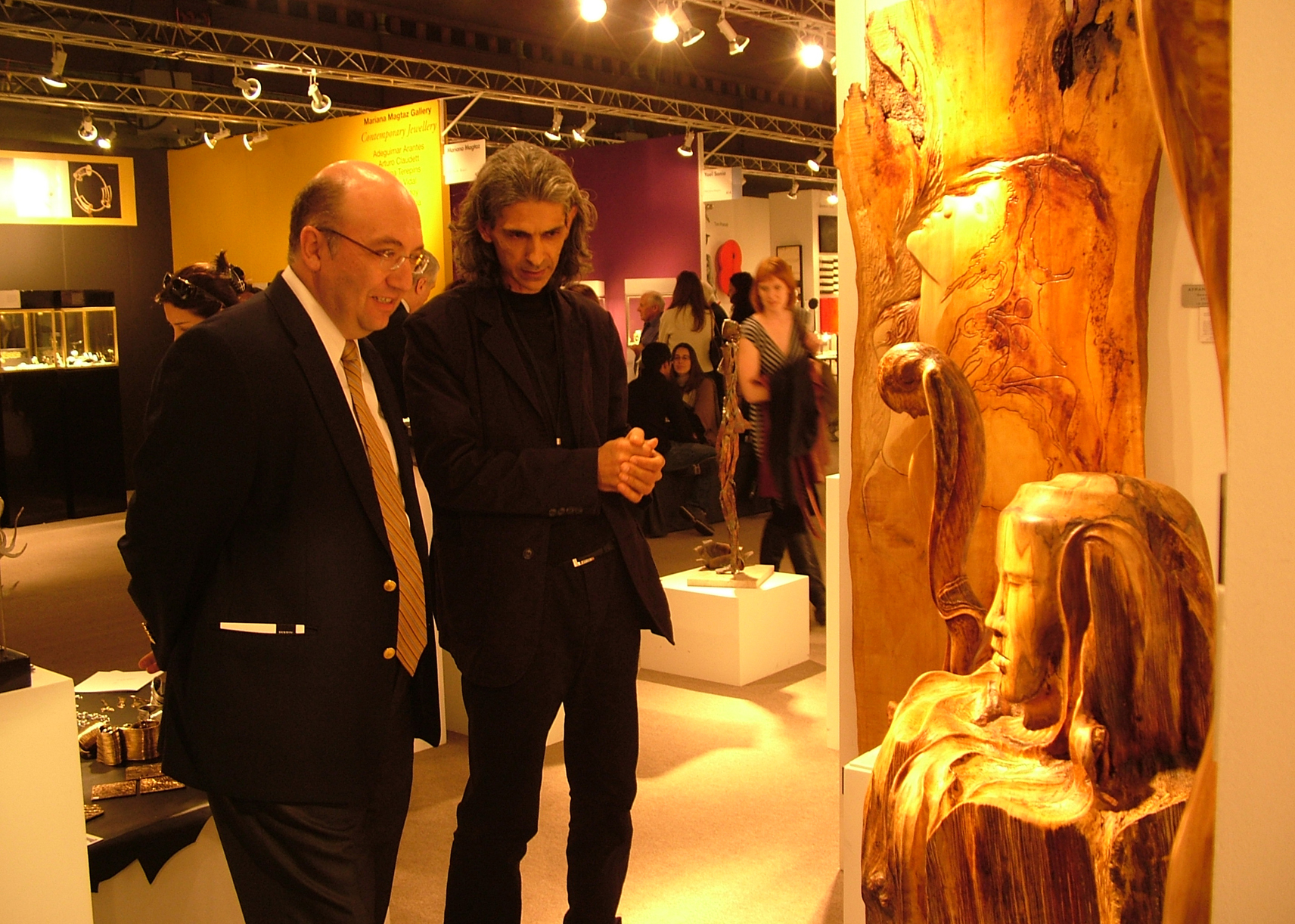
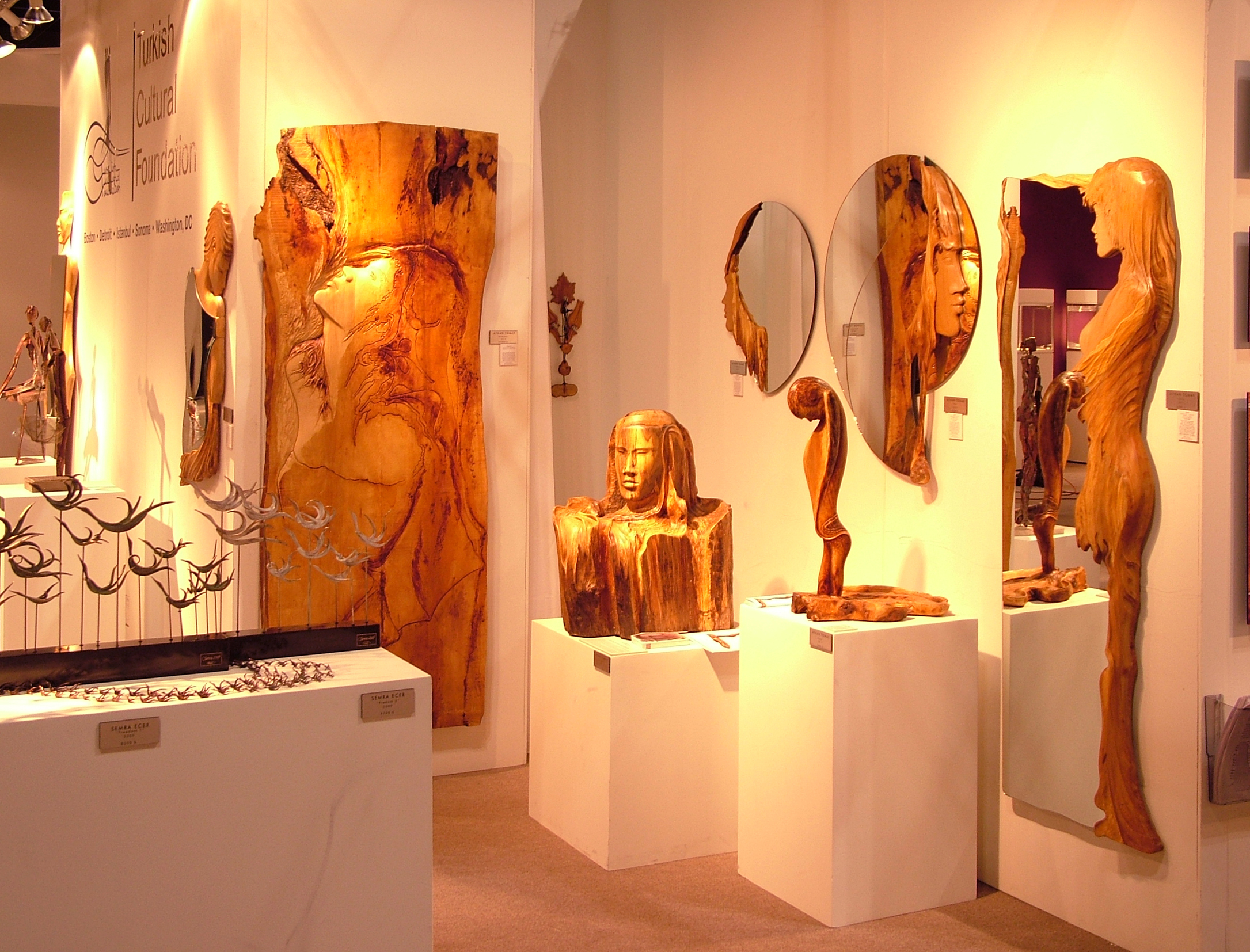
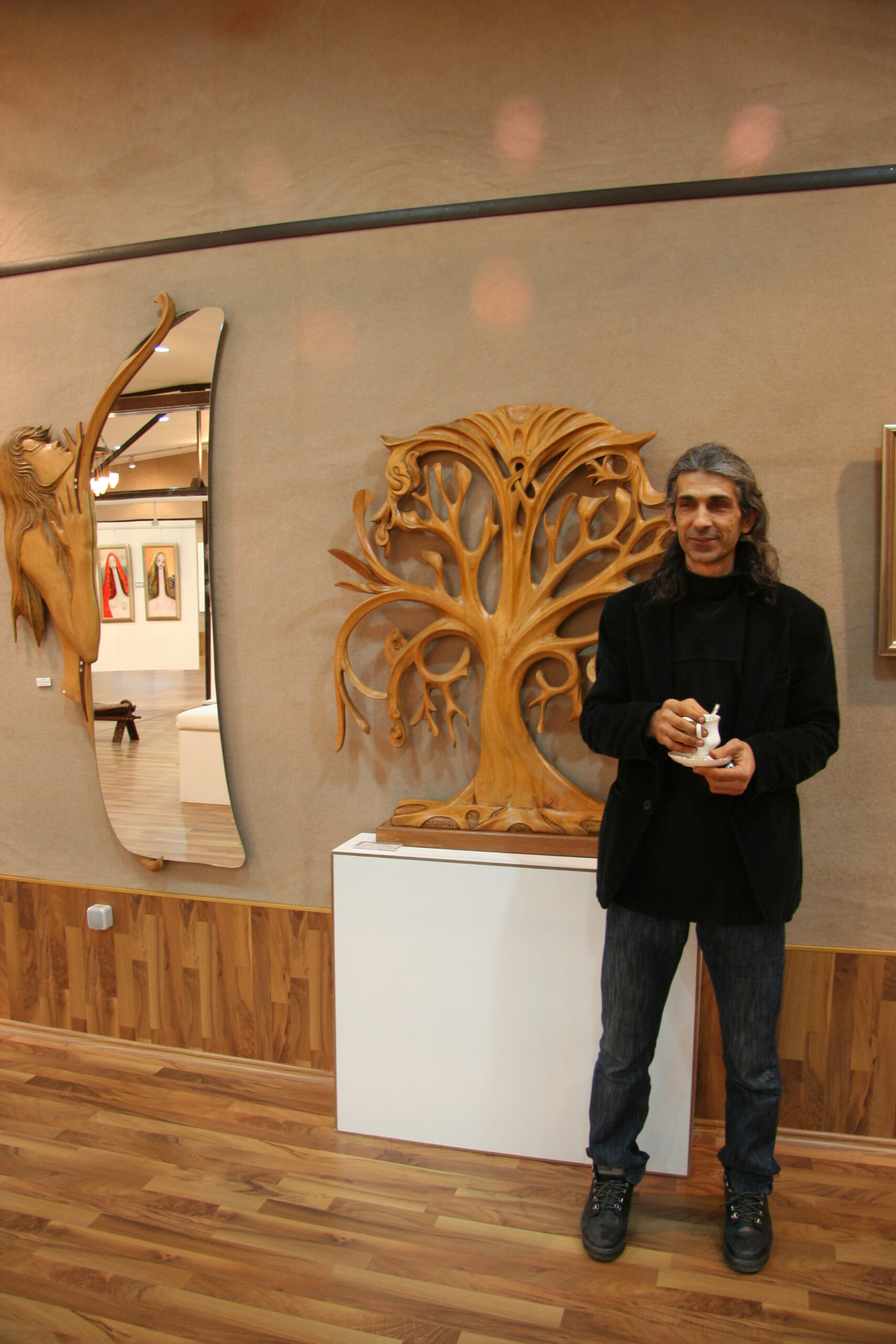
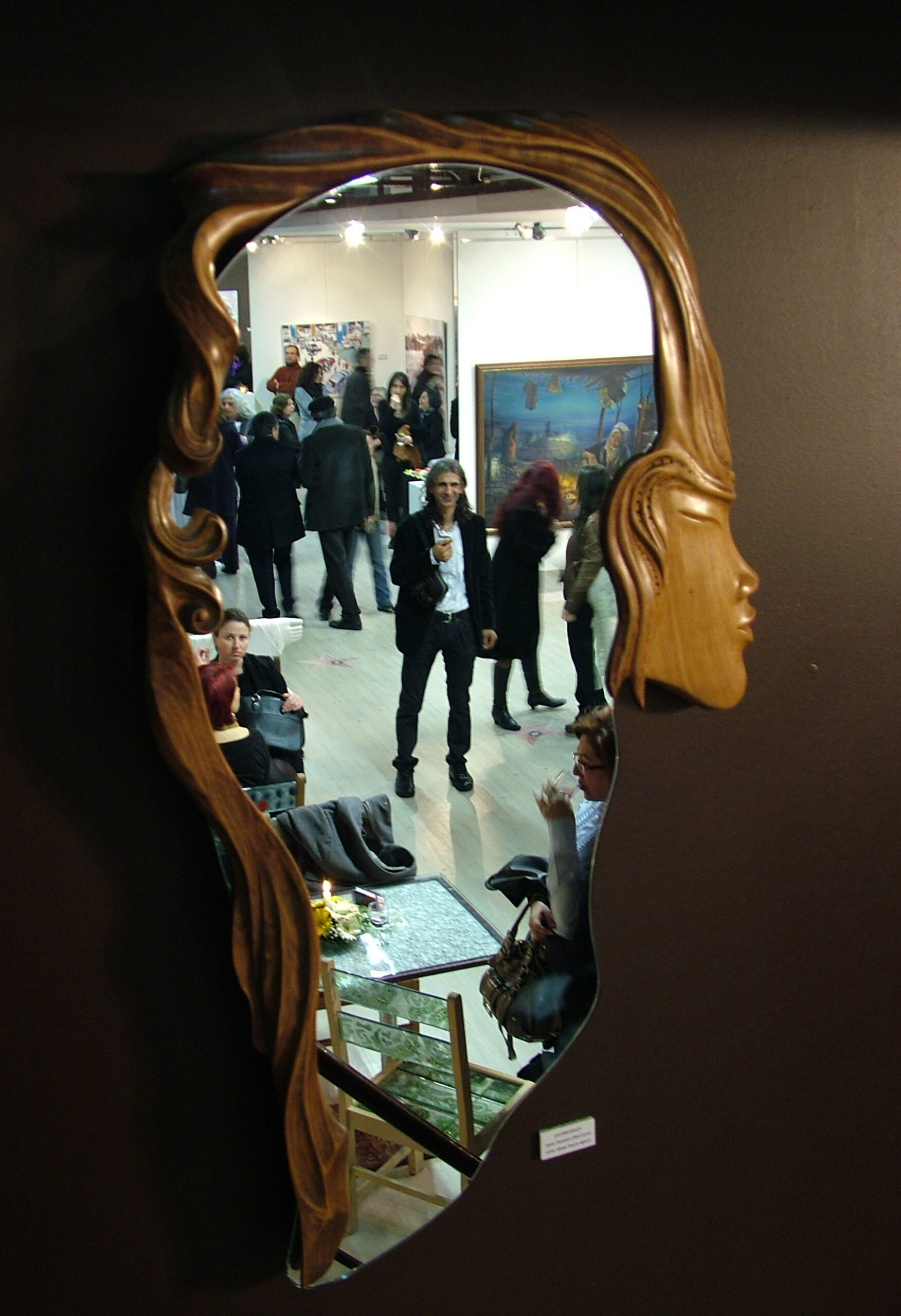
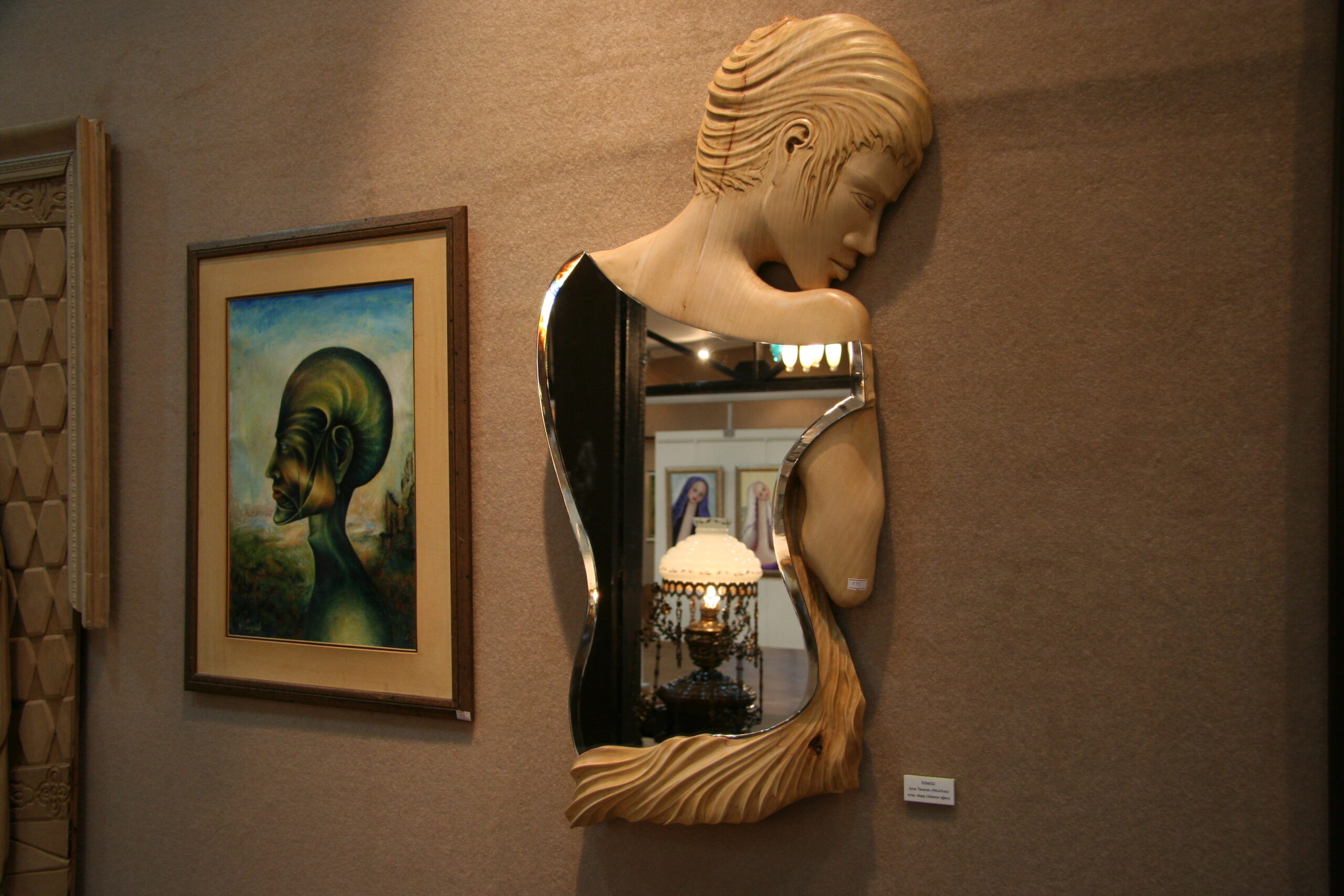
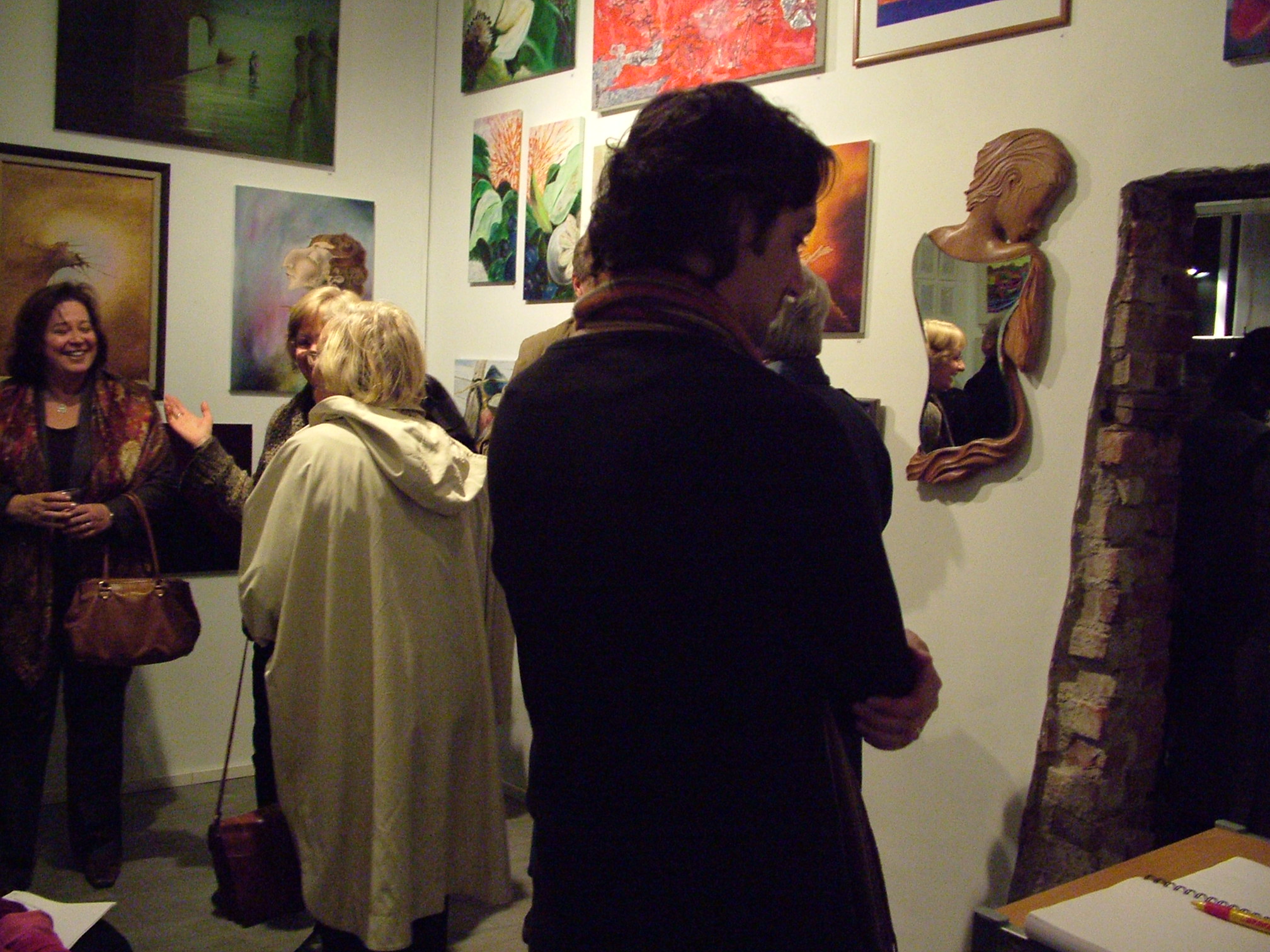
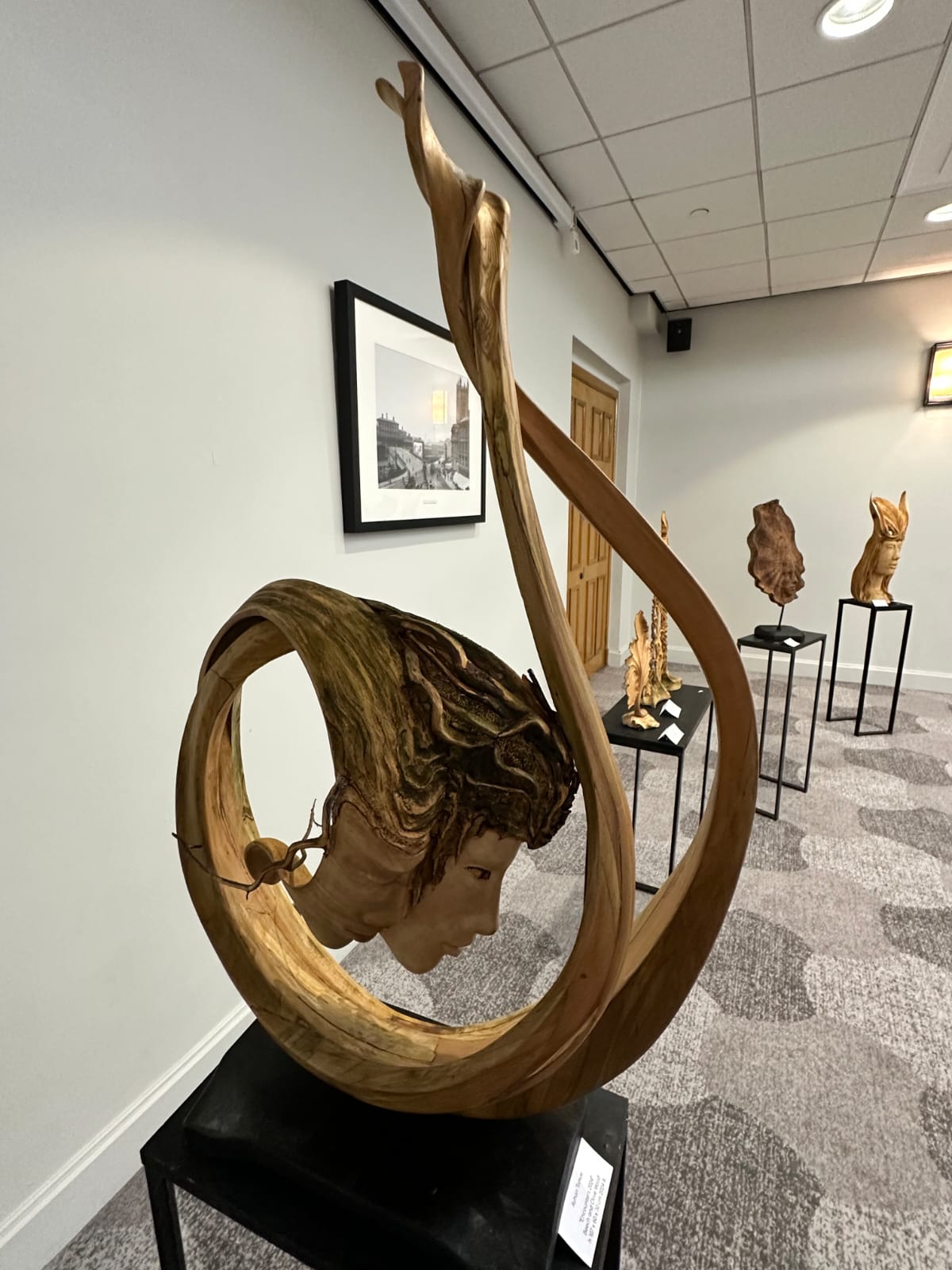
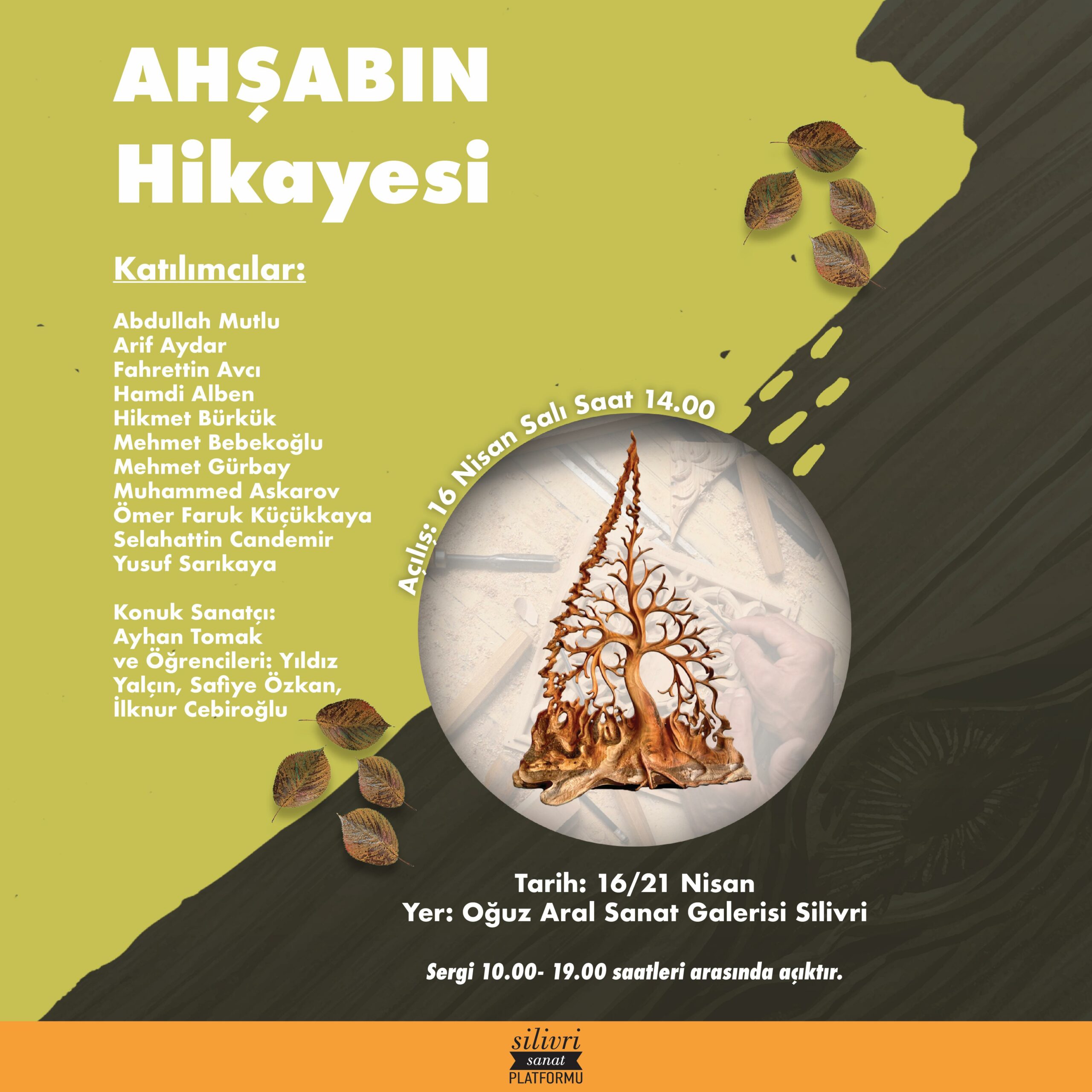
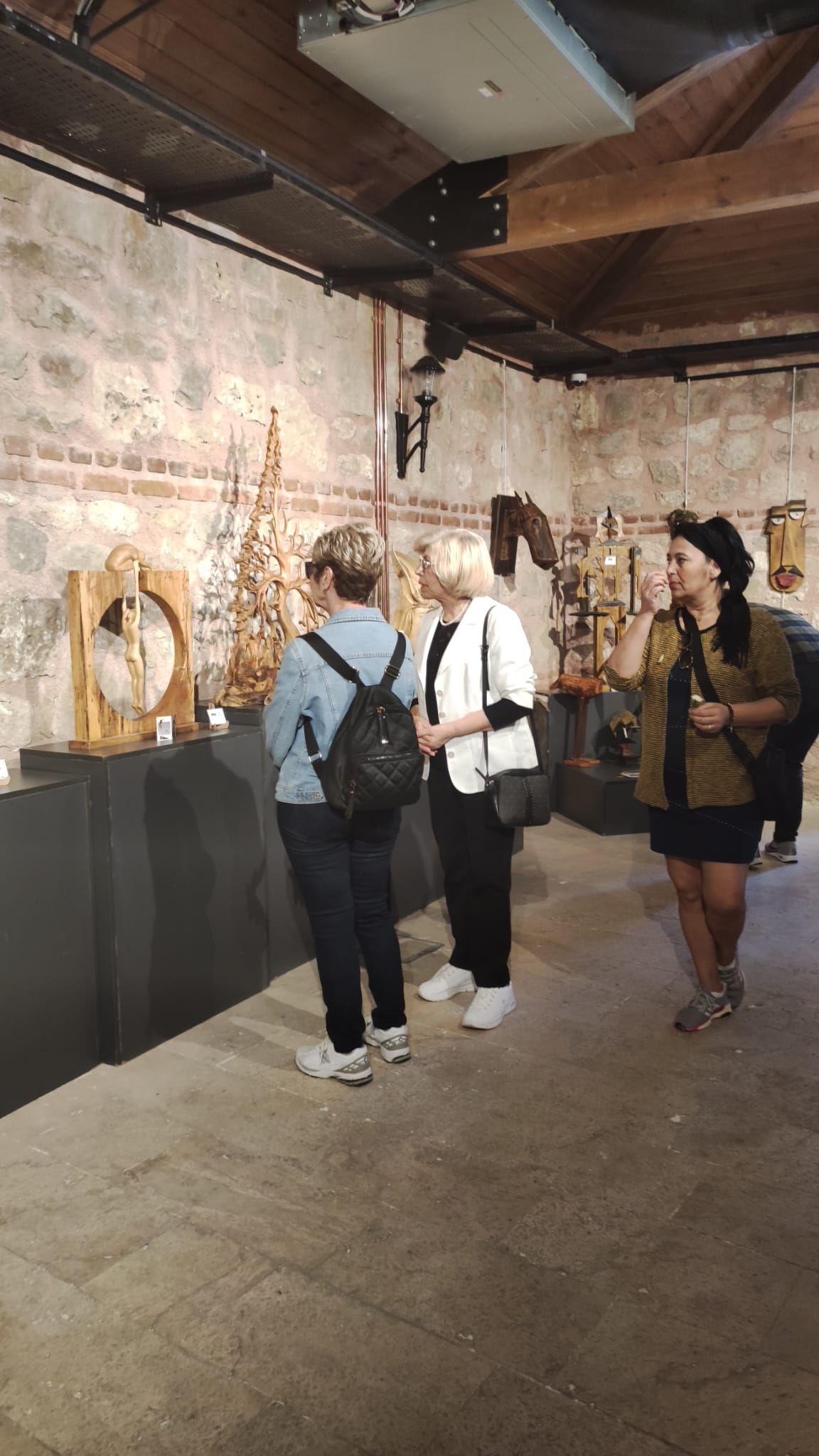
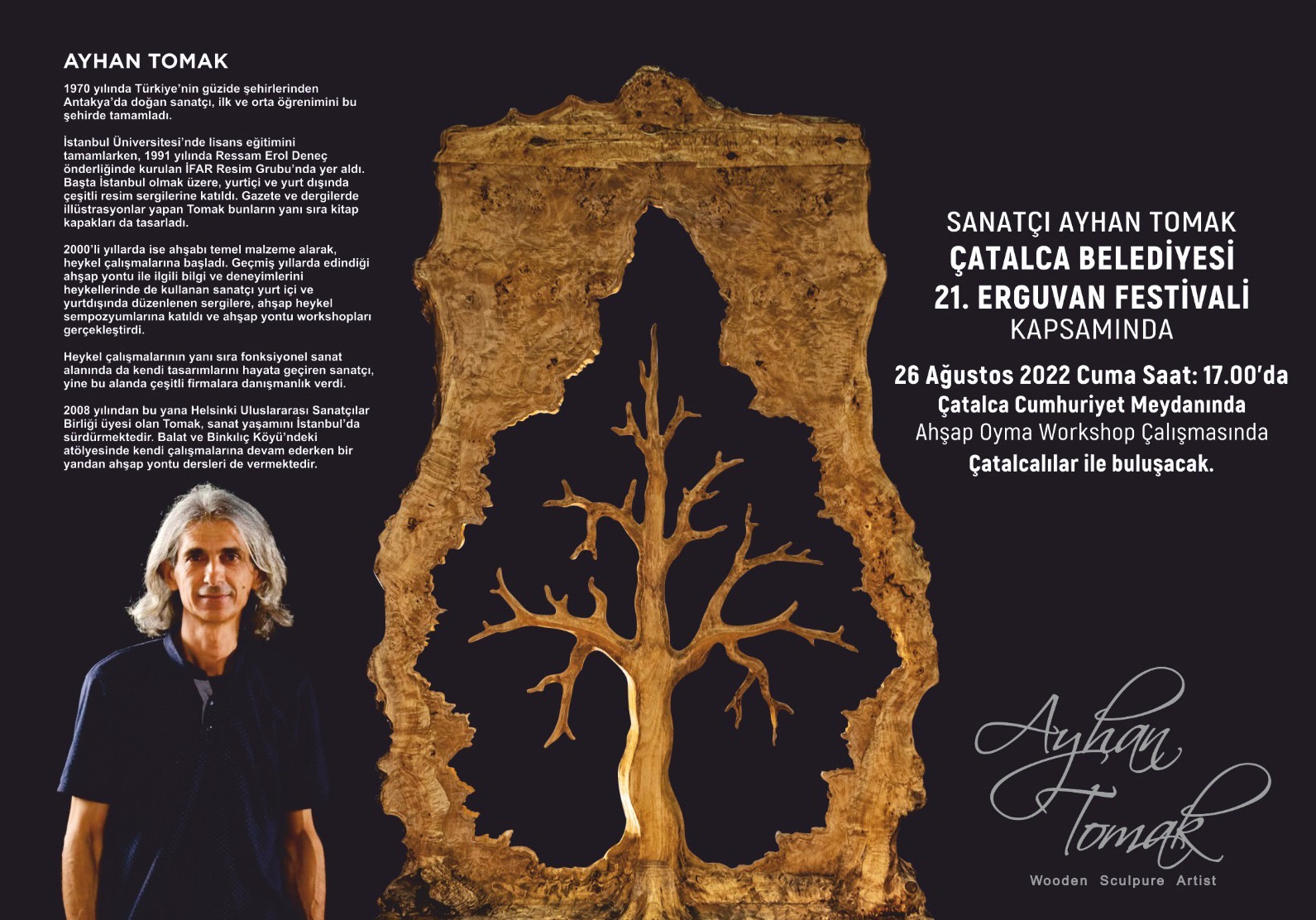
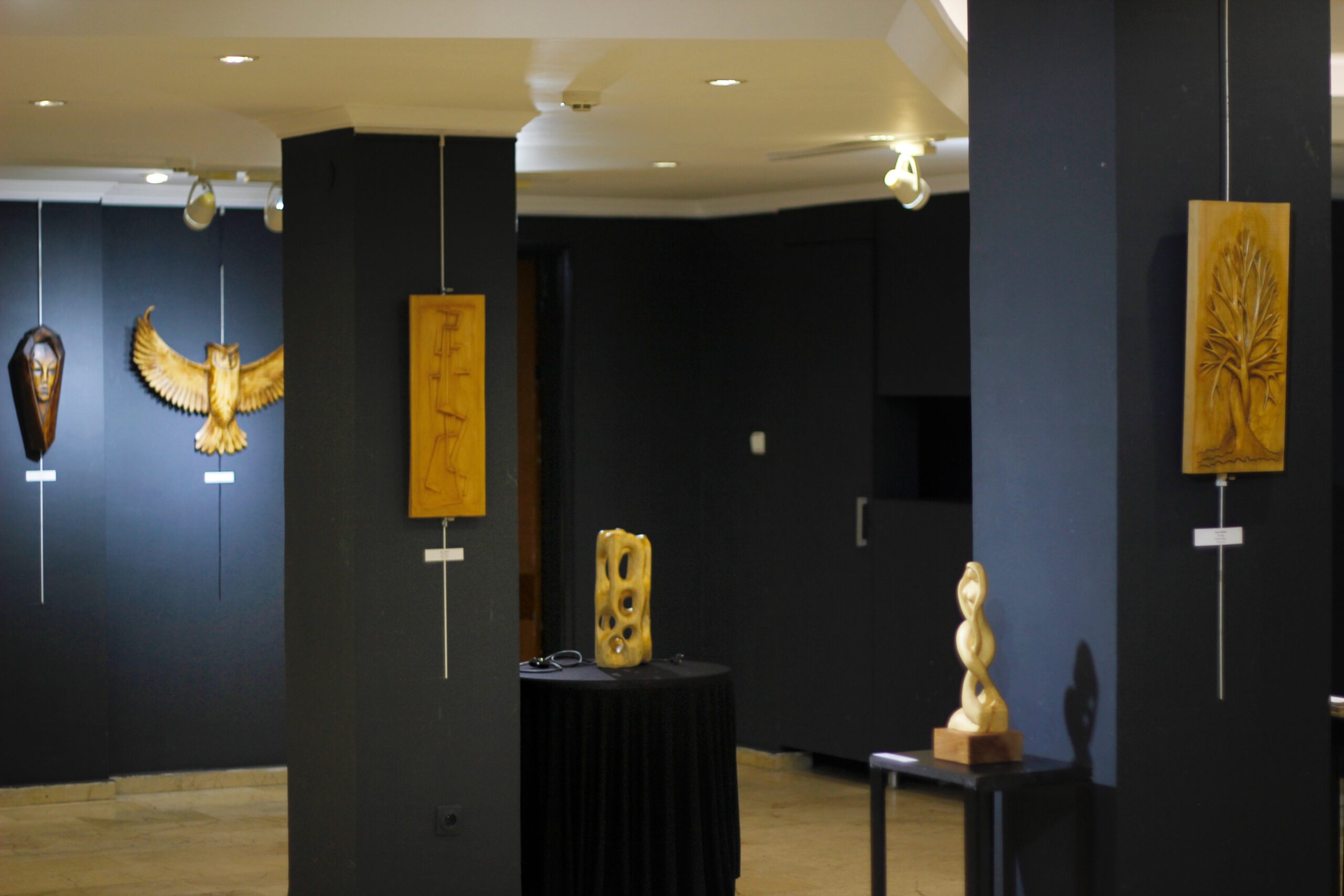
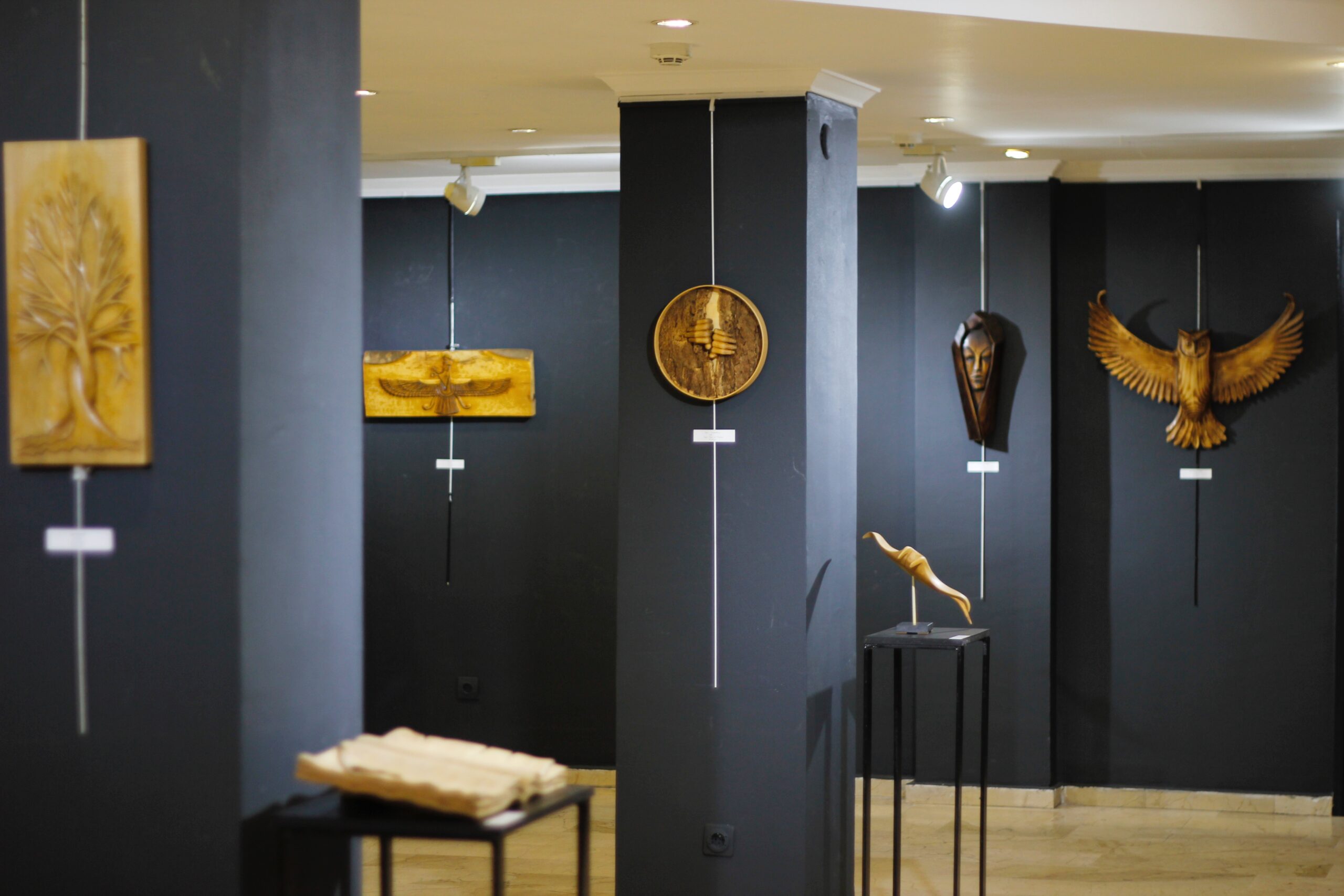
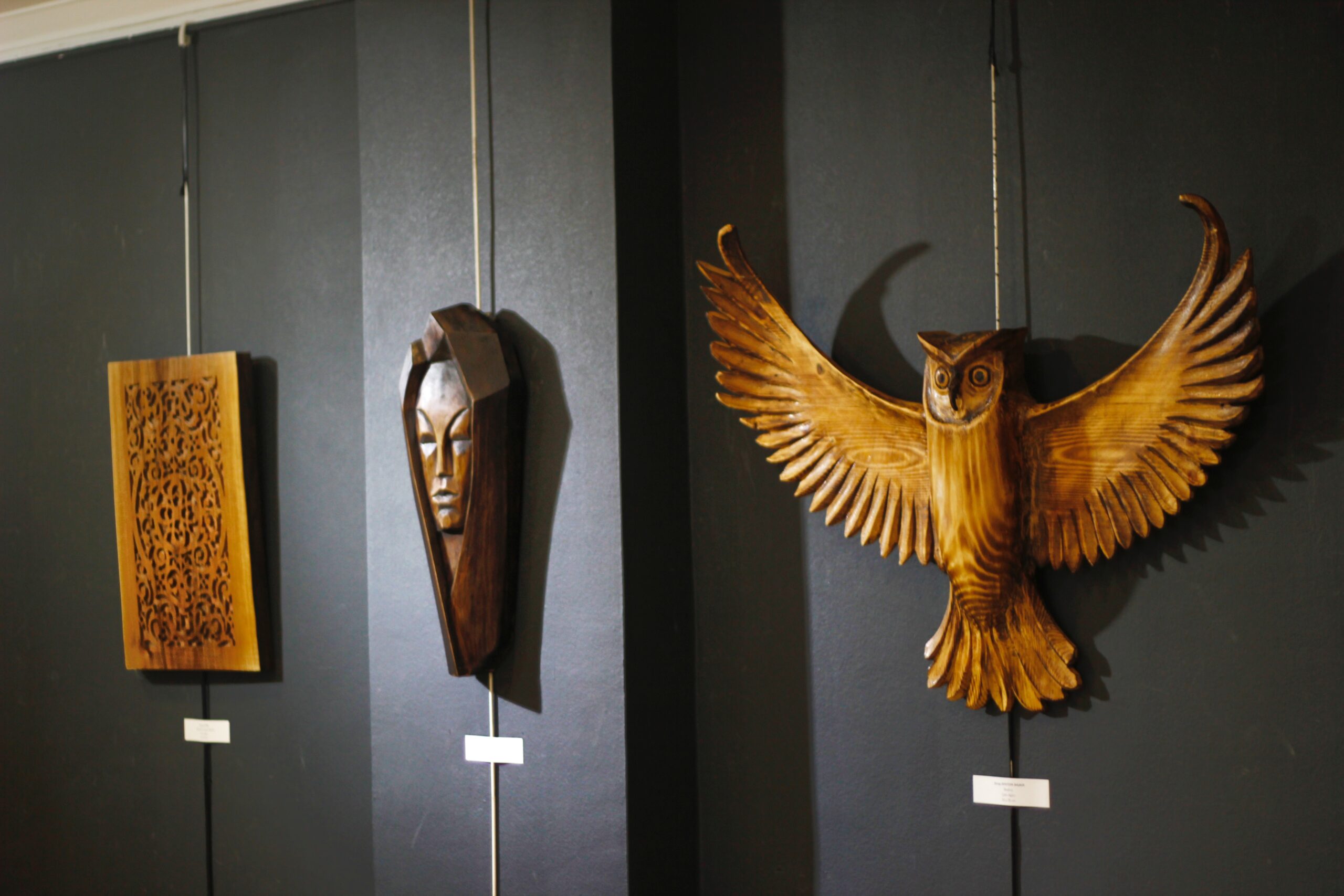
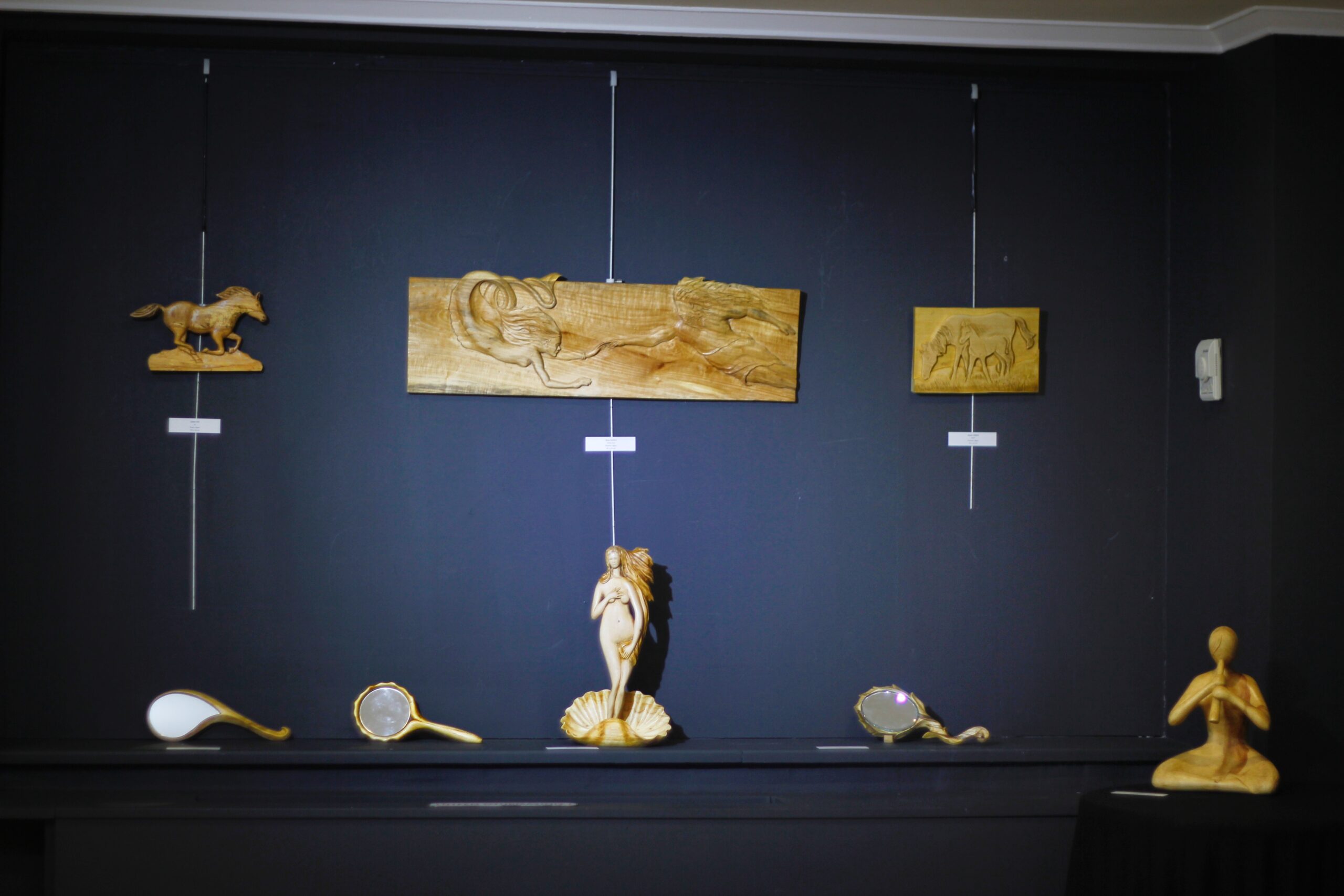
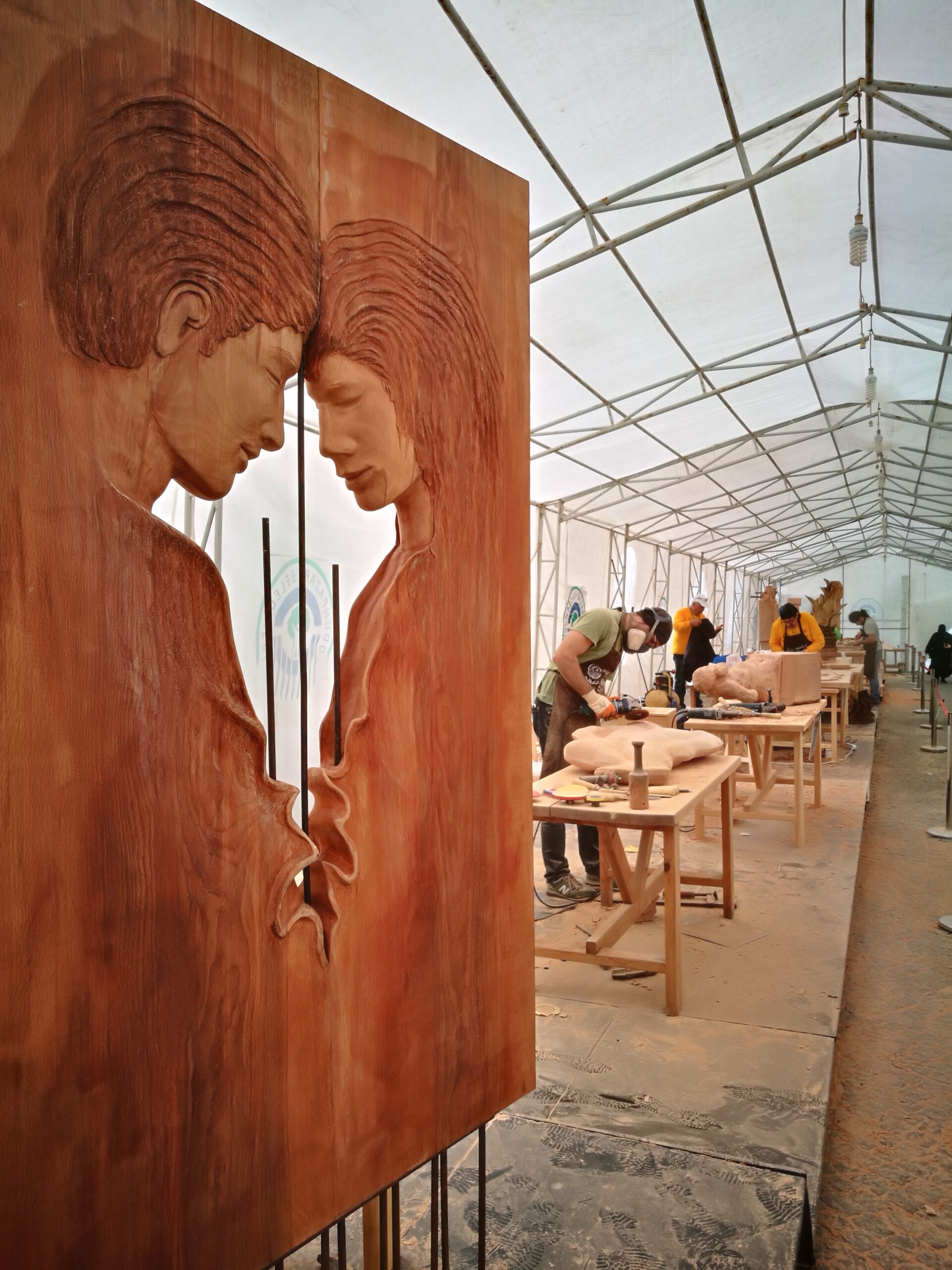
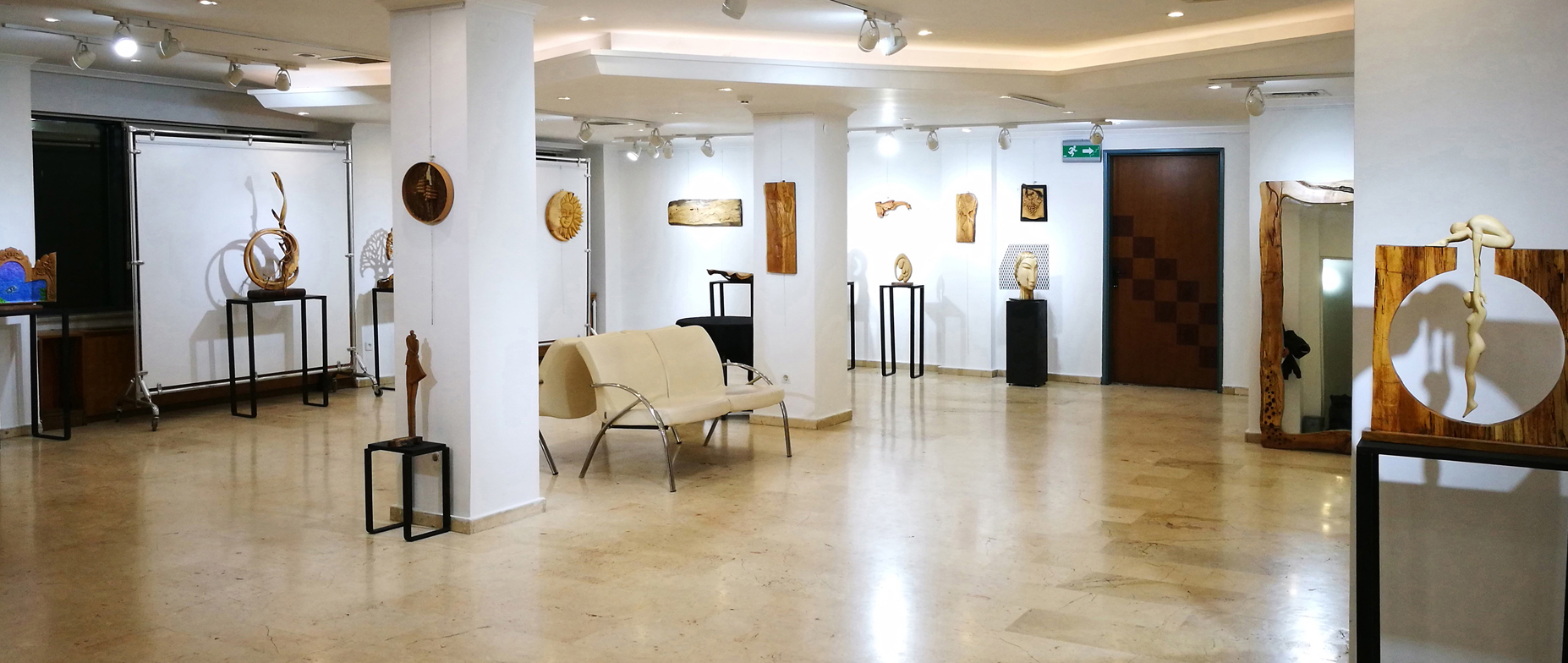
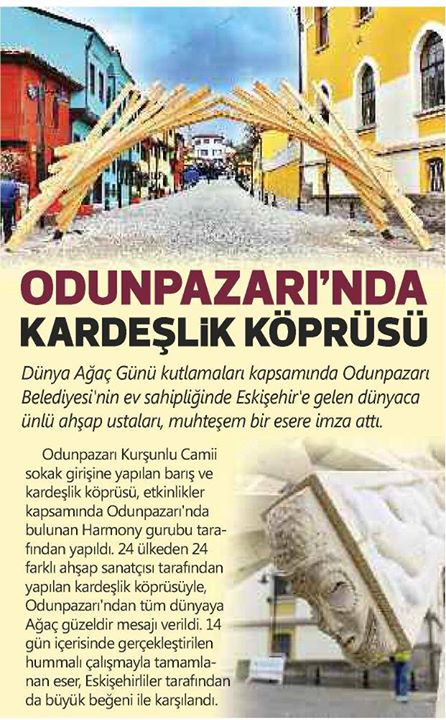
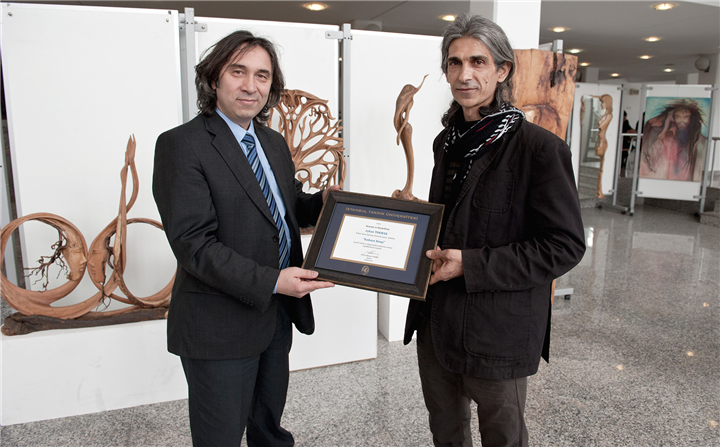
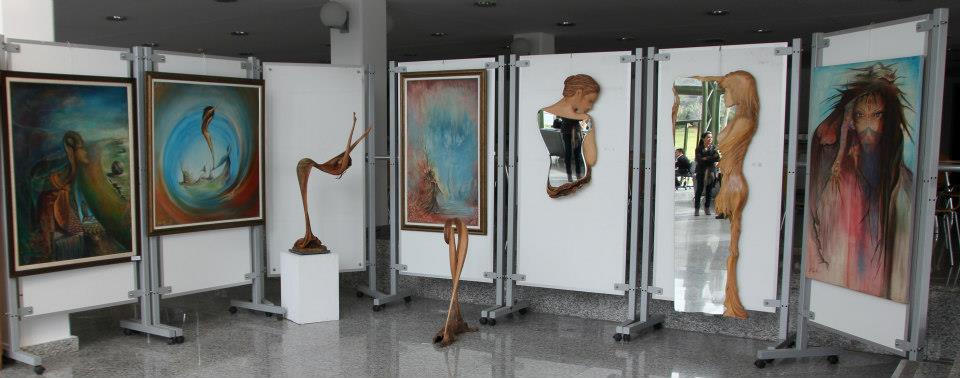
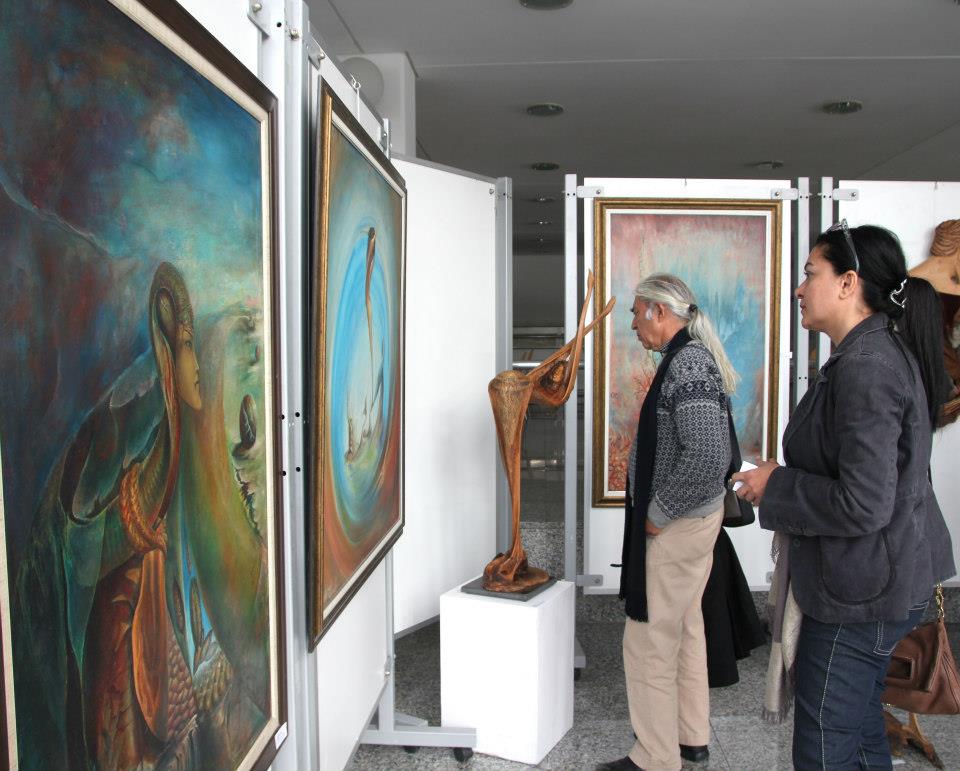
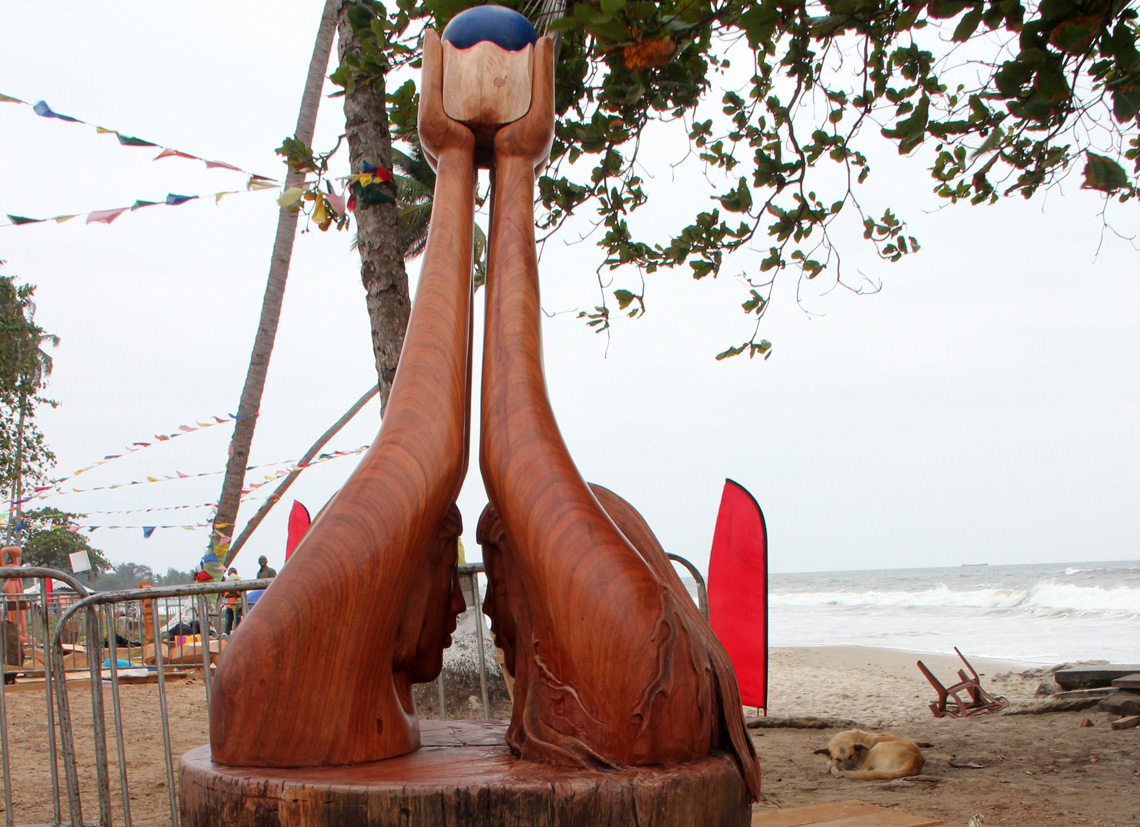
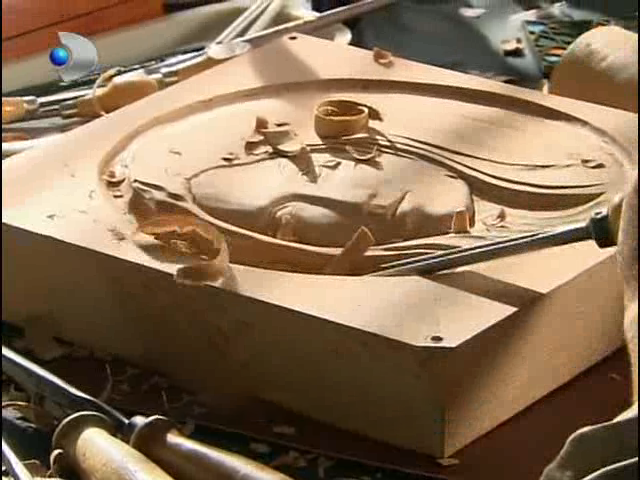
Tomak’s forms almost always carry a story. In his work he blends traces of Anatolian mythology and the Hellenistic period through his own interpretation, and lets the piece become a storyteller. The figure of the tree — the tree of life above all — stands at the centre of that telling; a symbol with deep roots across cultures and mythologies, it finds a contemporary form in his hands. His mirror works, bearing names such as Artemis and Gaia, bring wood together with a quite different material: reflection. The theme beneath all of it is a simple one: peace, life, living, love. He explains, too, why he tells these things through the tree. He believes we cannot see good days without making peace with ourselves, with those around us and with nature, and says that in recent years he has tried to say precisely this through sculptures on the subject of the tree. In his understanding of art, making is an ethical position: “art that comes from making shines,” he says, describing his effort not to become a captive of what he consumes.
Monuments and metal
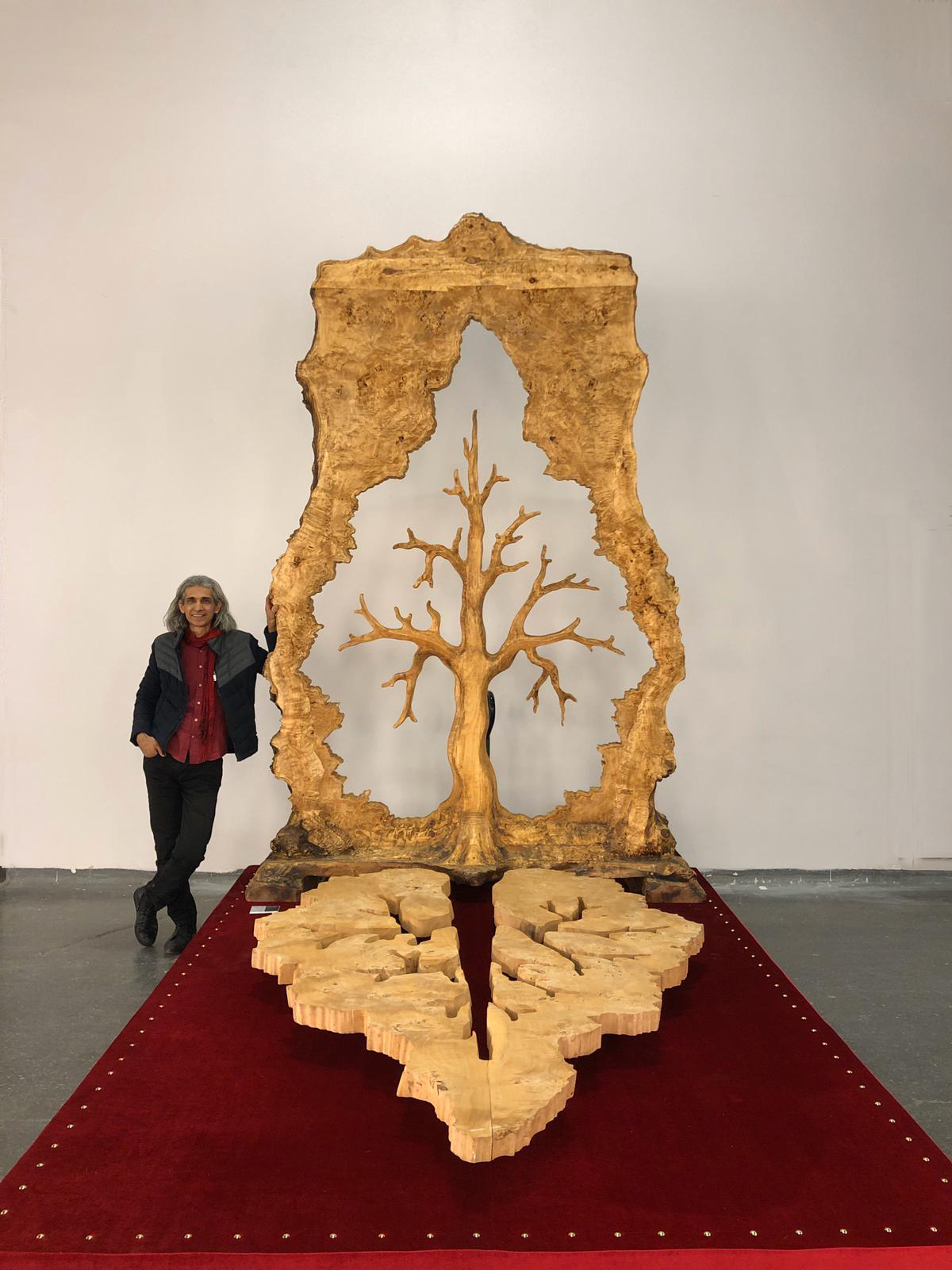
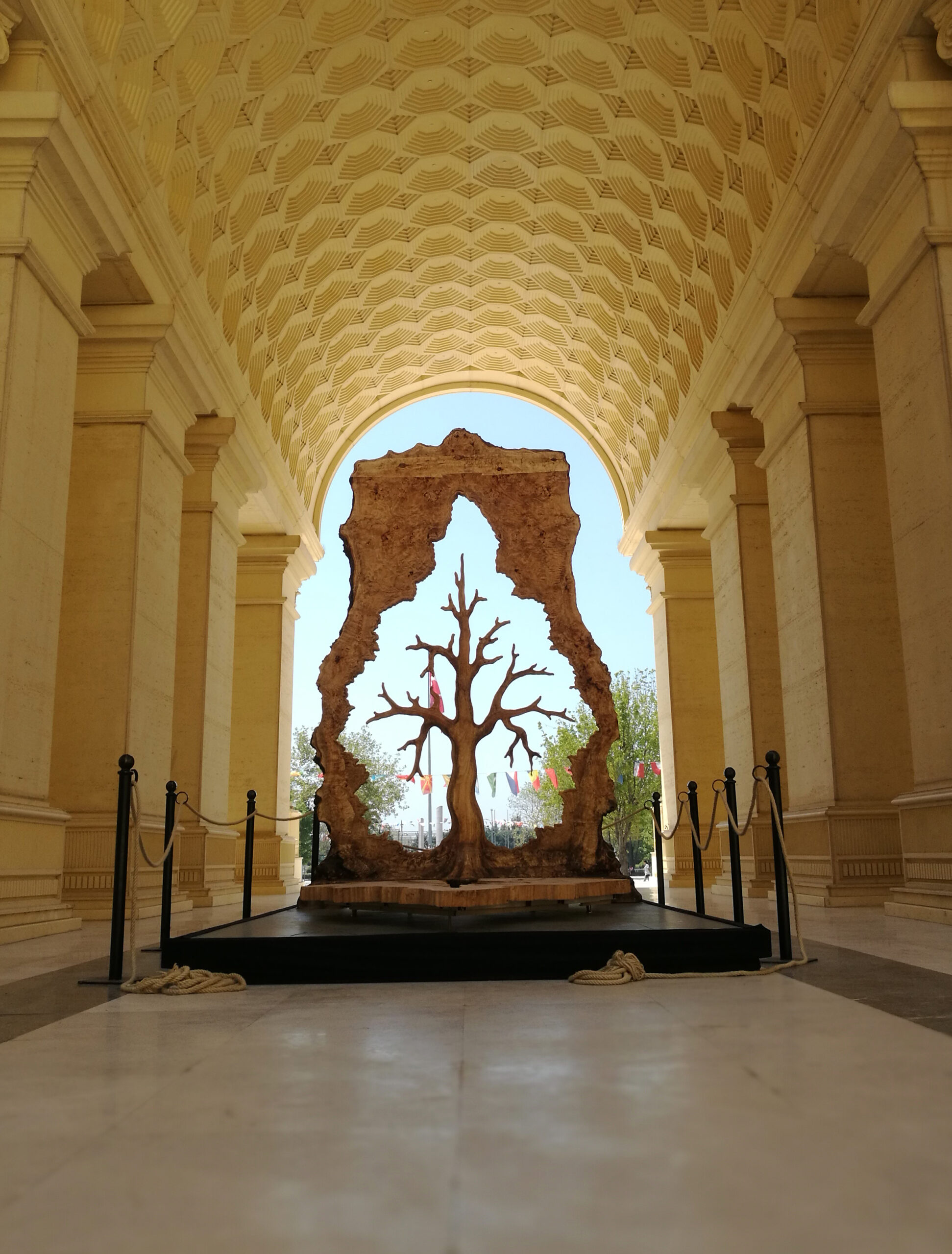
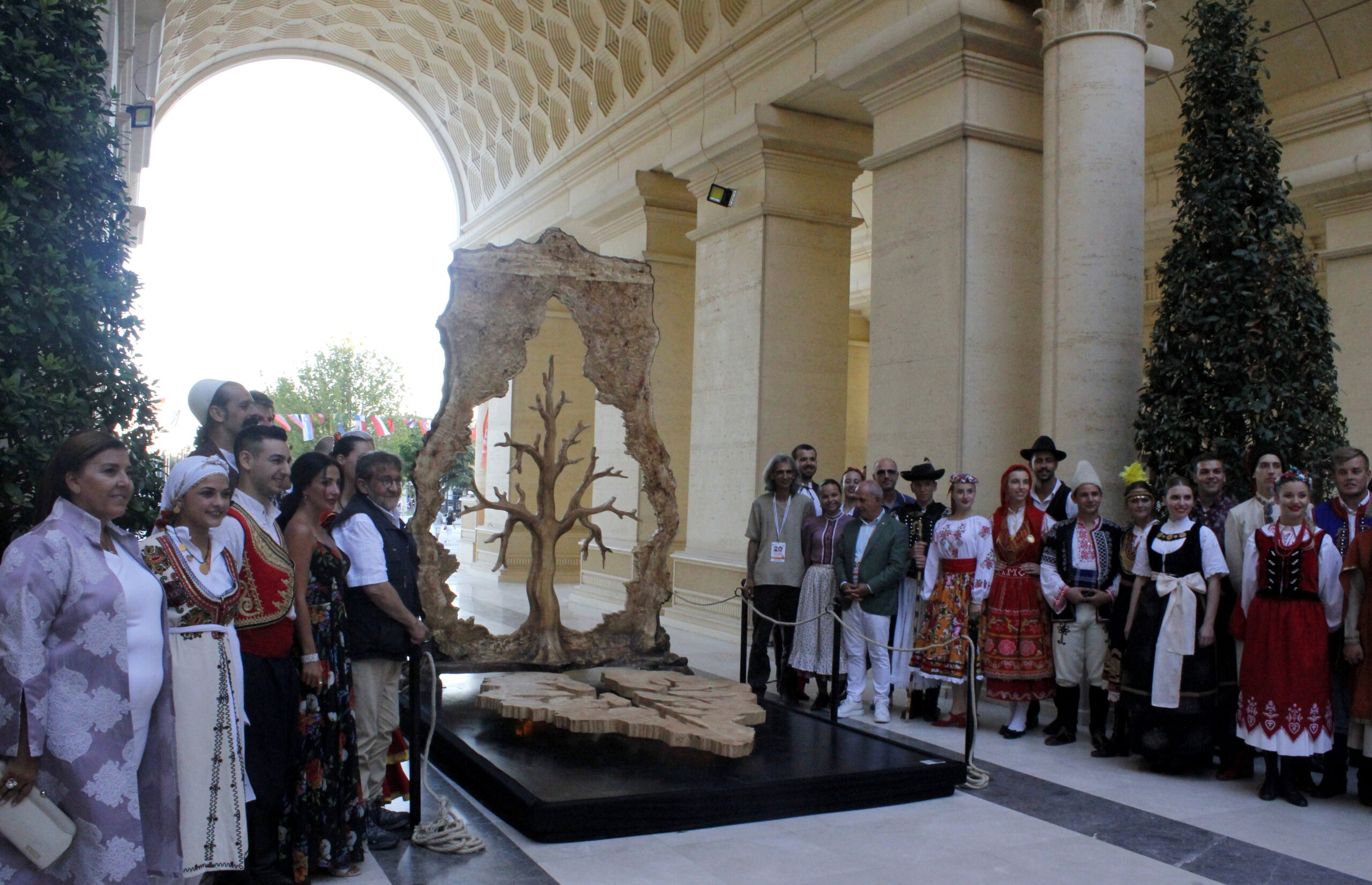
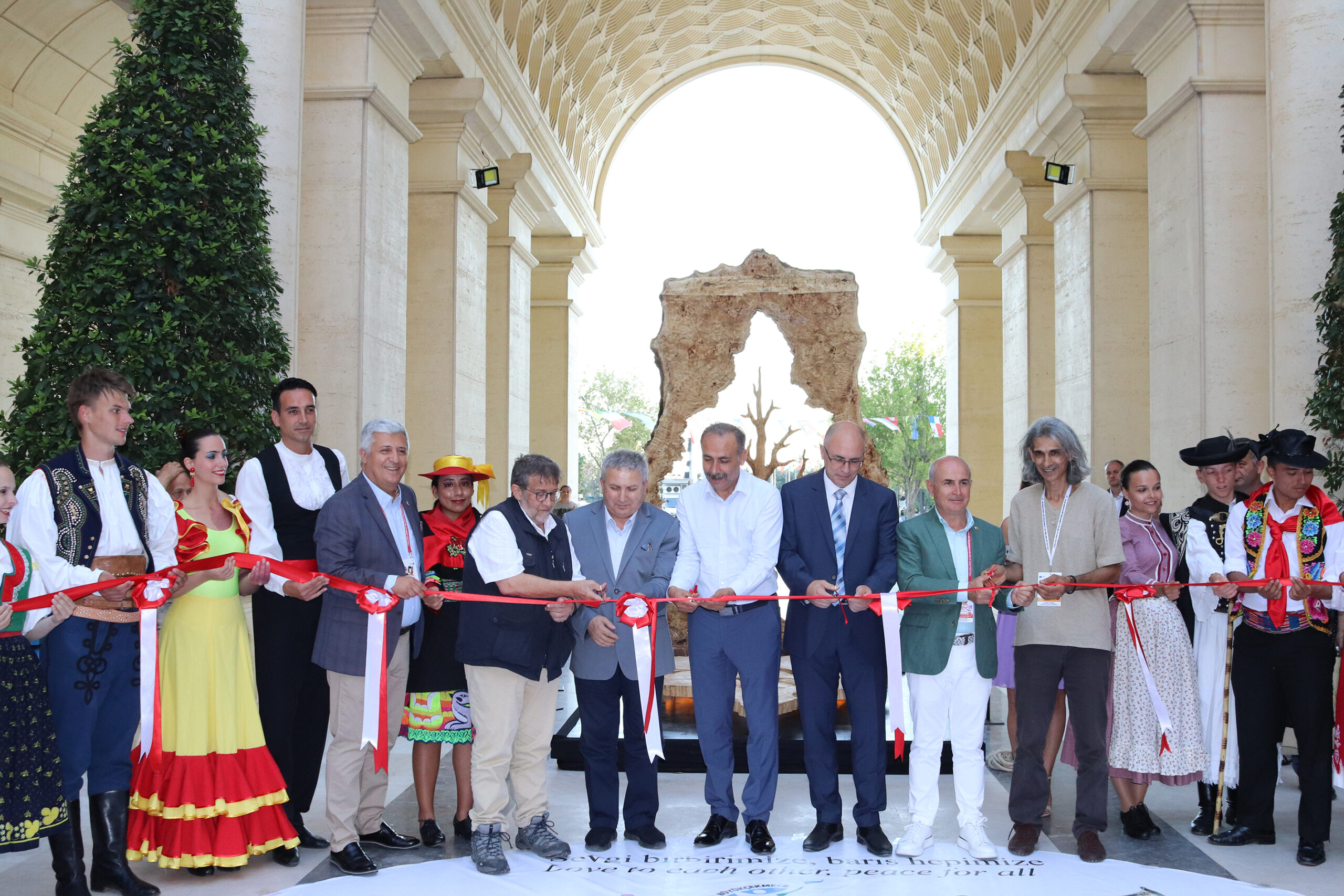
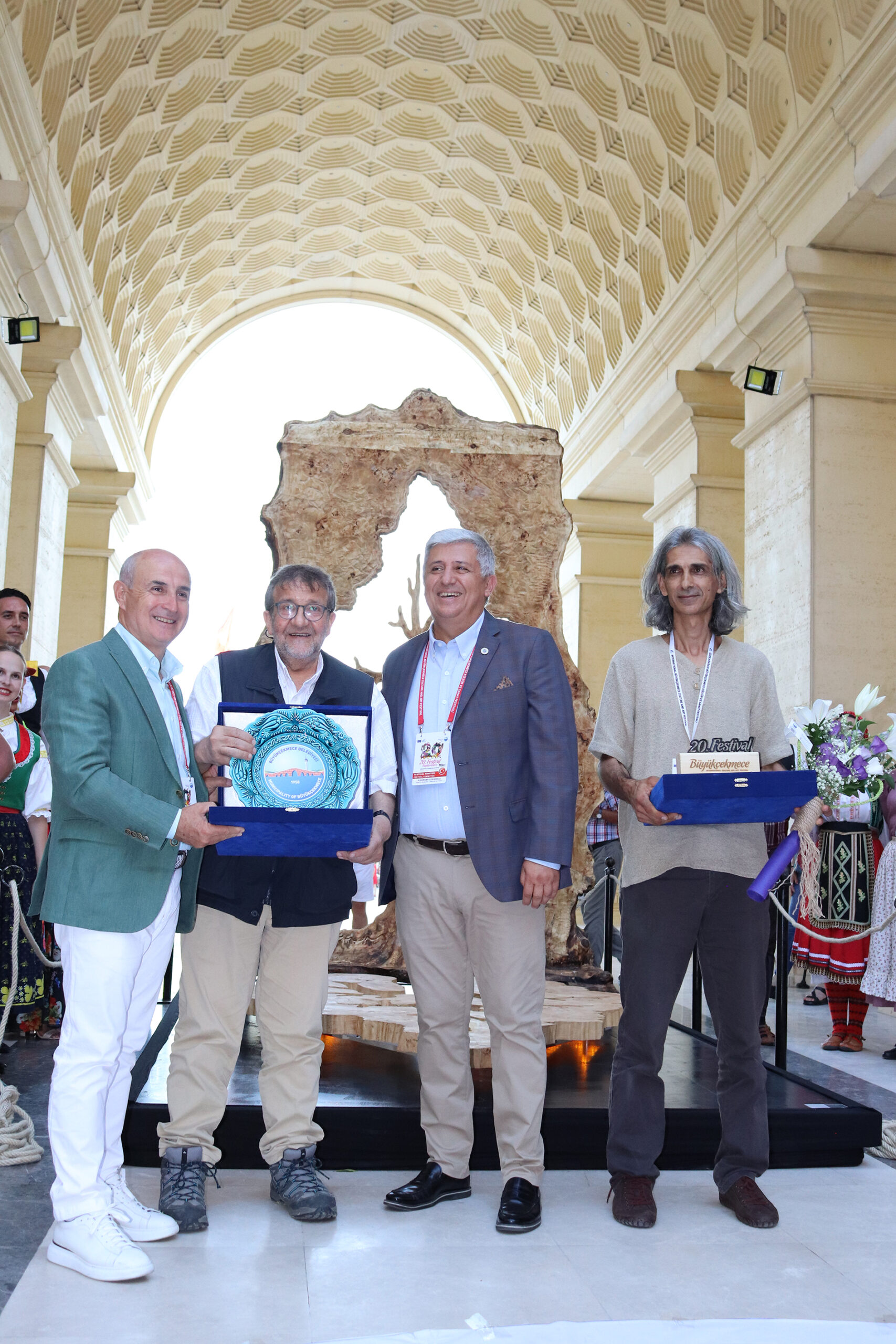
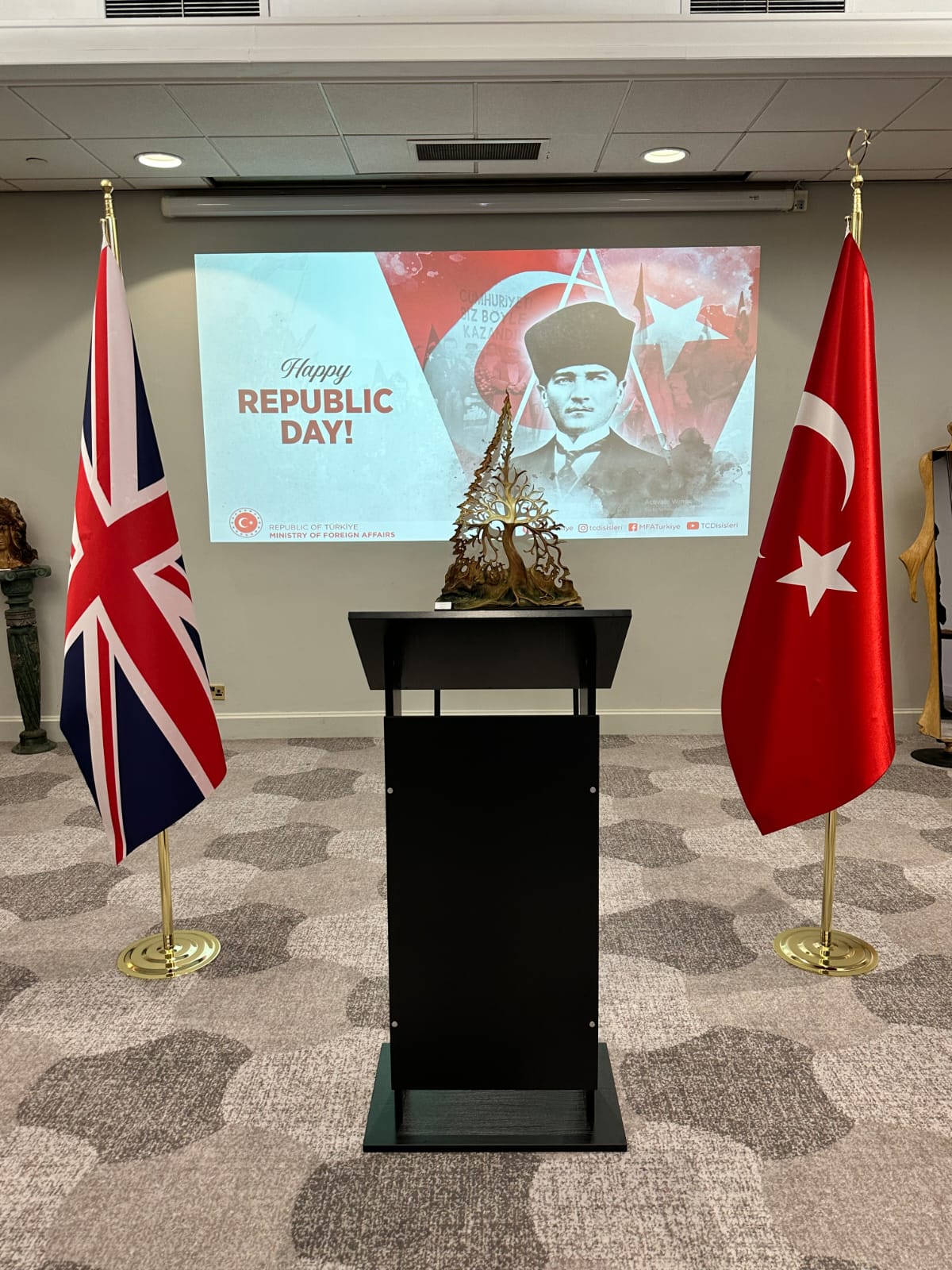
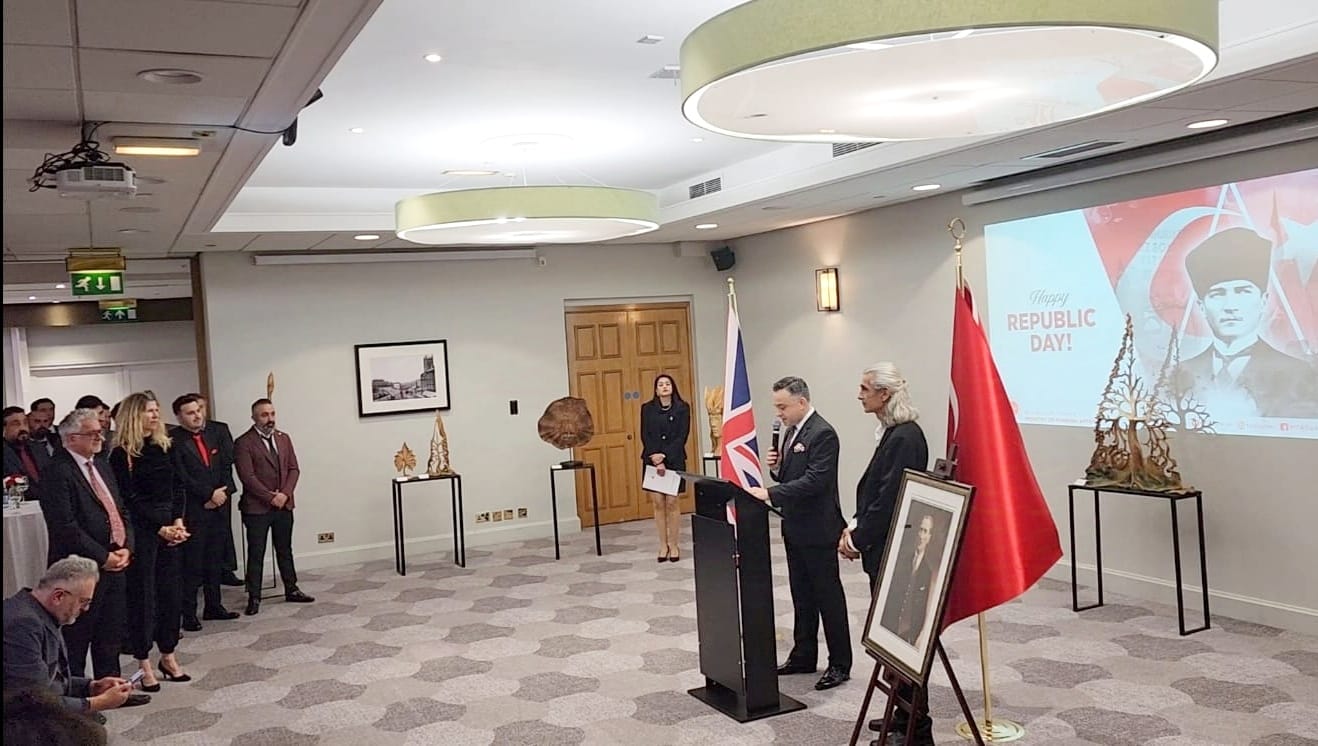
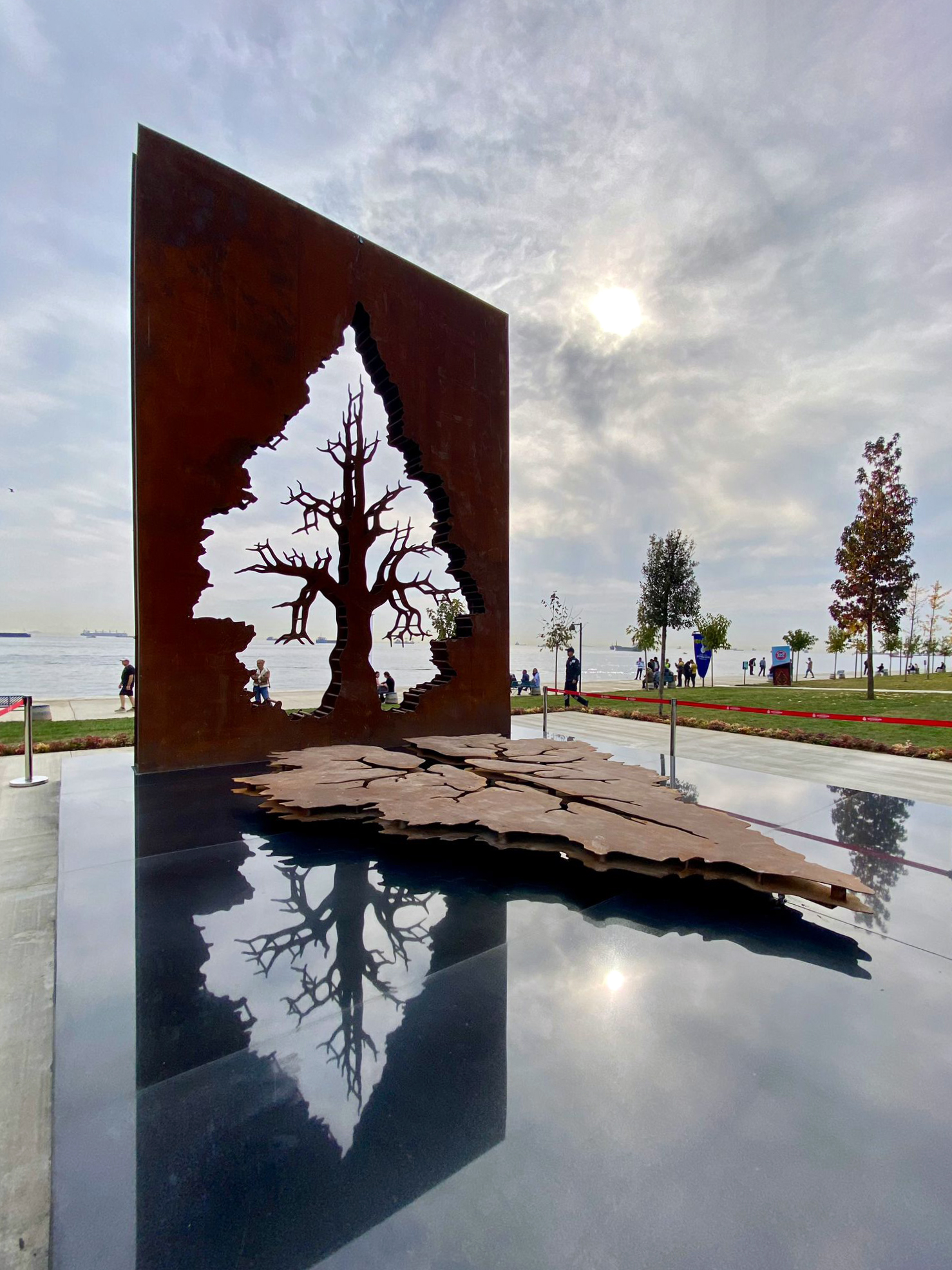
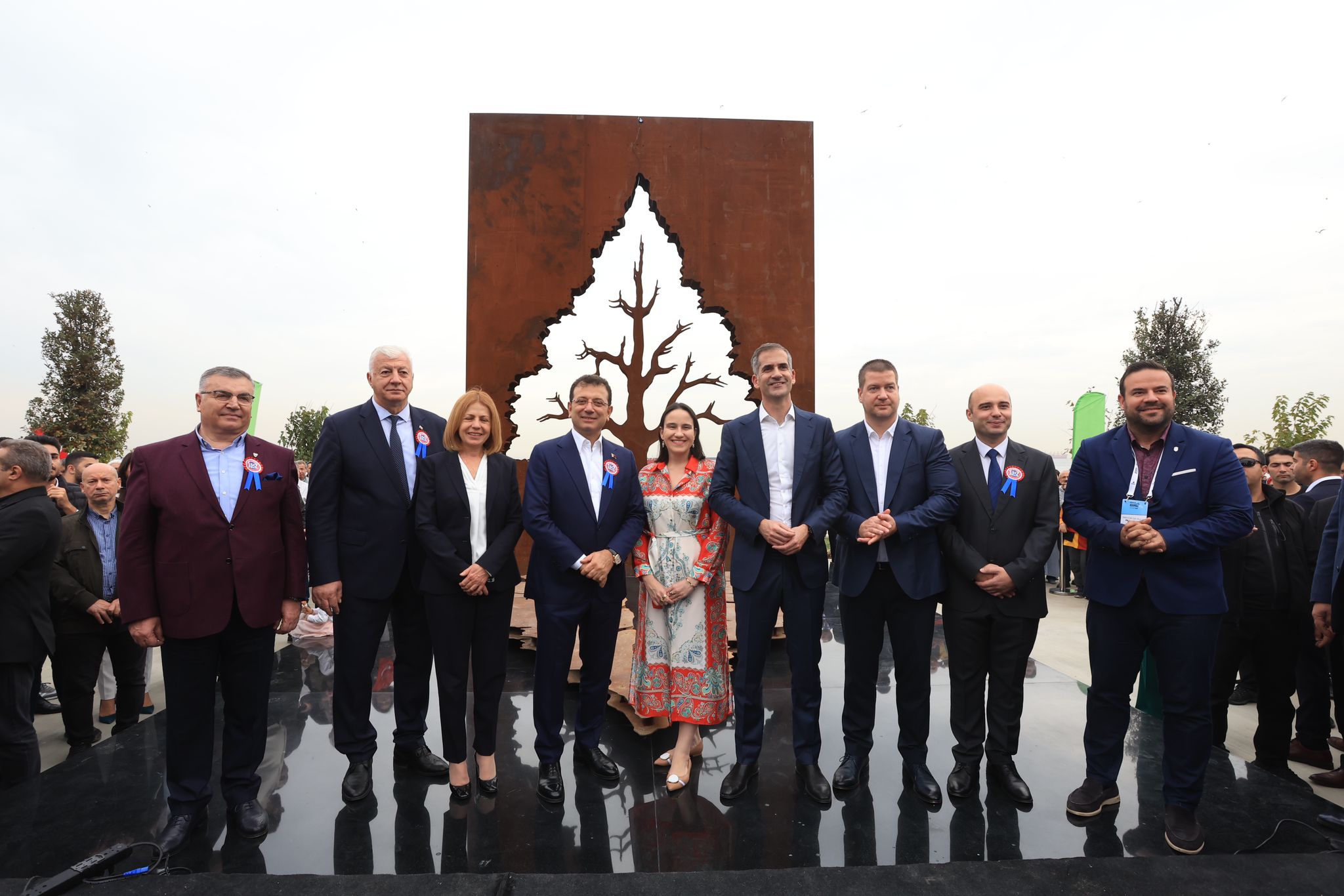
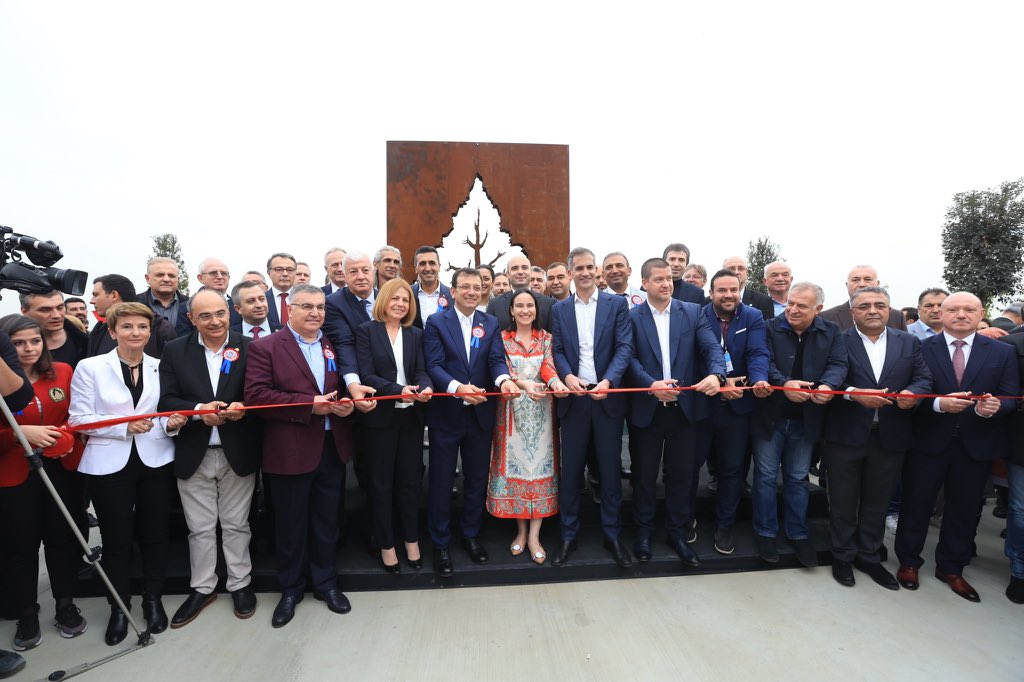
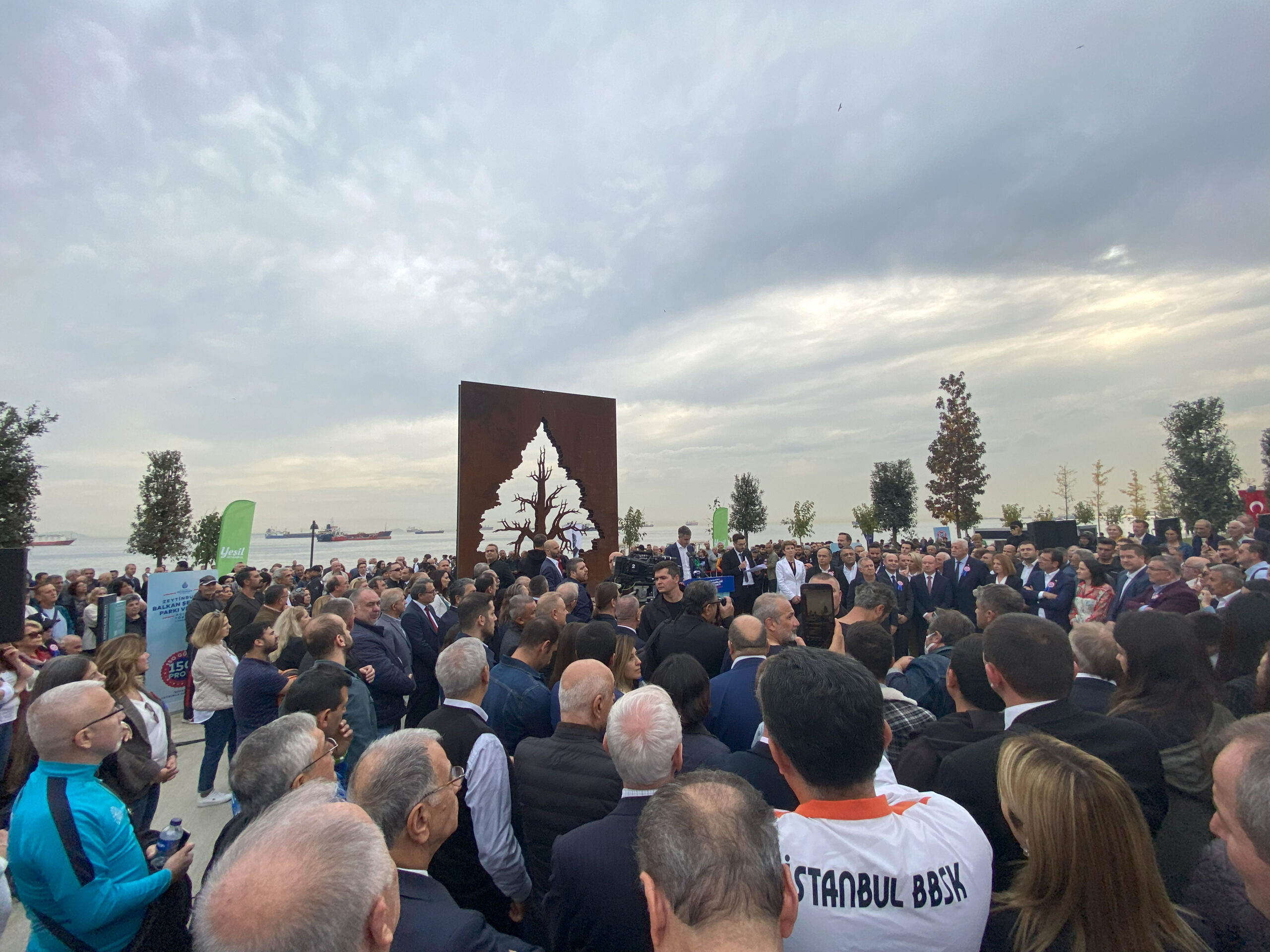
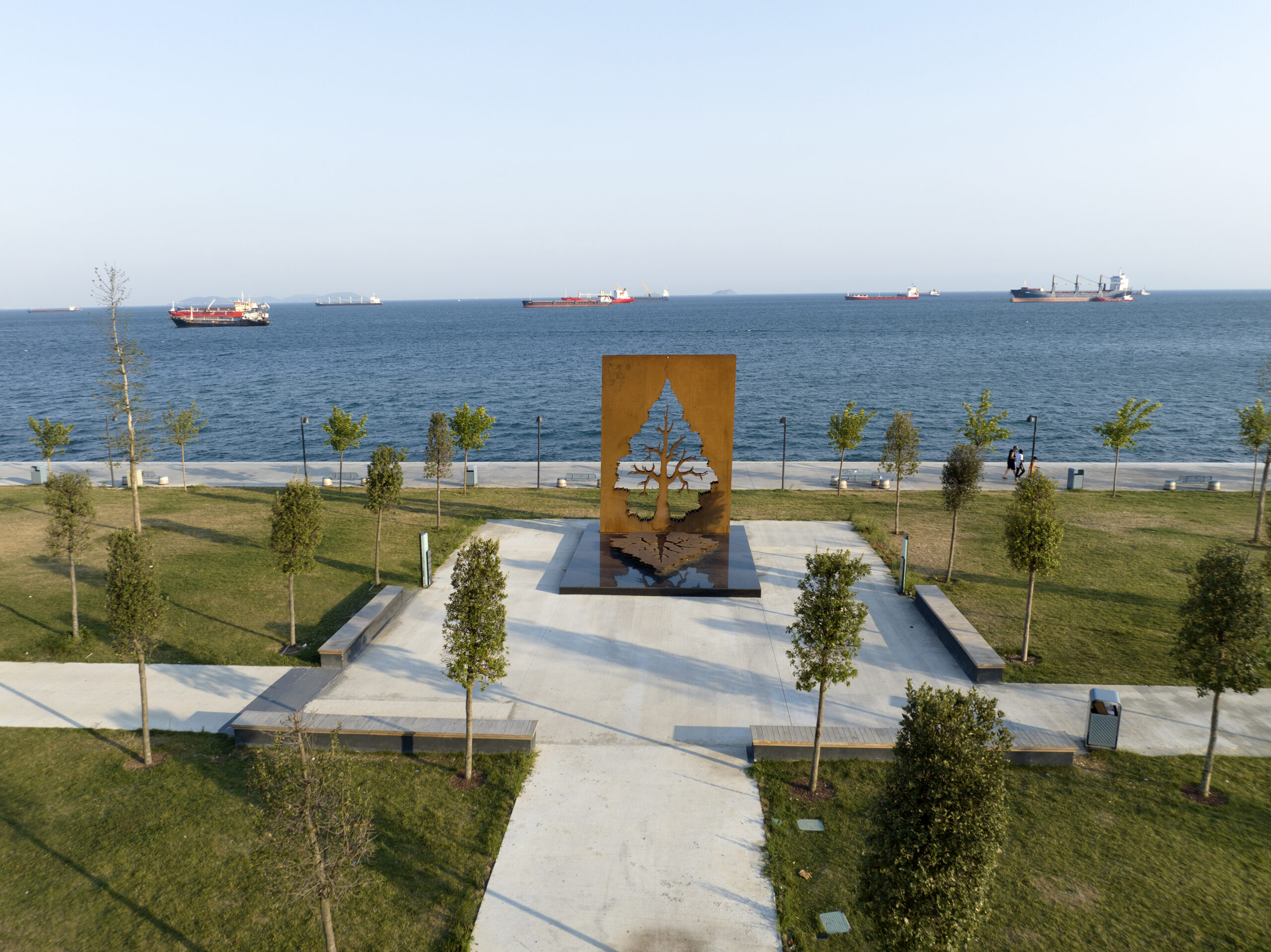
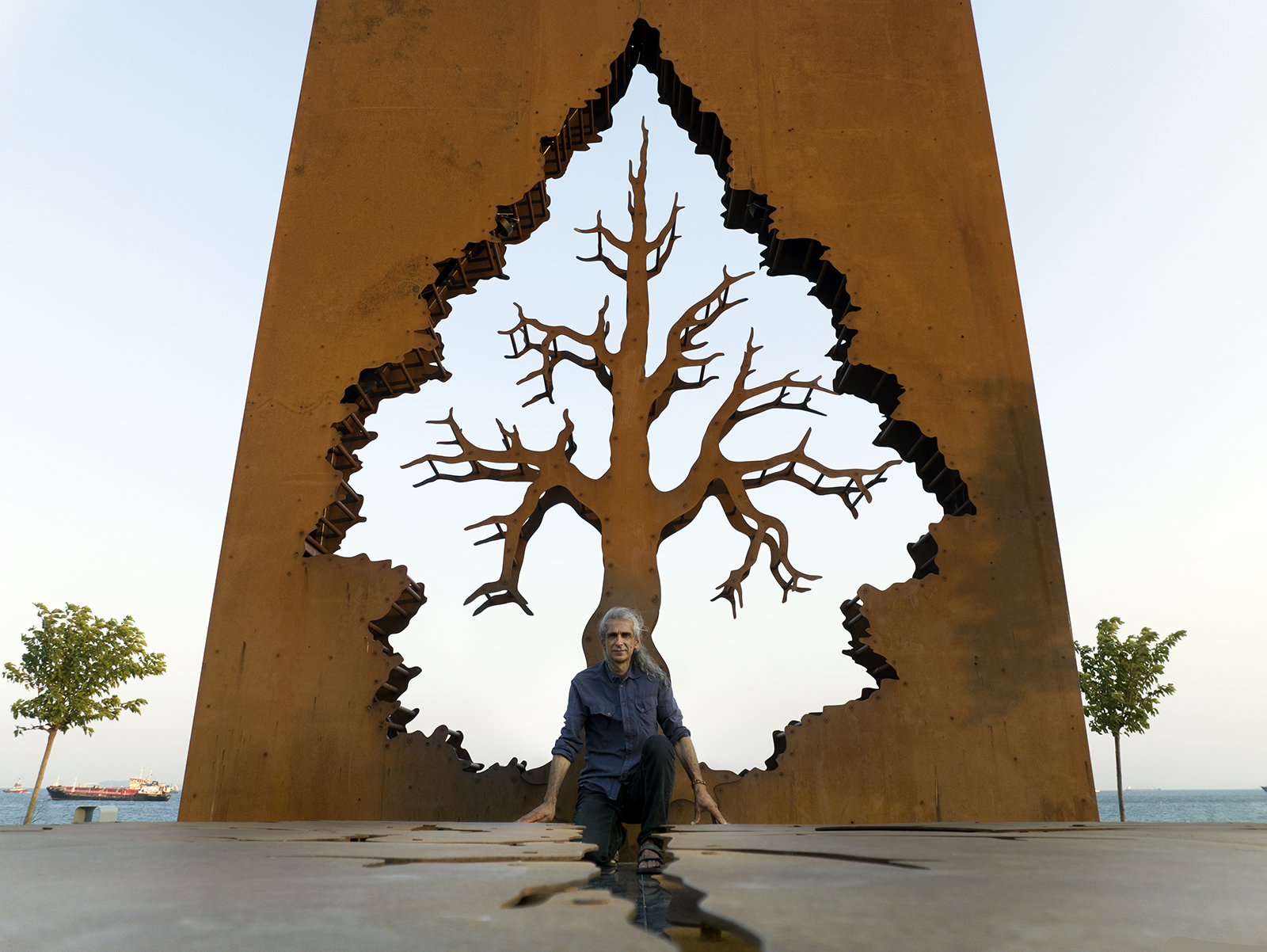
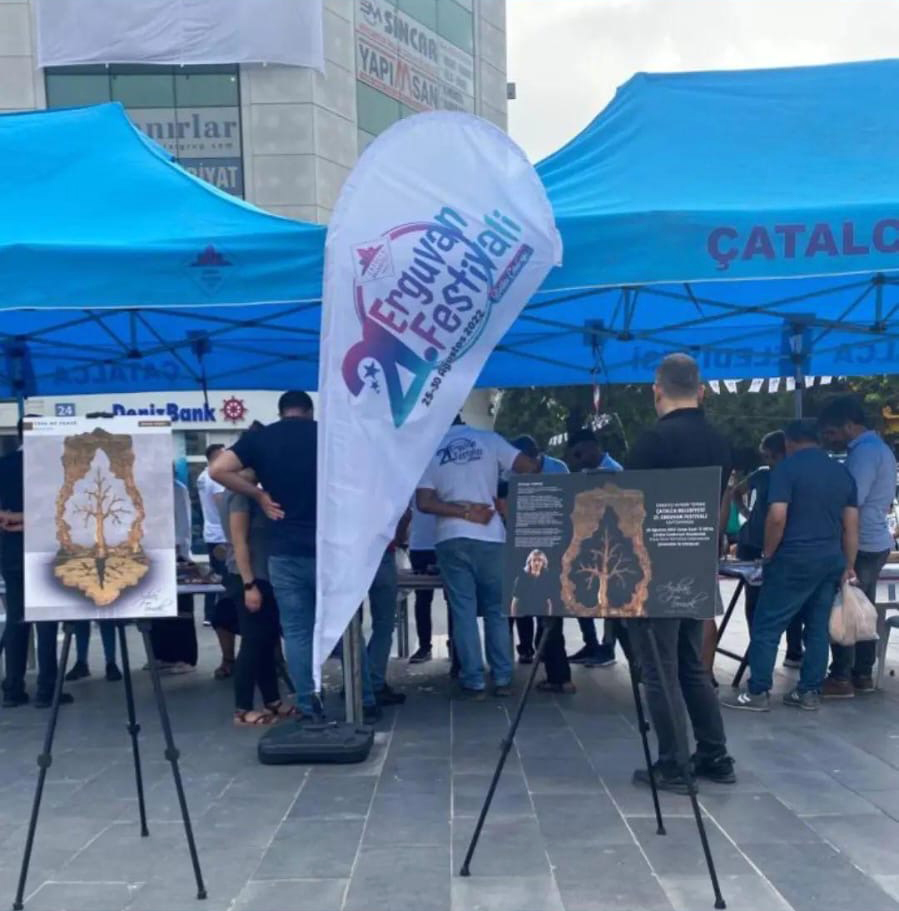
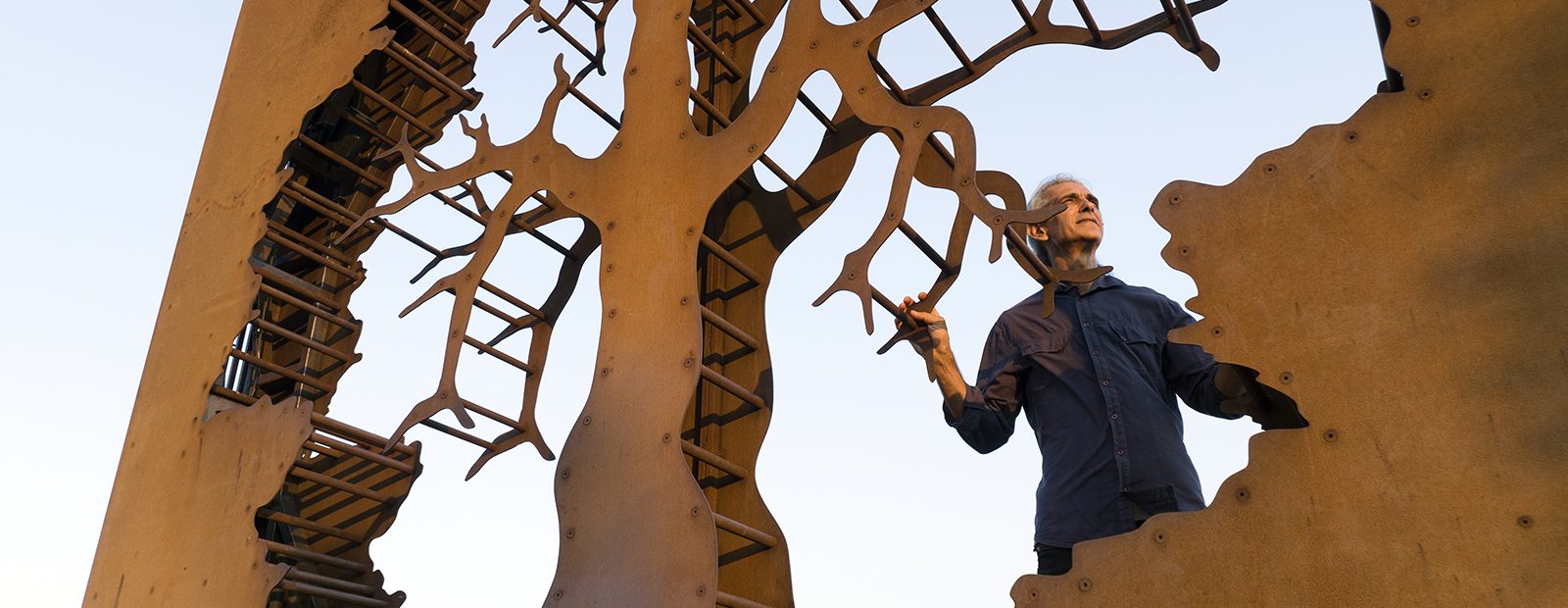
In recent years Tomak has enlarged both his scale and his materials. From 2020 he began to work with metal as well and turned to monumental sculpture; his first metal monument was the “Tree of Peace,” made for the B40 Balkan Cities Network, which brings together the mayors of twenty-three cities from eleven Balkan countries. Commissioned by the Istanbul Metropolitan Municipality, this 6.20-metre work met its audience in November 2022 in B40 Balkan Cities Park. In name and in form alike, it was the public counterpart of the theme of peace he had been working on for years.
An artist who passes it on: putting knowledge into writing
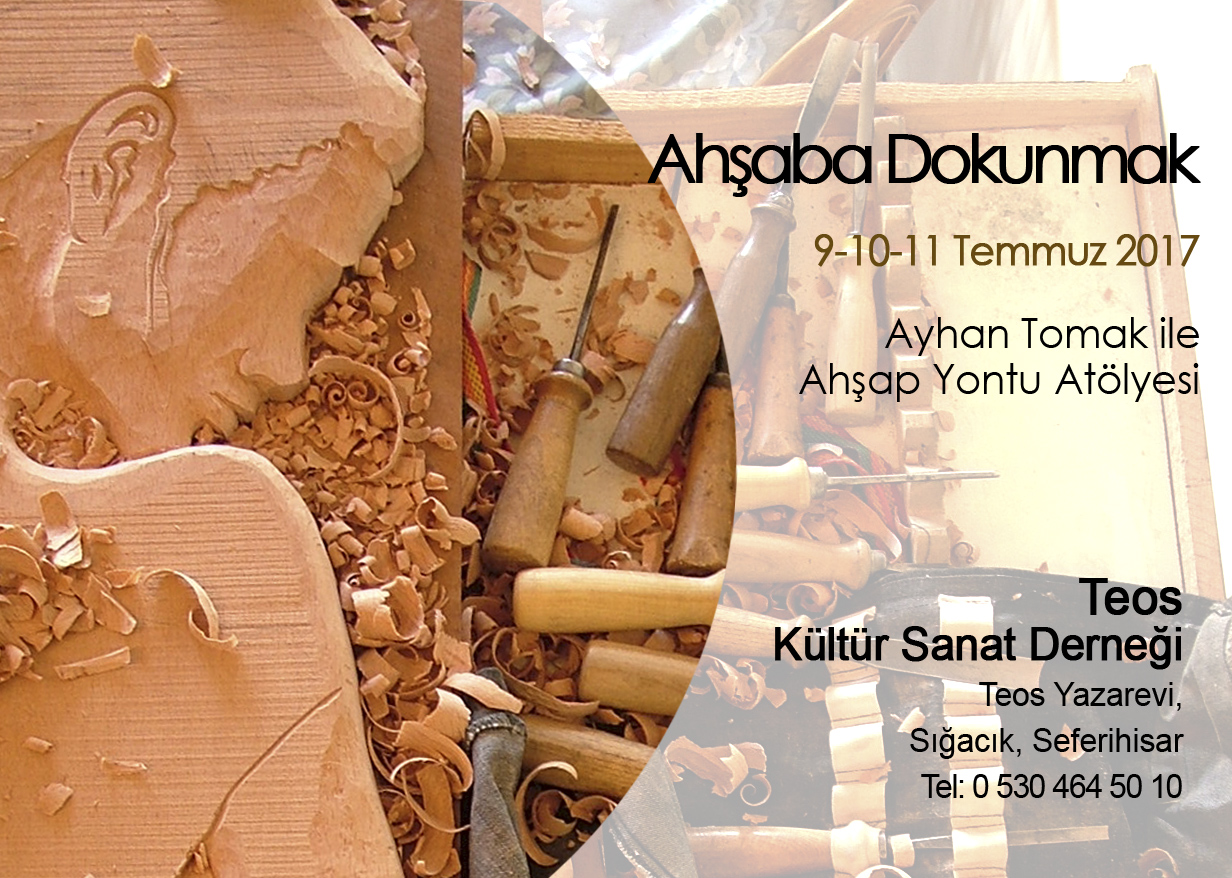
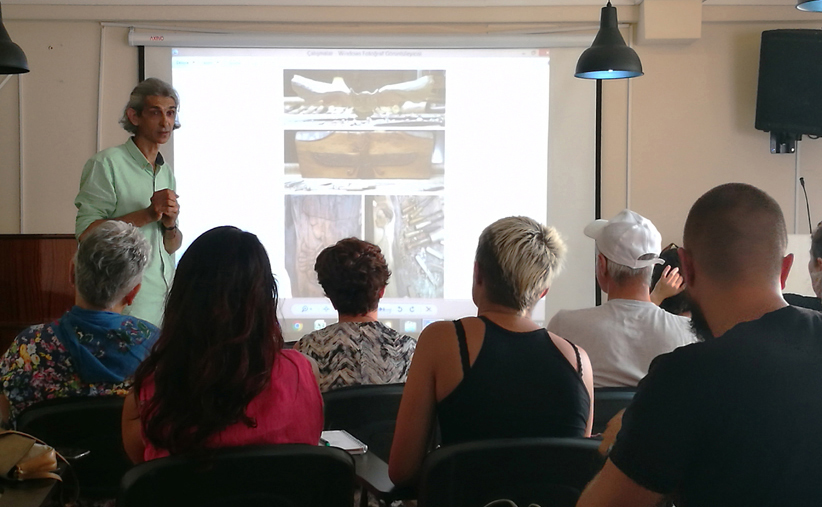
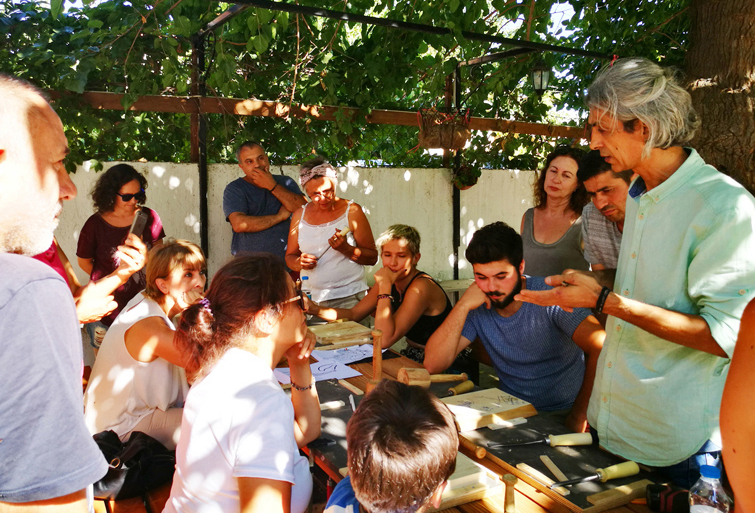
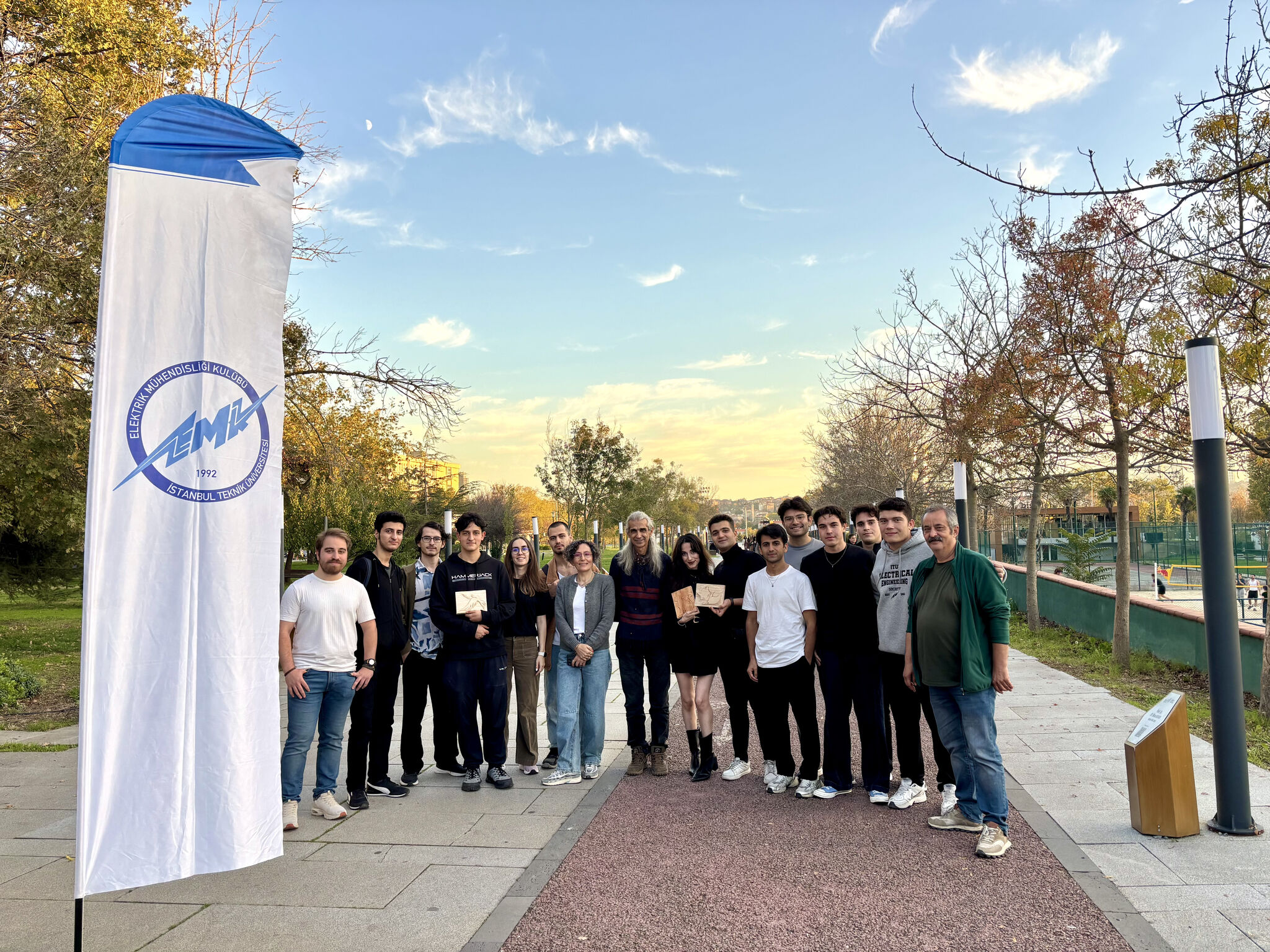
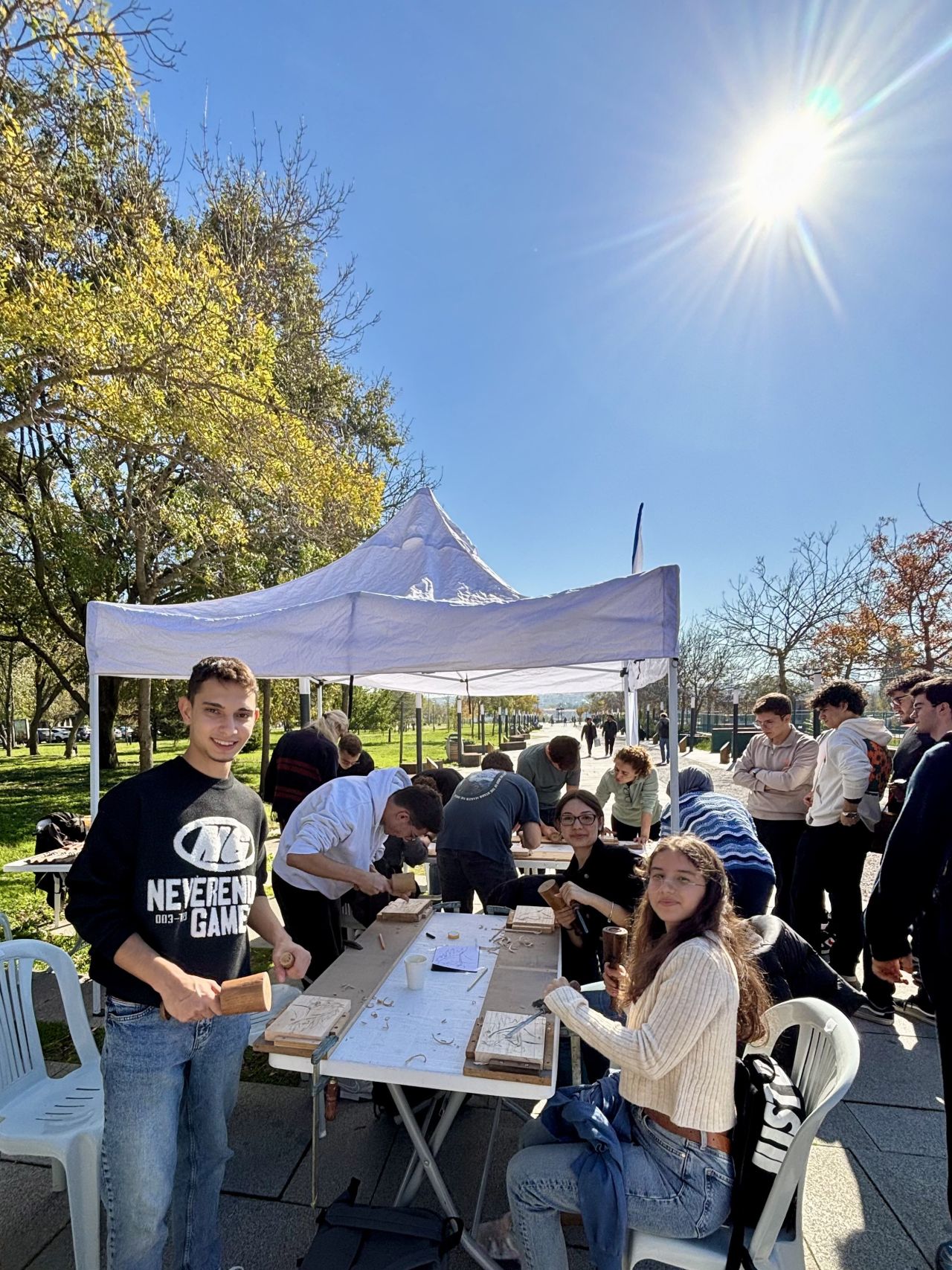
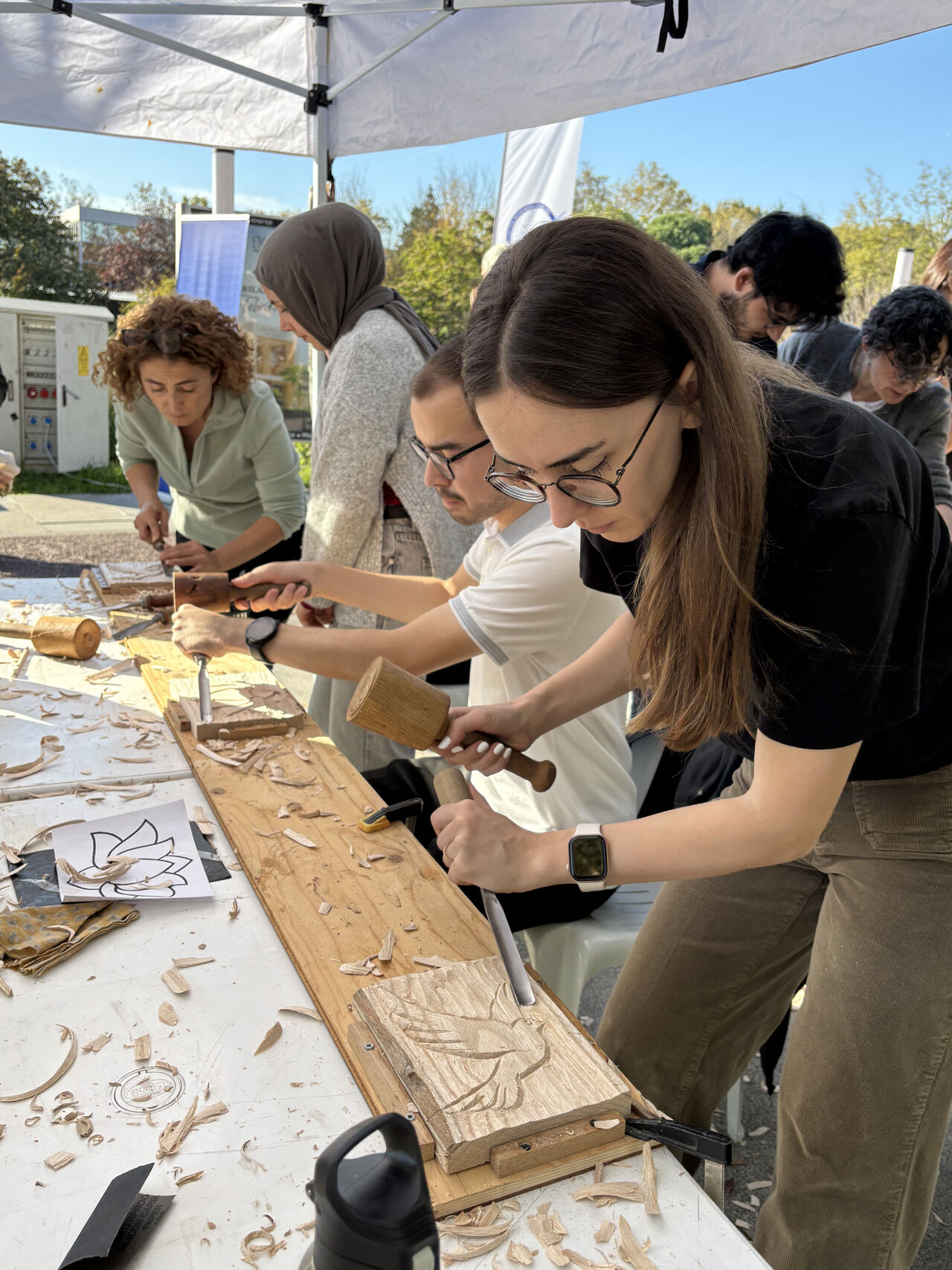
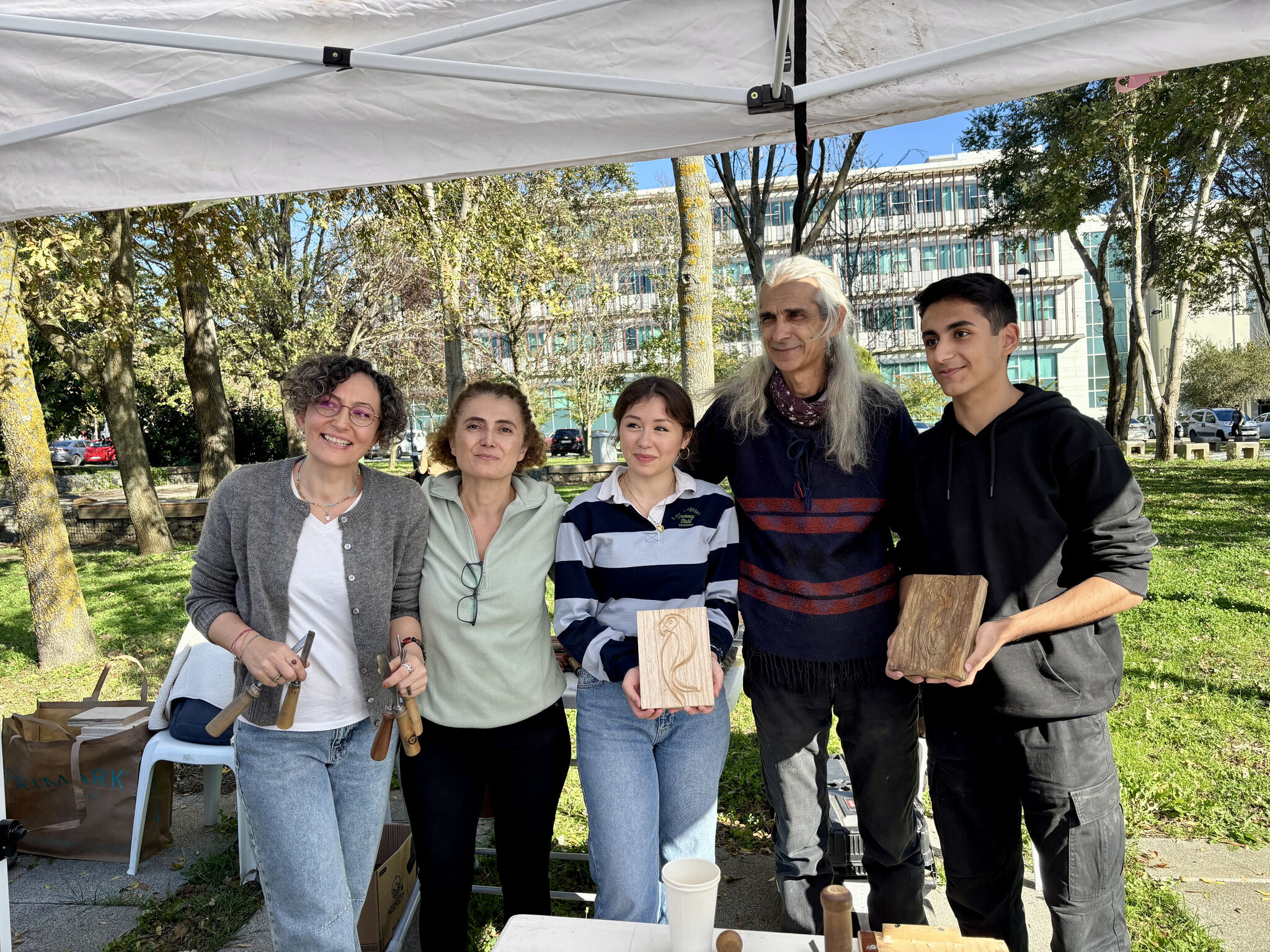
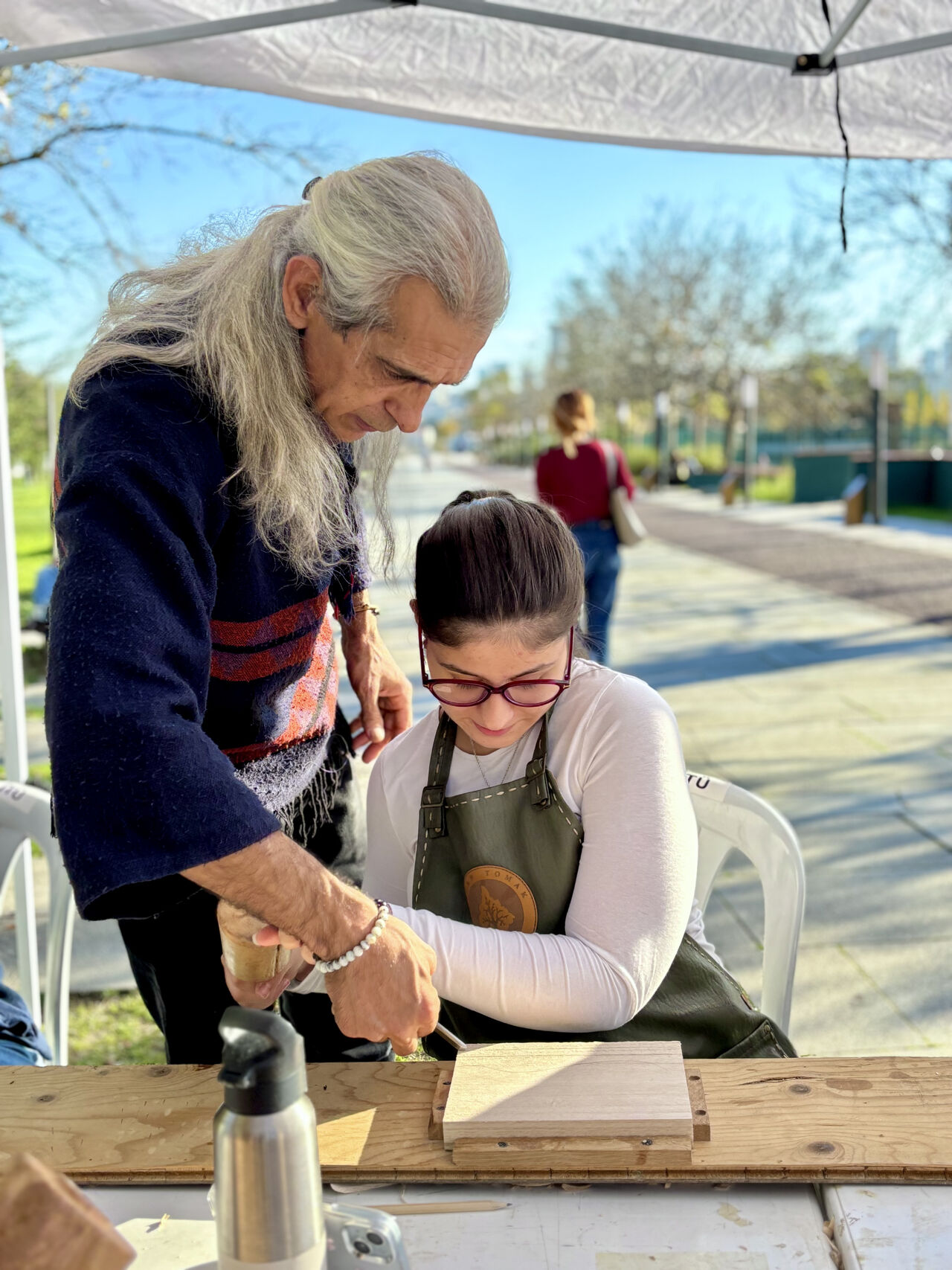
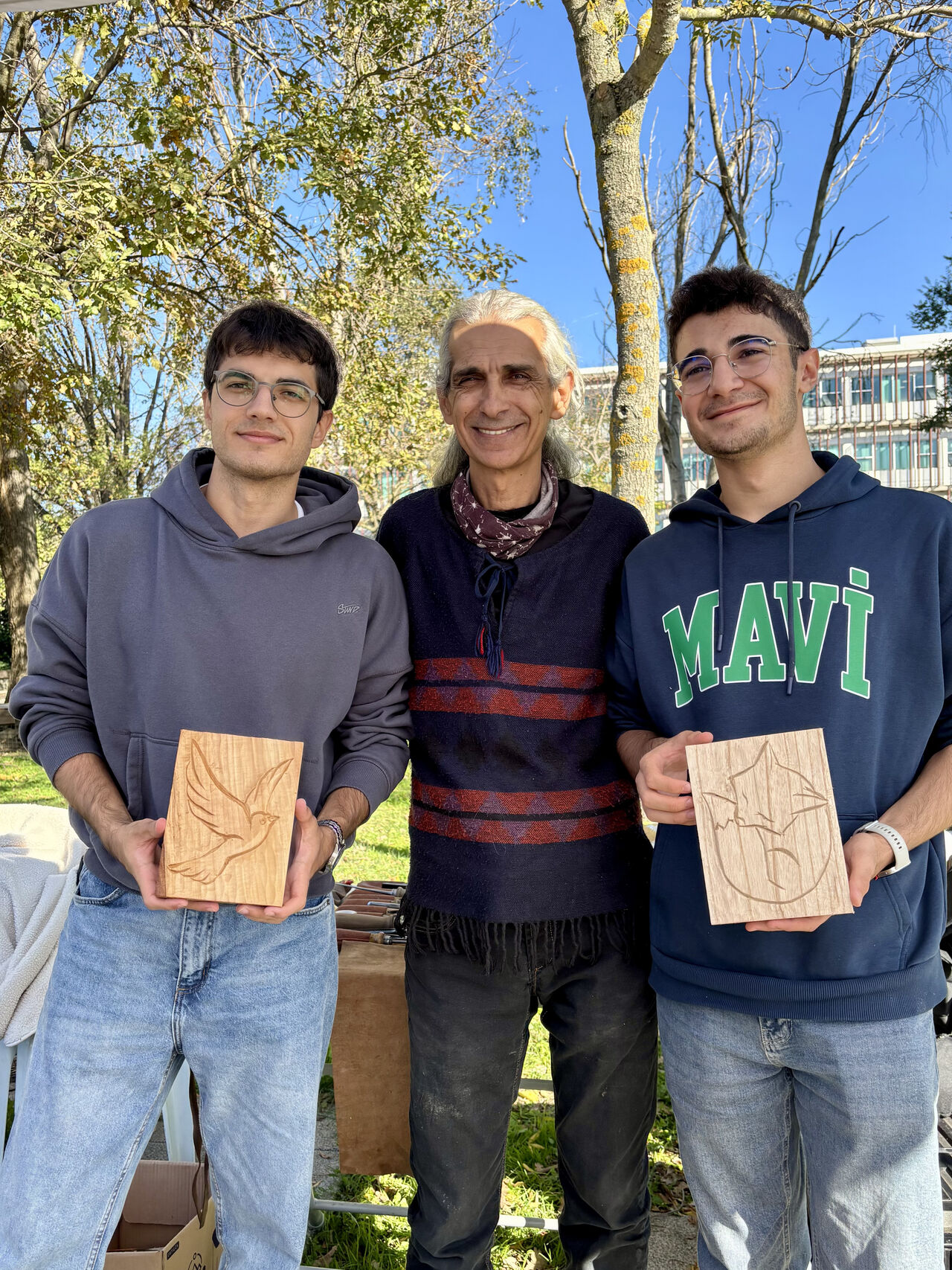
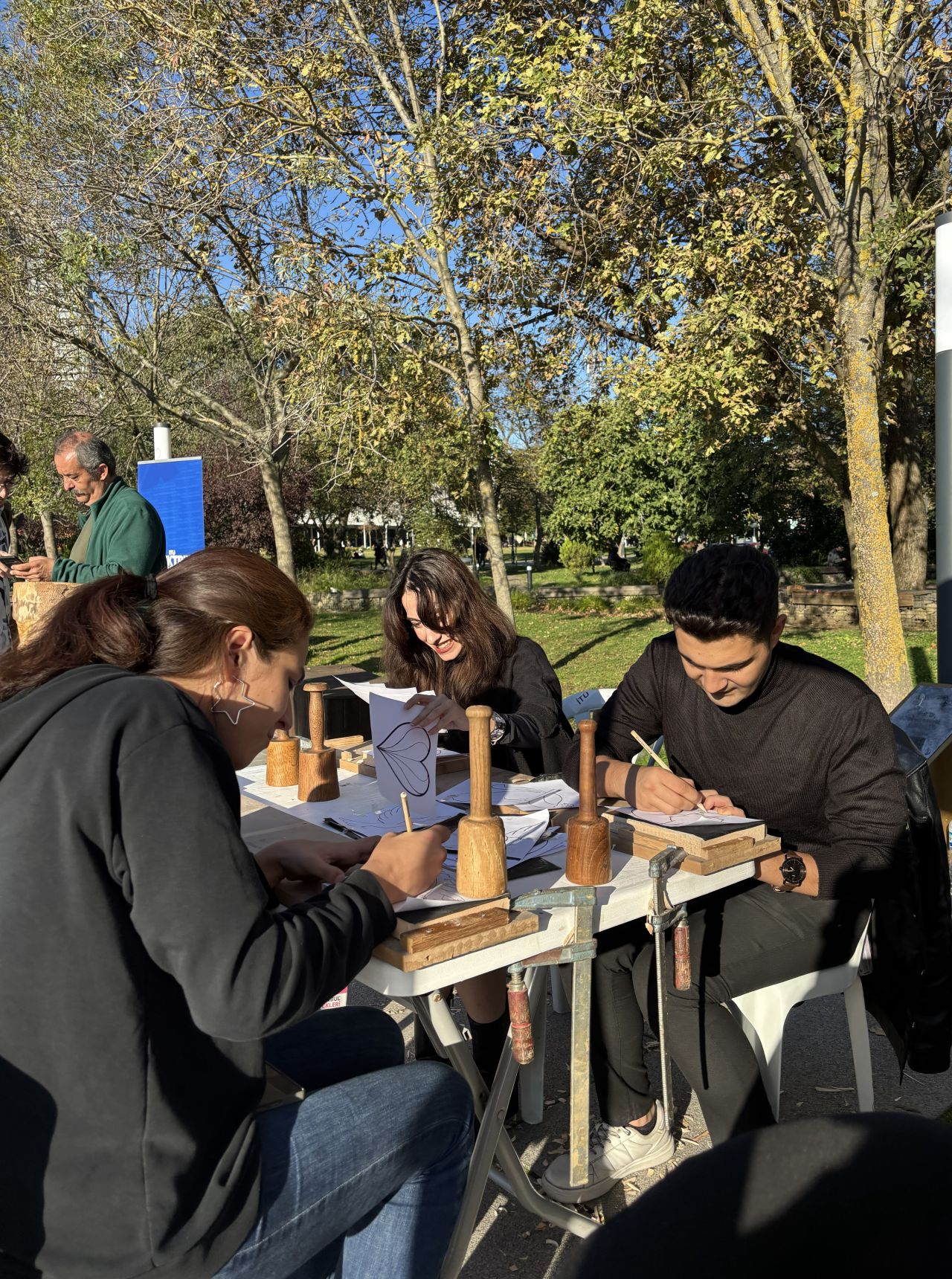
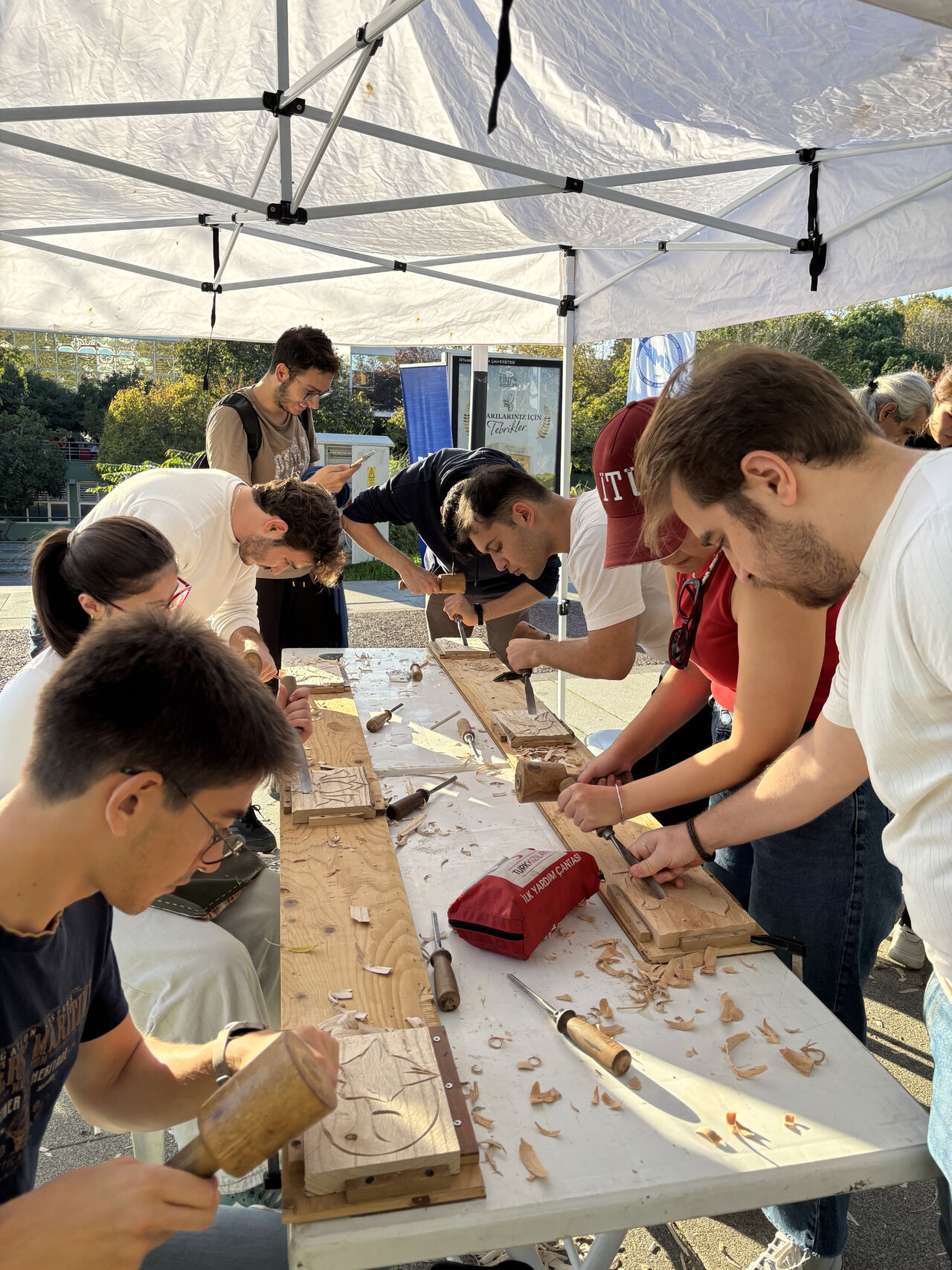
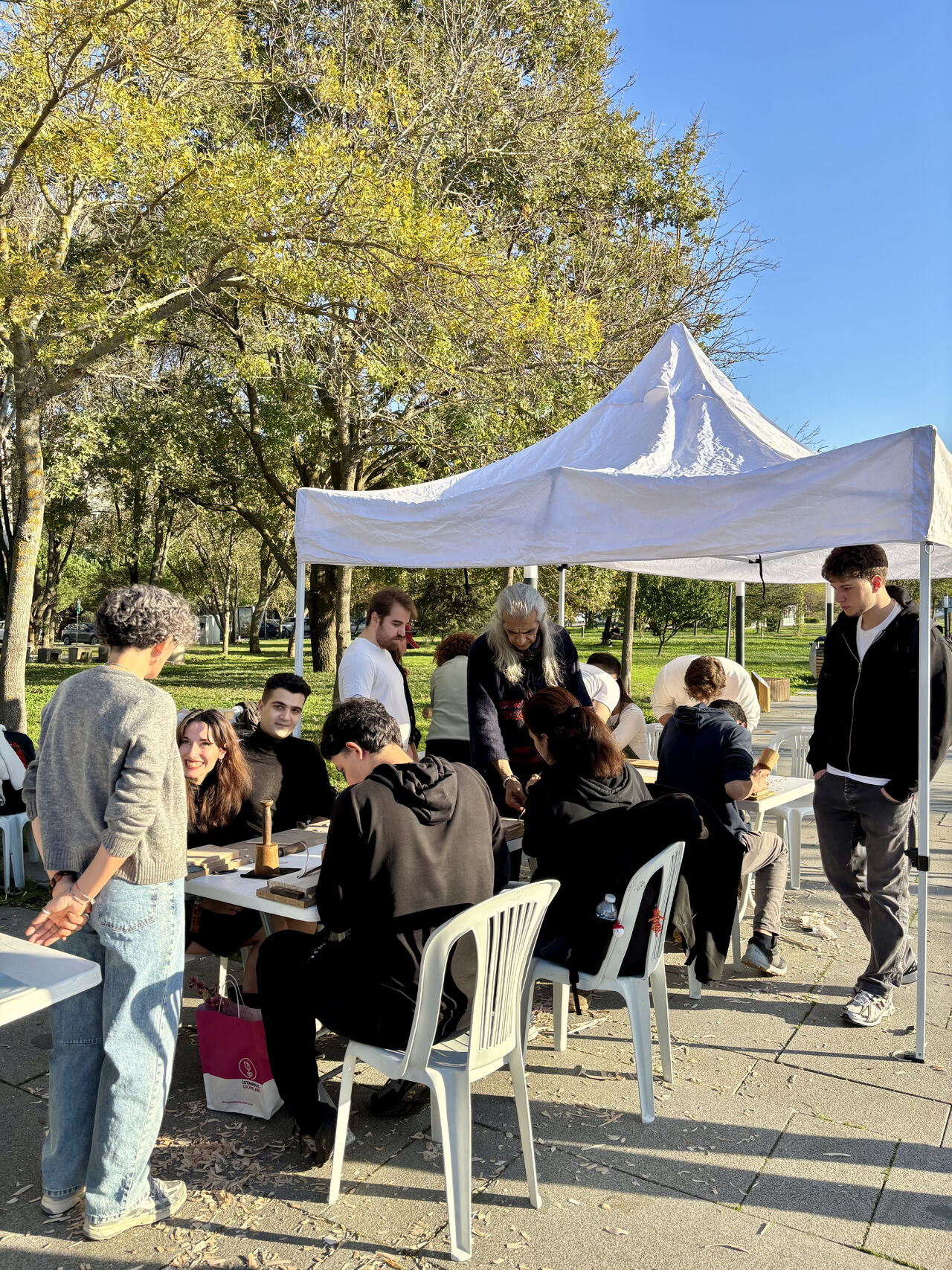
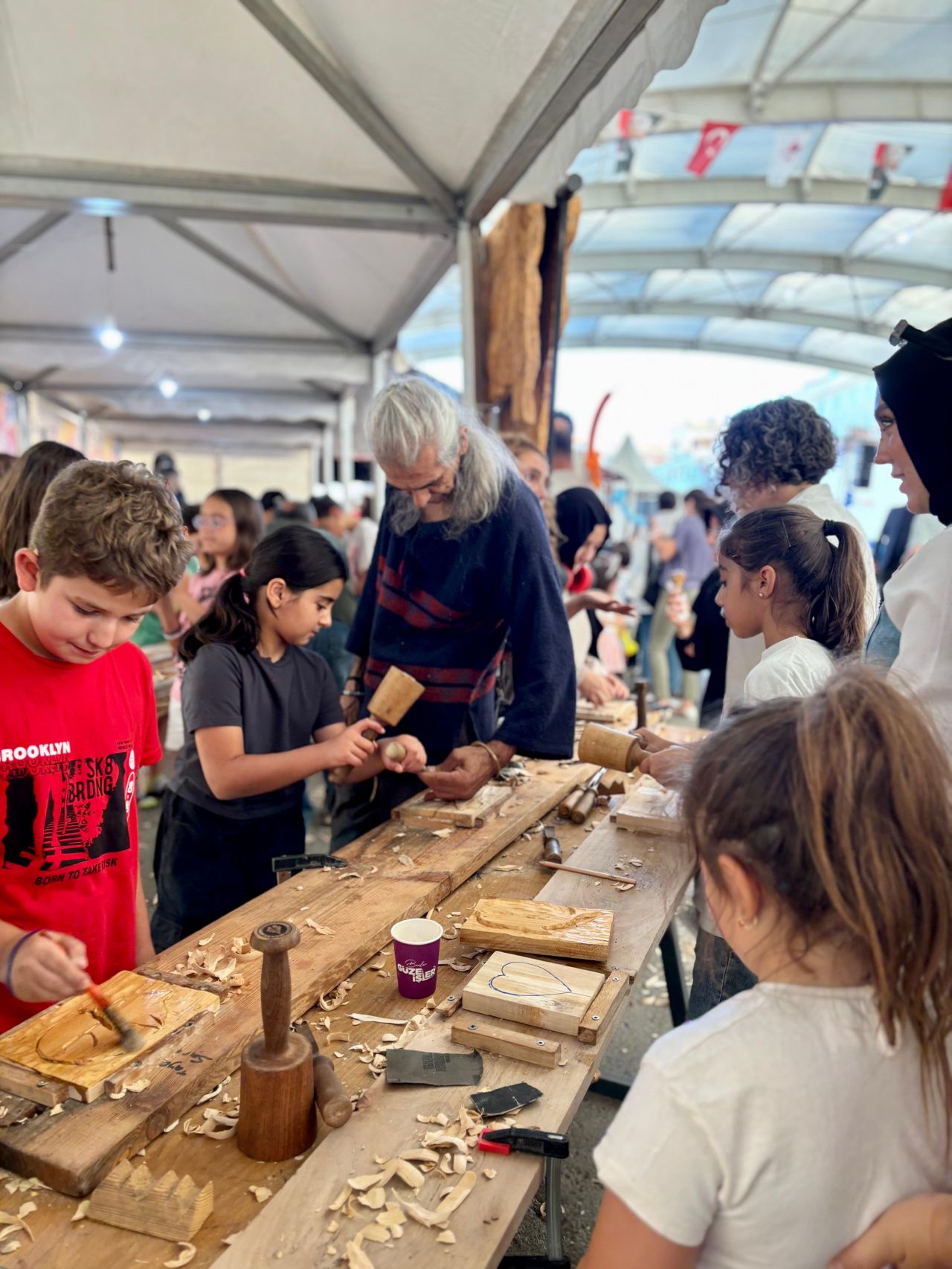
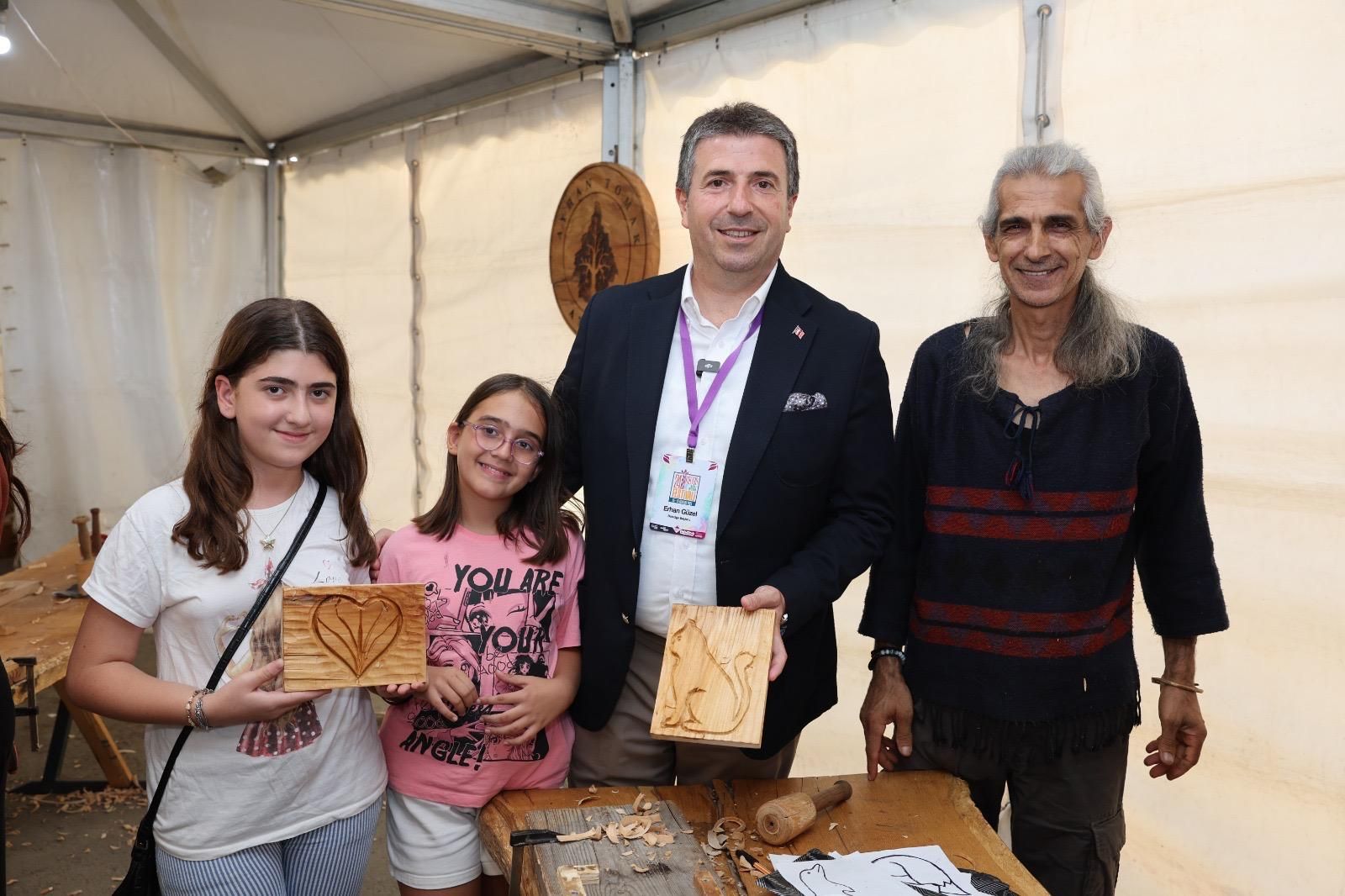
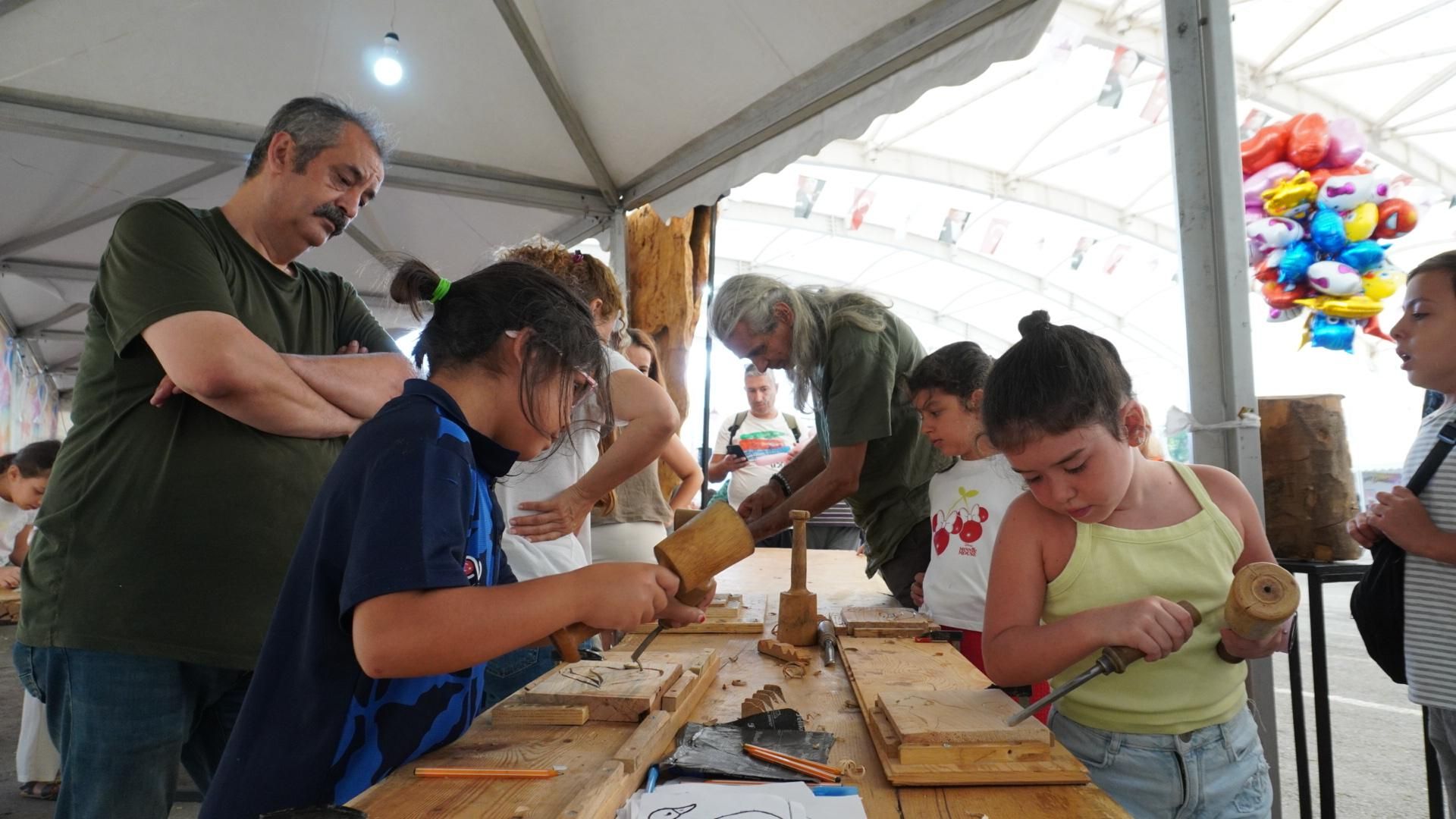
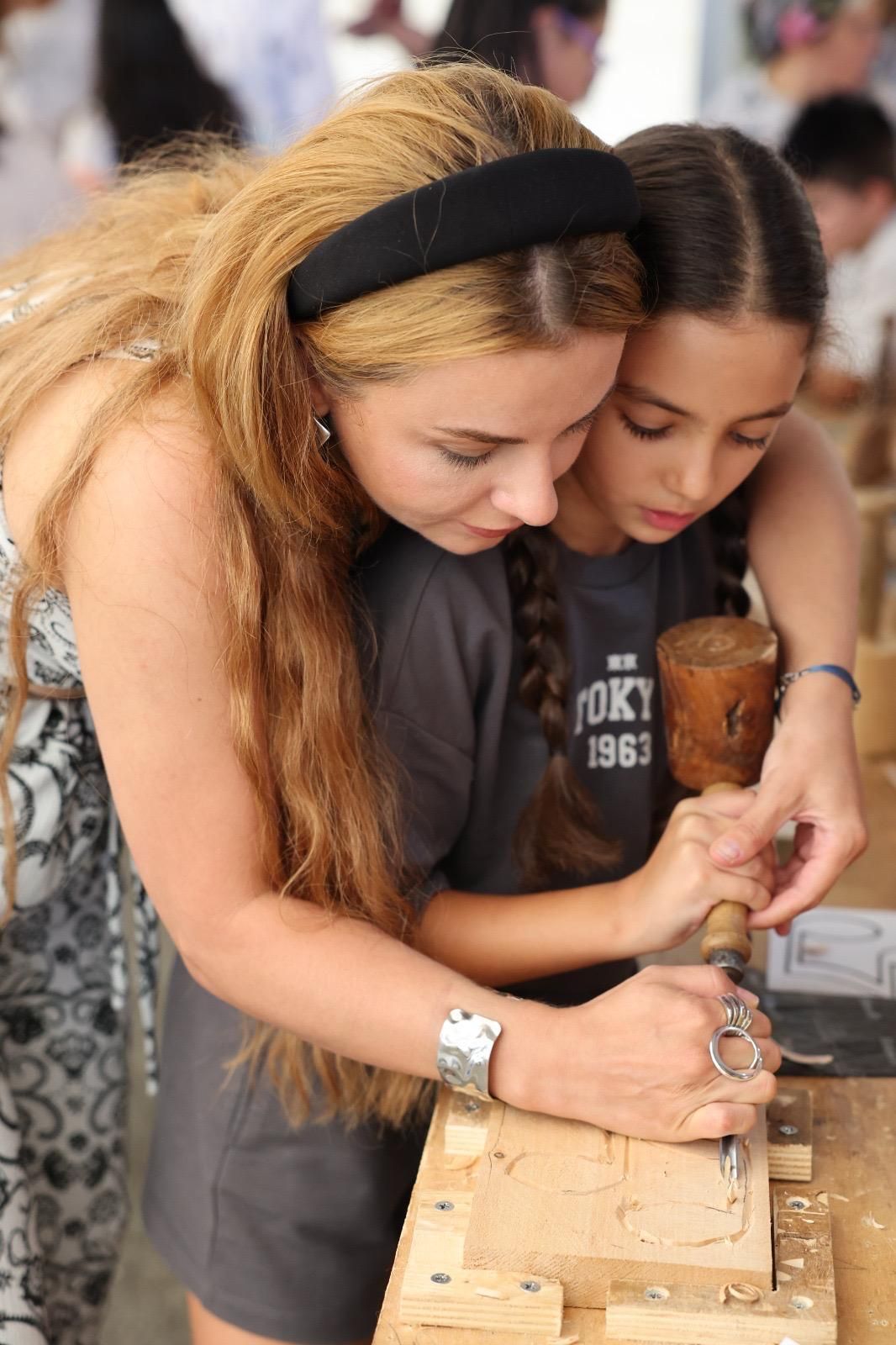
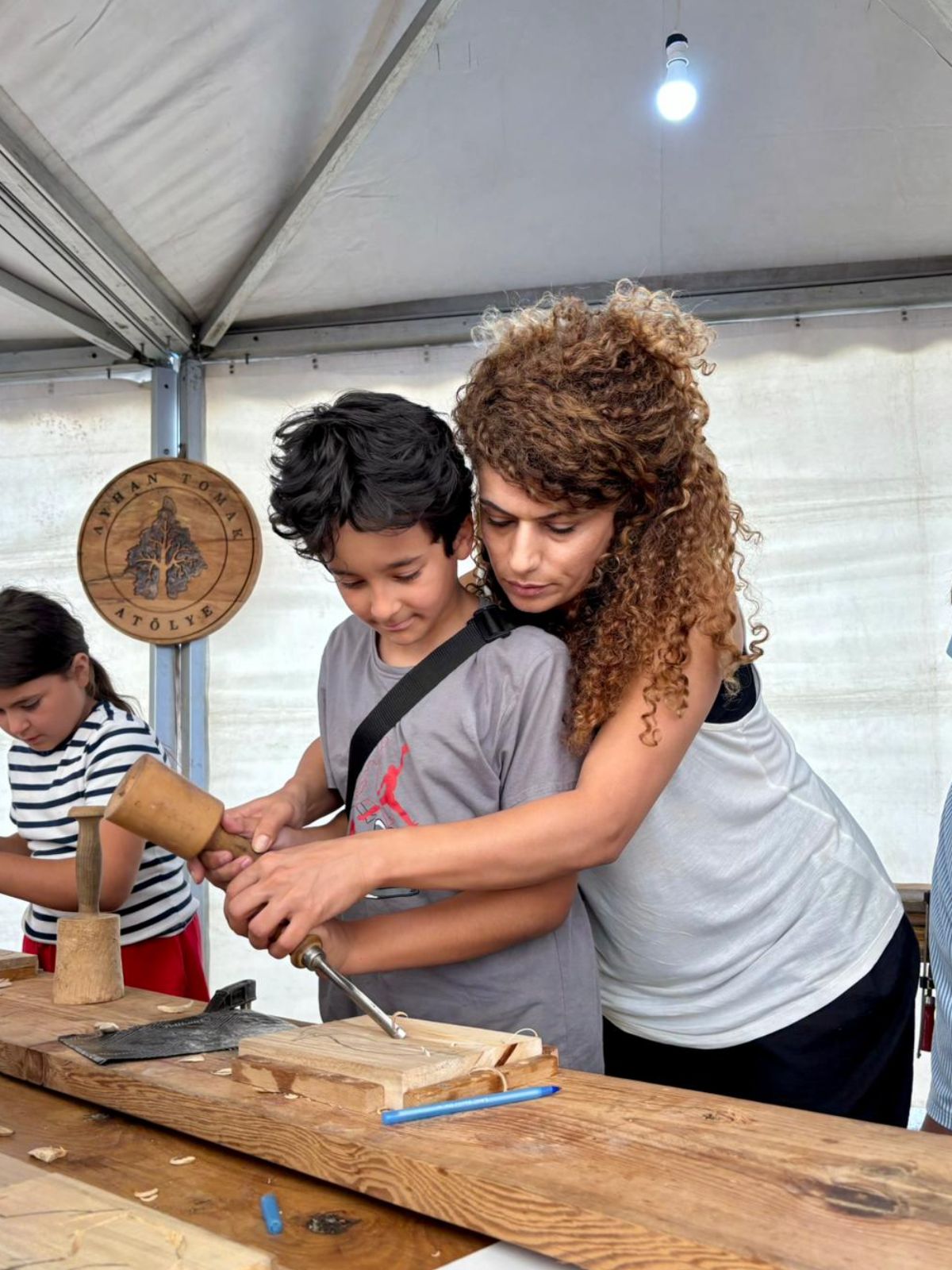
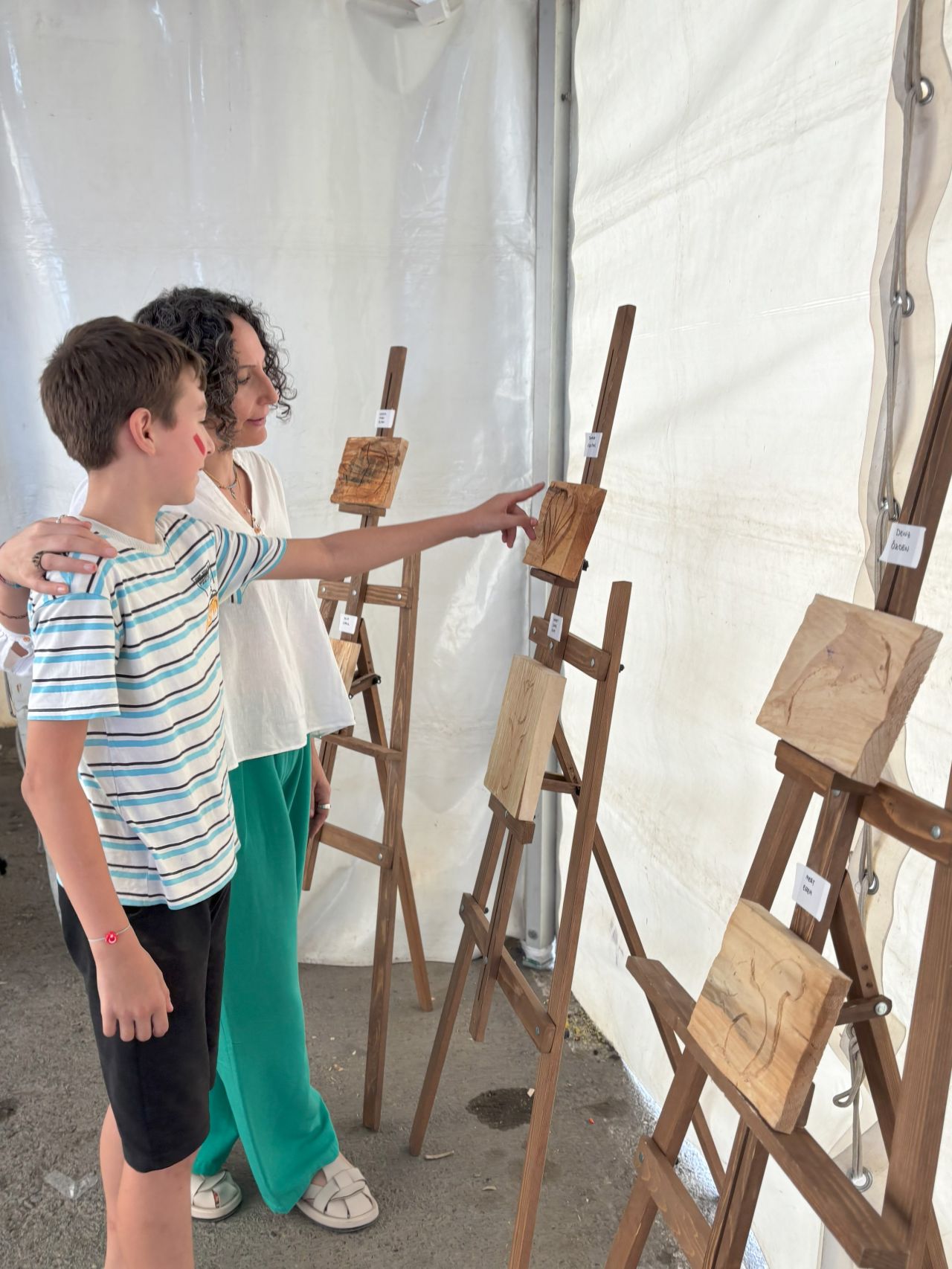
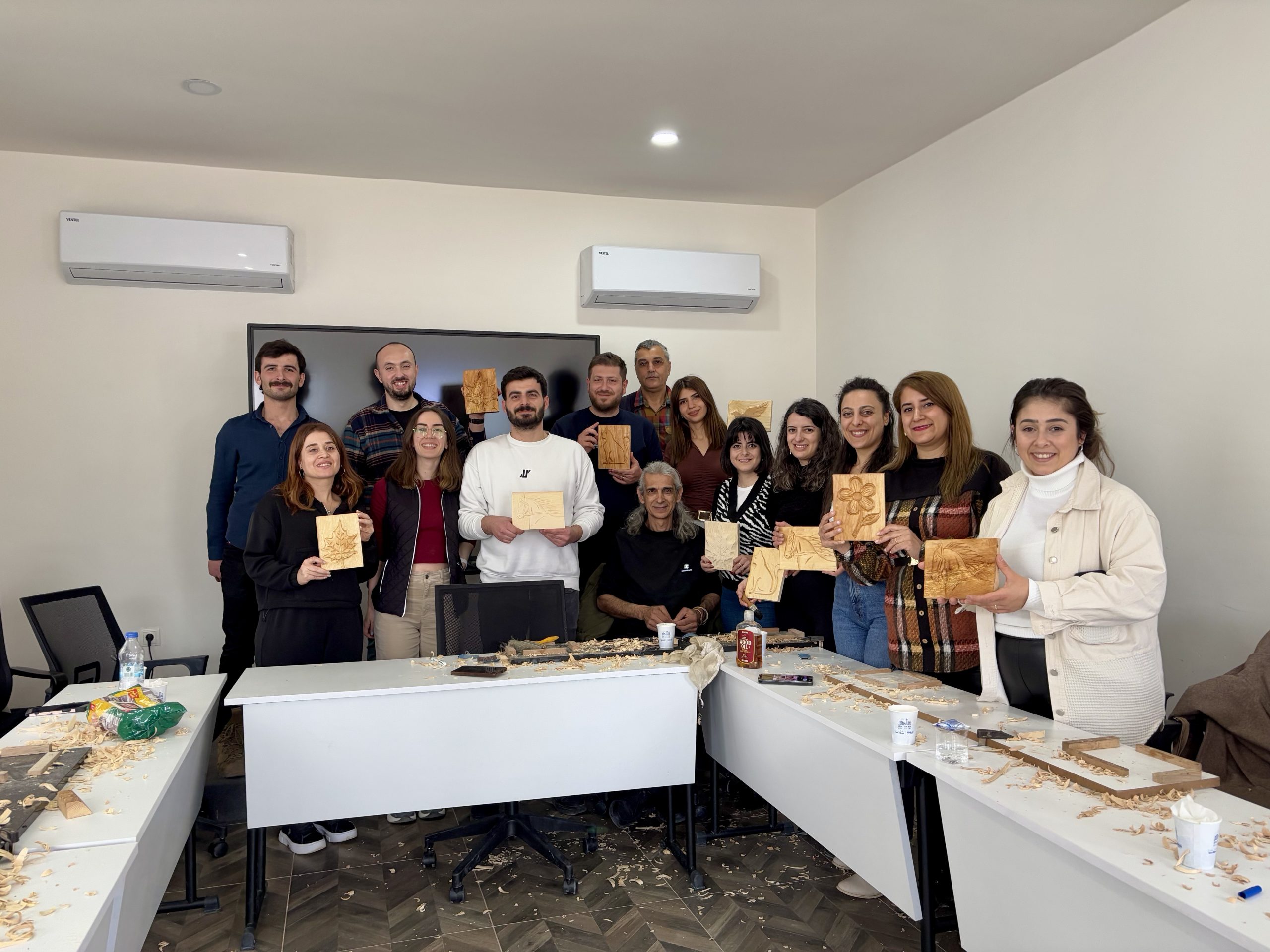
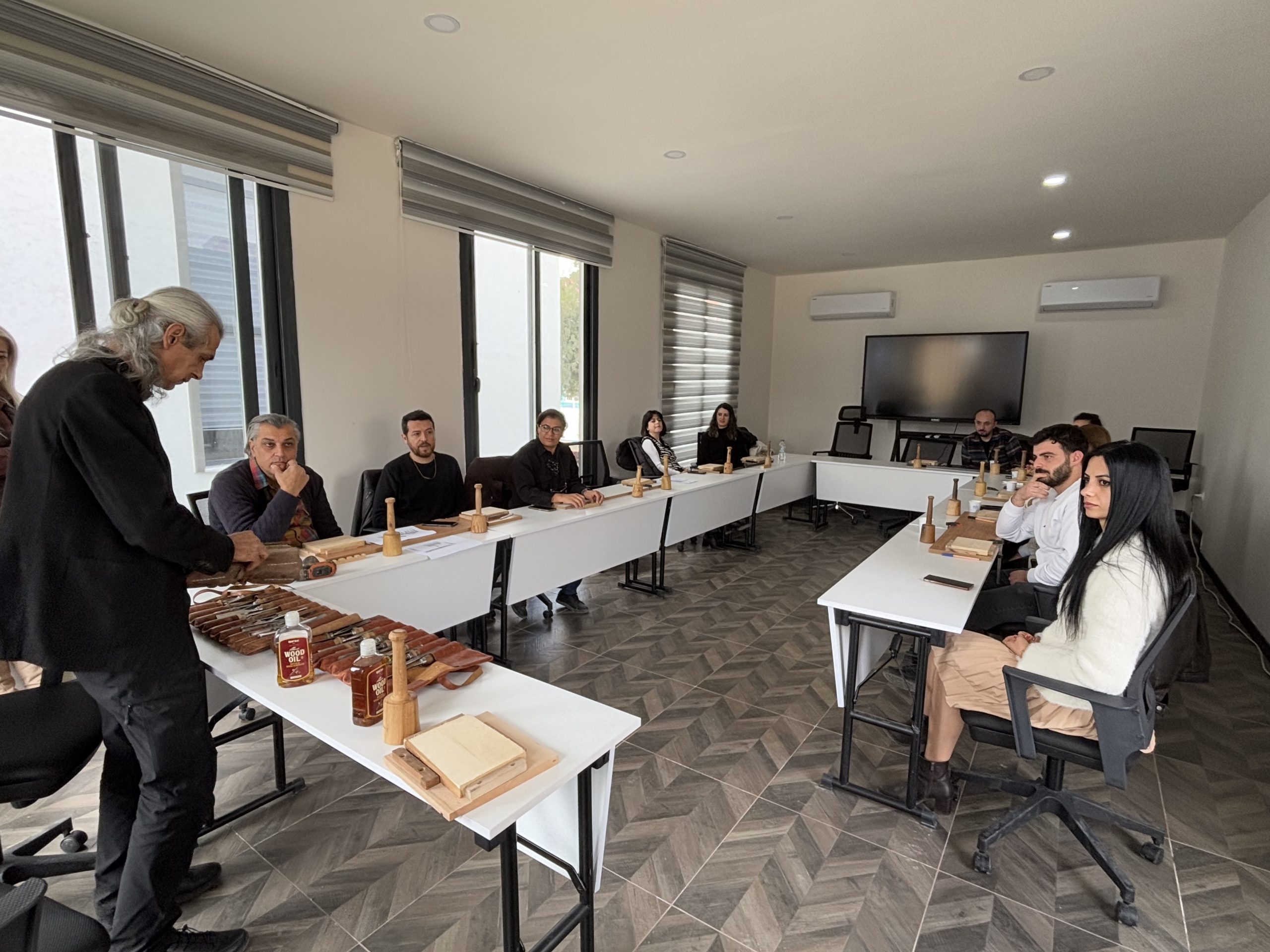
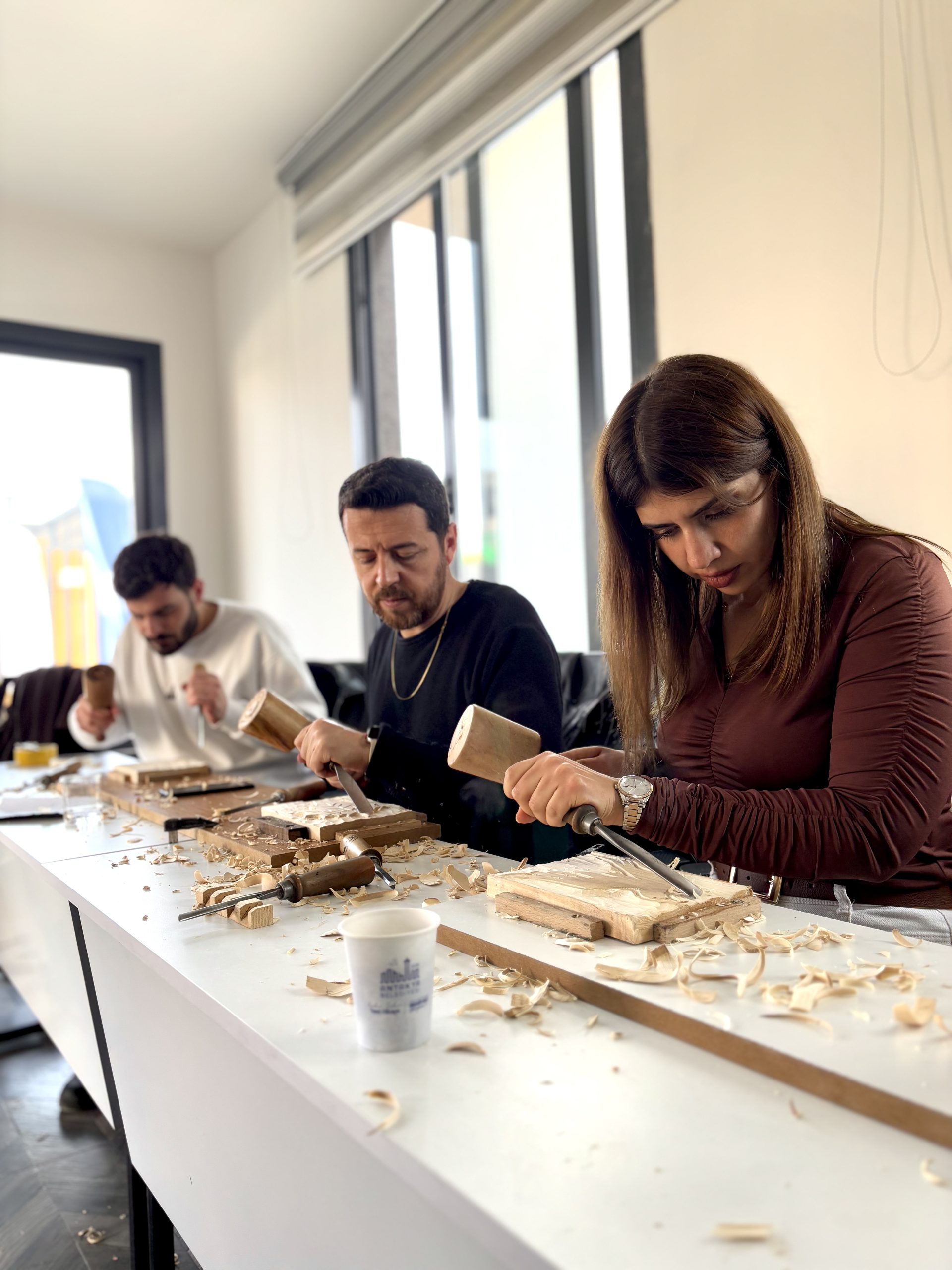
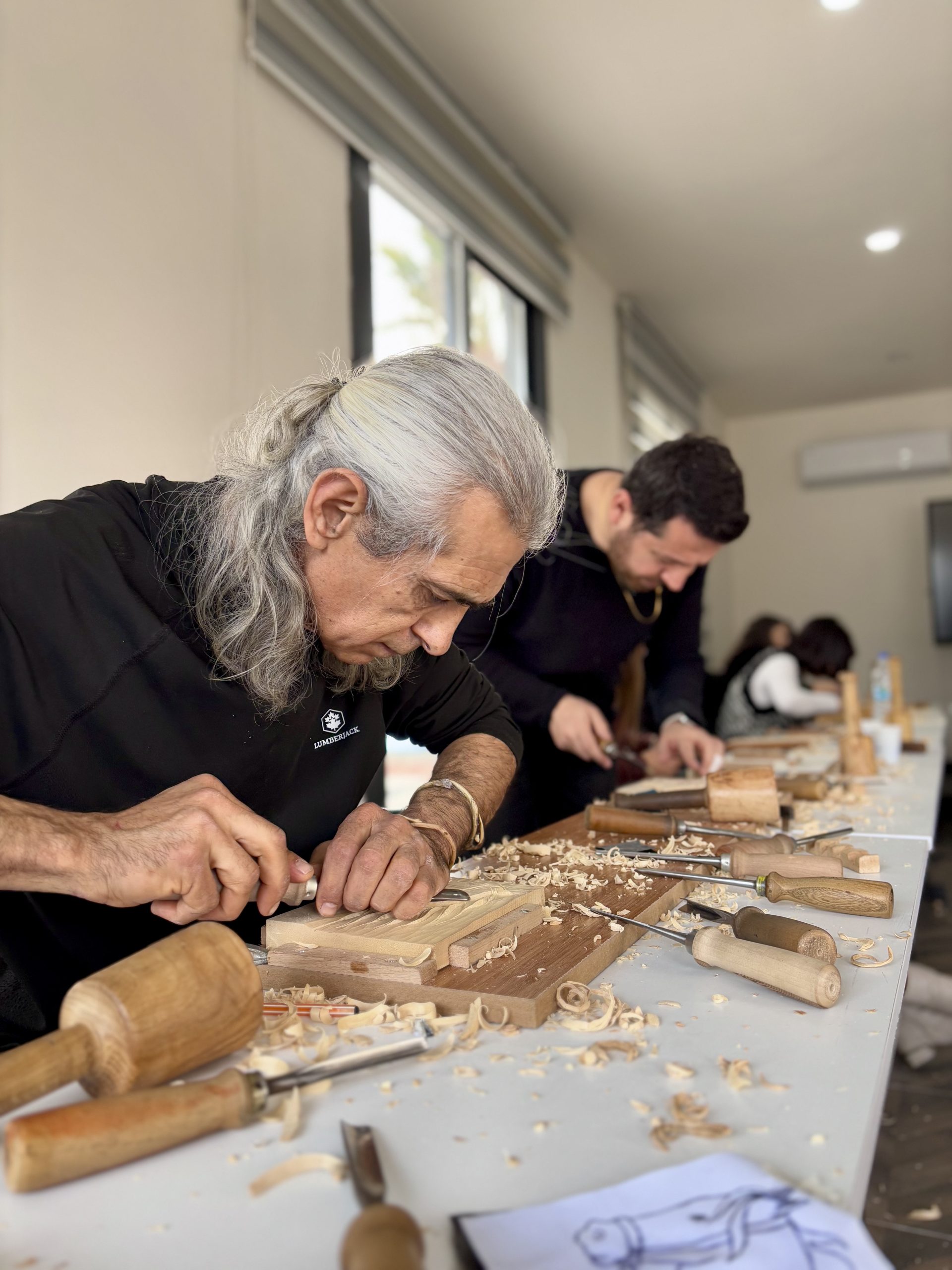
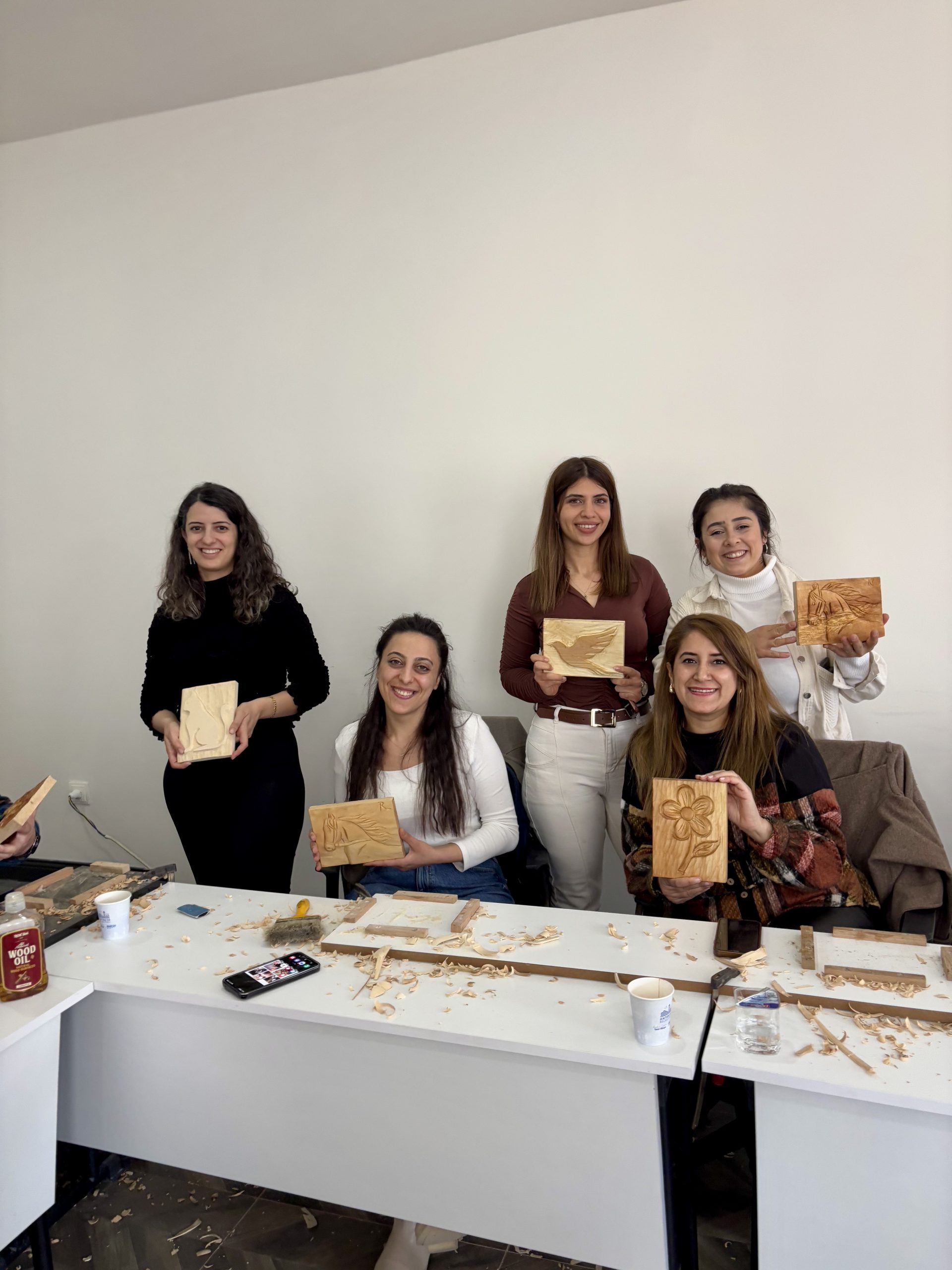
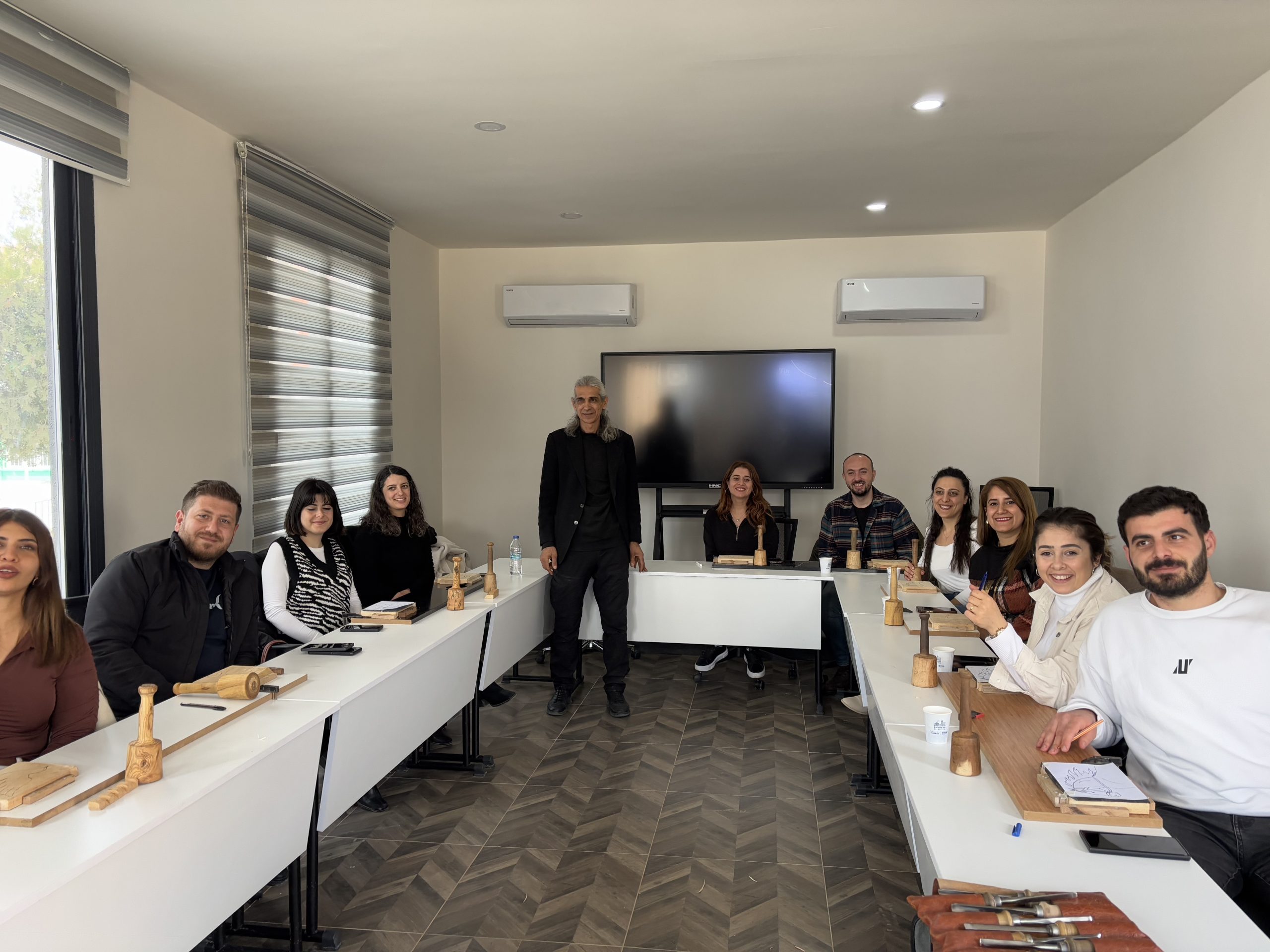
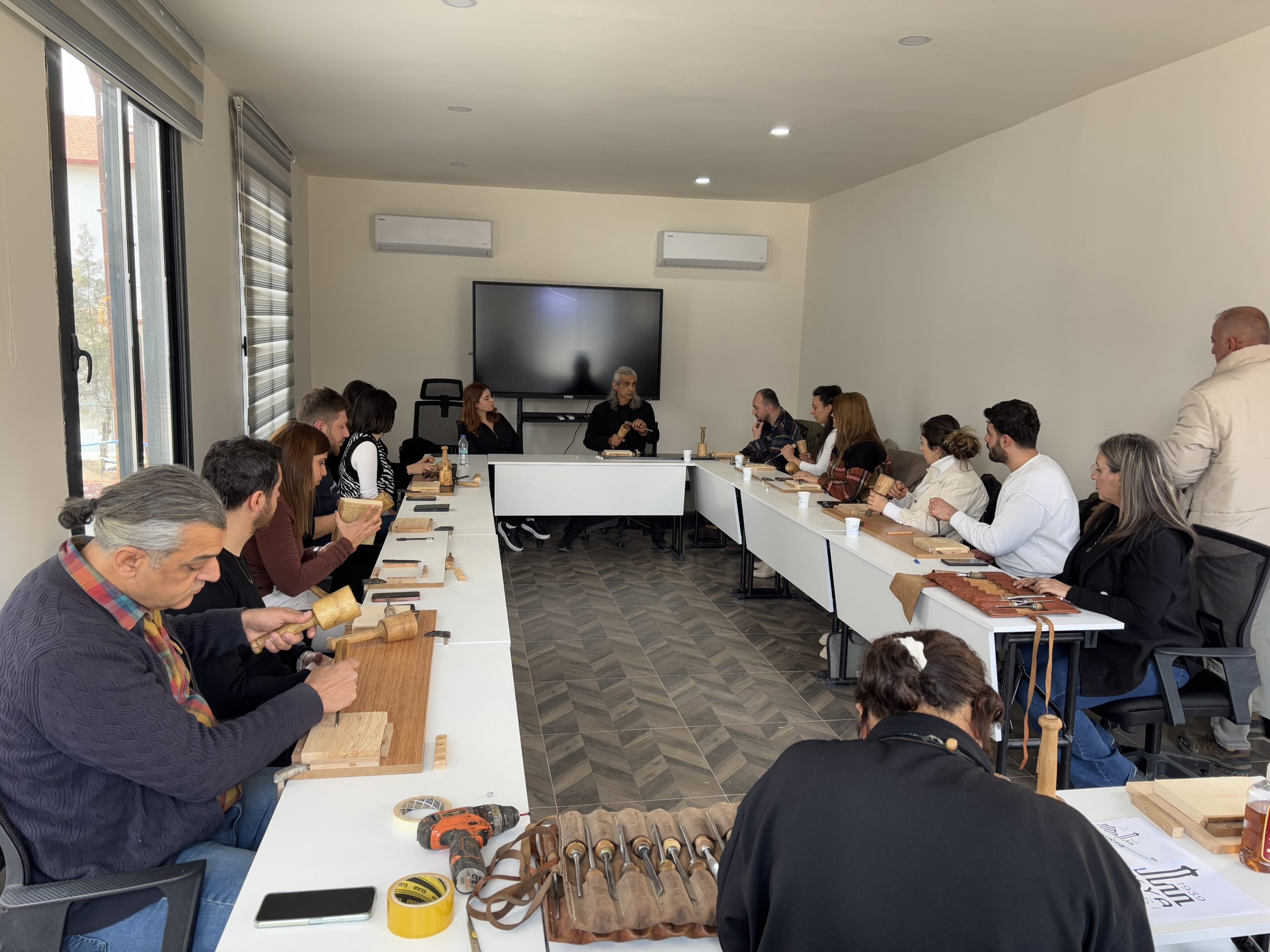
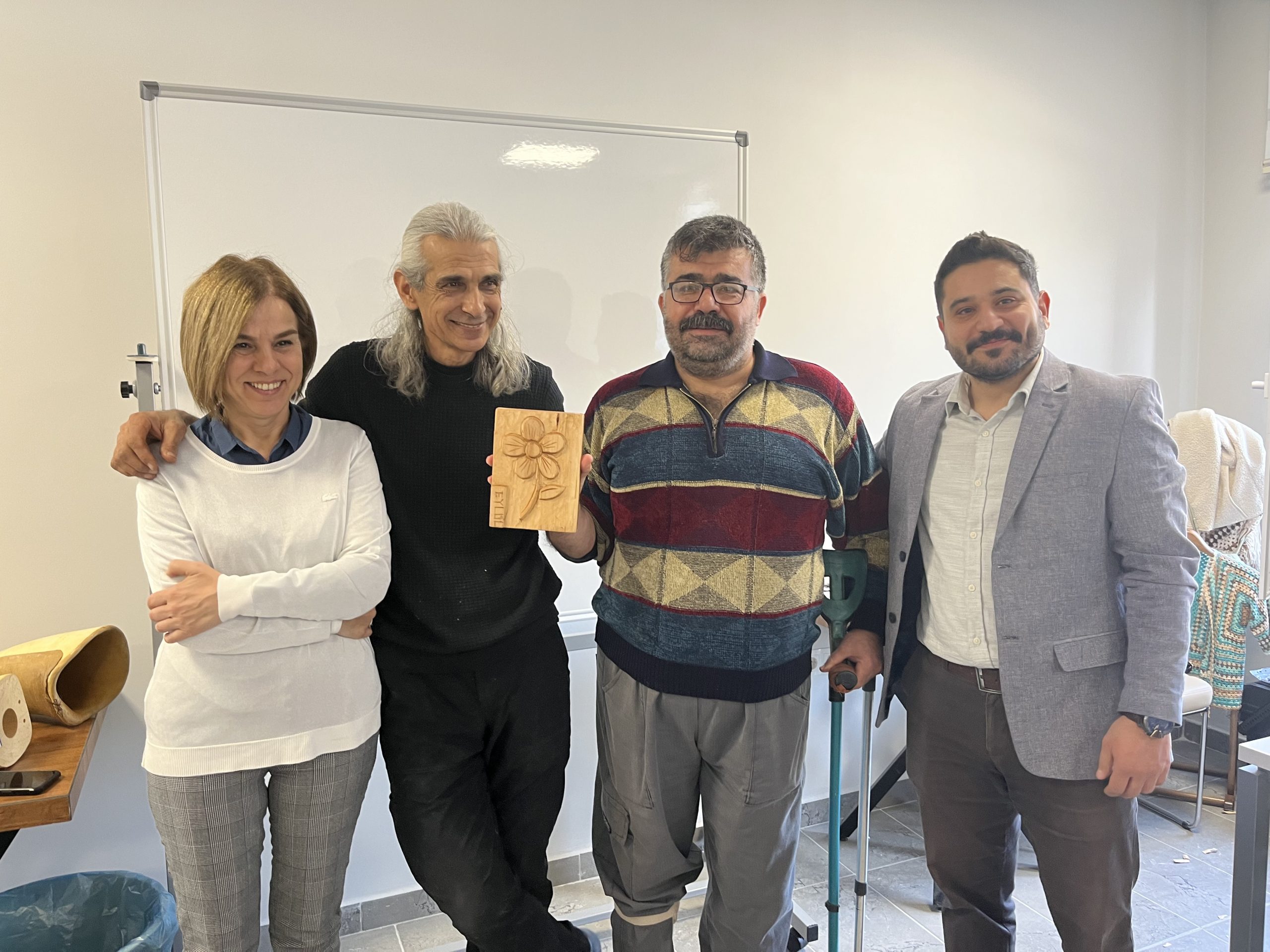
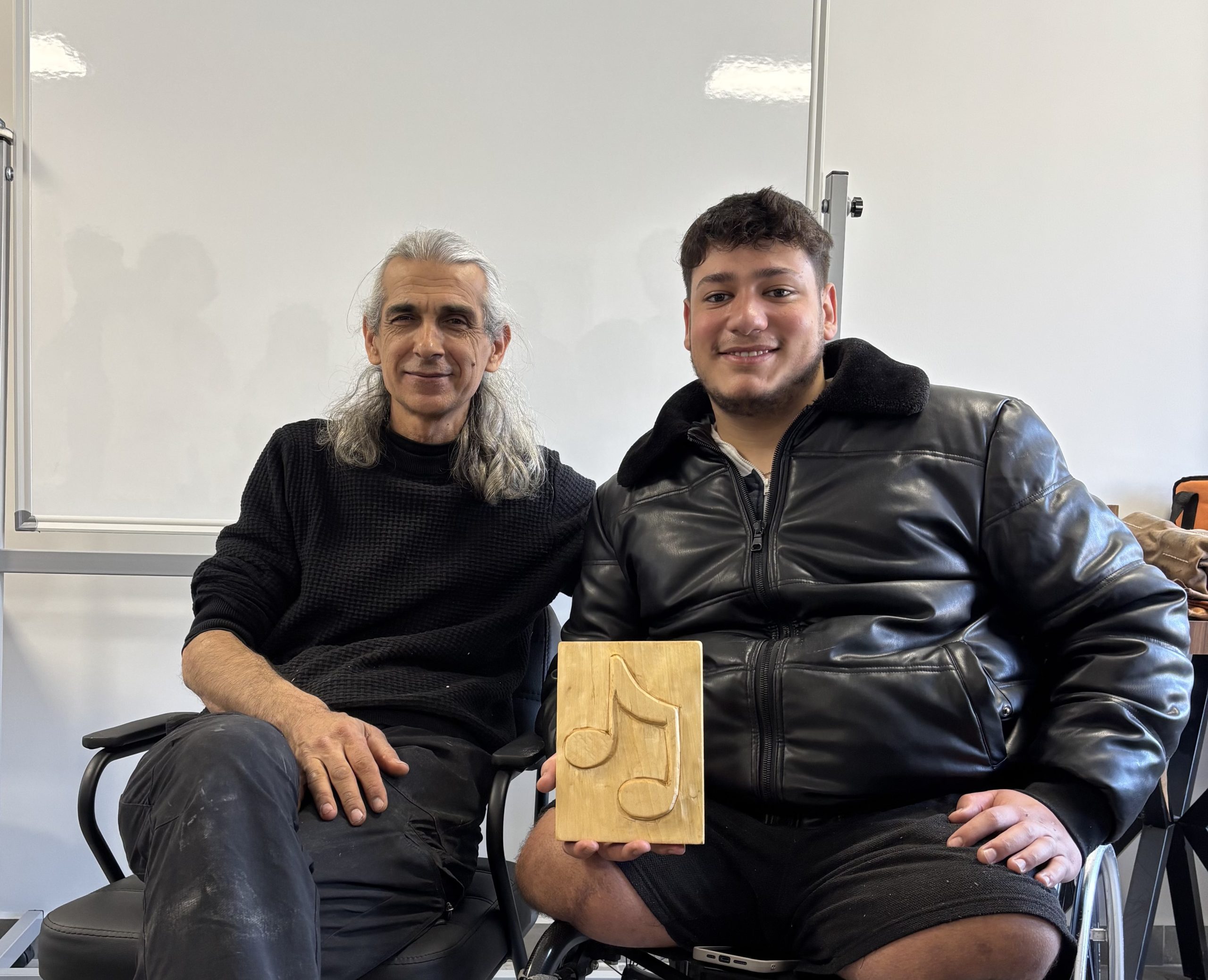
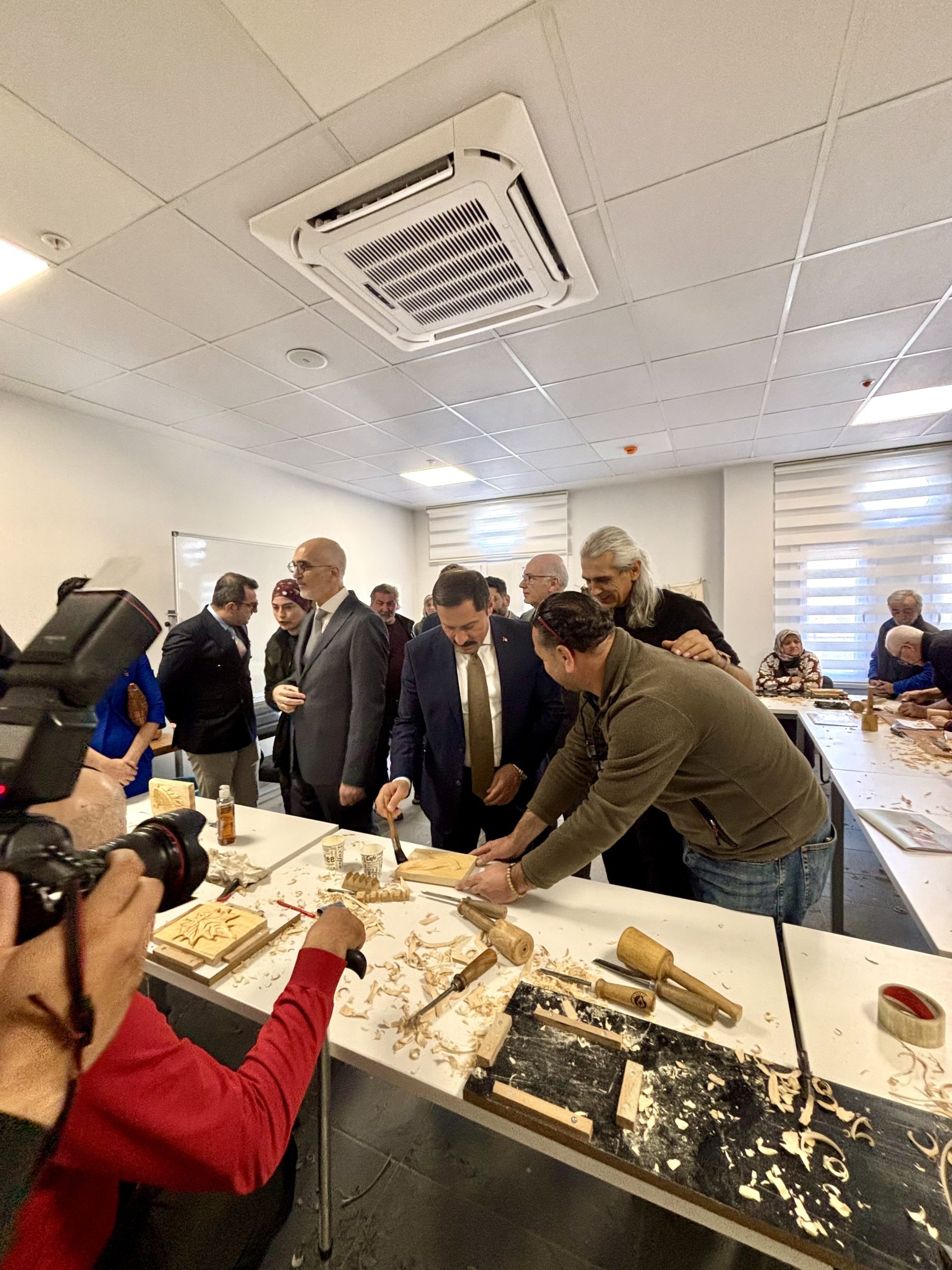
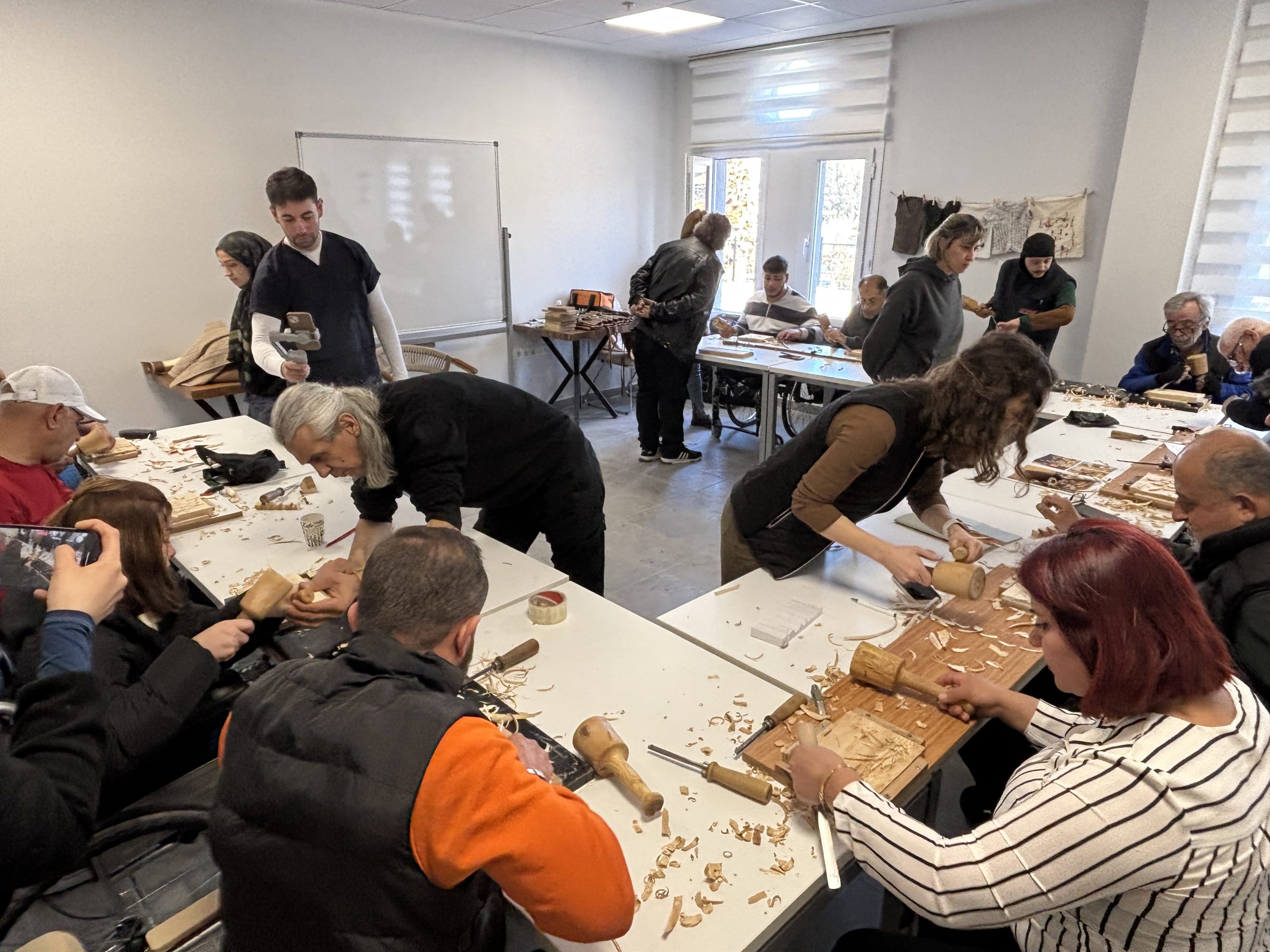
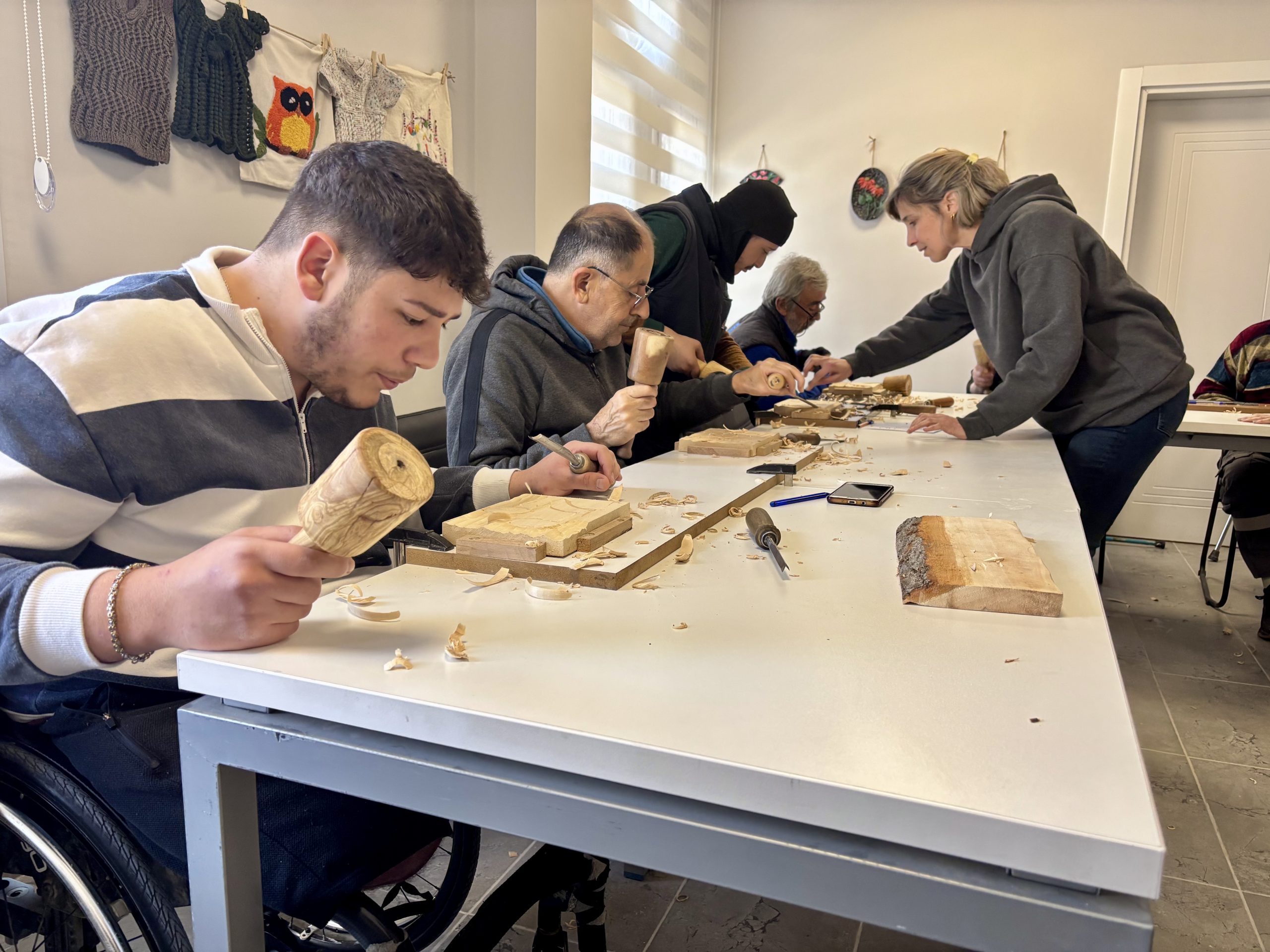
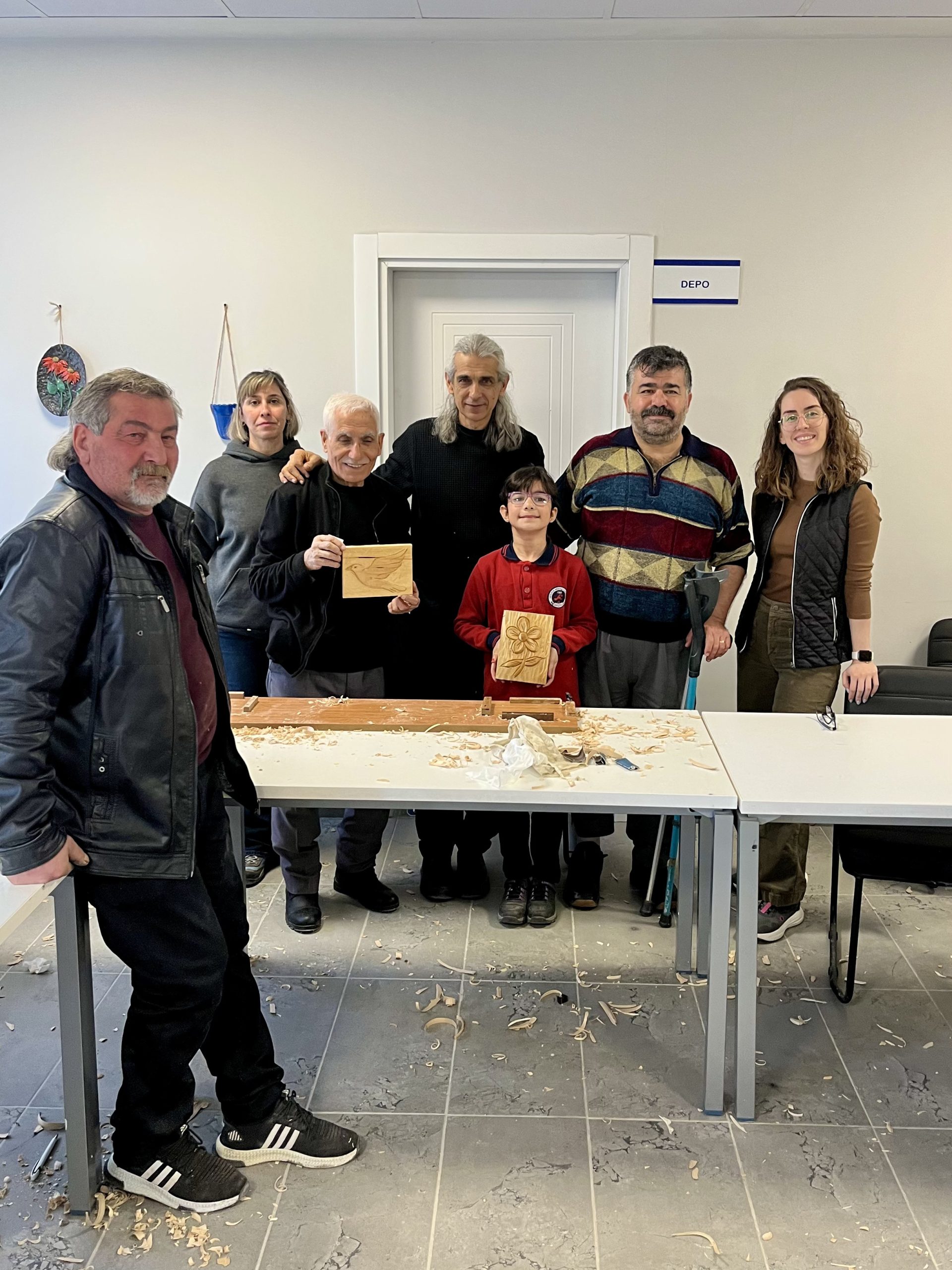
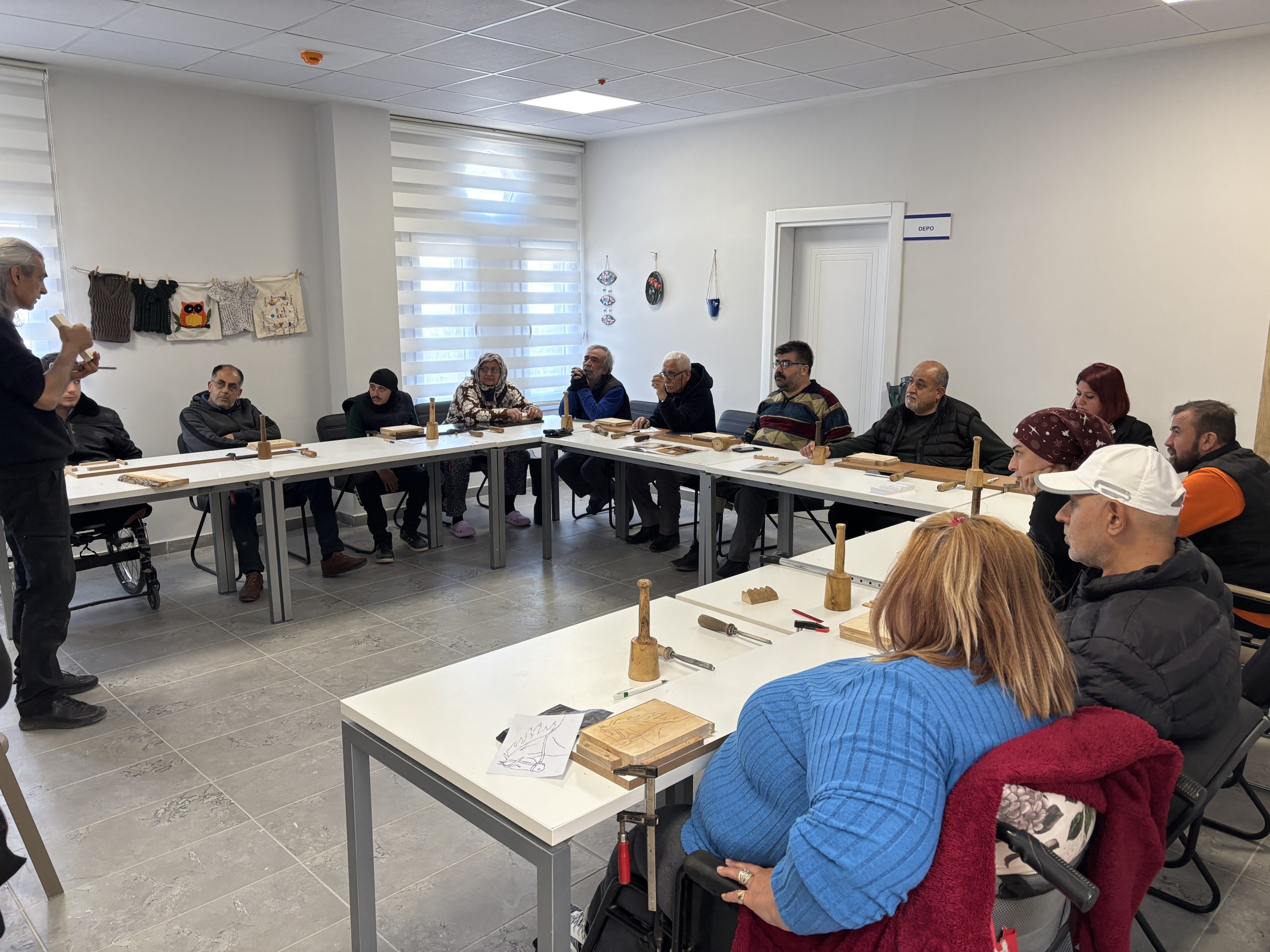
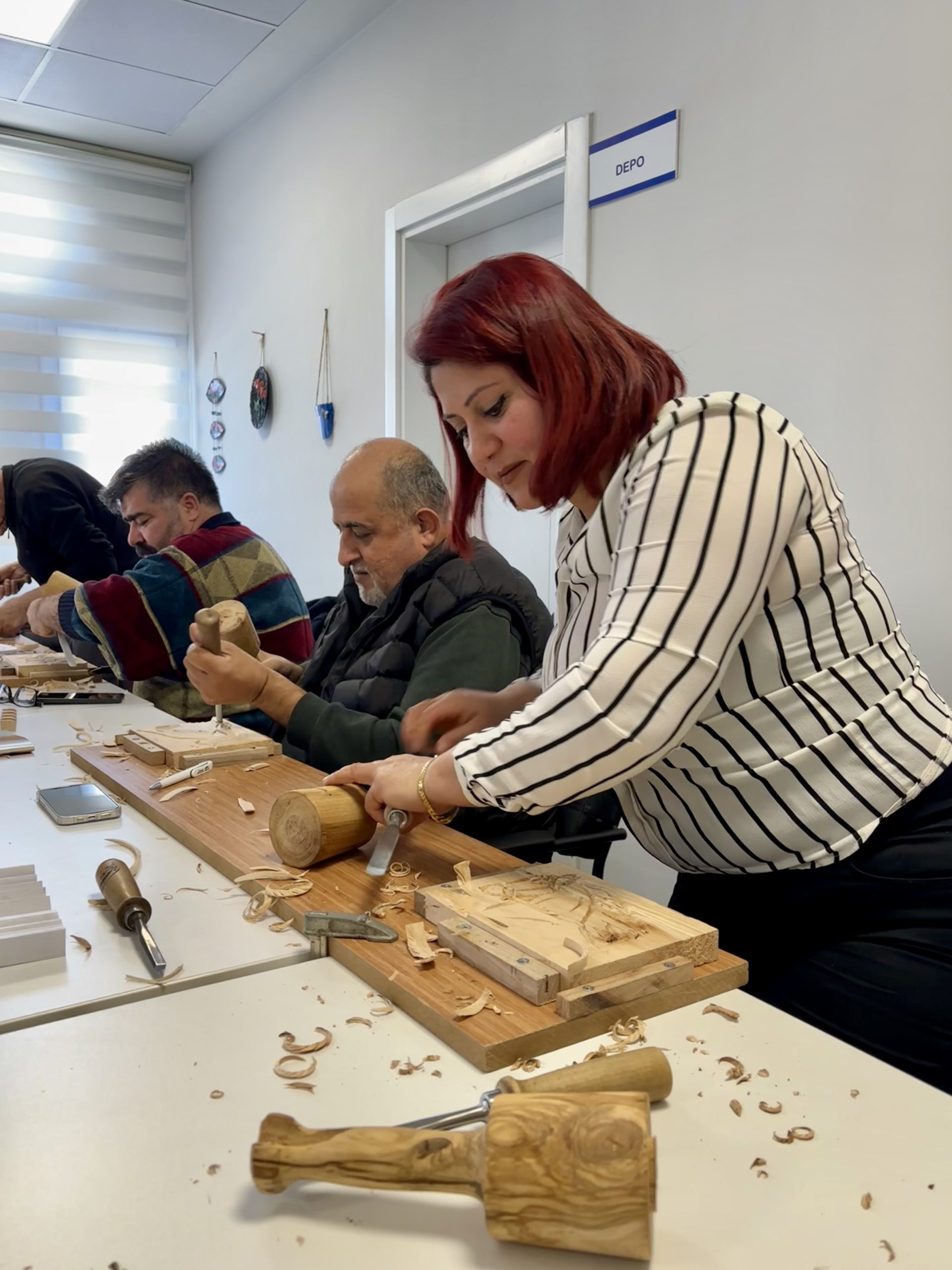
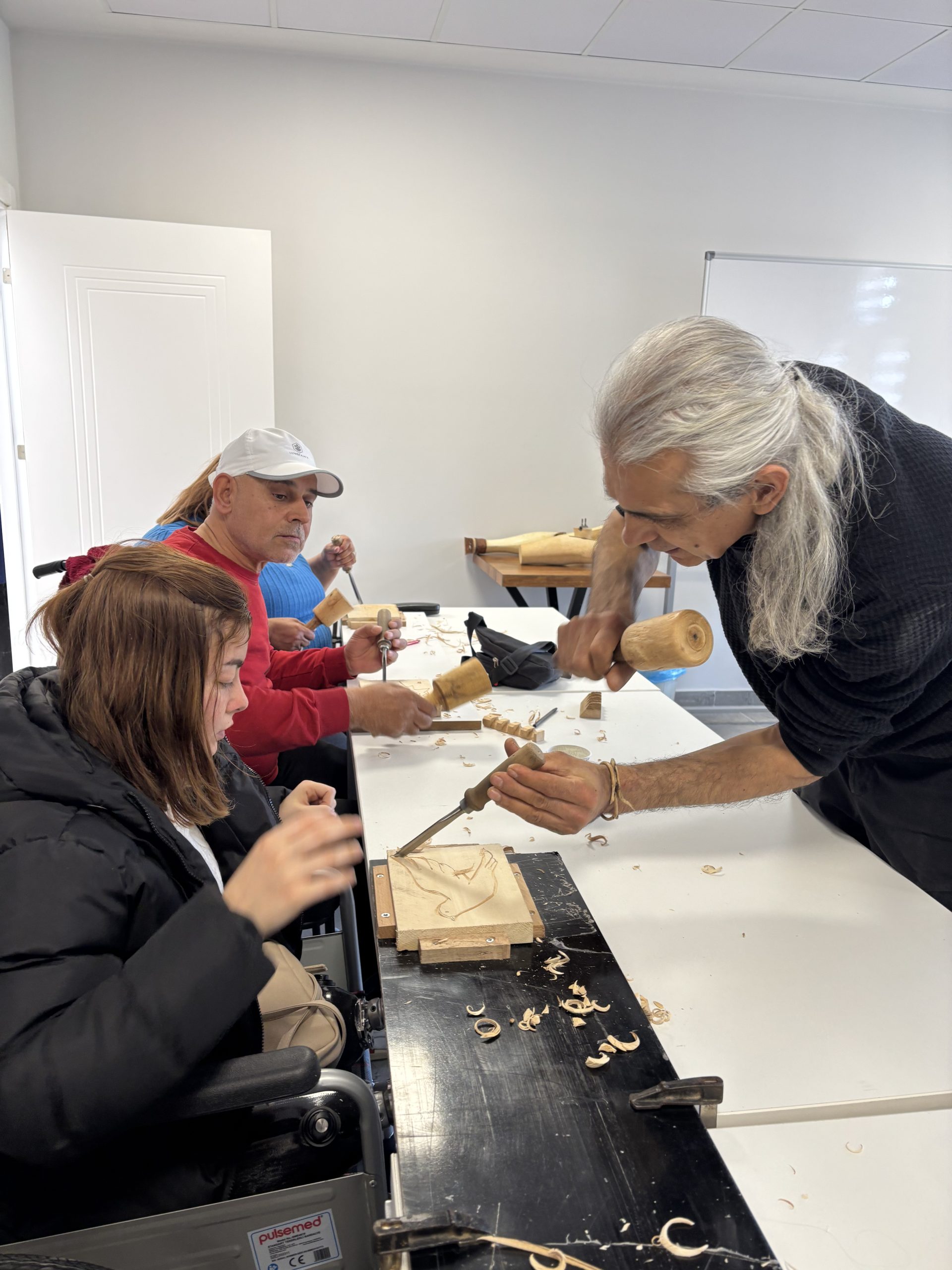
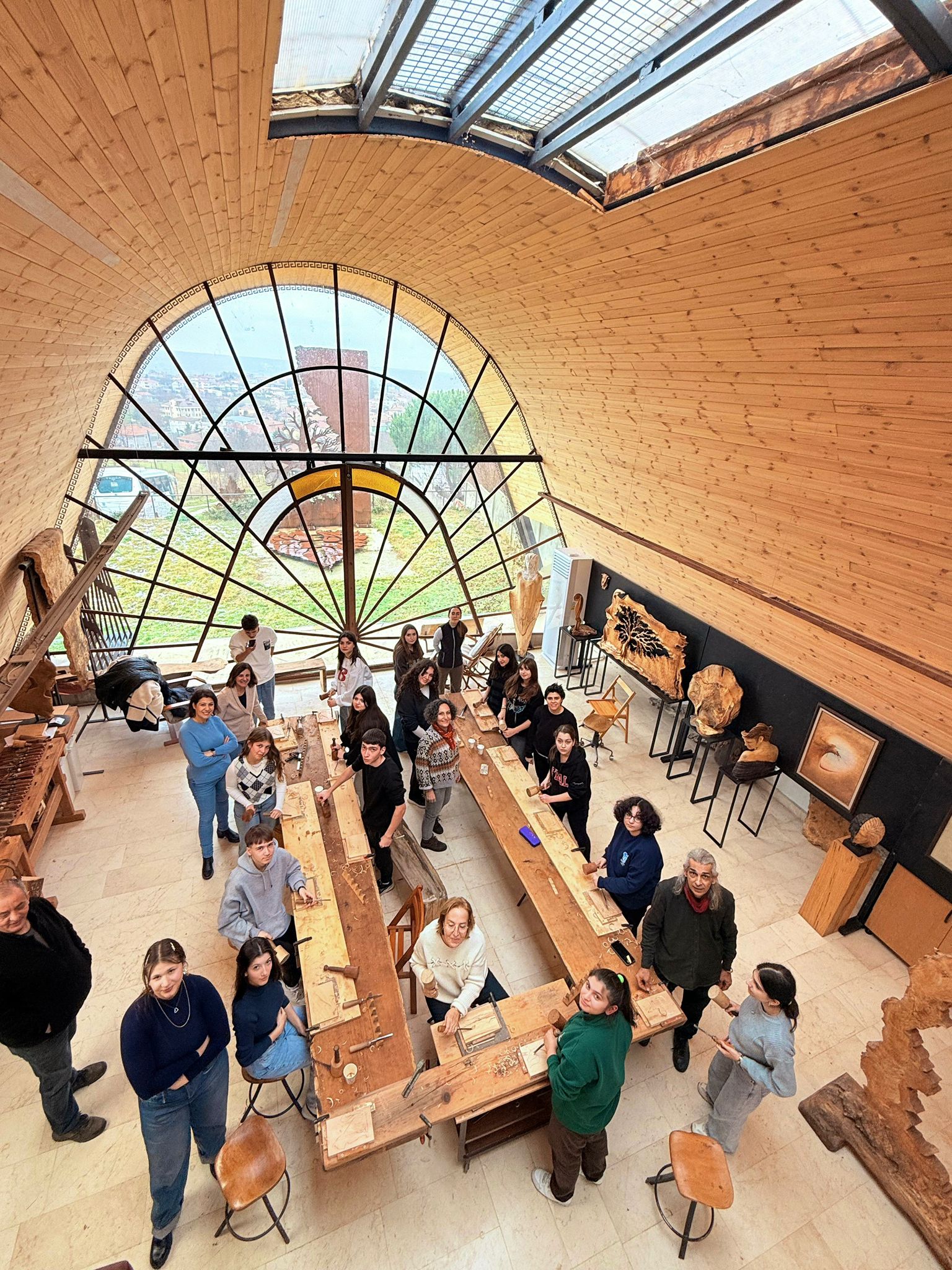
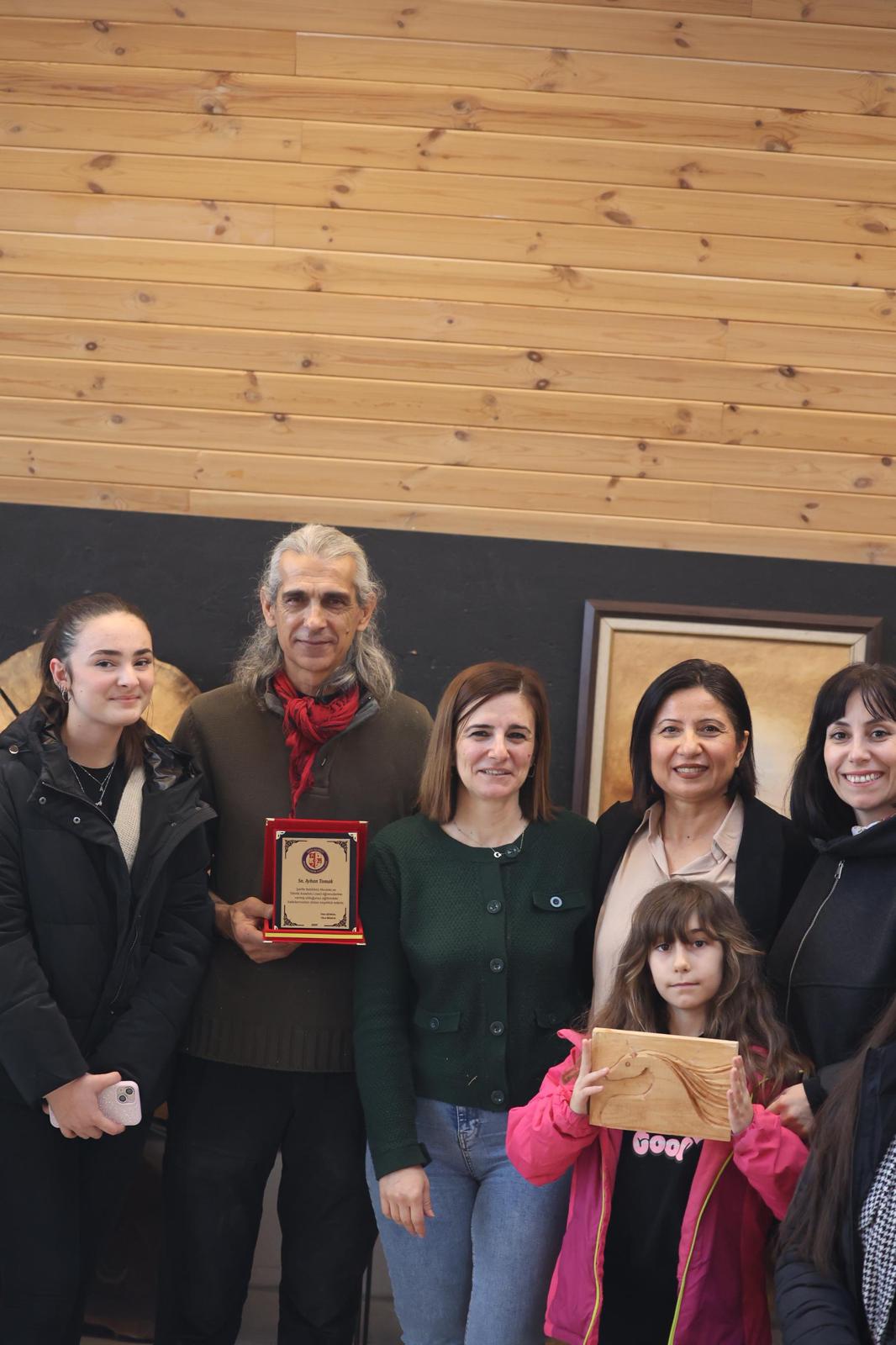
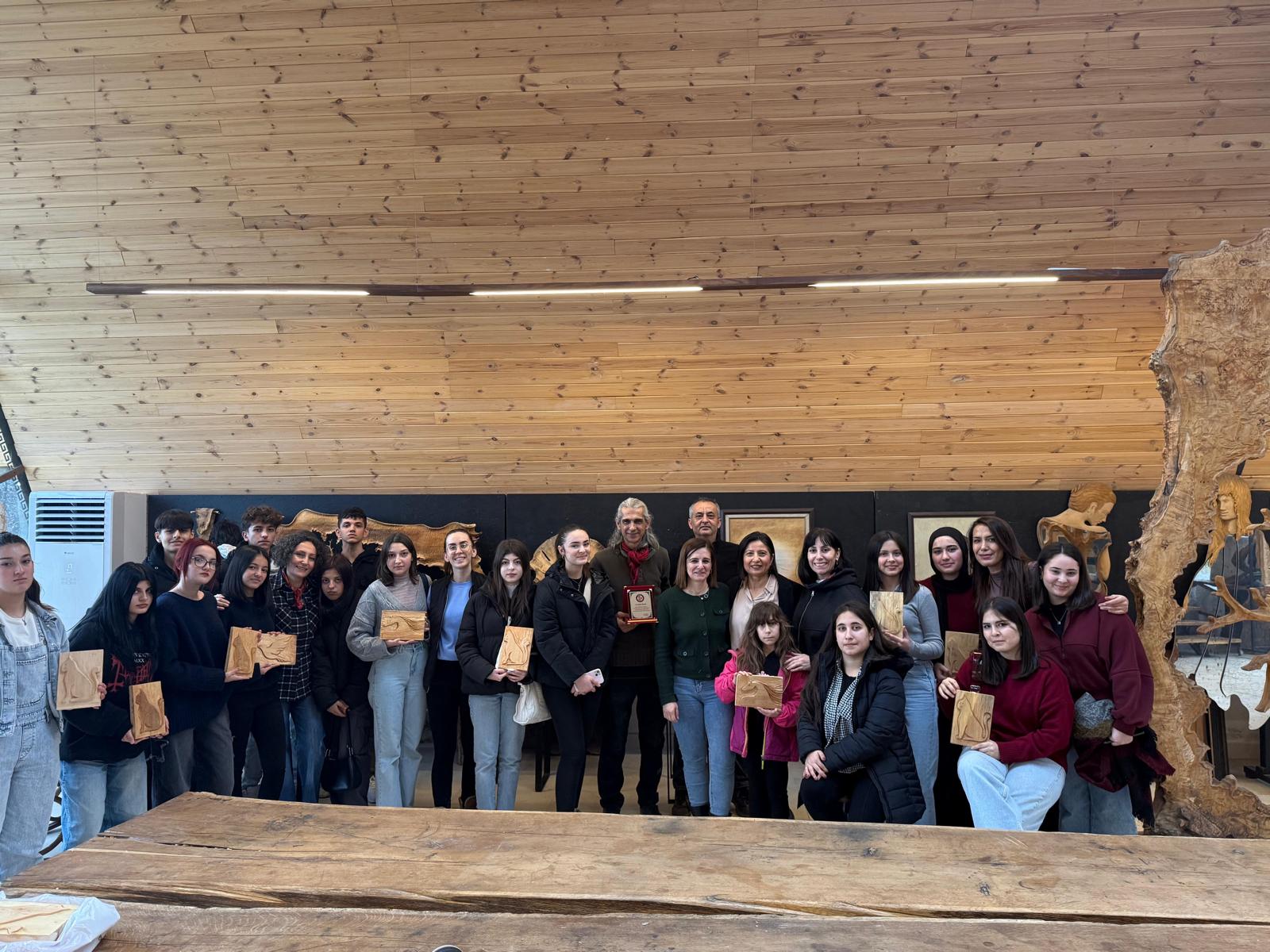
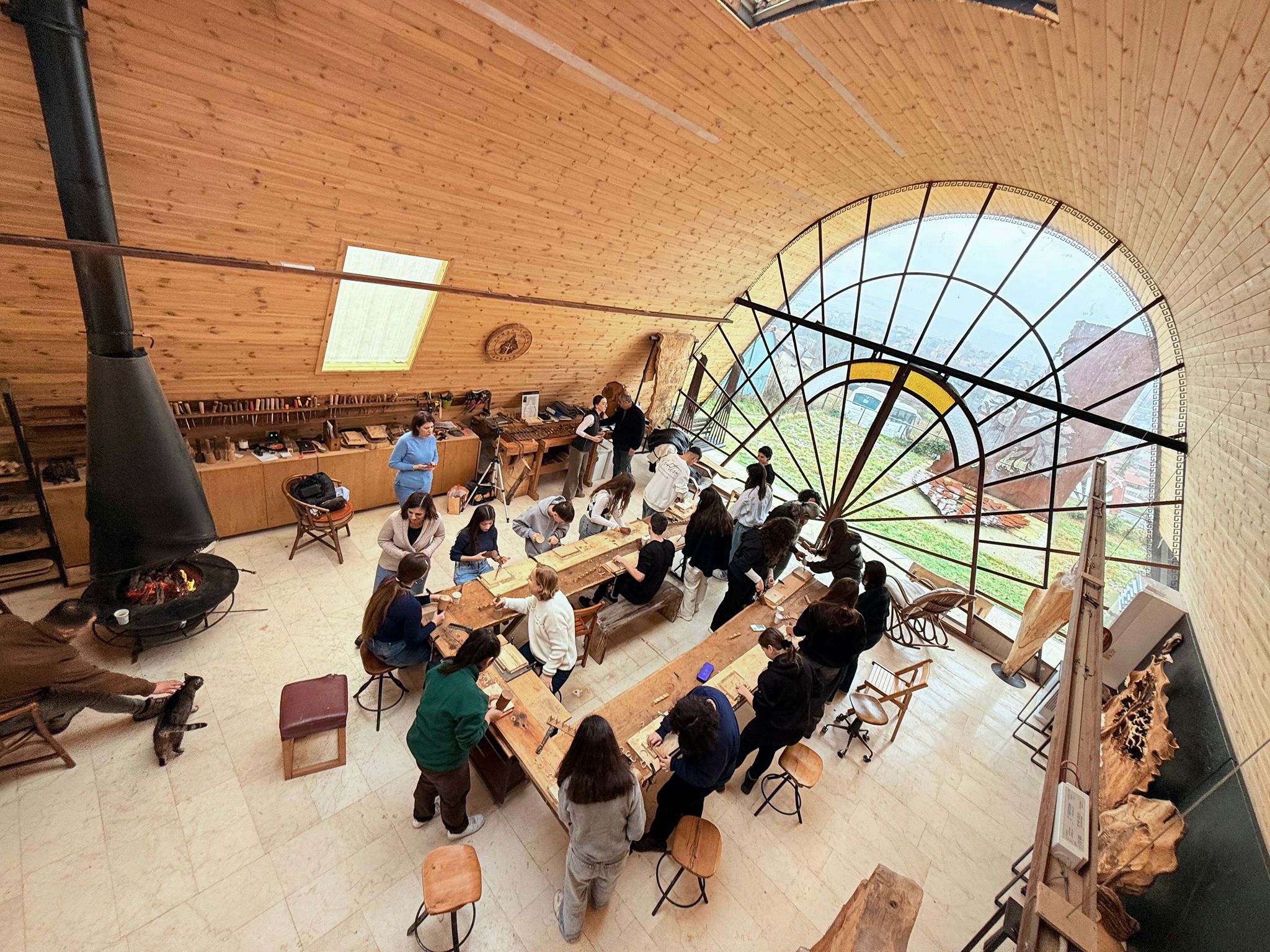
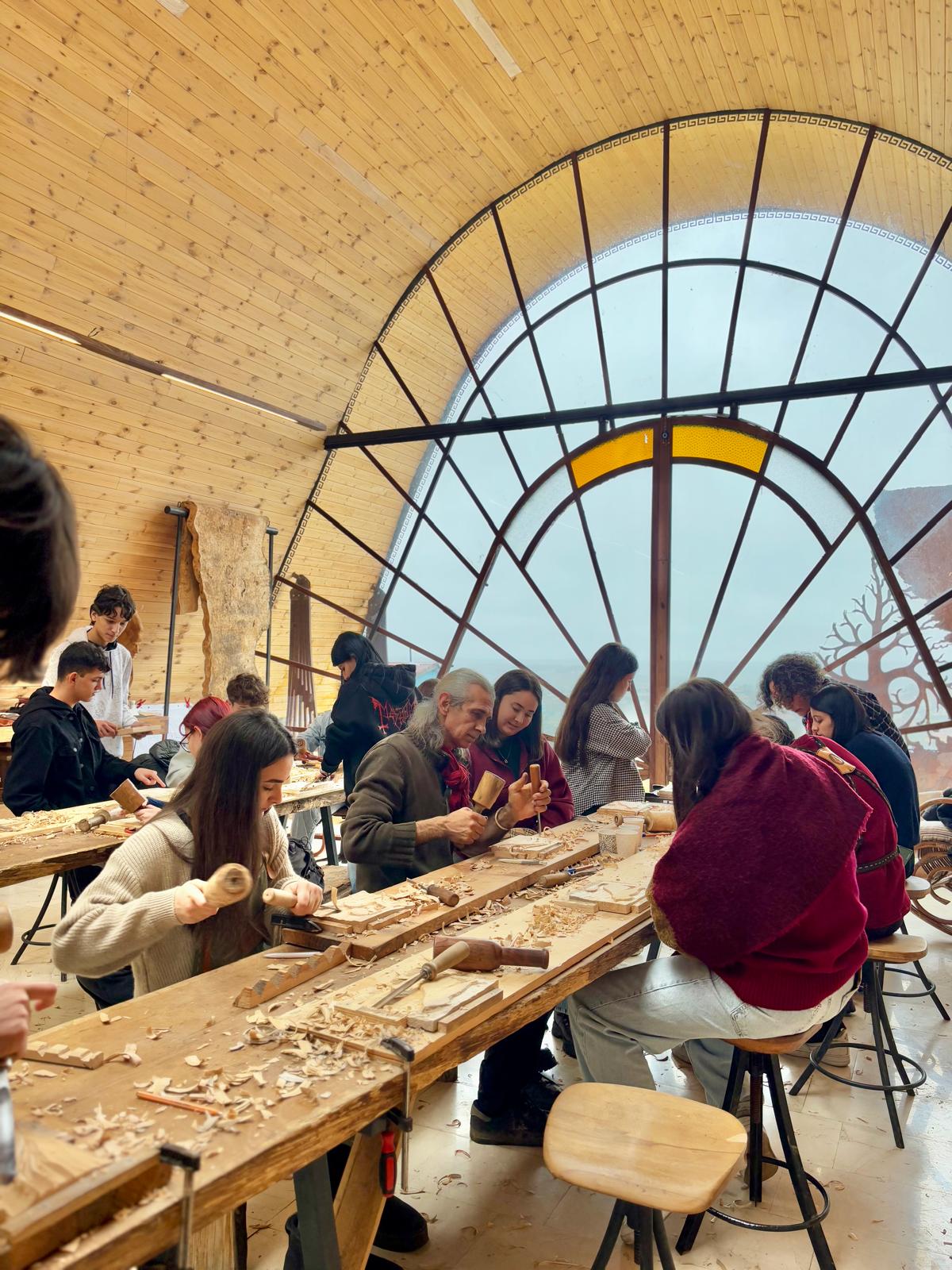
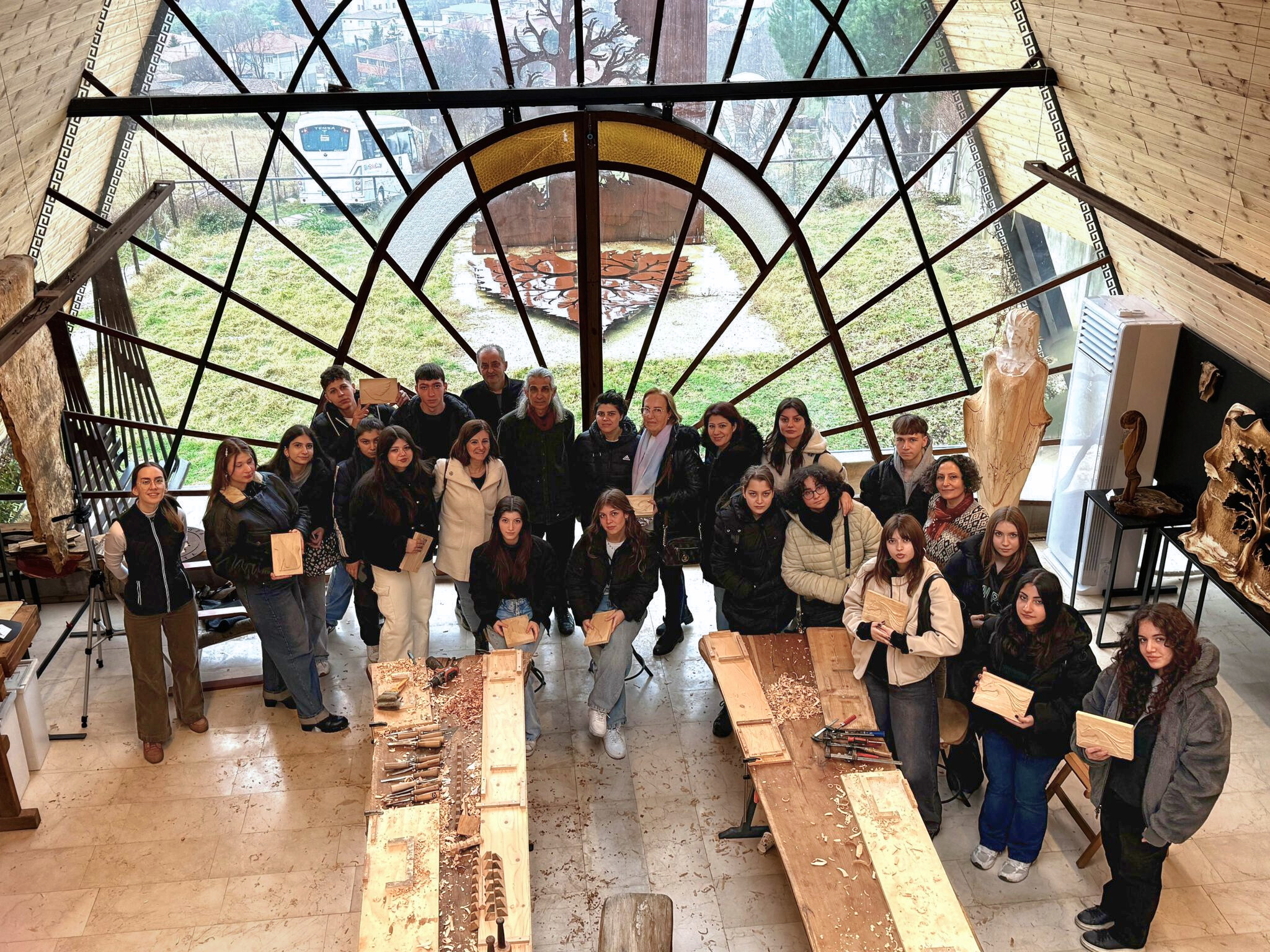
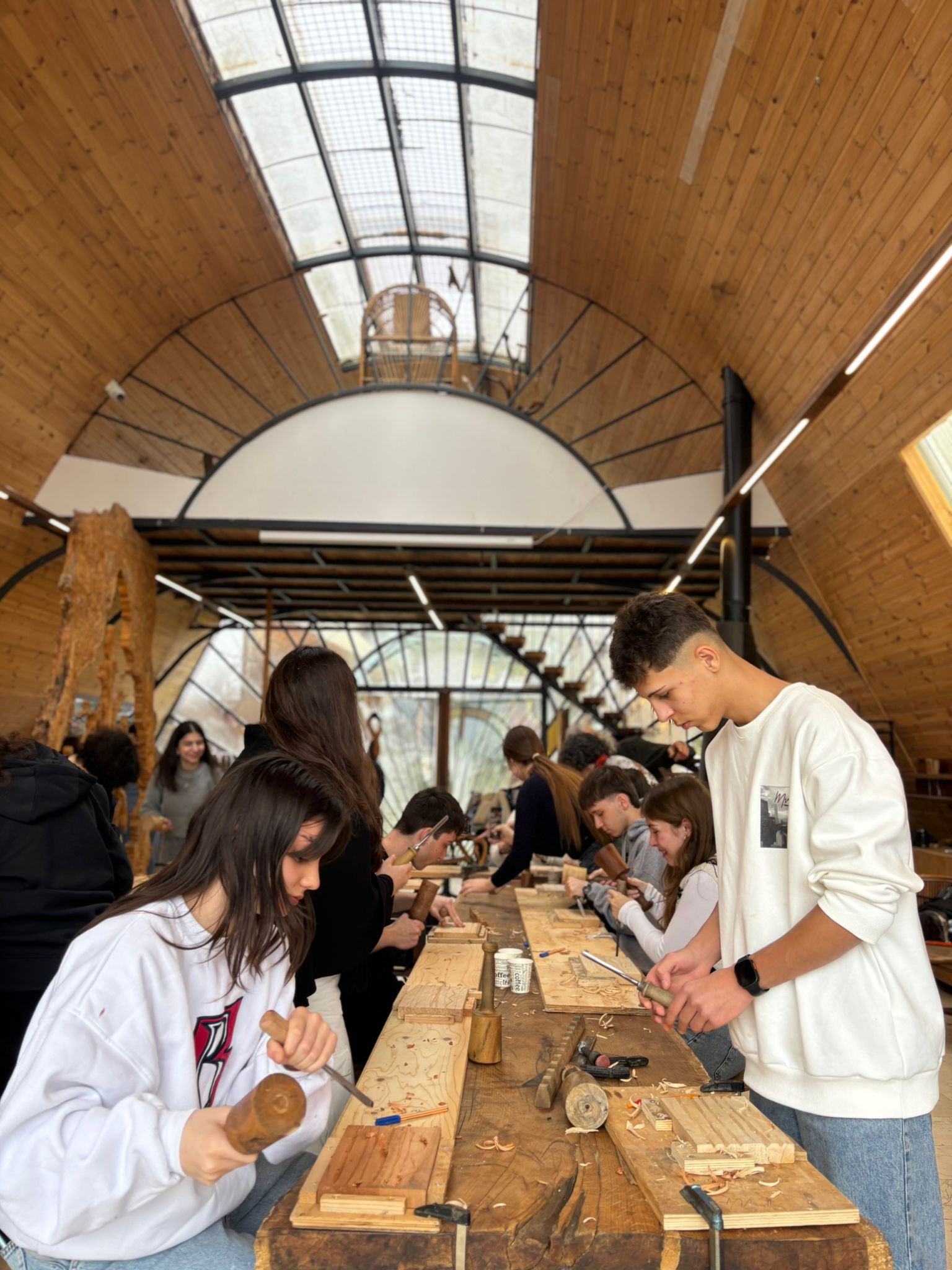
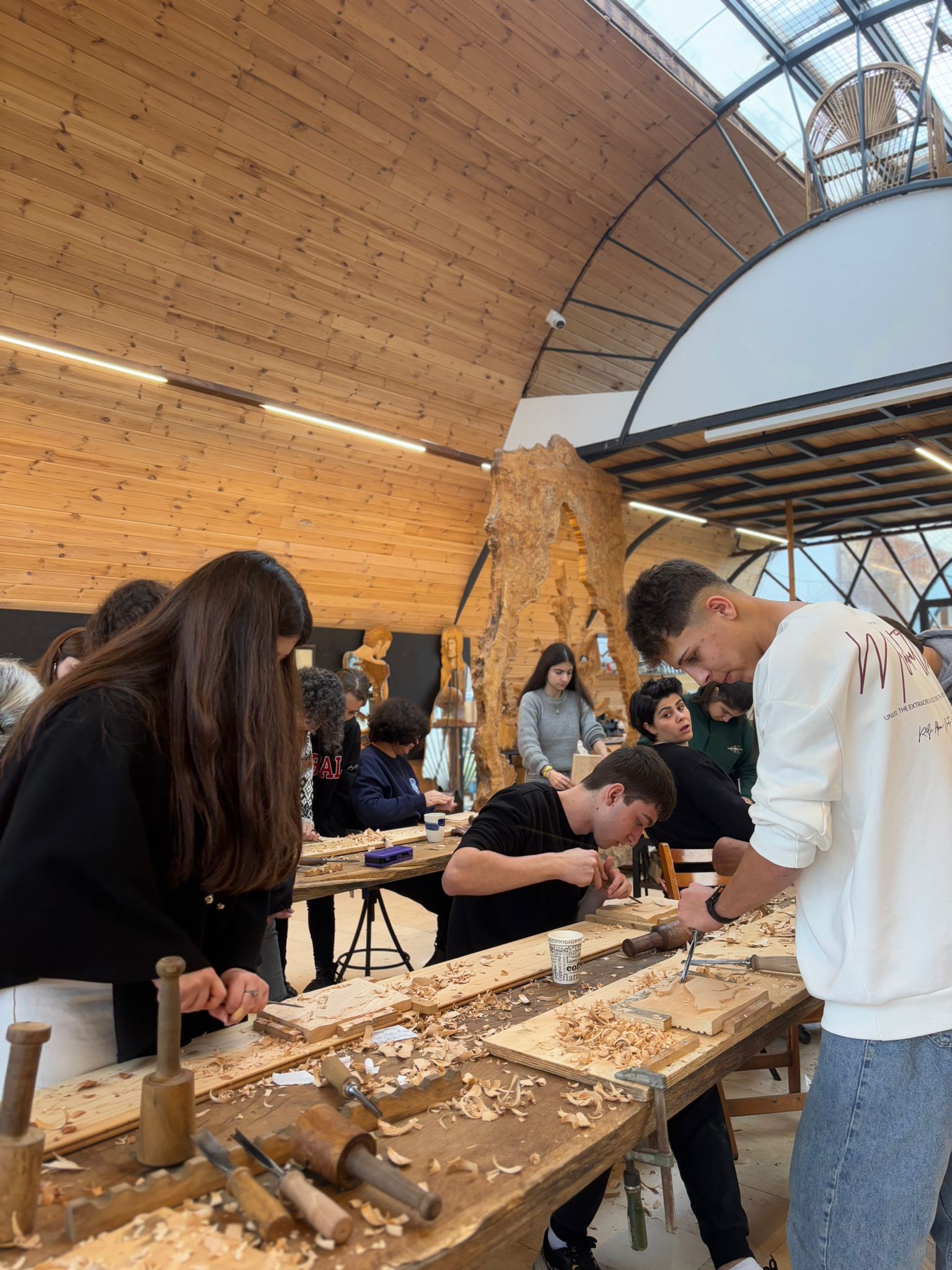
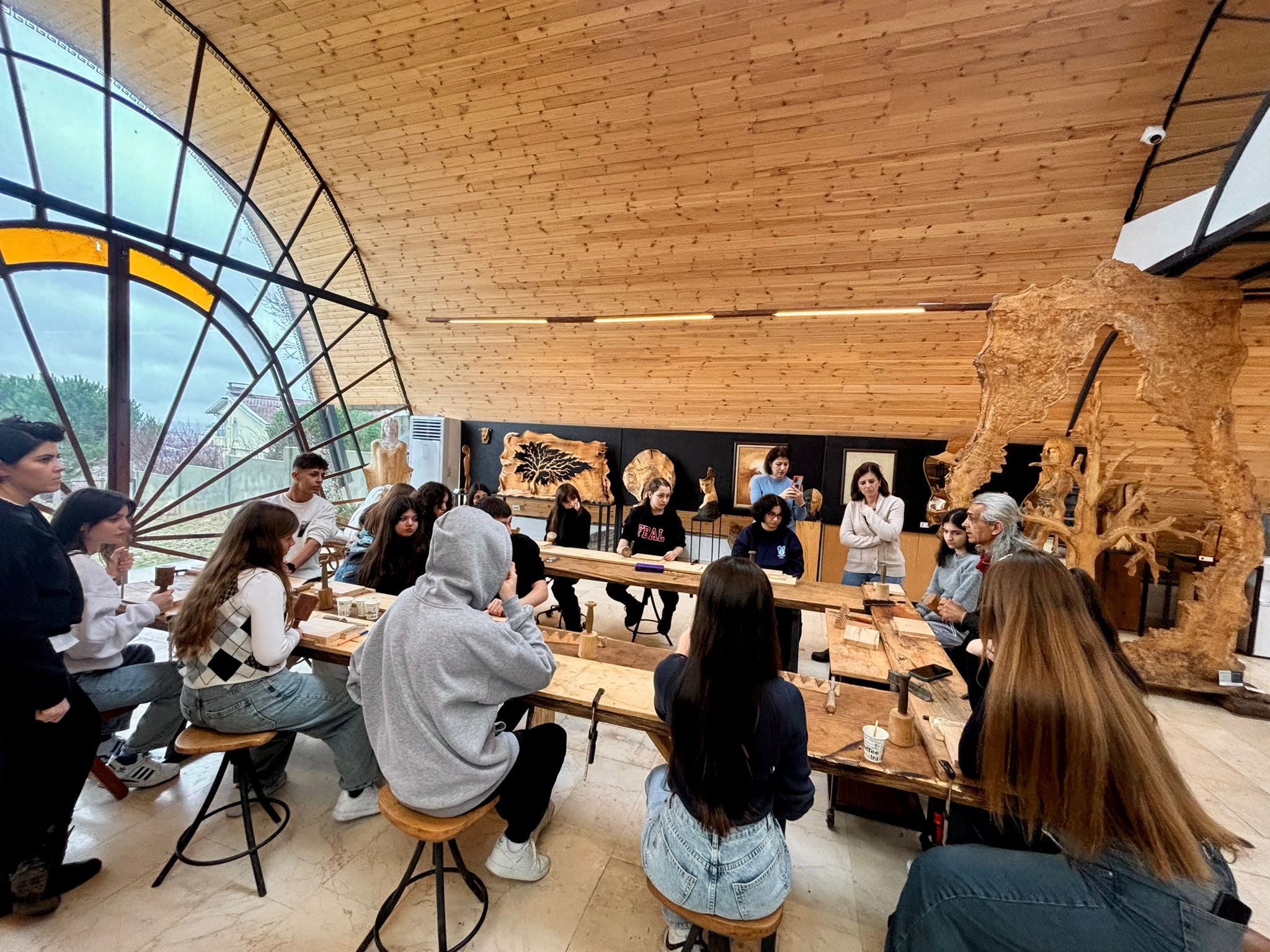
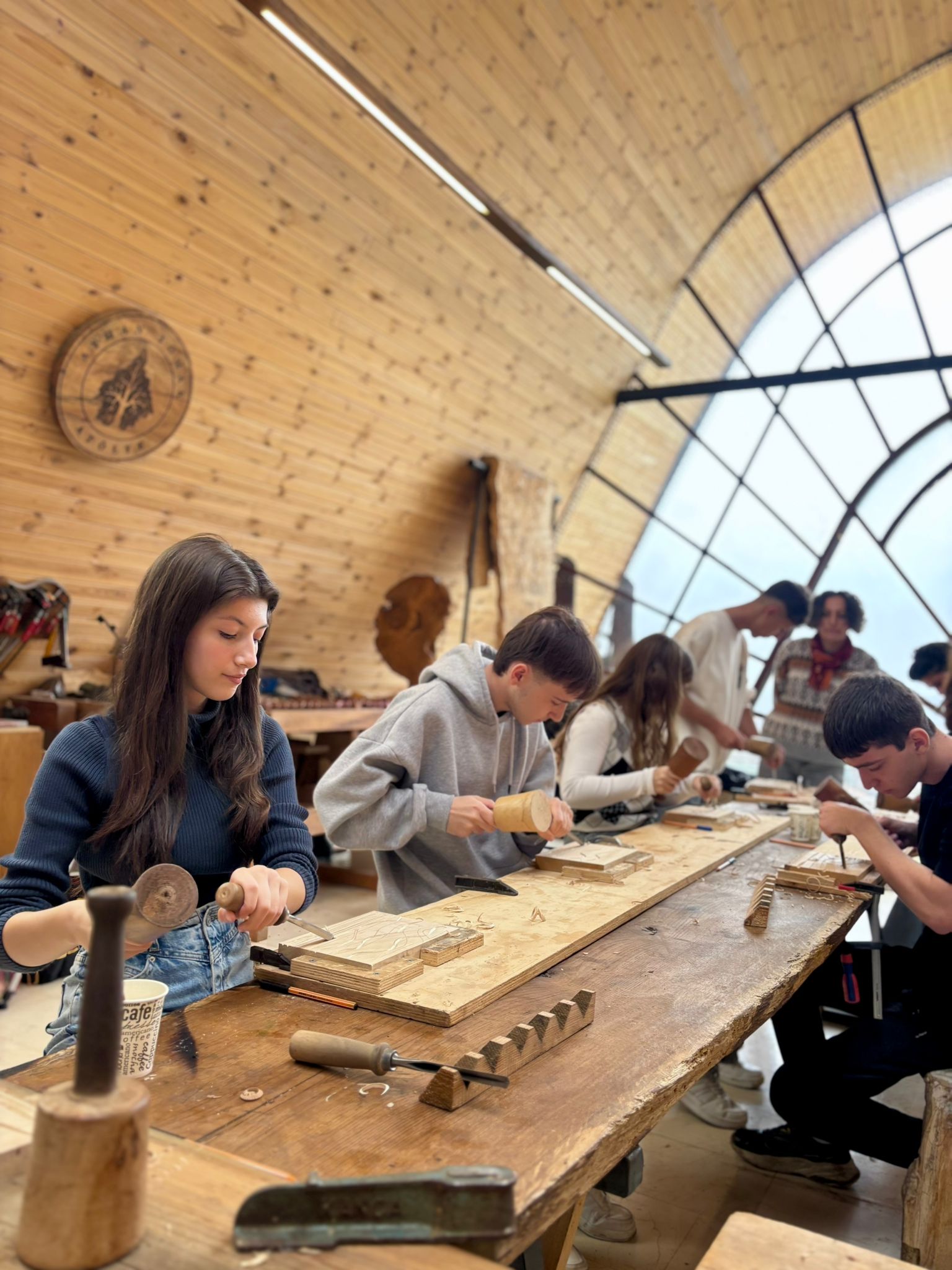
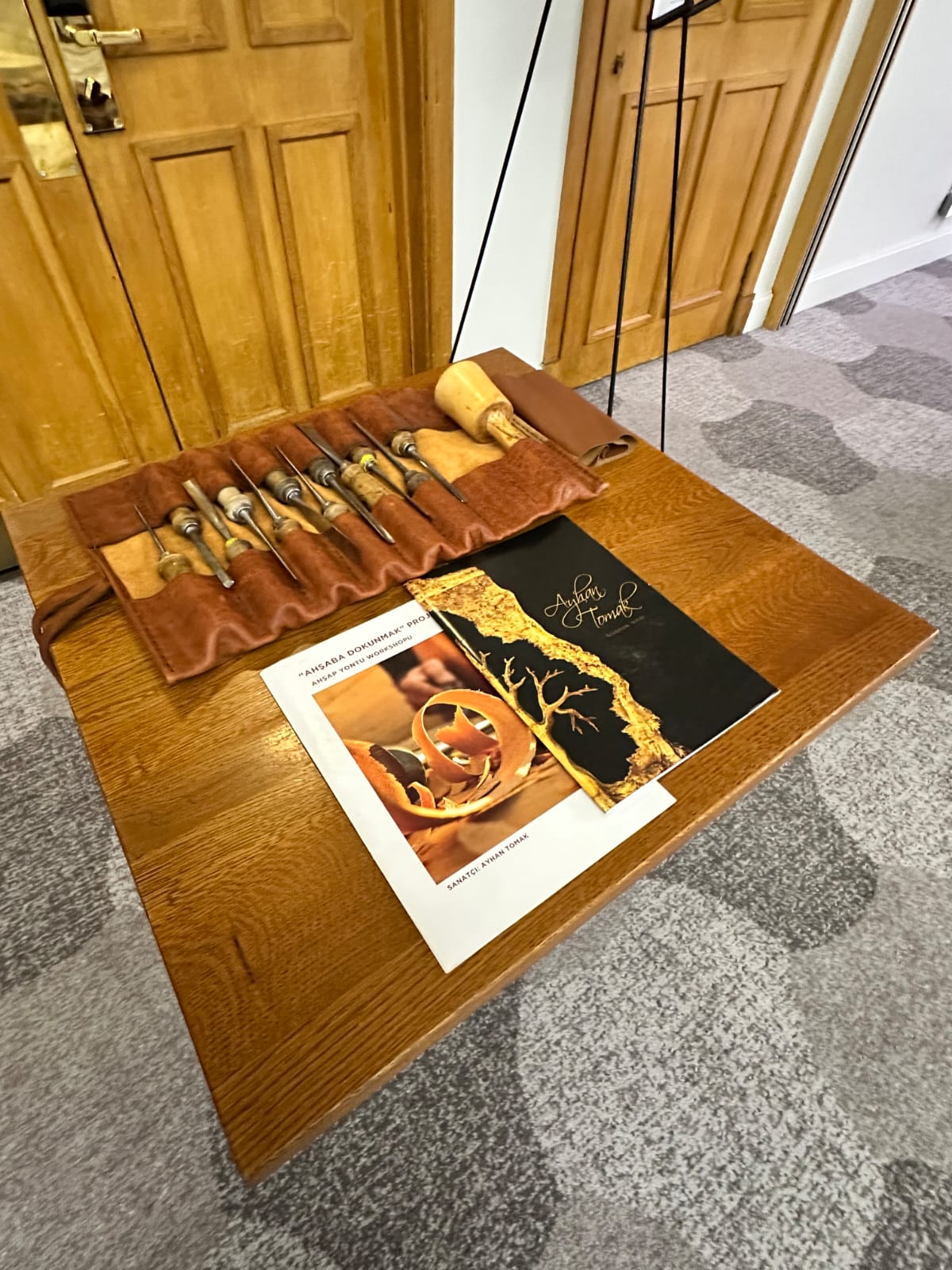
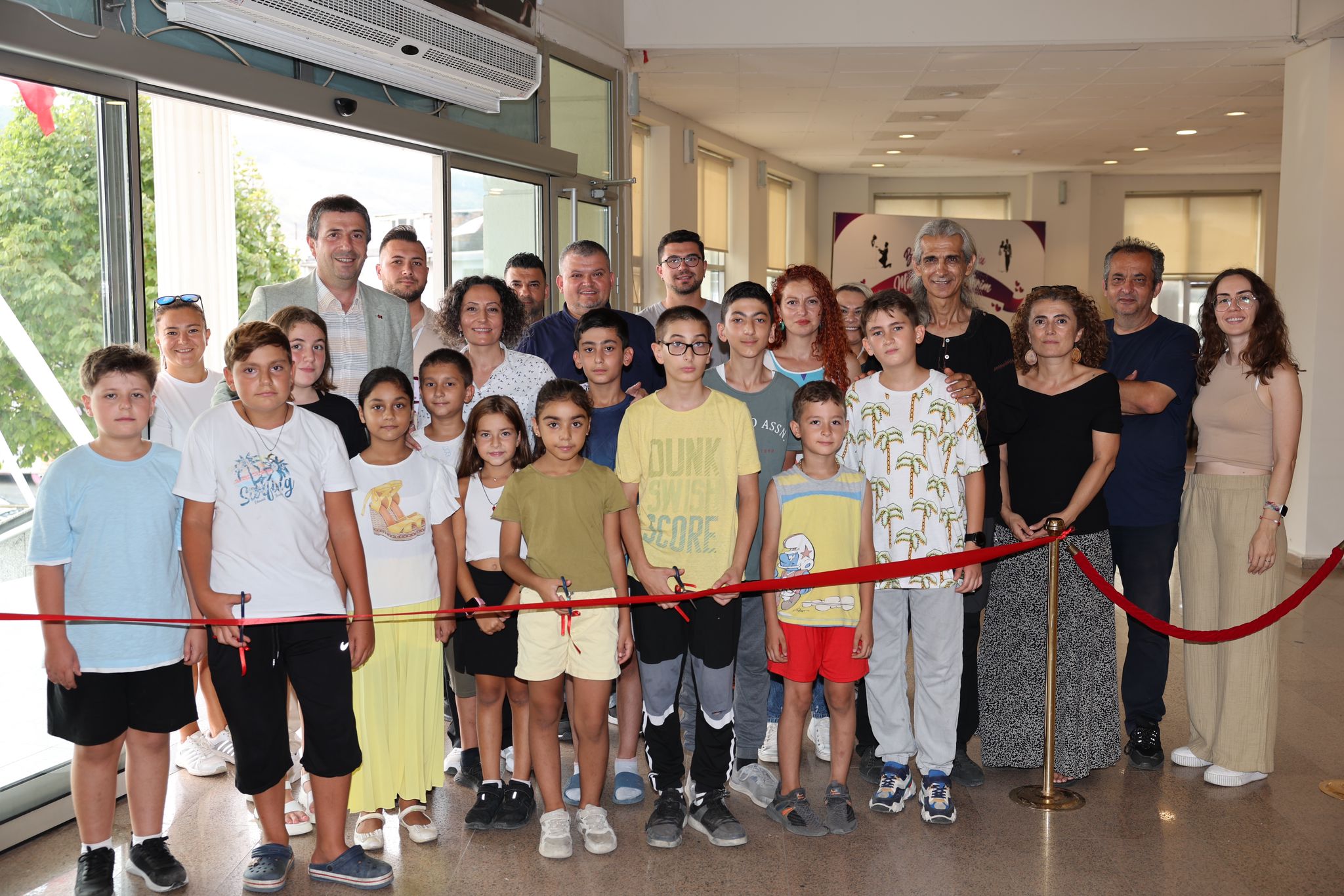
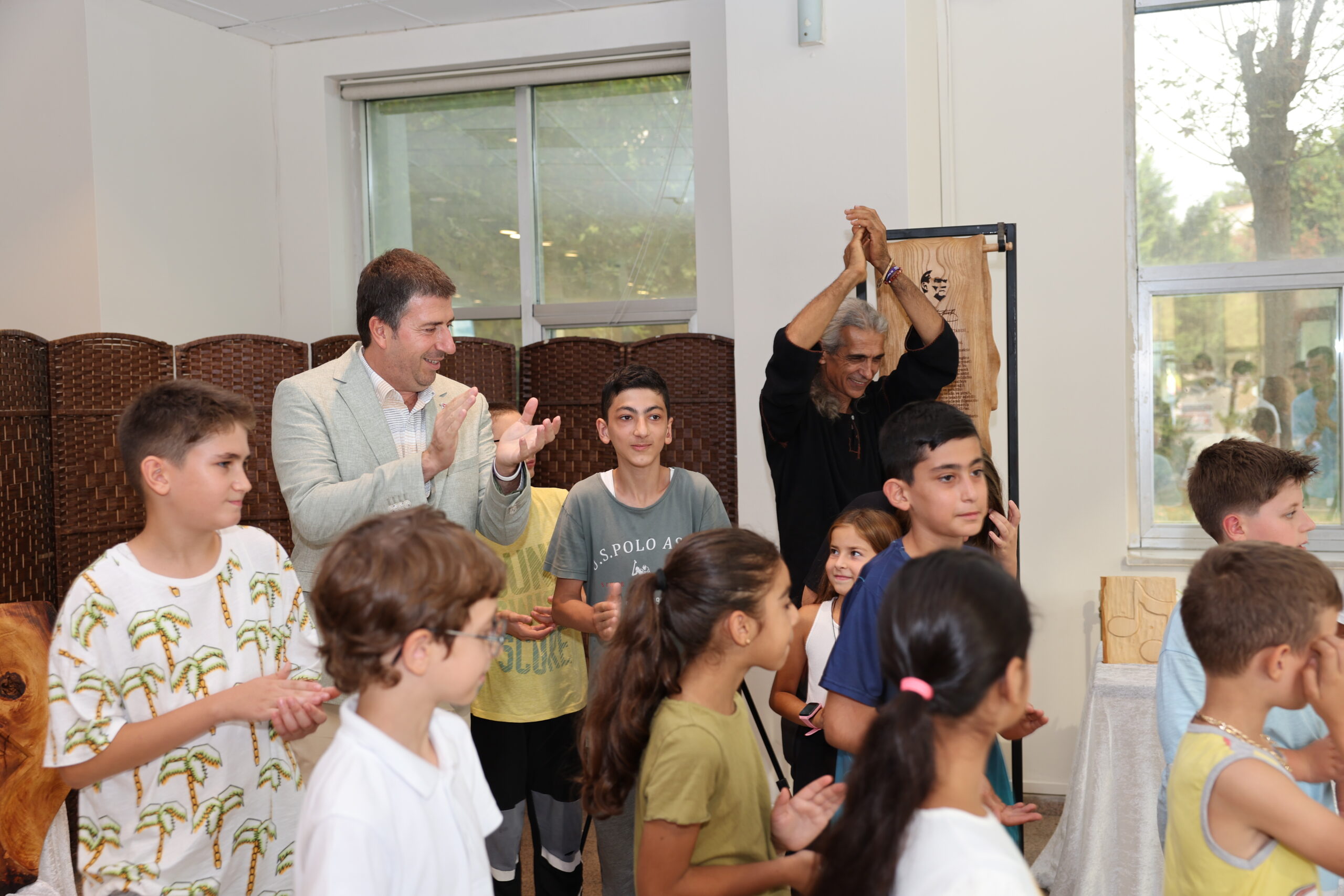
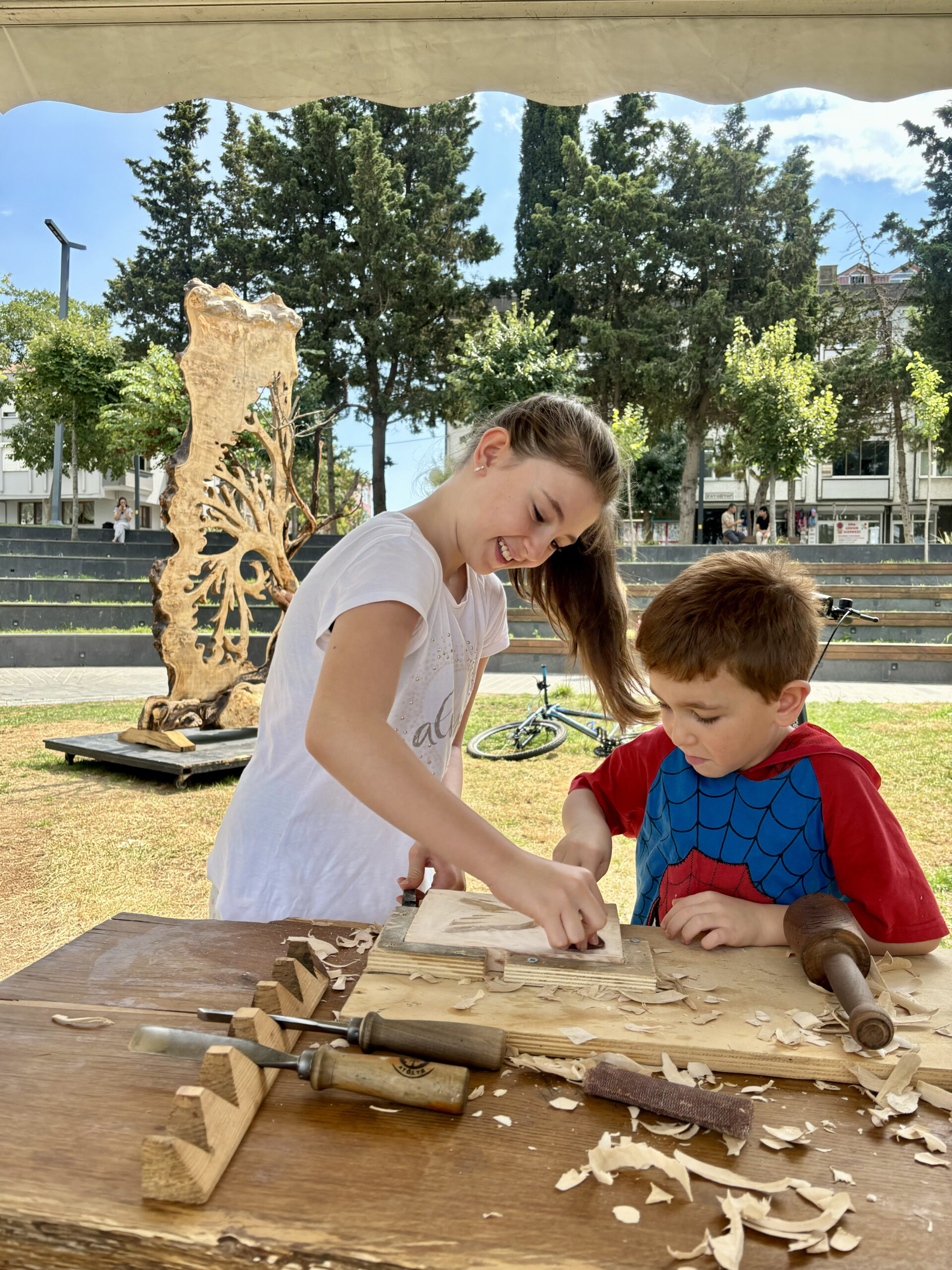
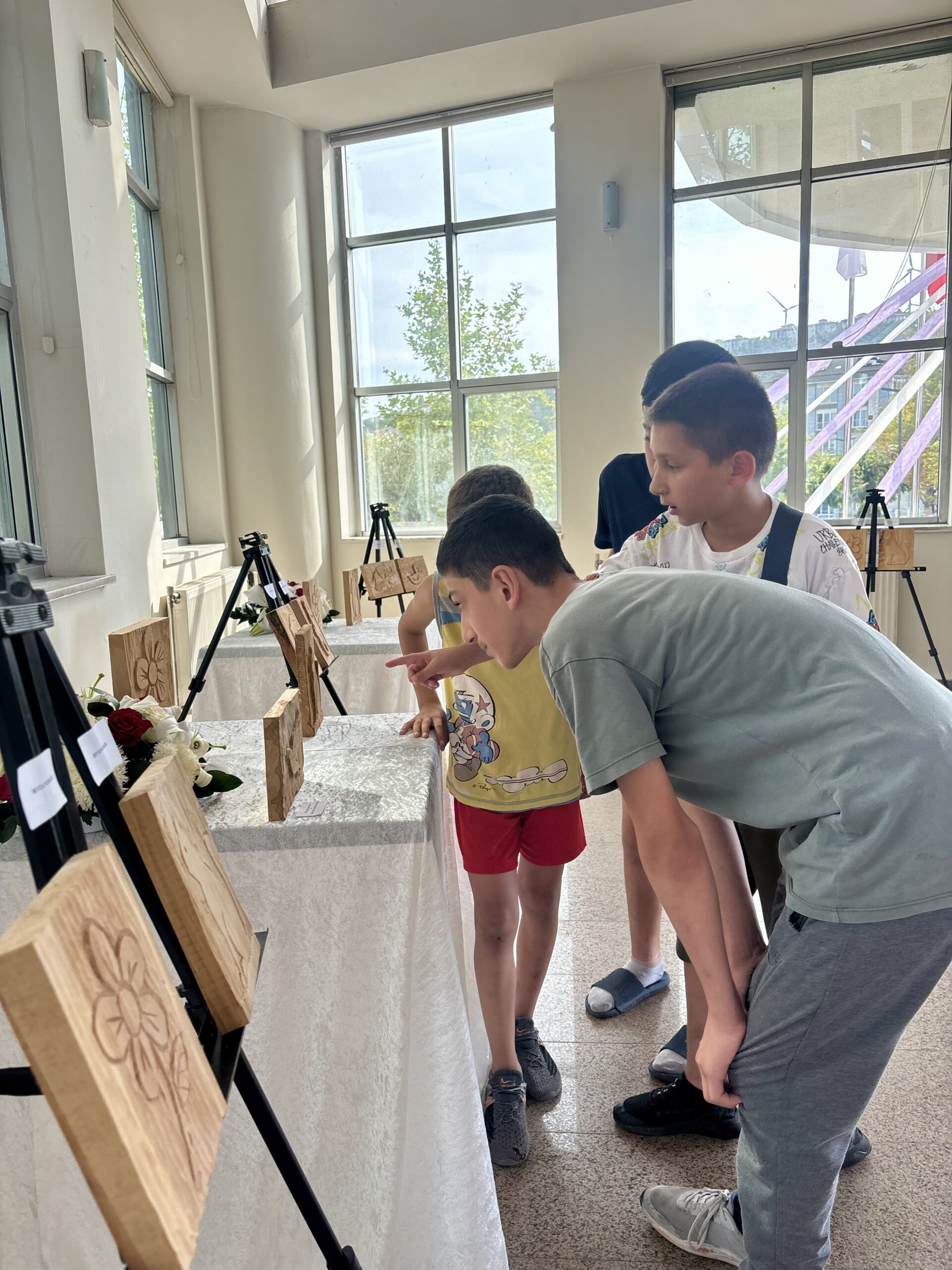
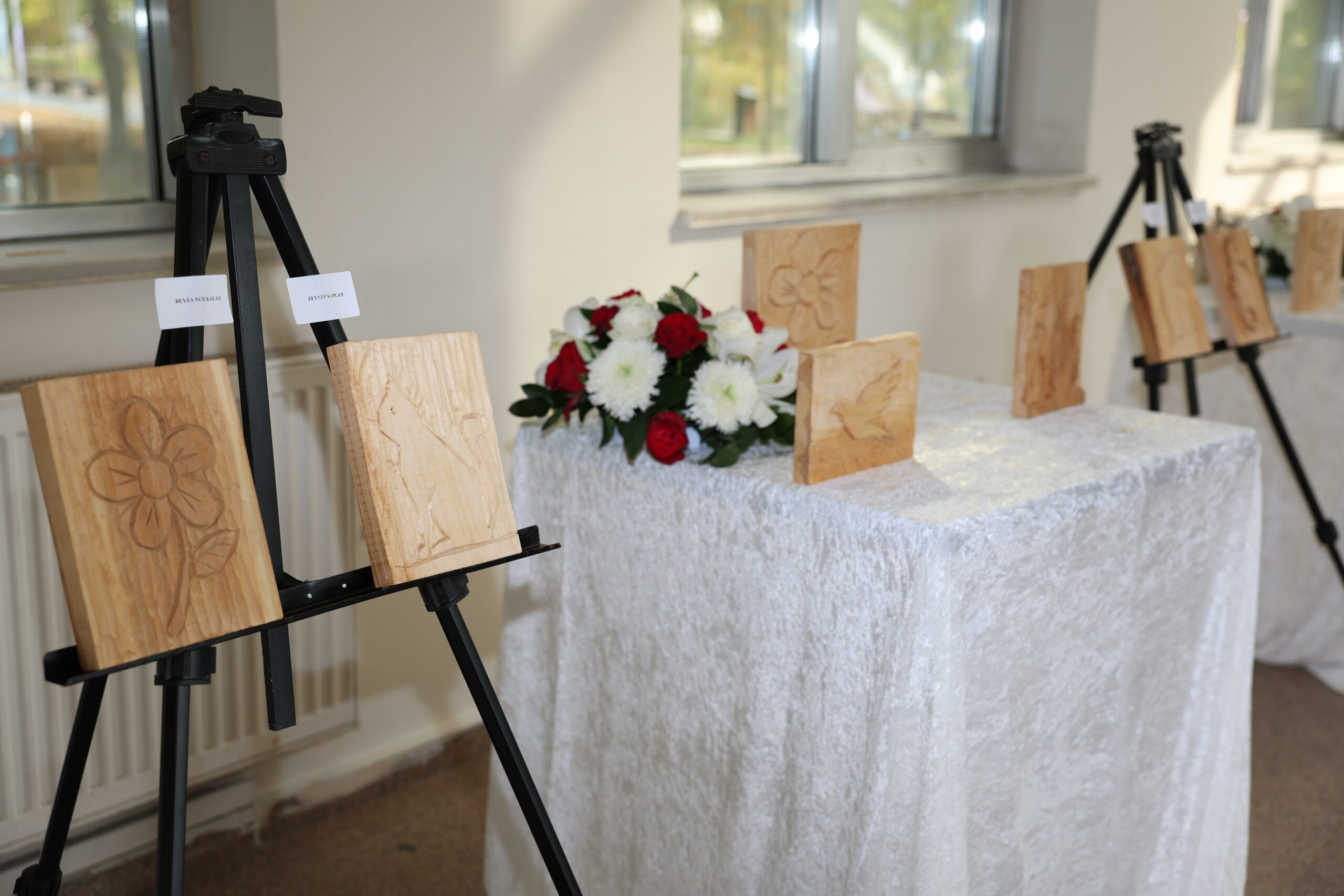
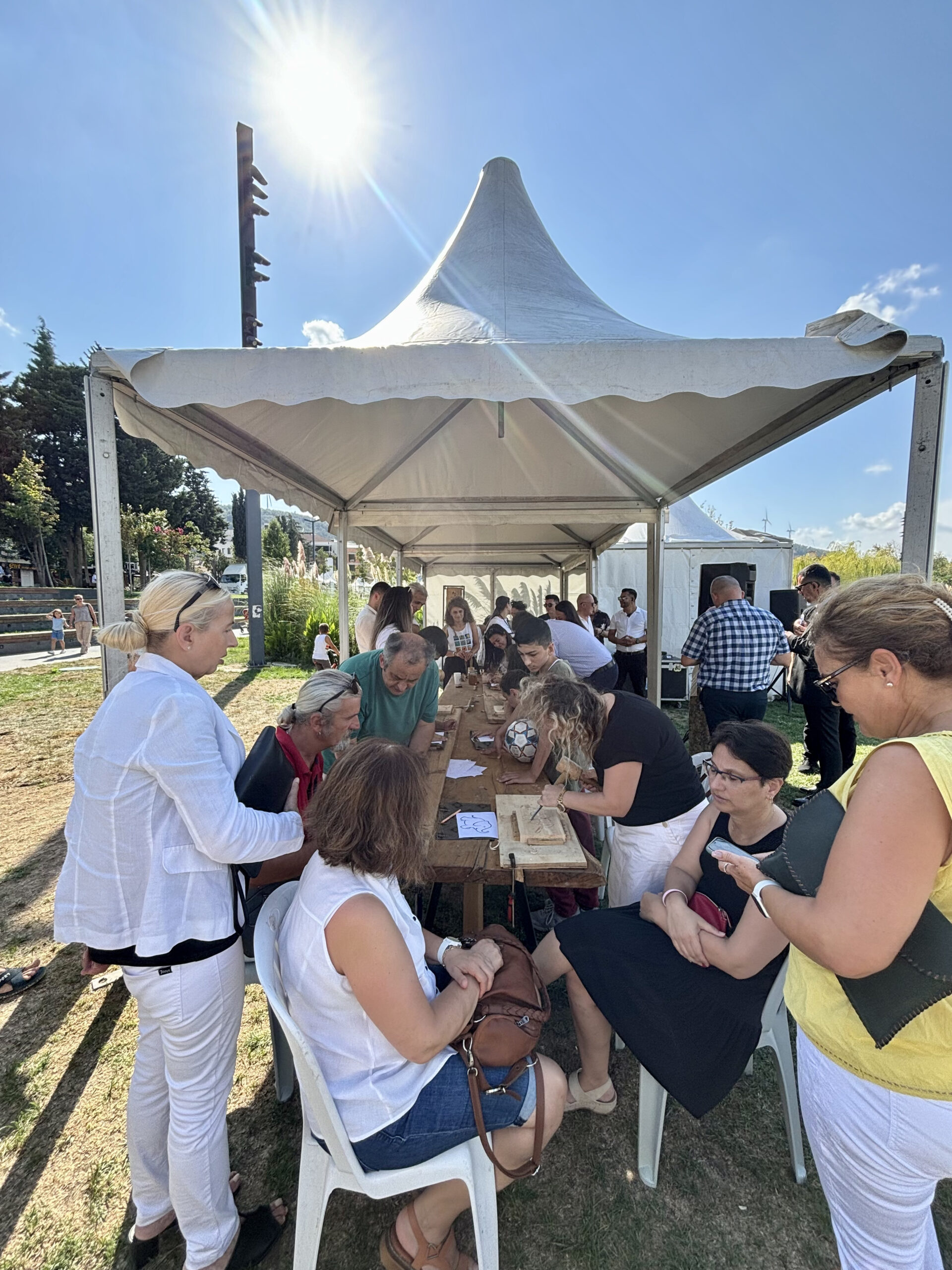
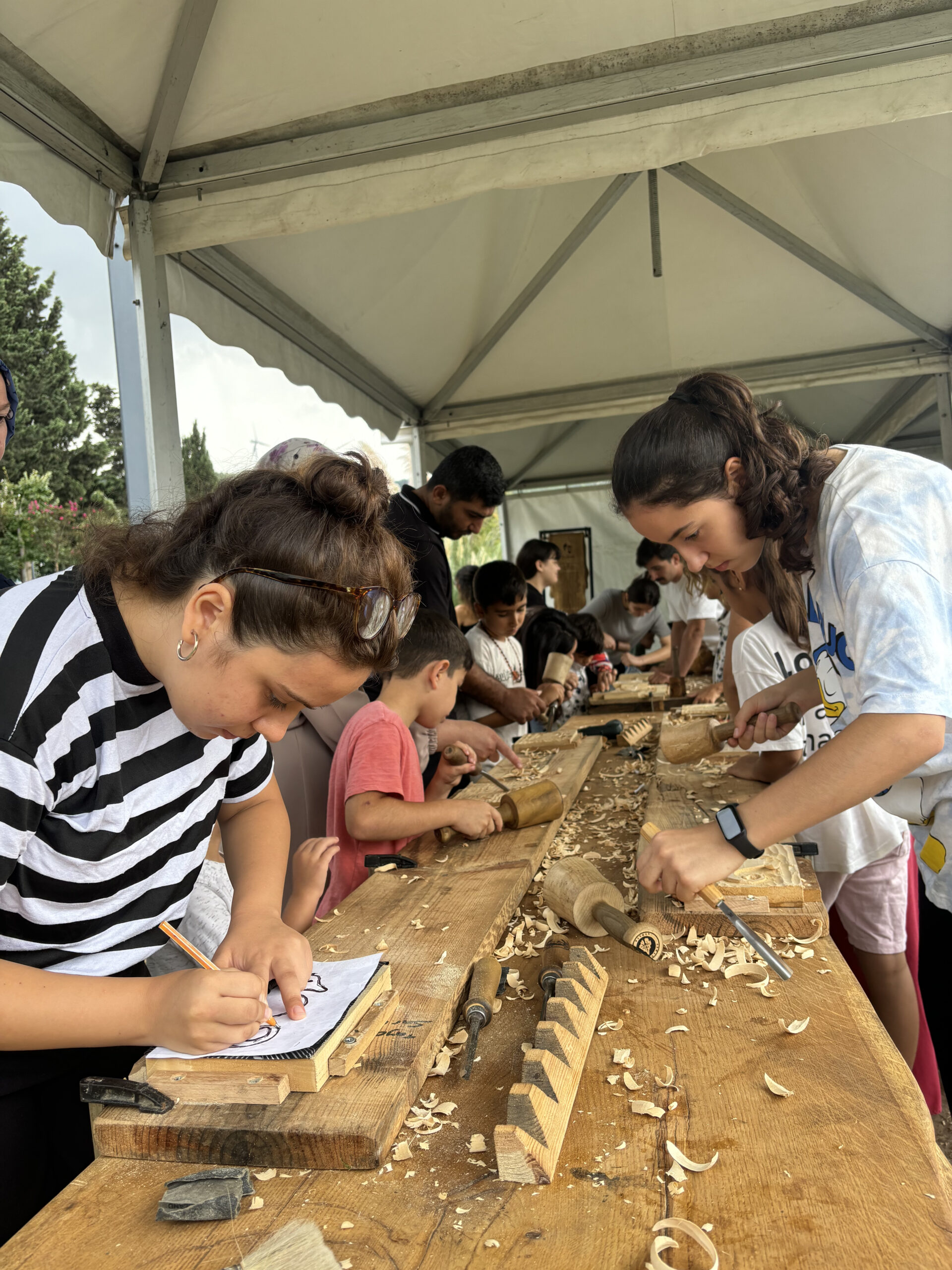
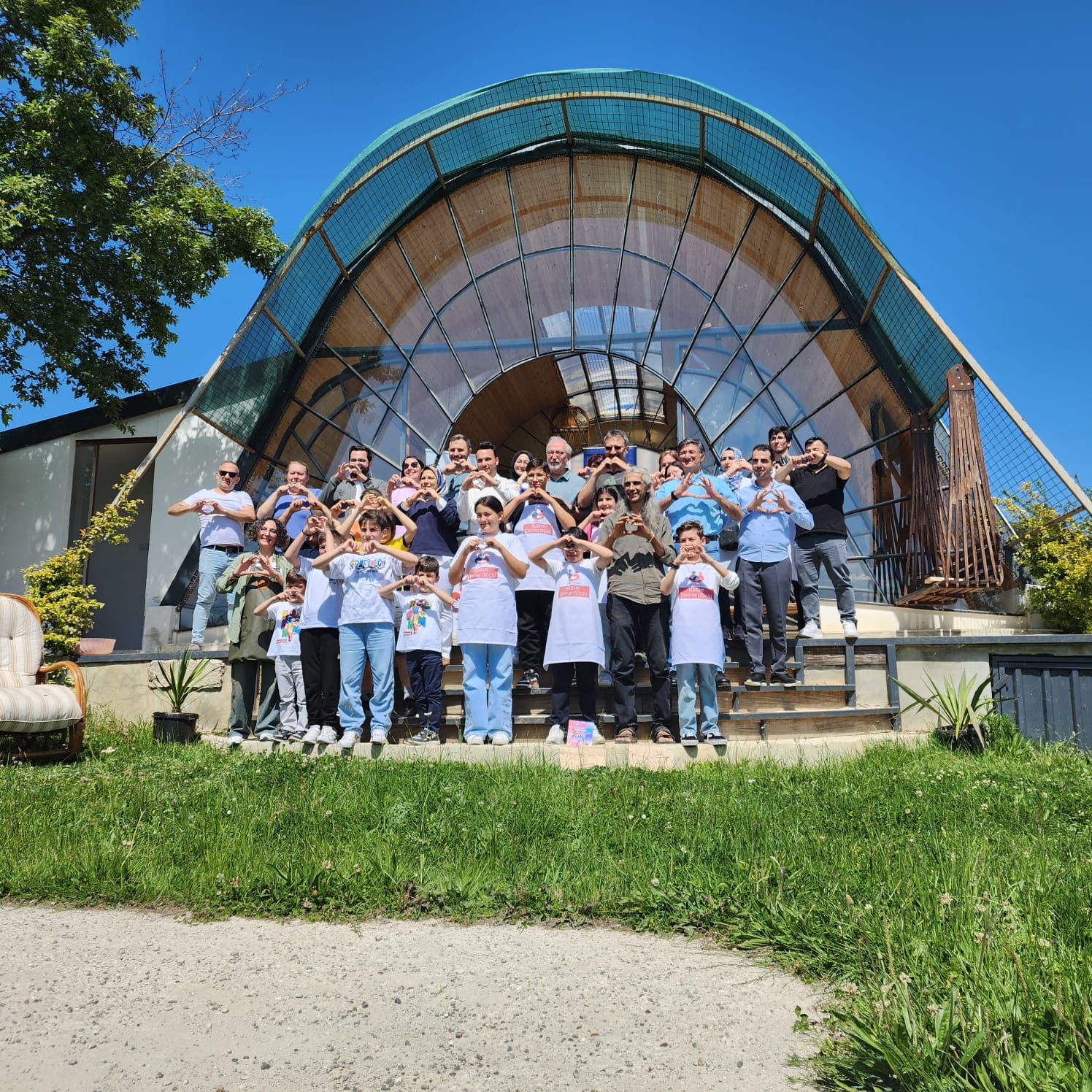
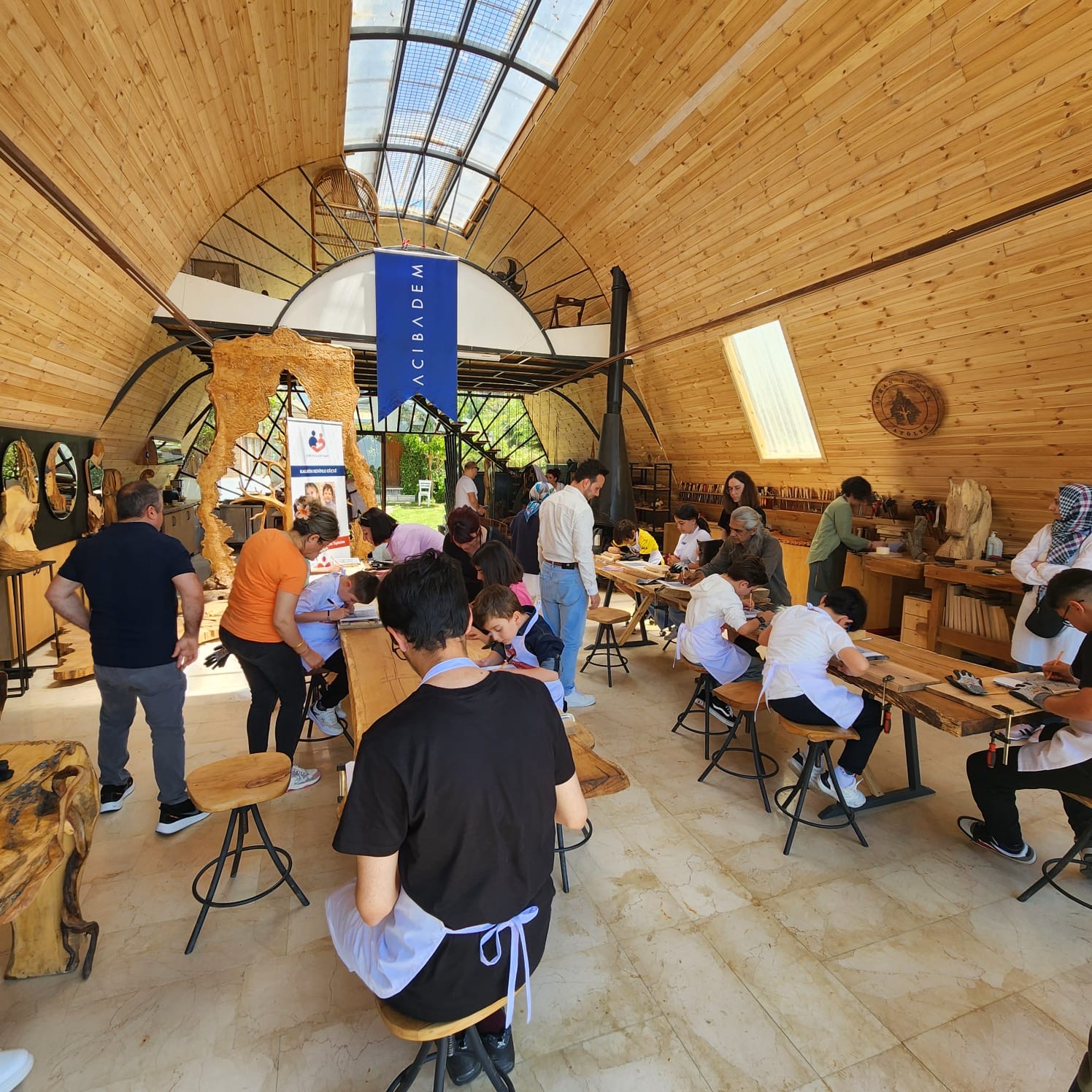
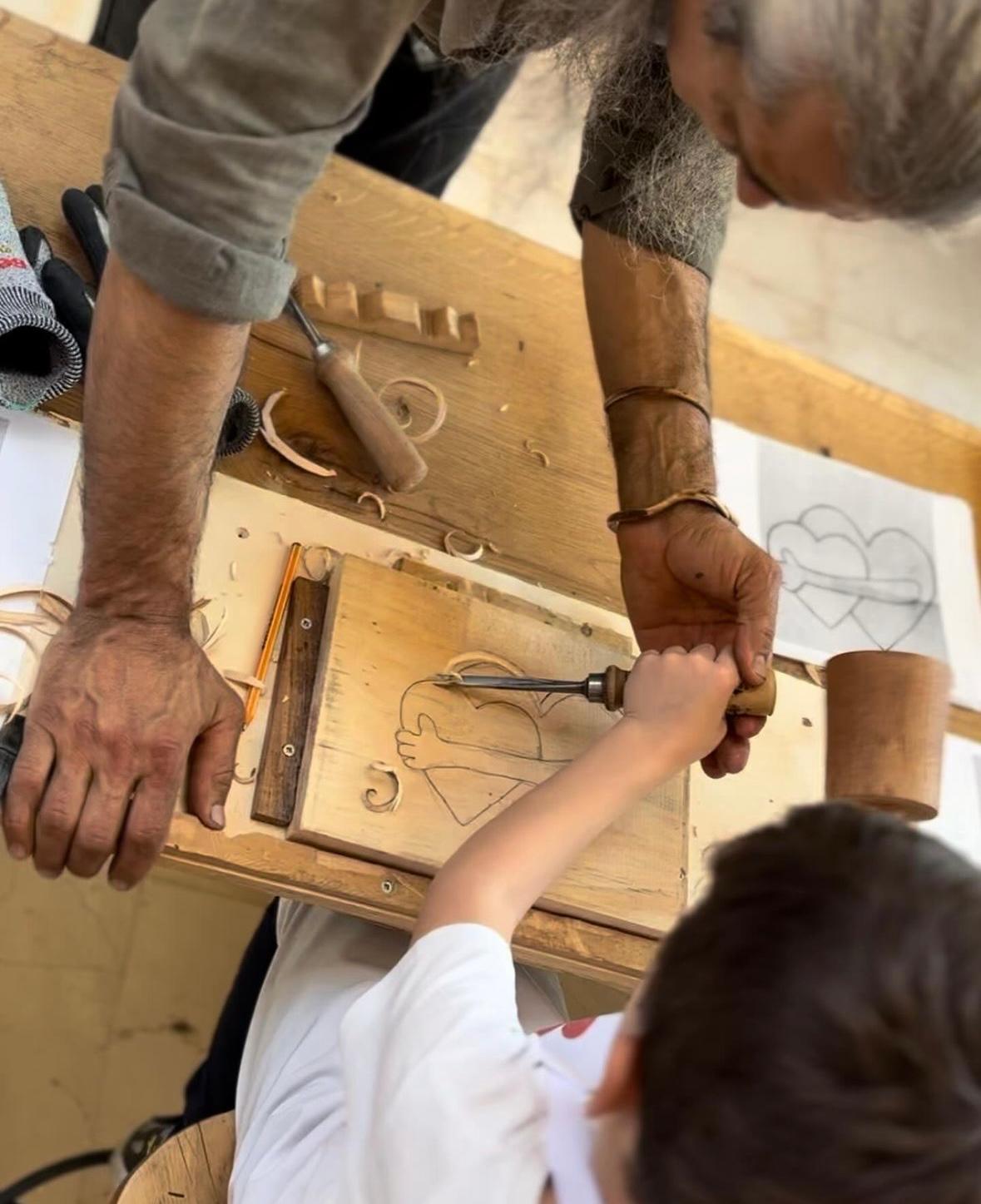
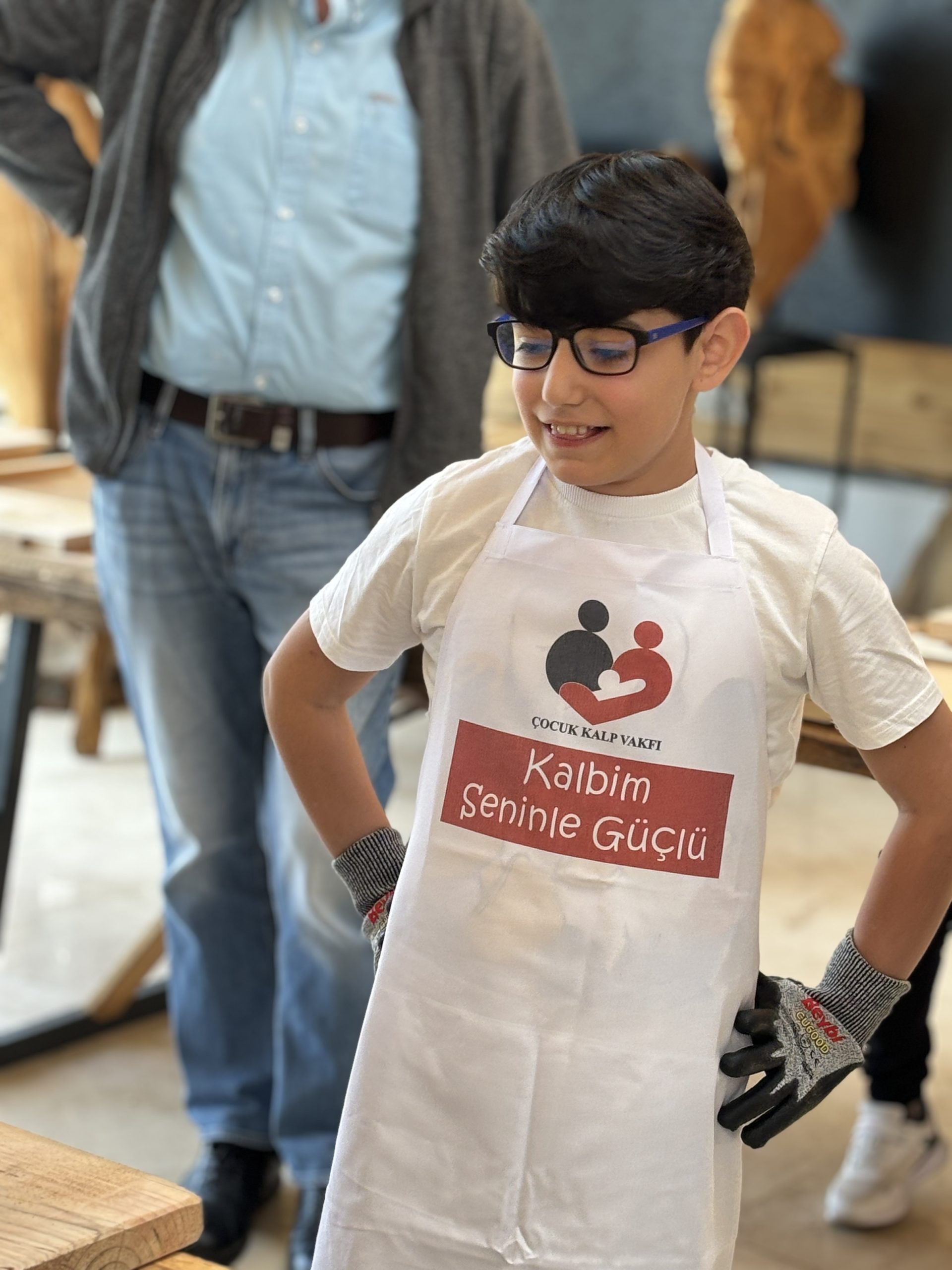
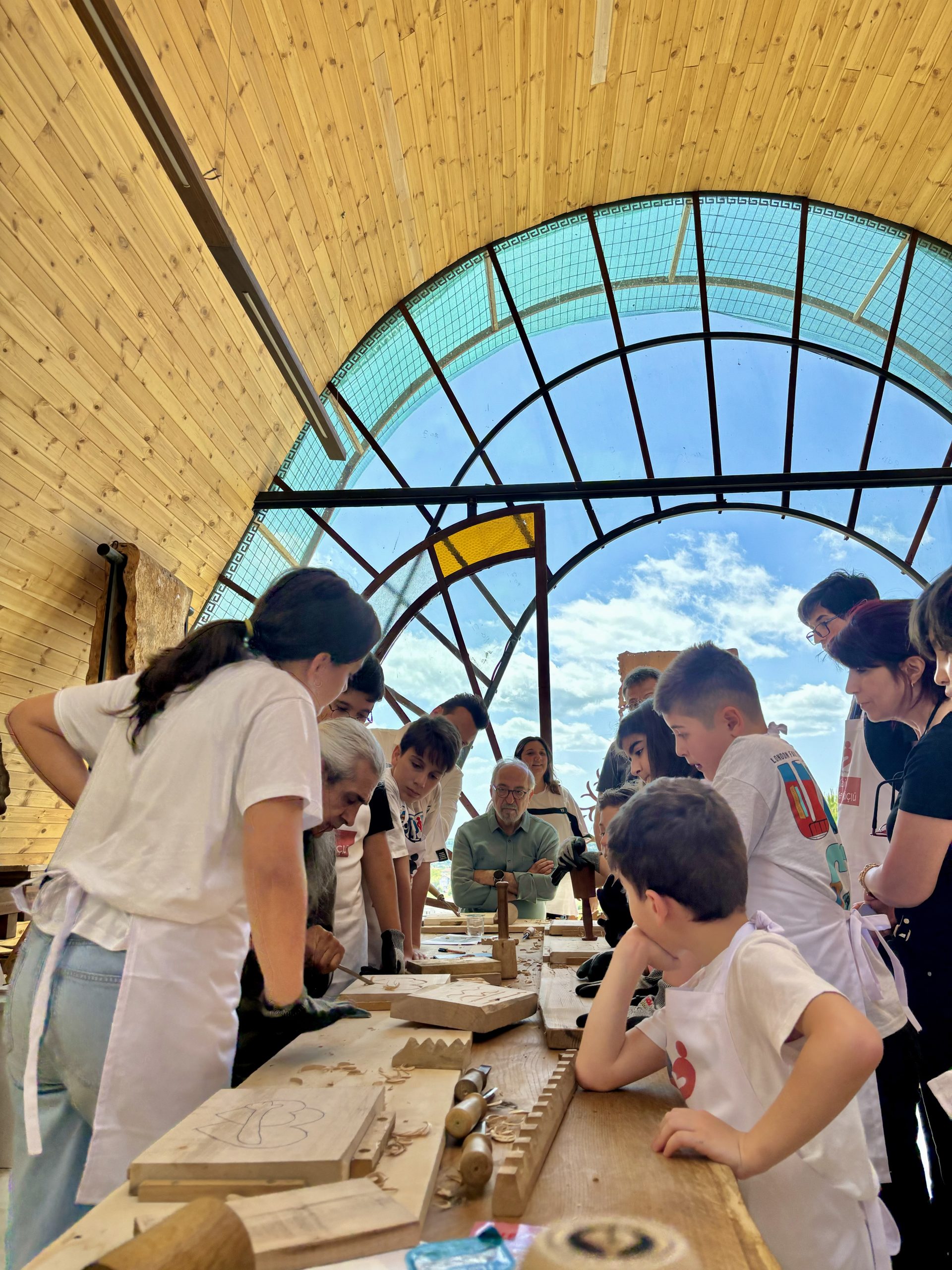
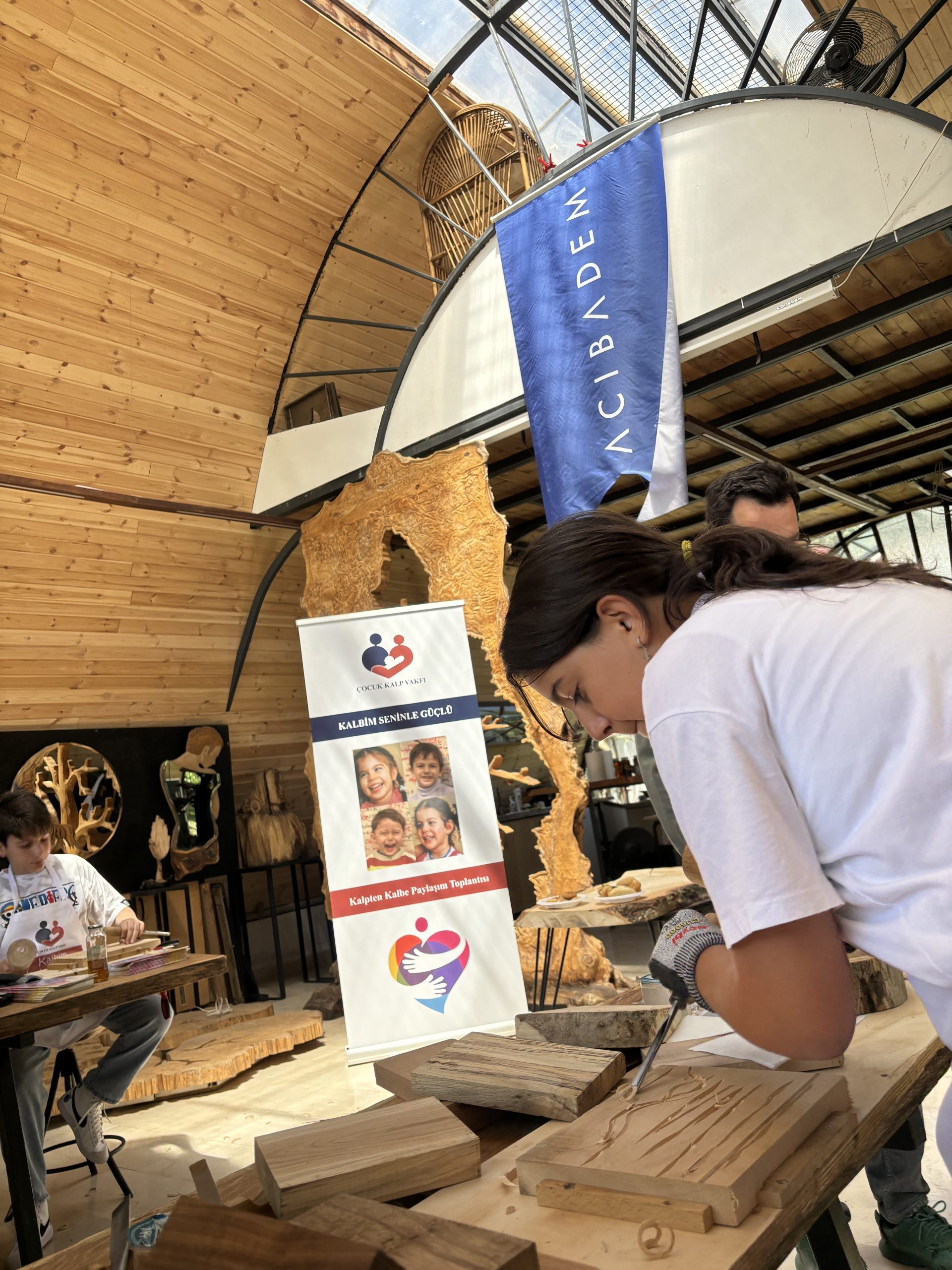
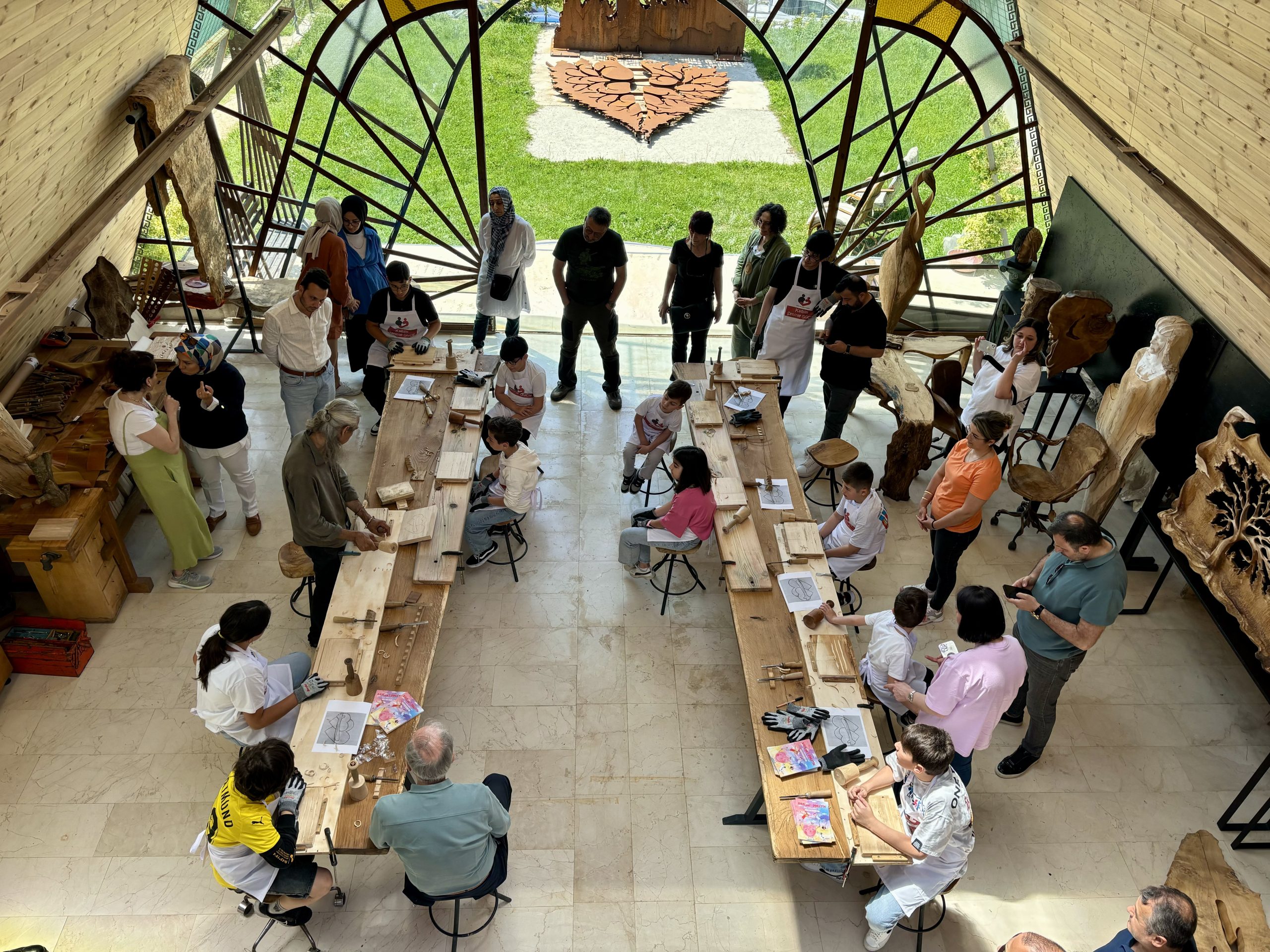
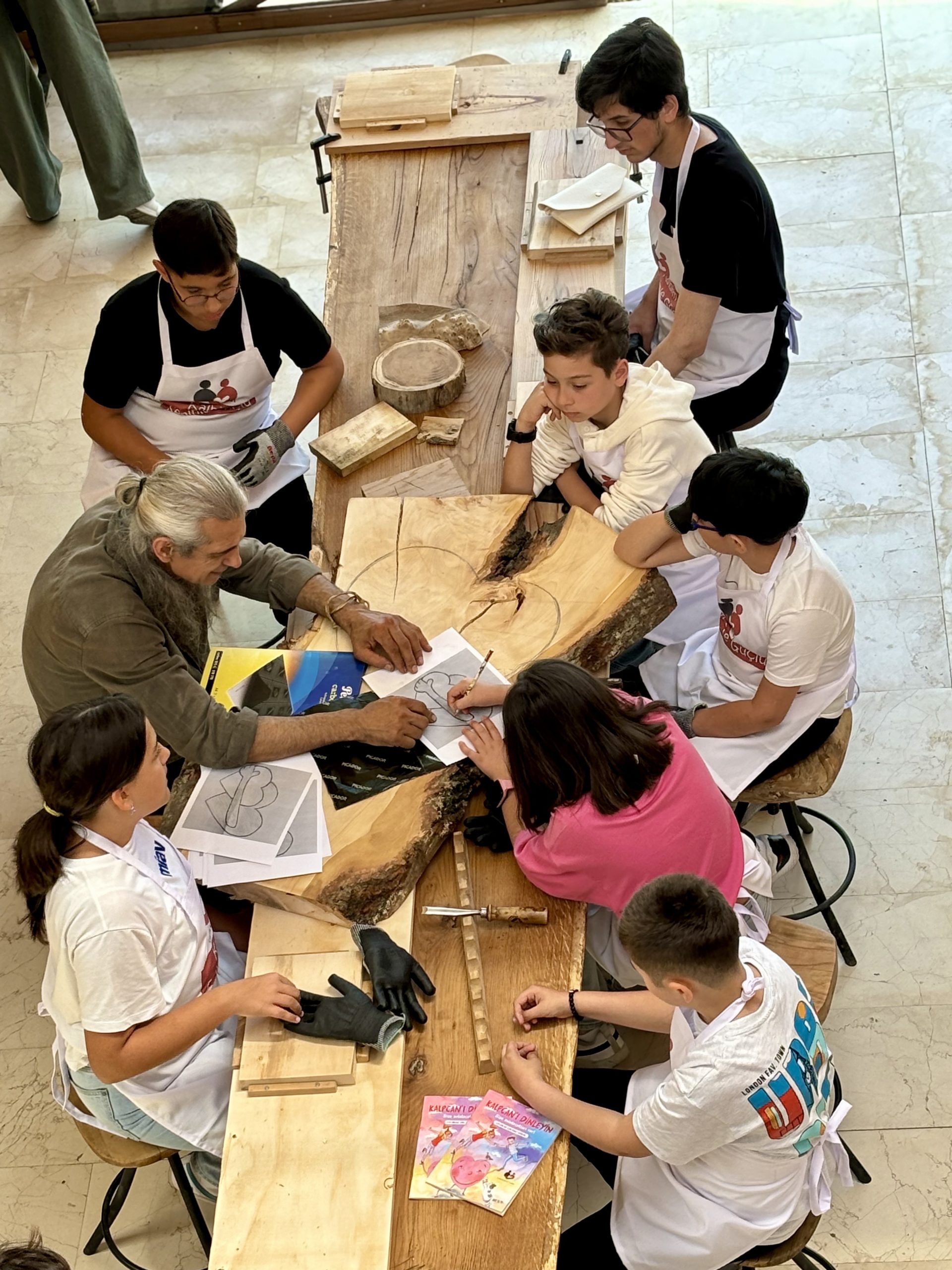
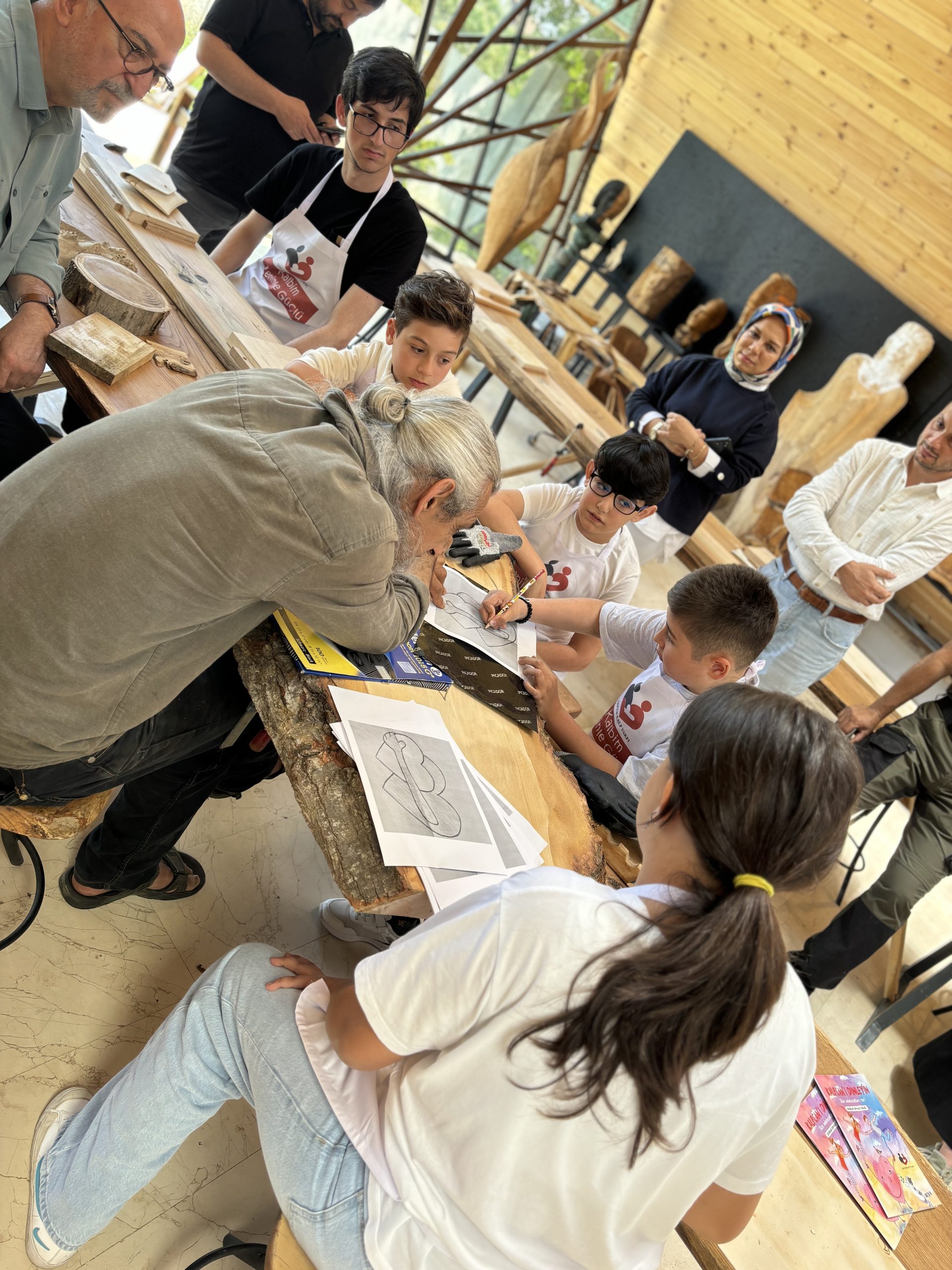
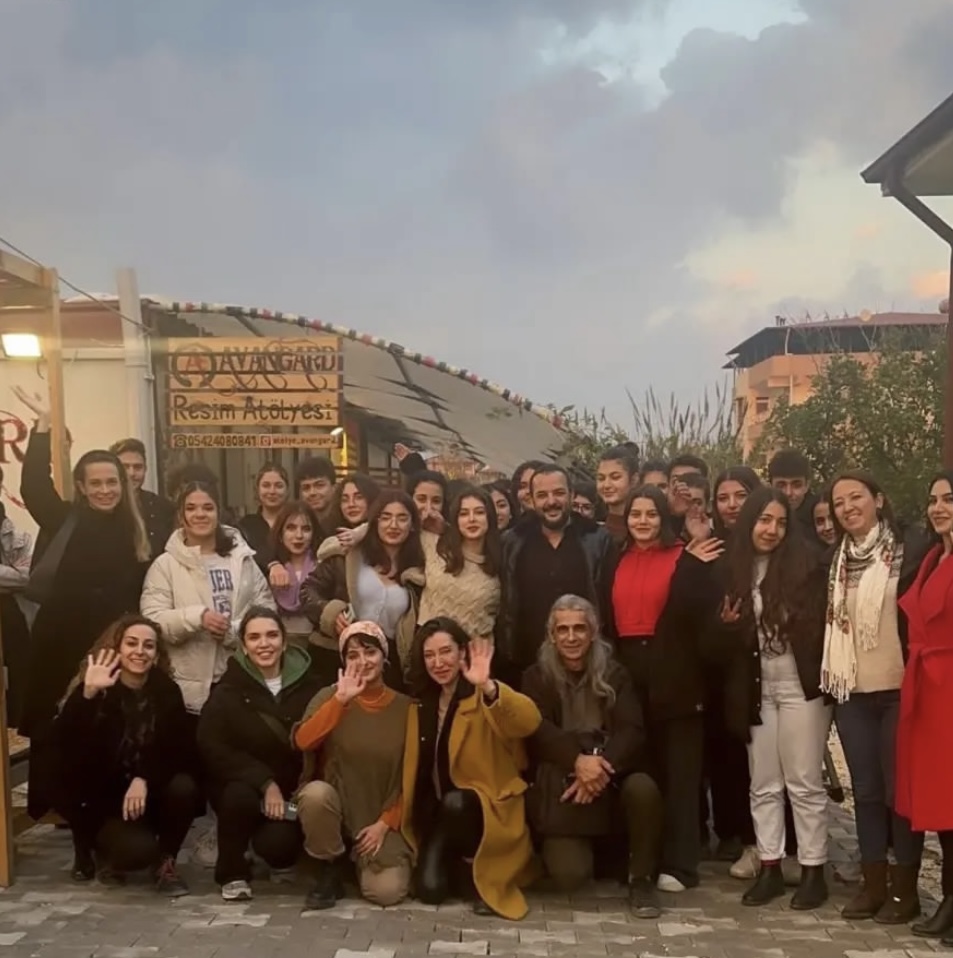
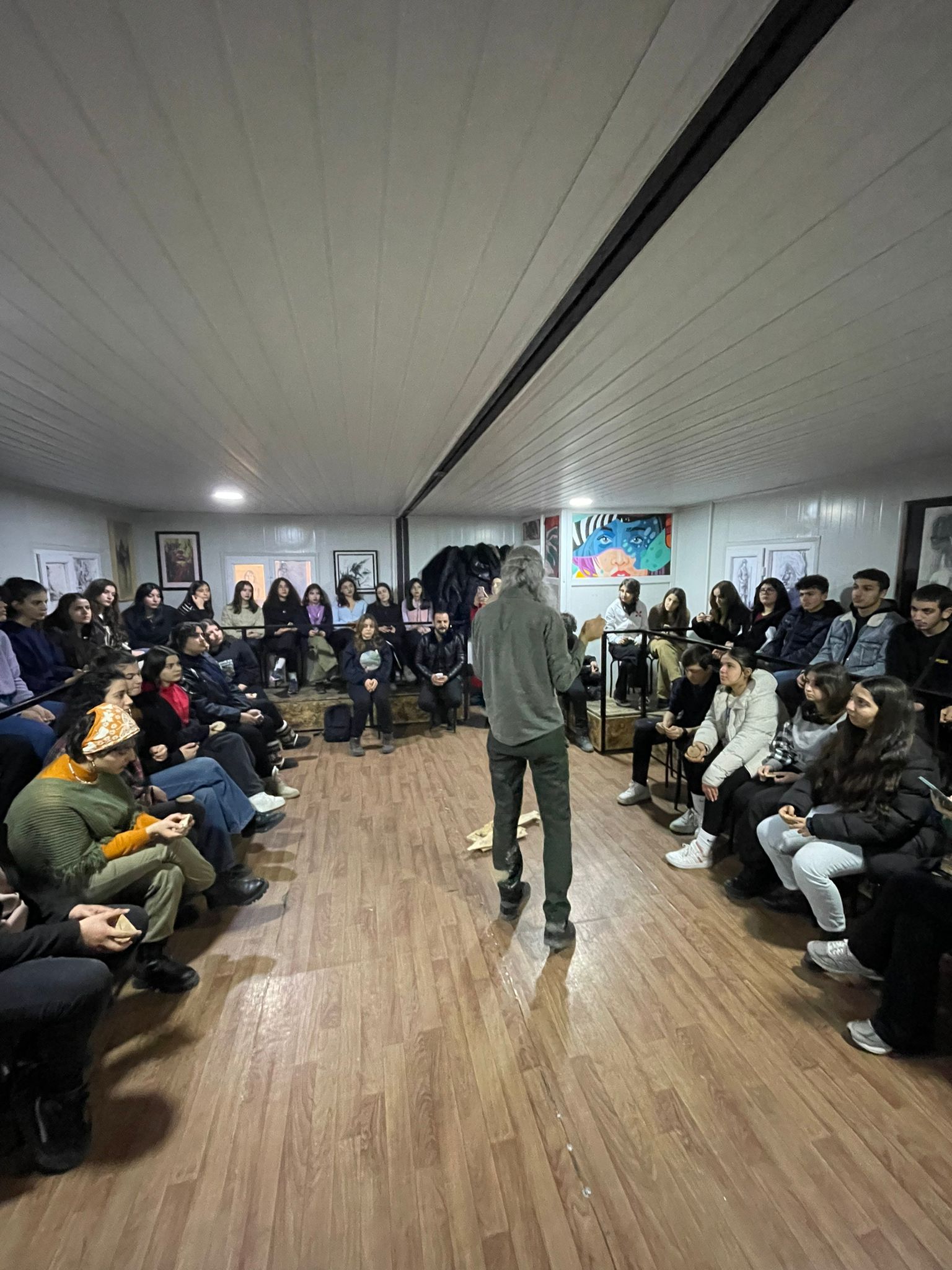
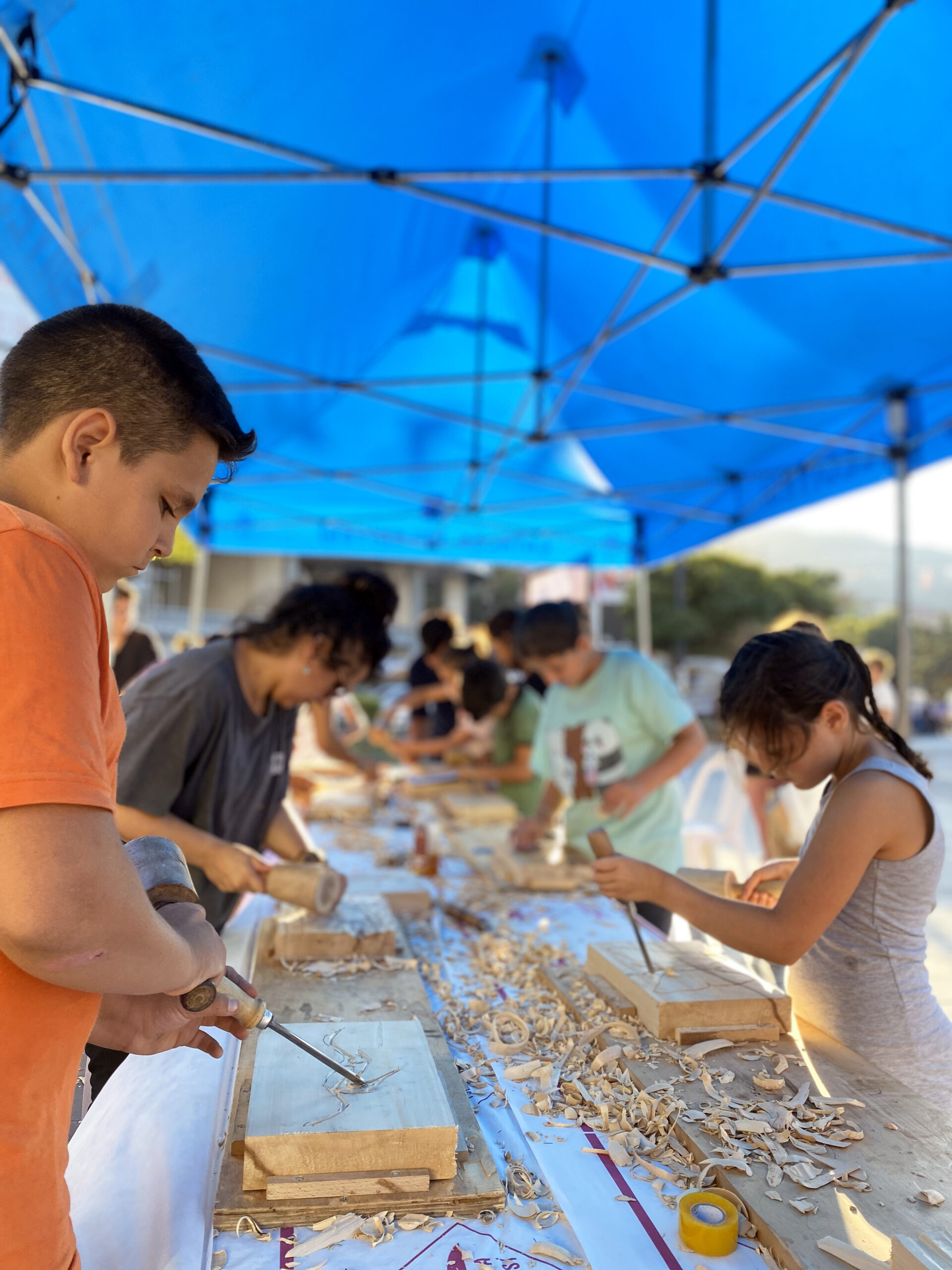
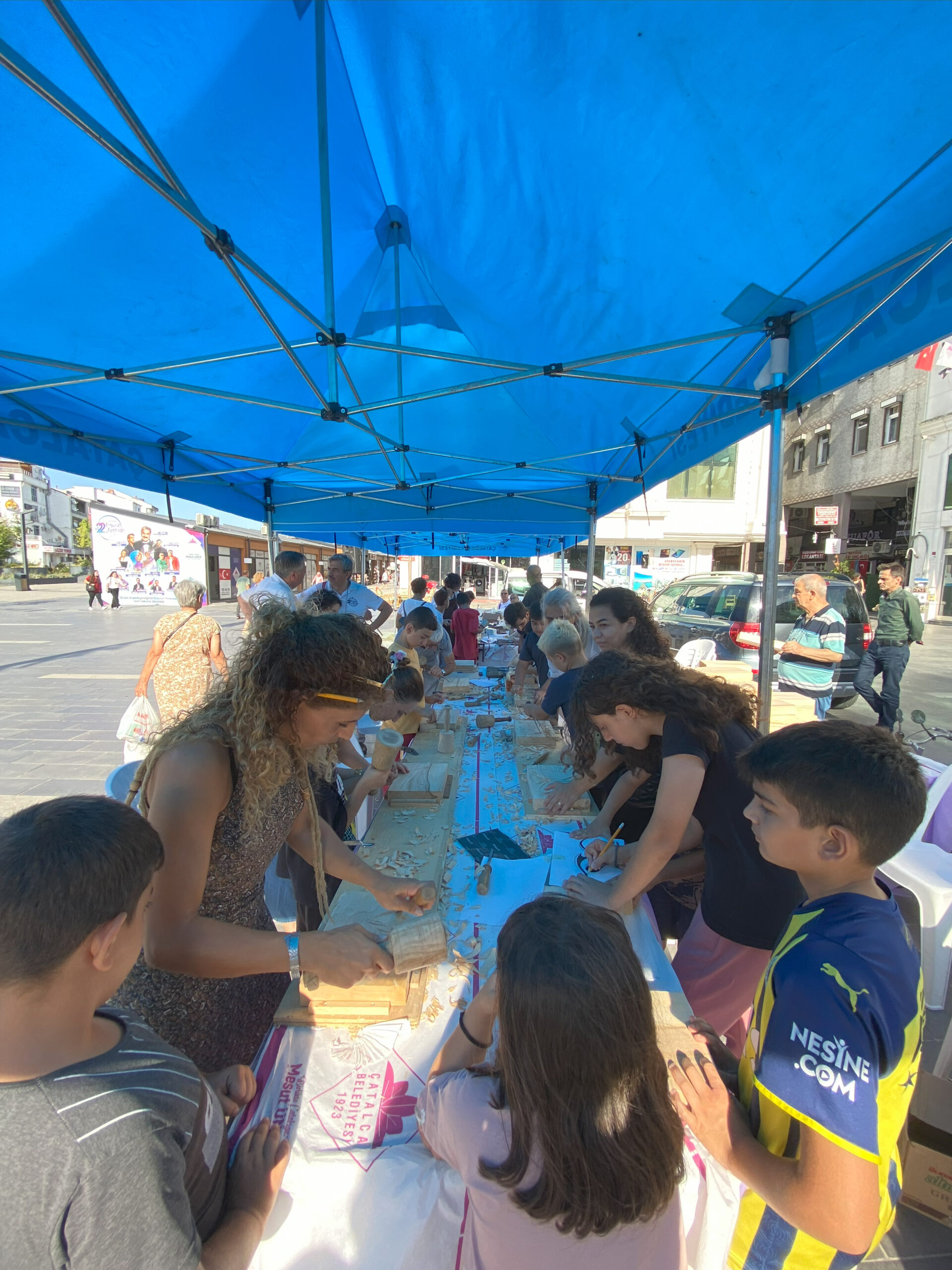
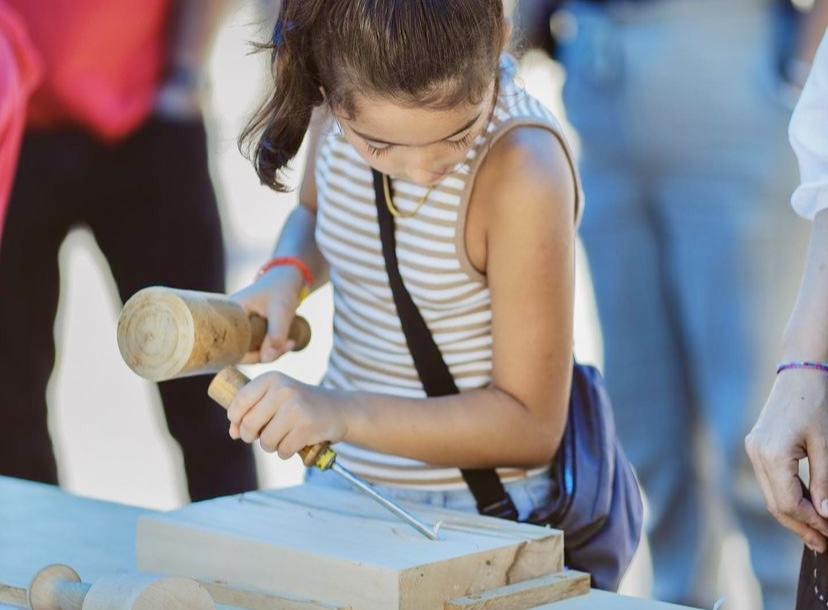
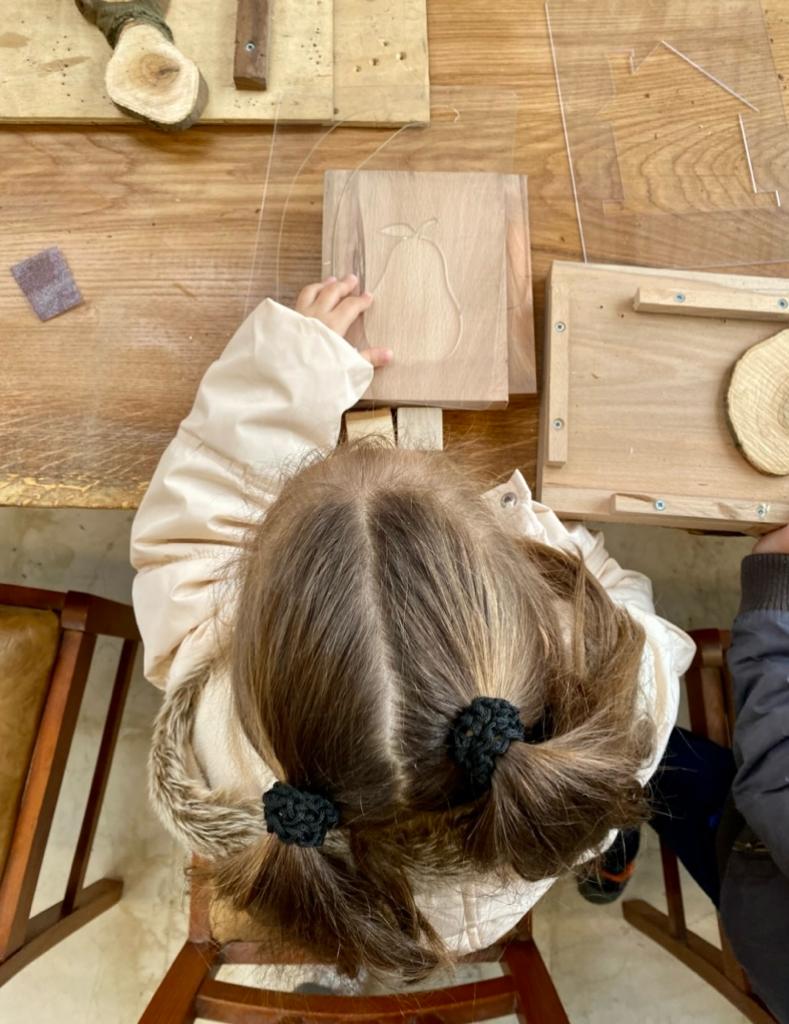
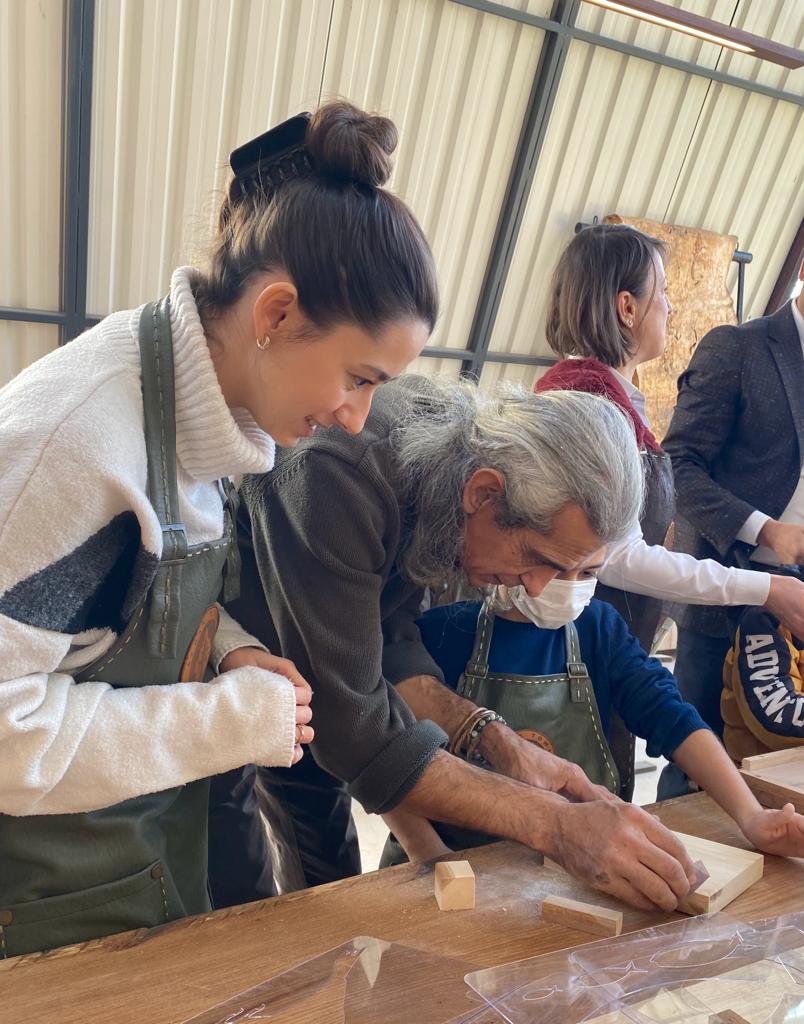
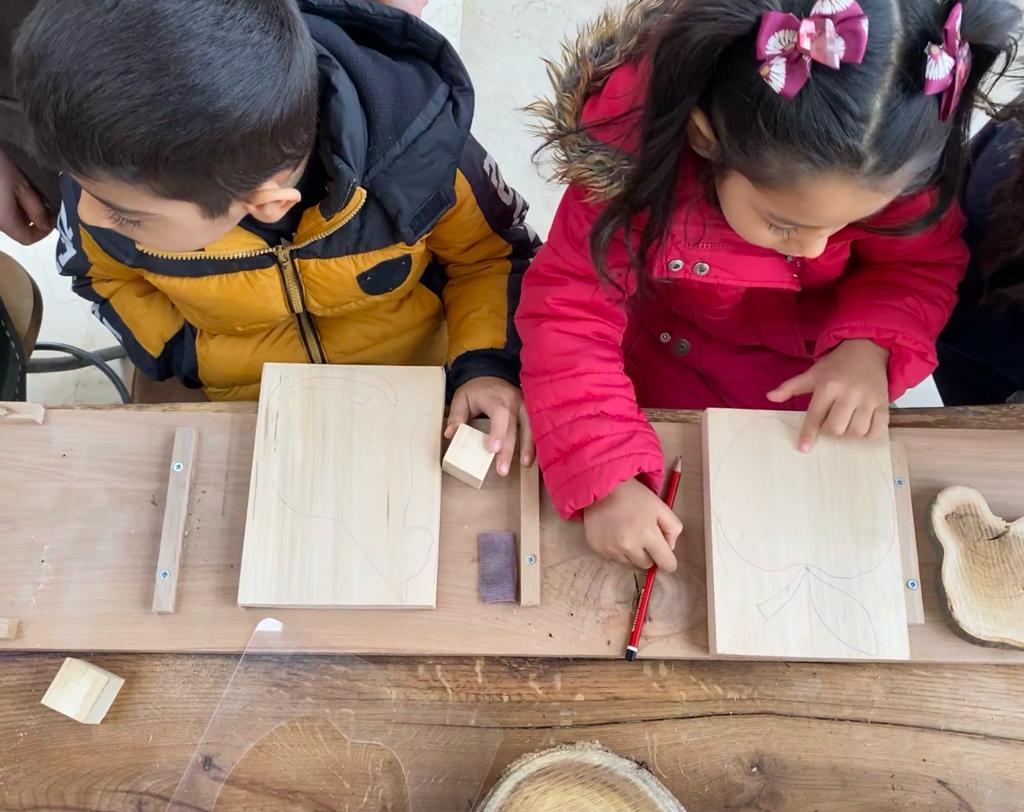
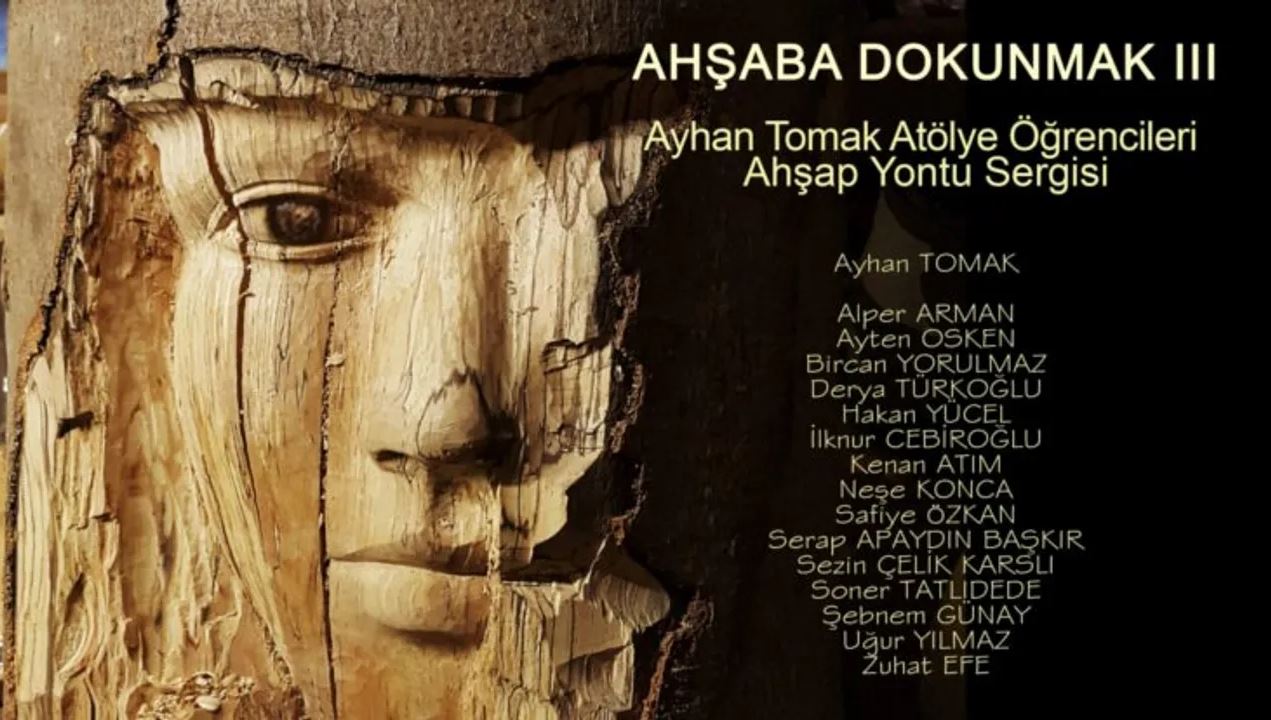
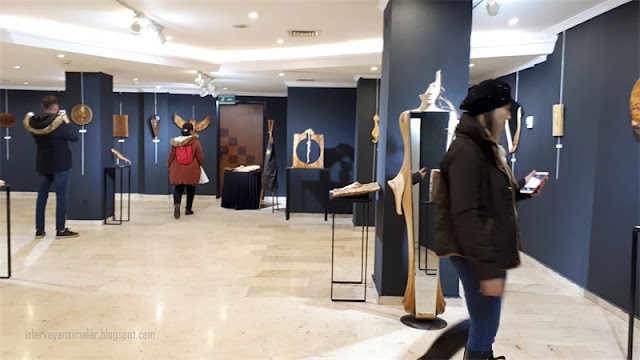
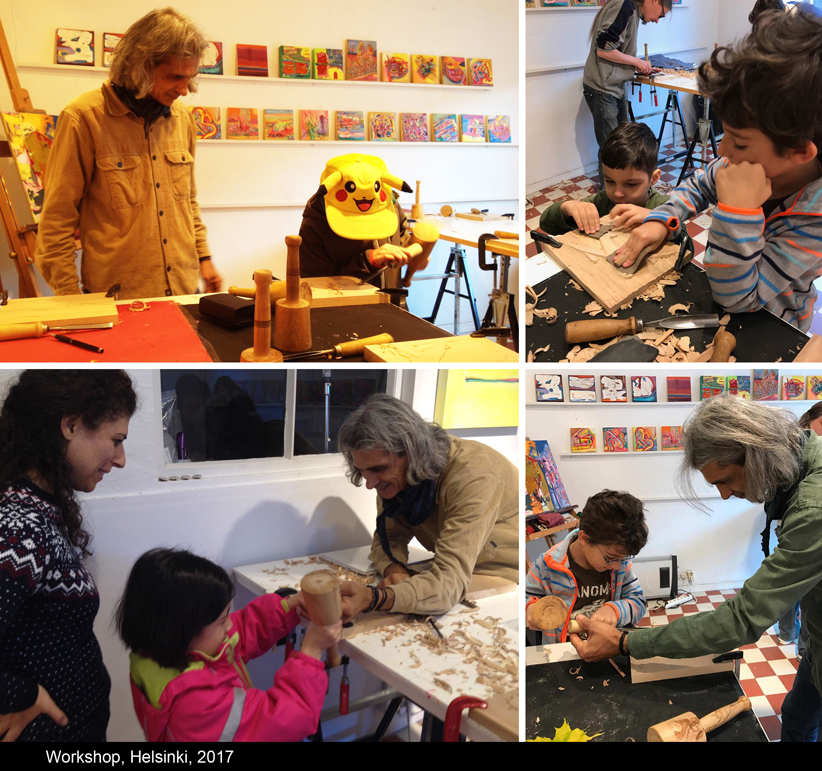
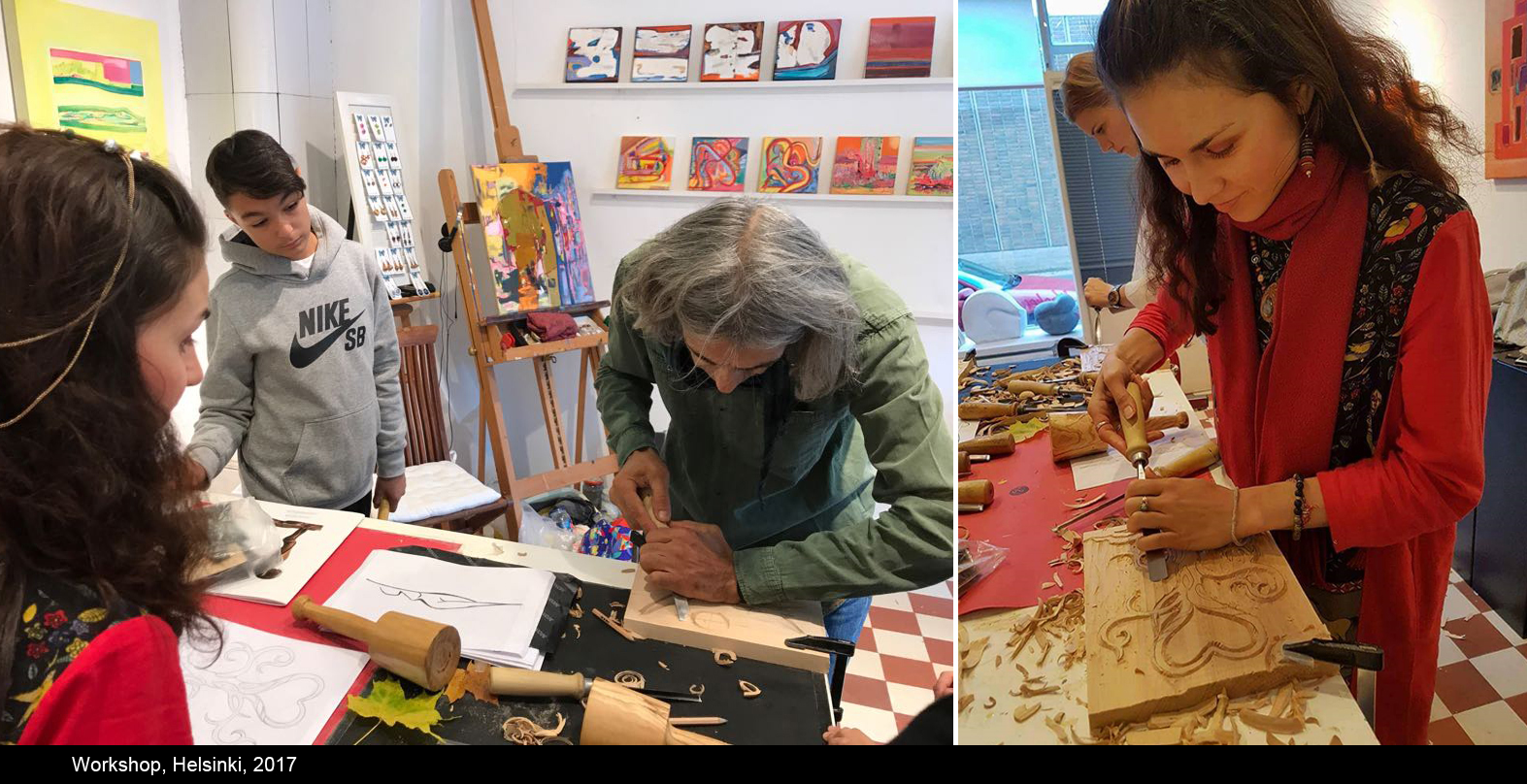
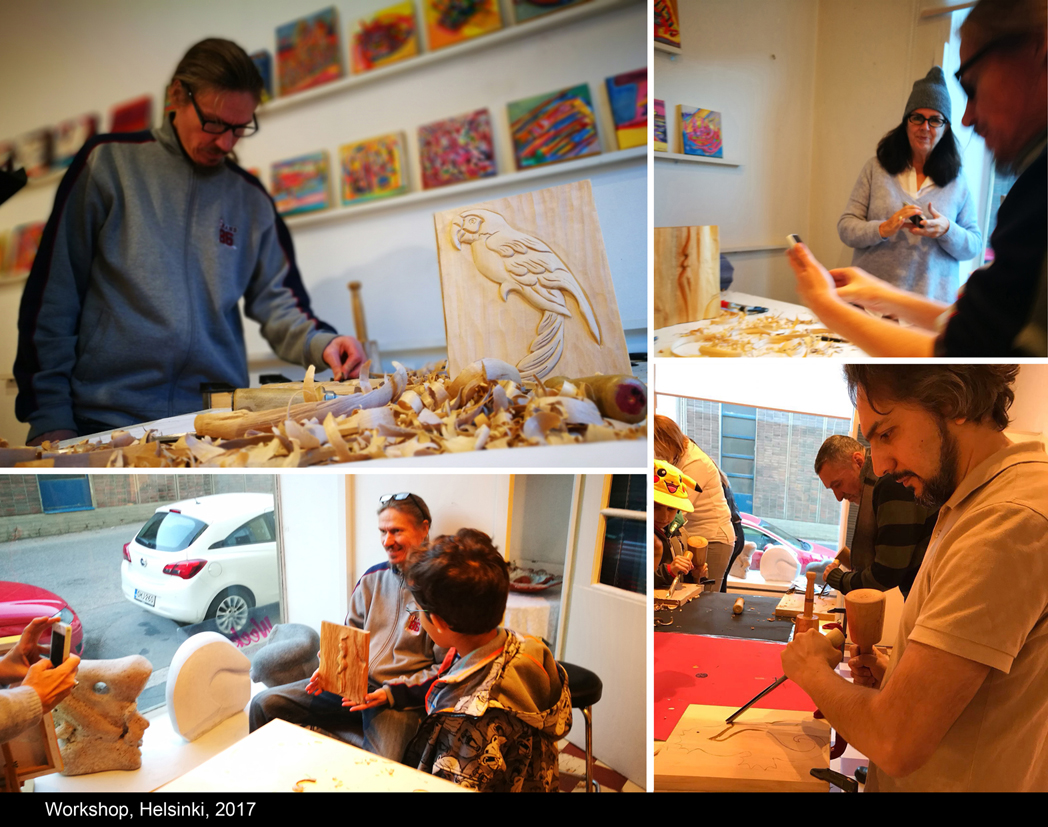
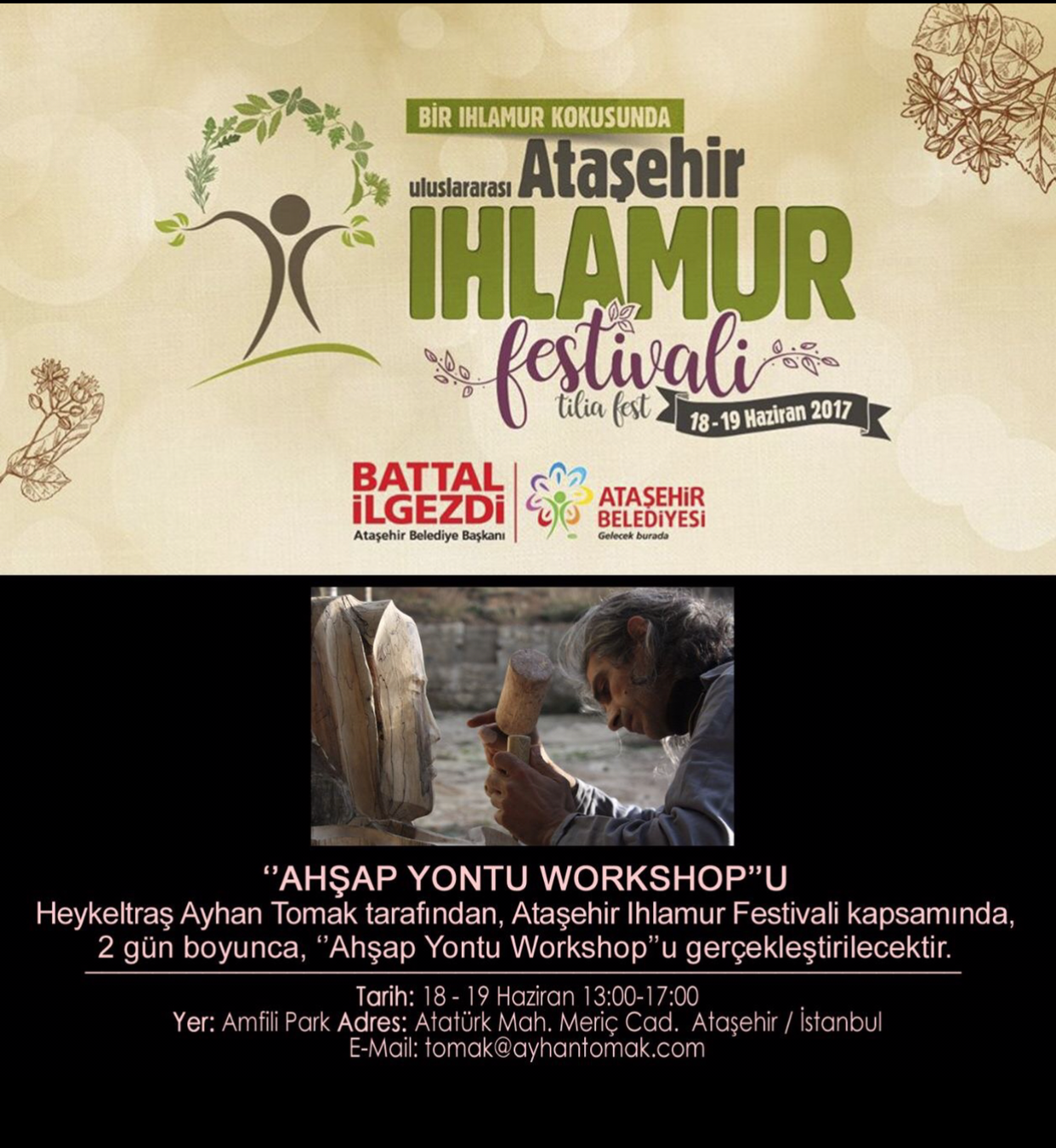
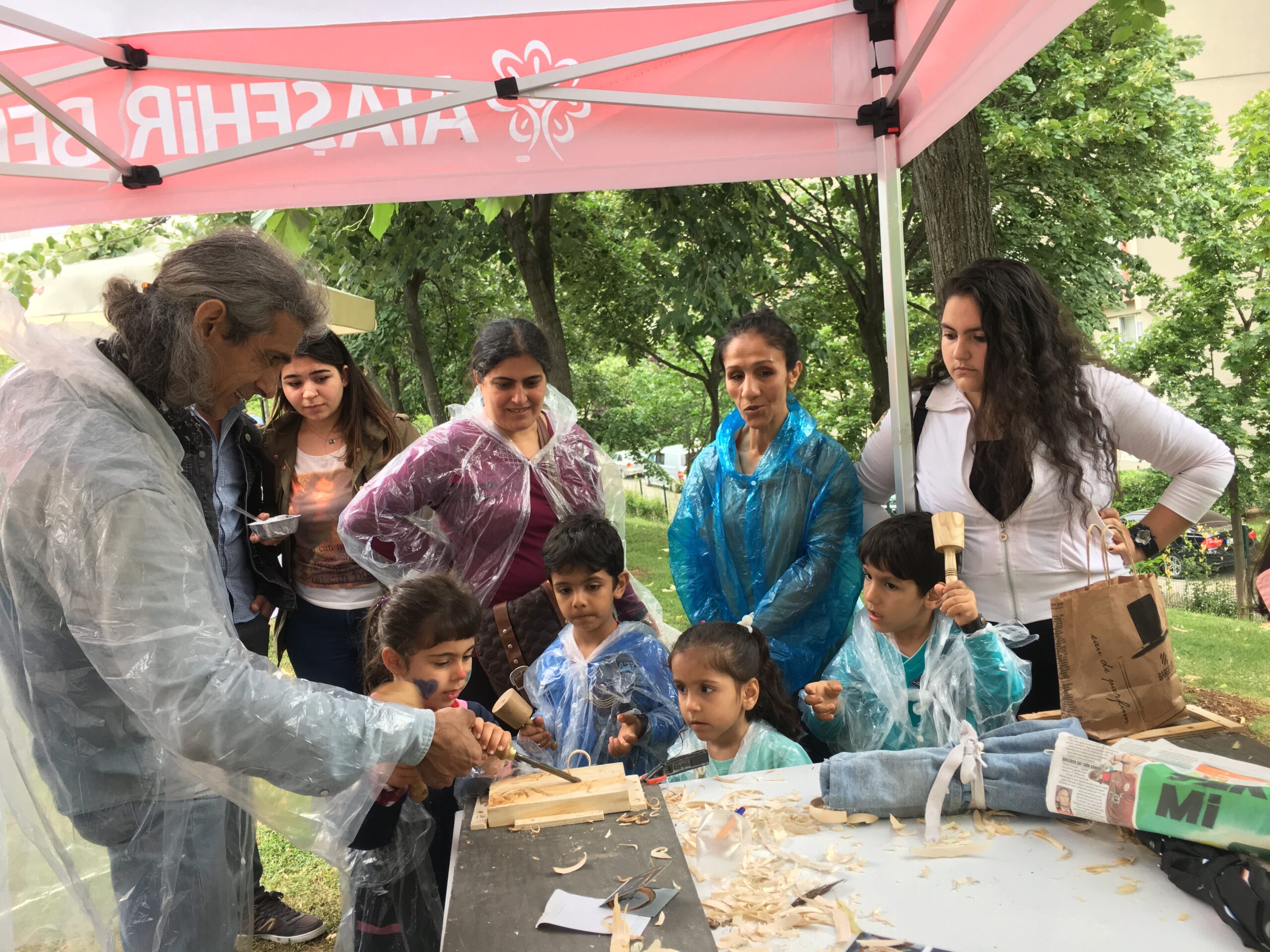
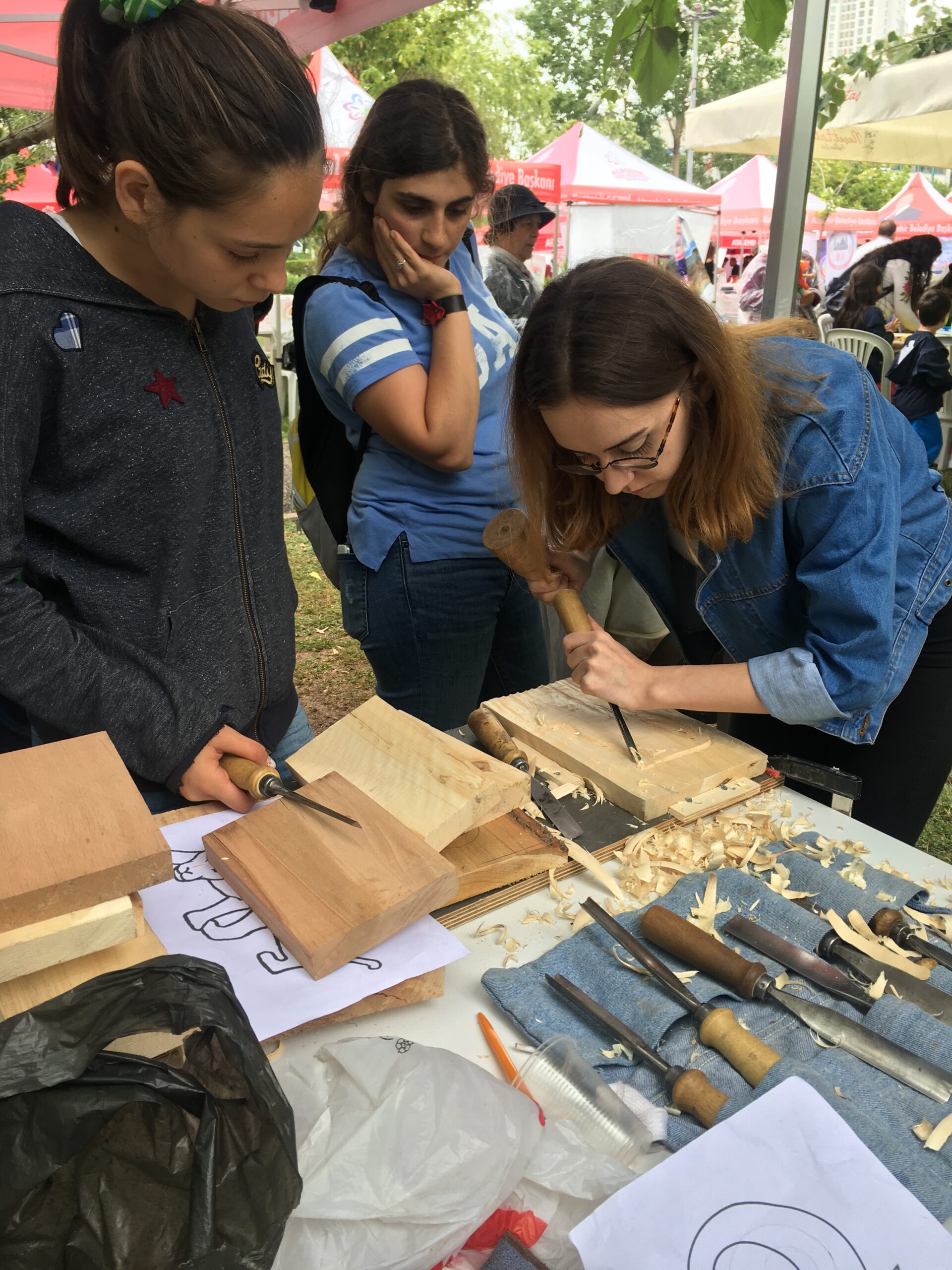
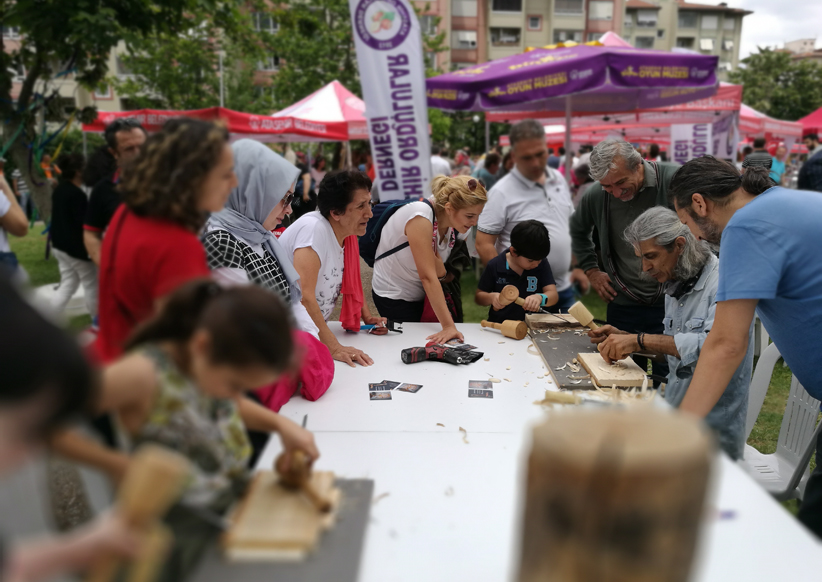
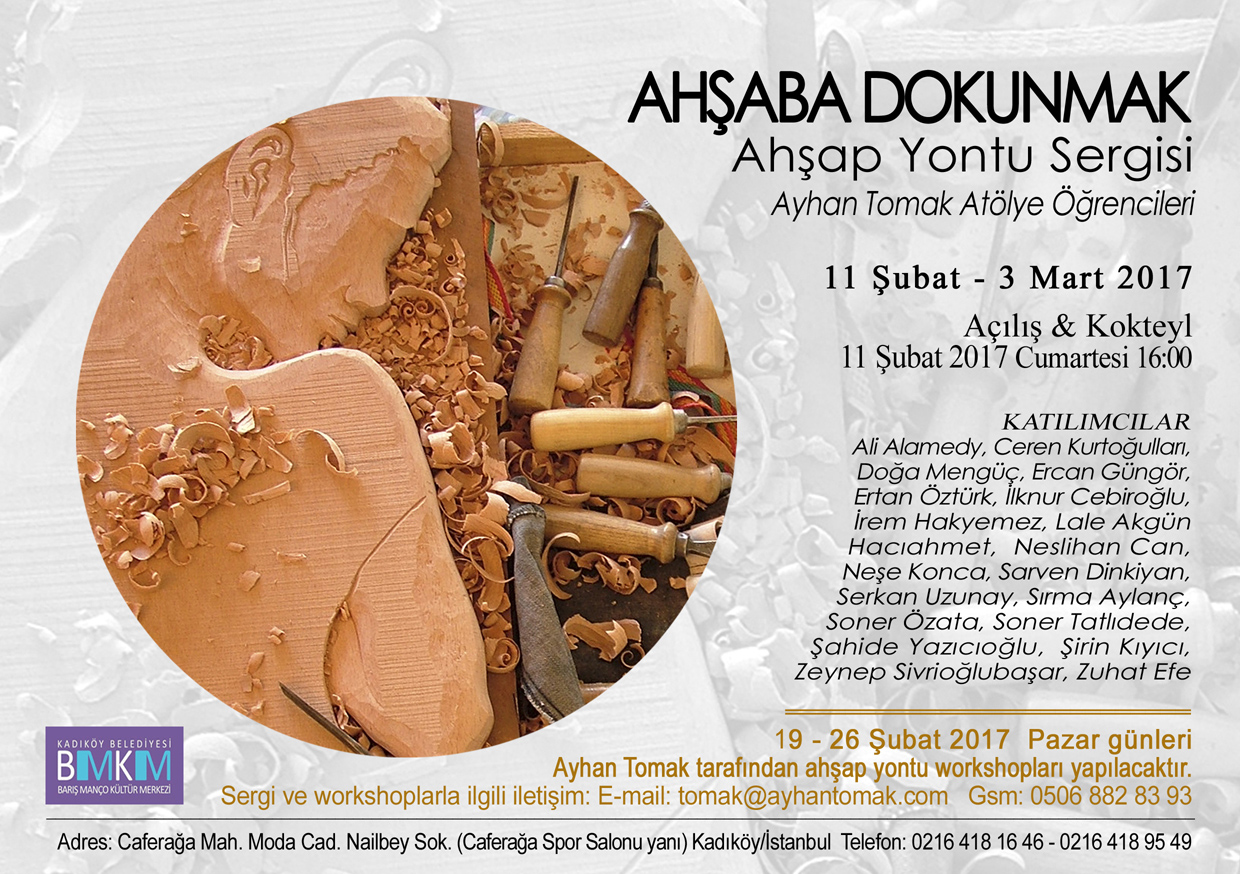
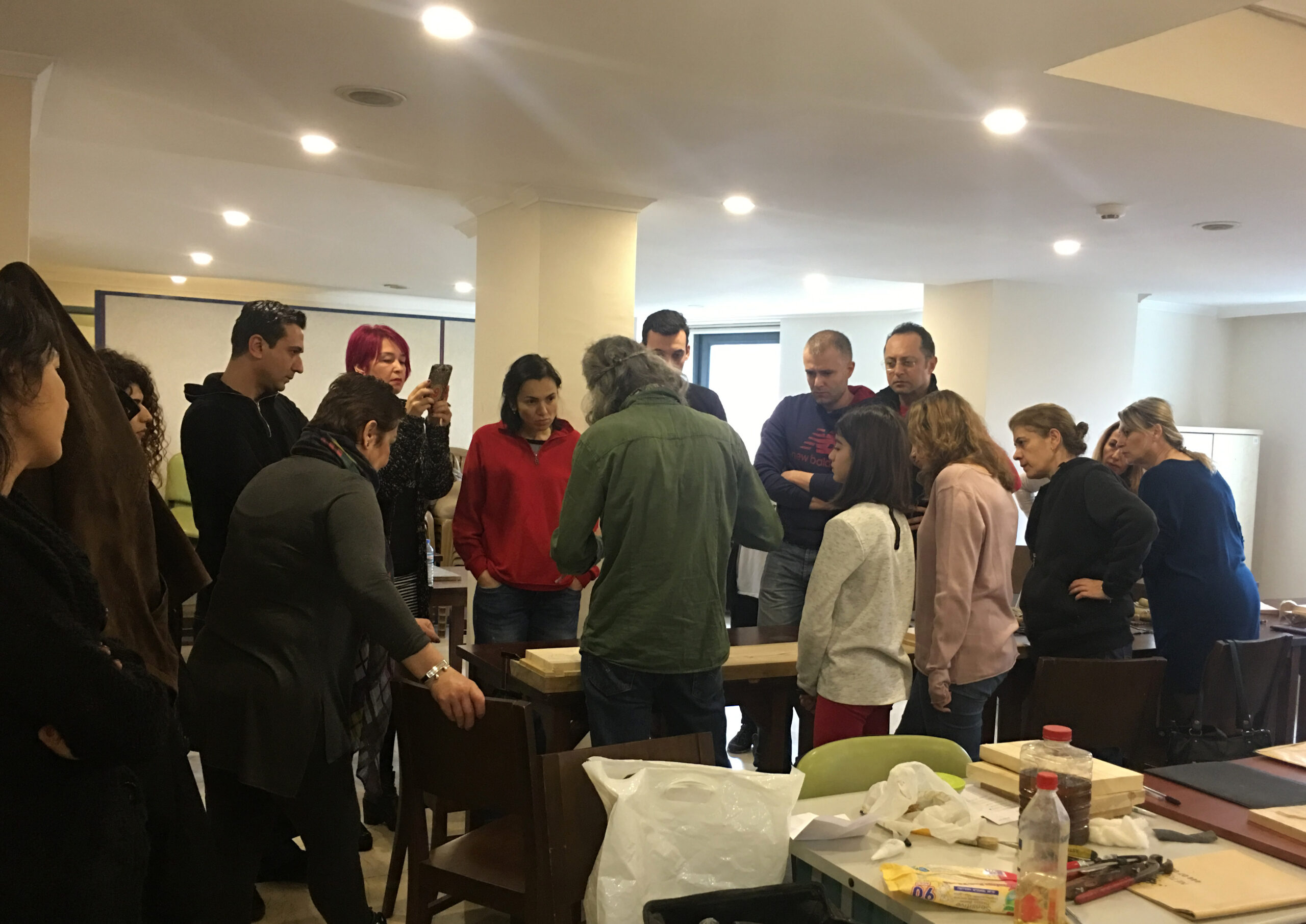
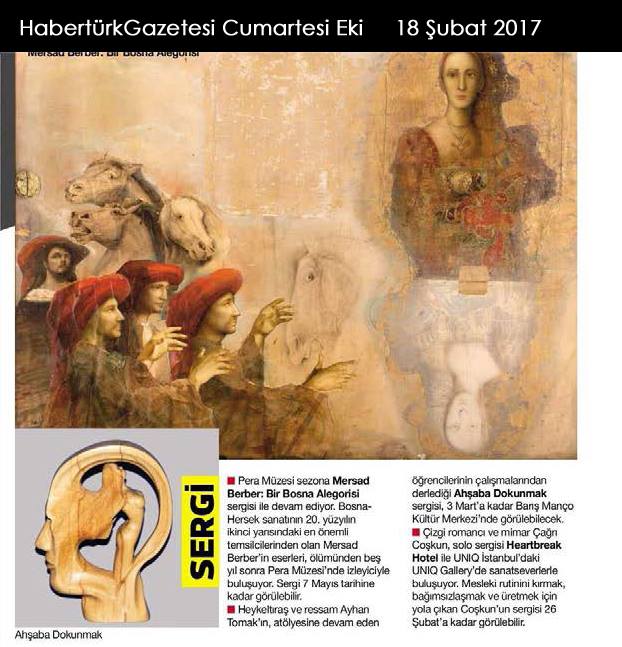
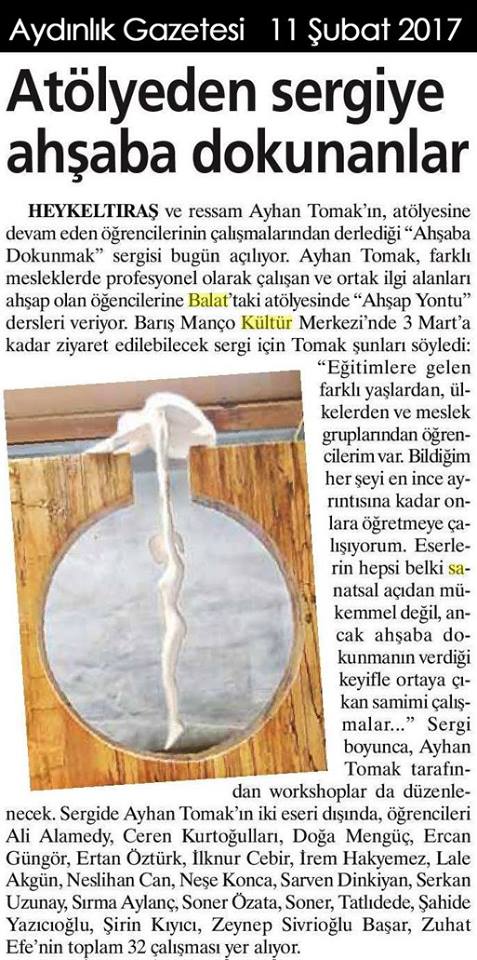
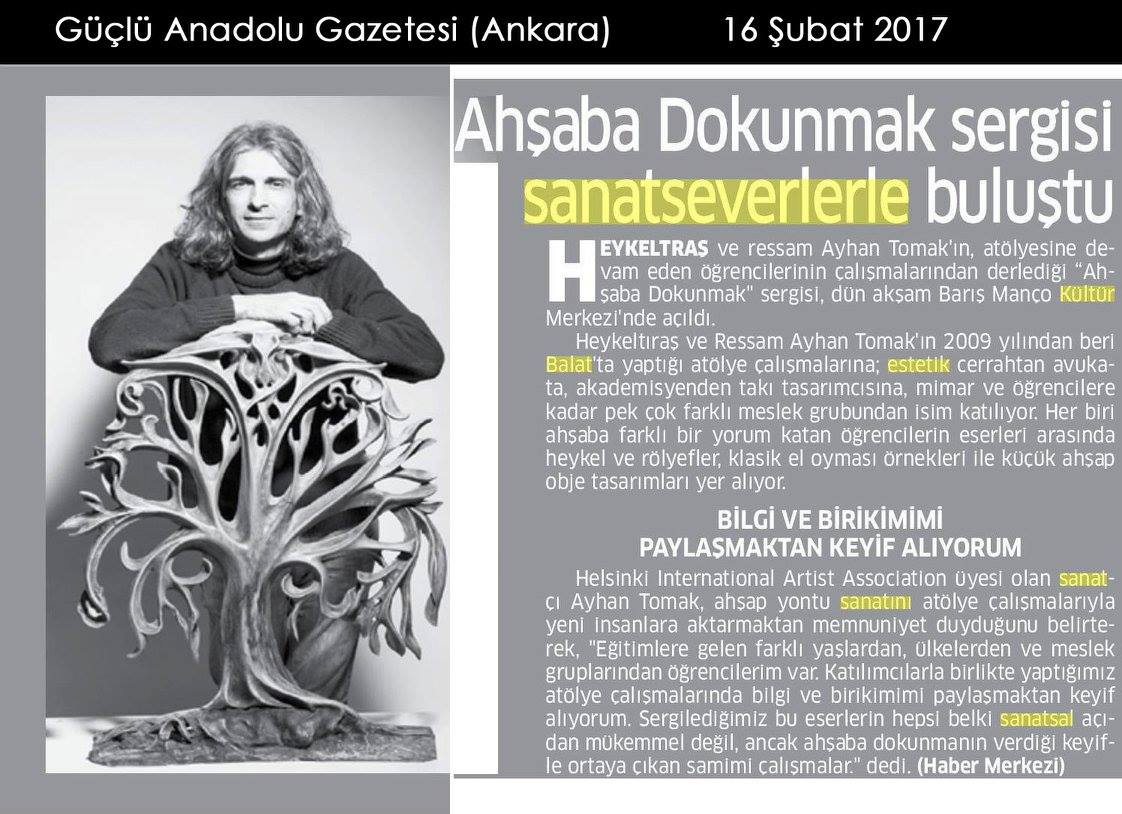
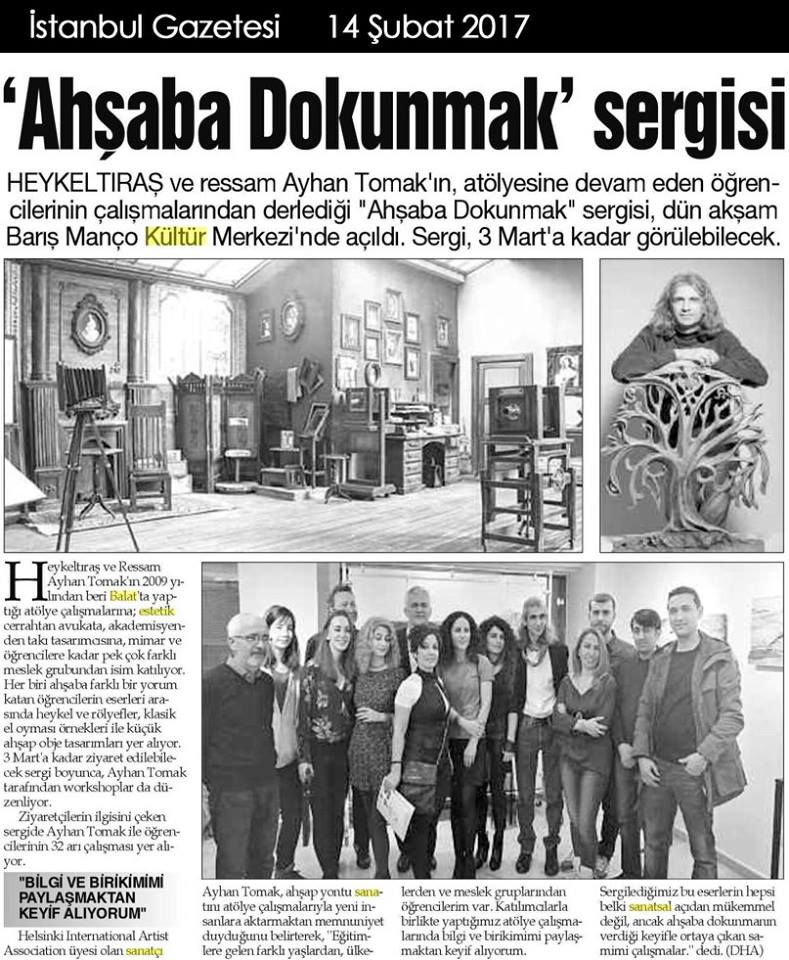
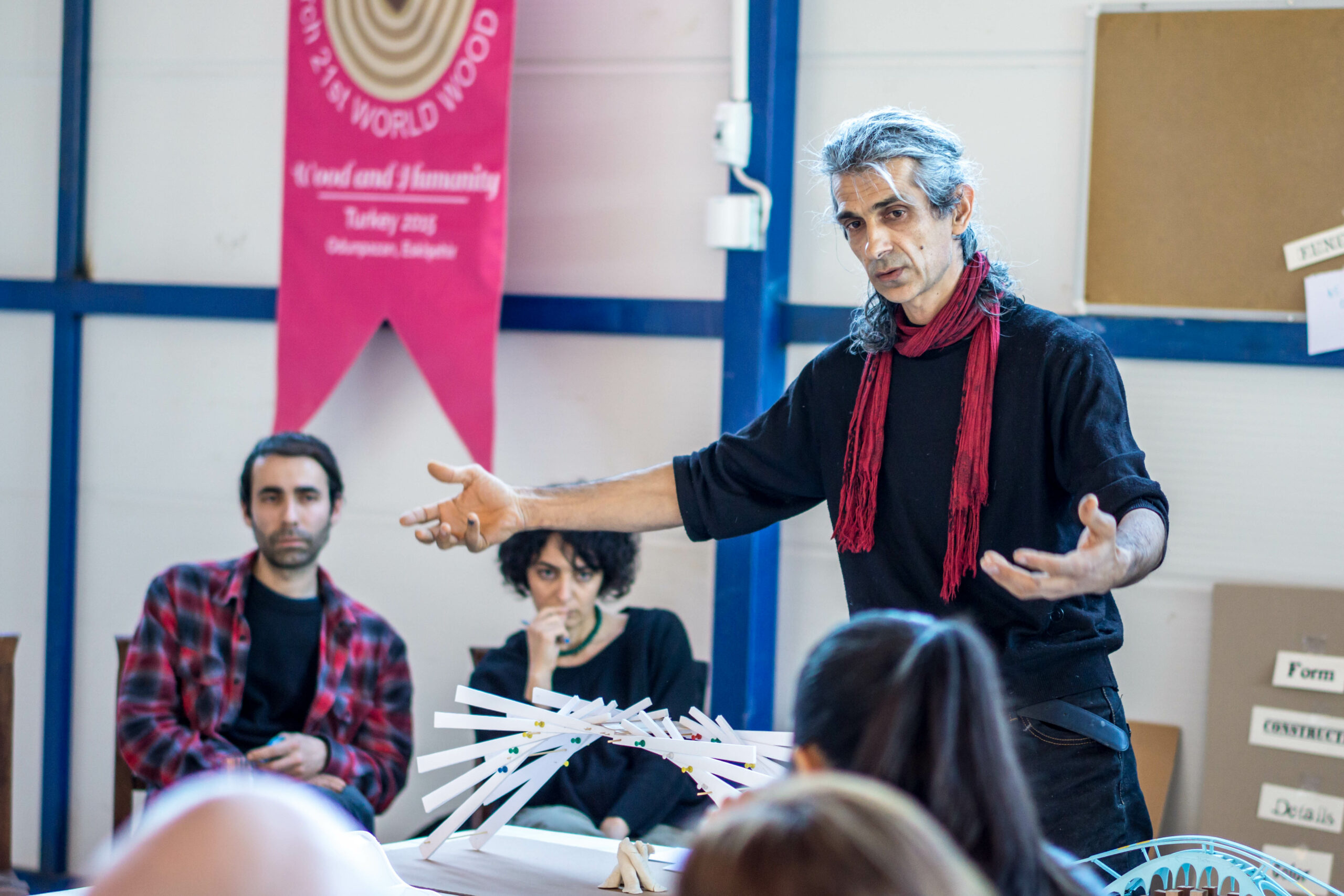
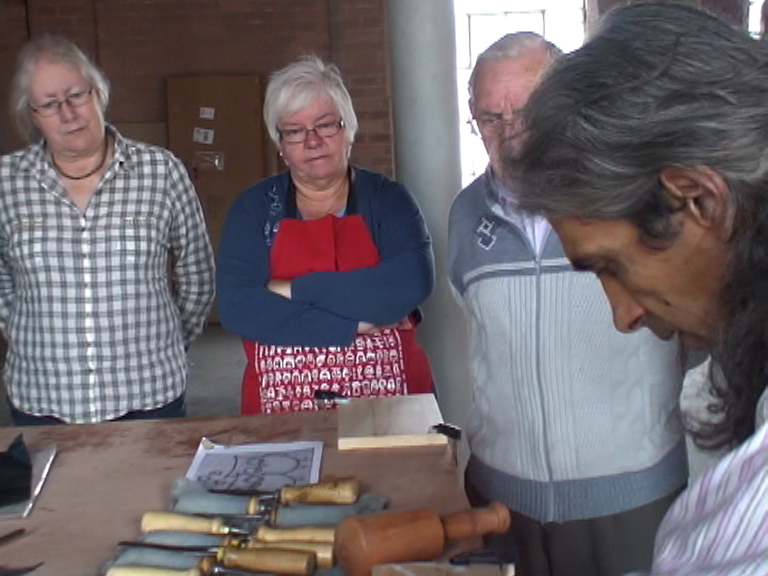
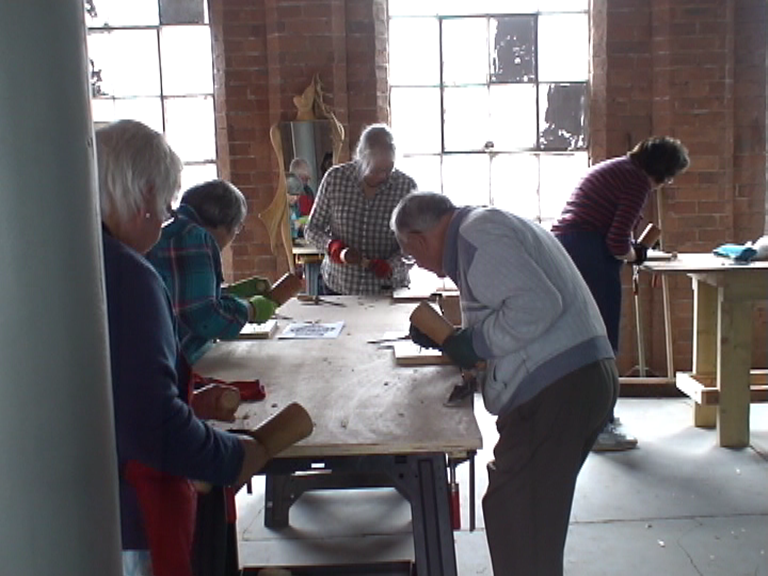
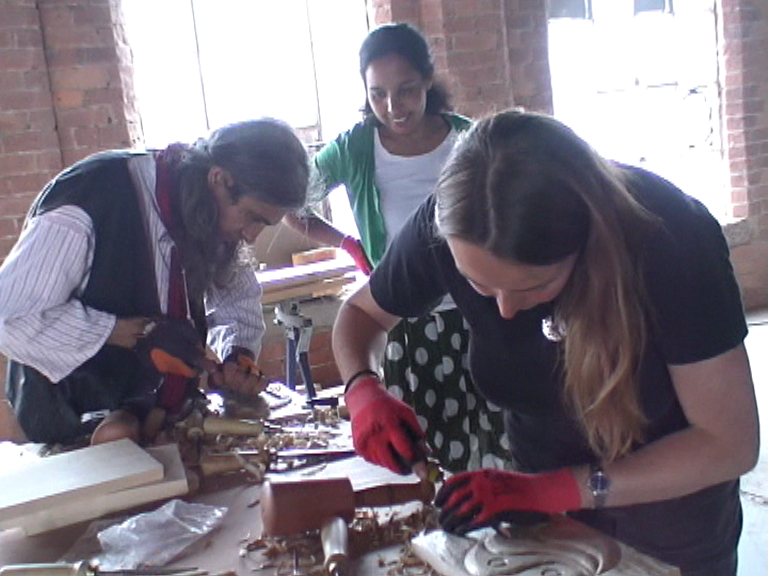
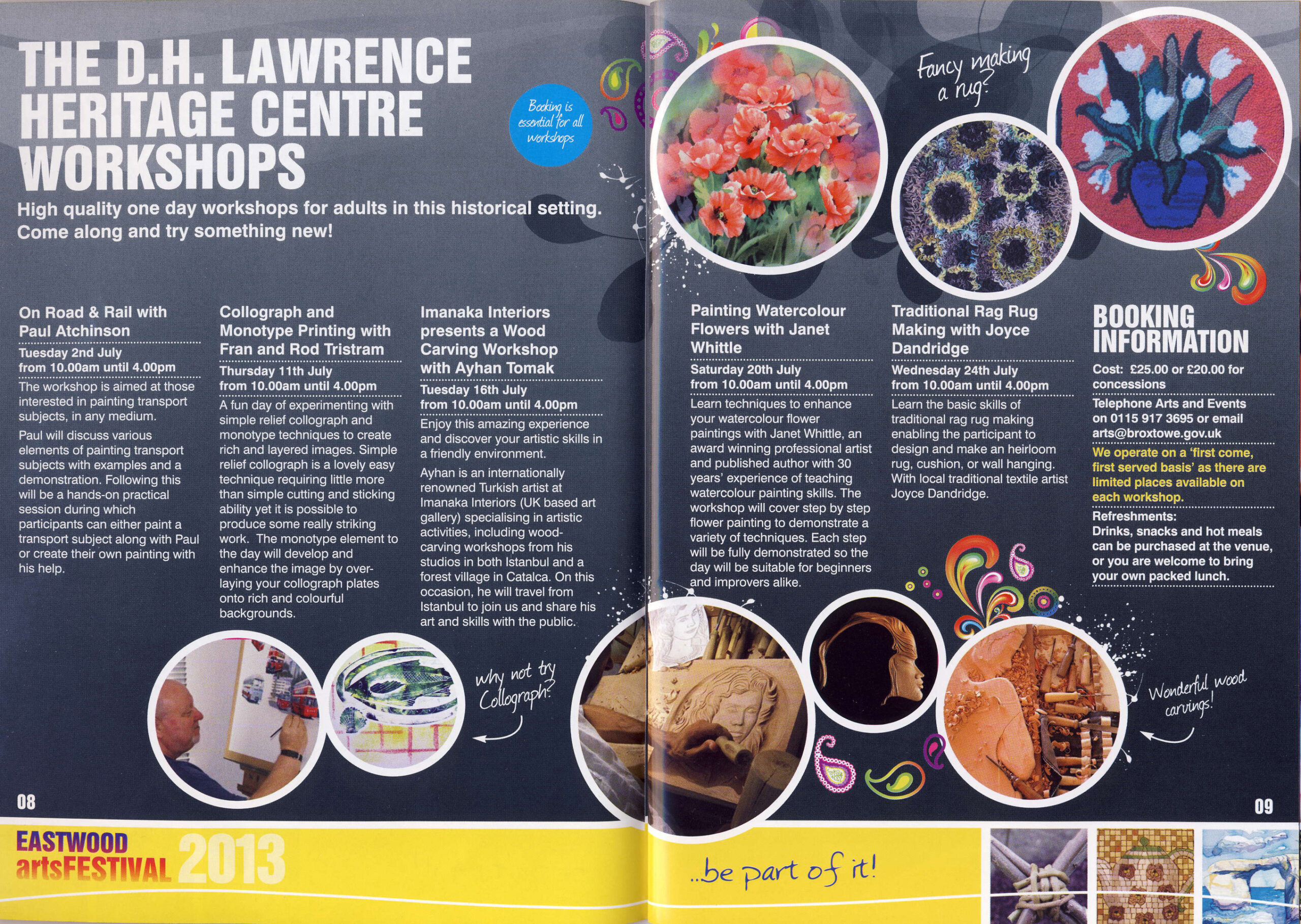
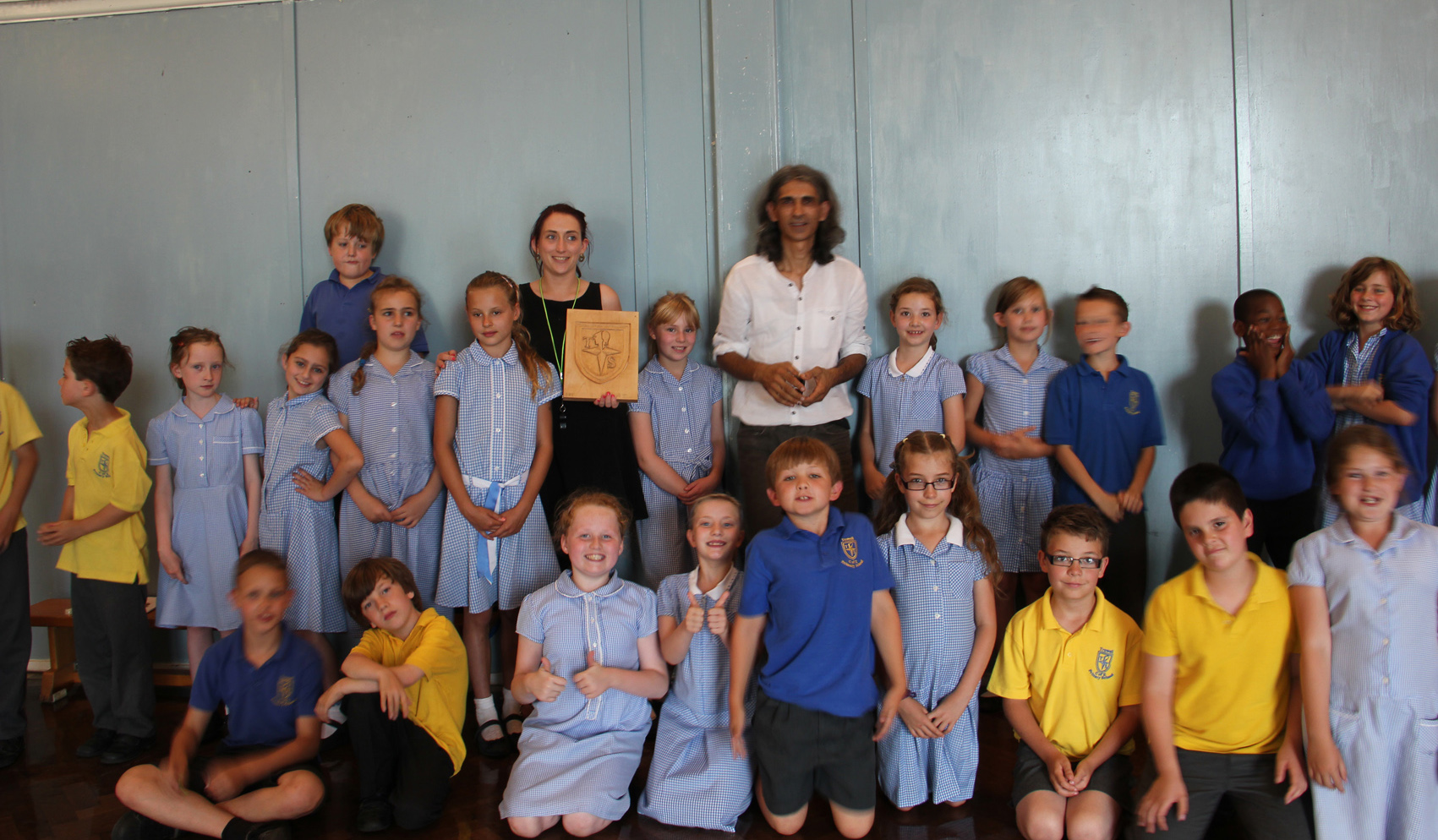
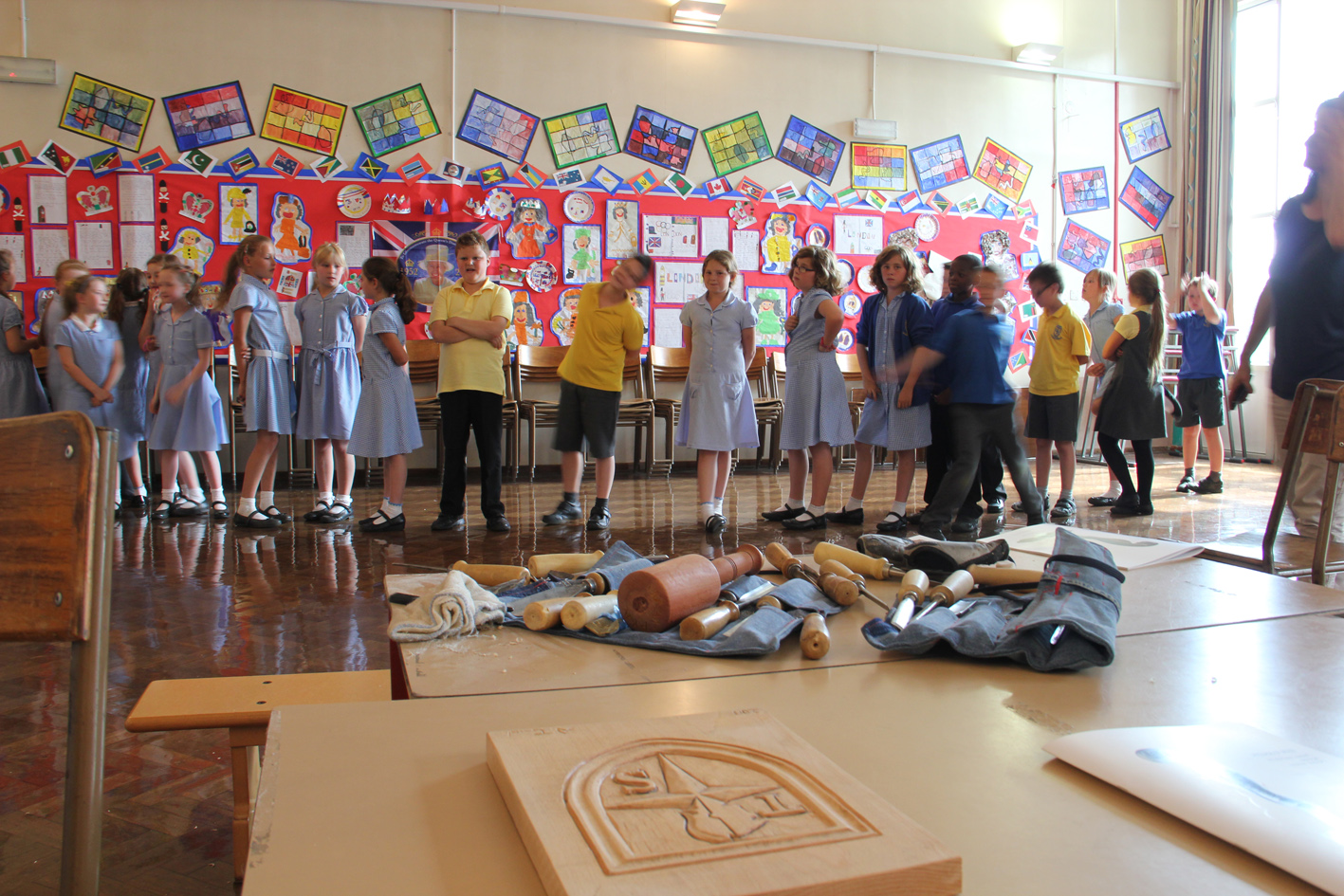
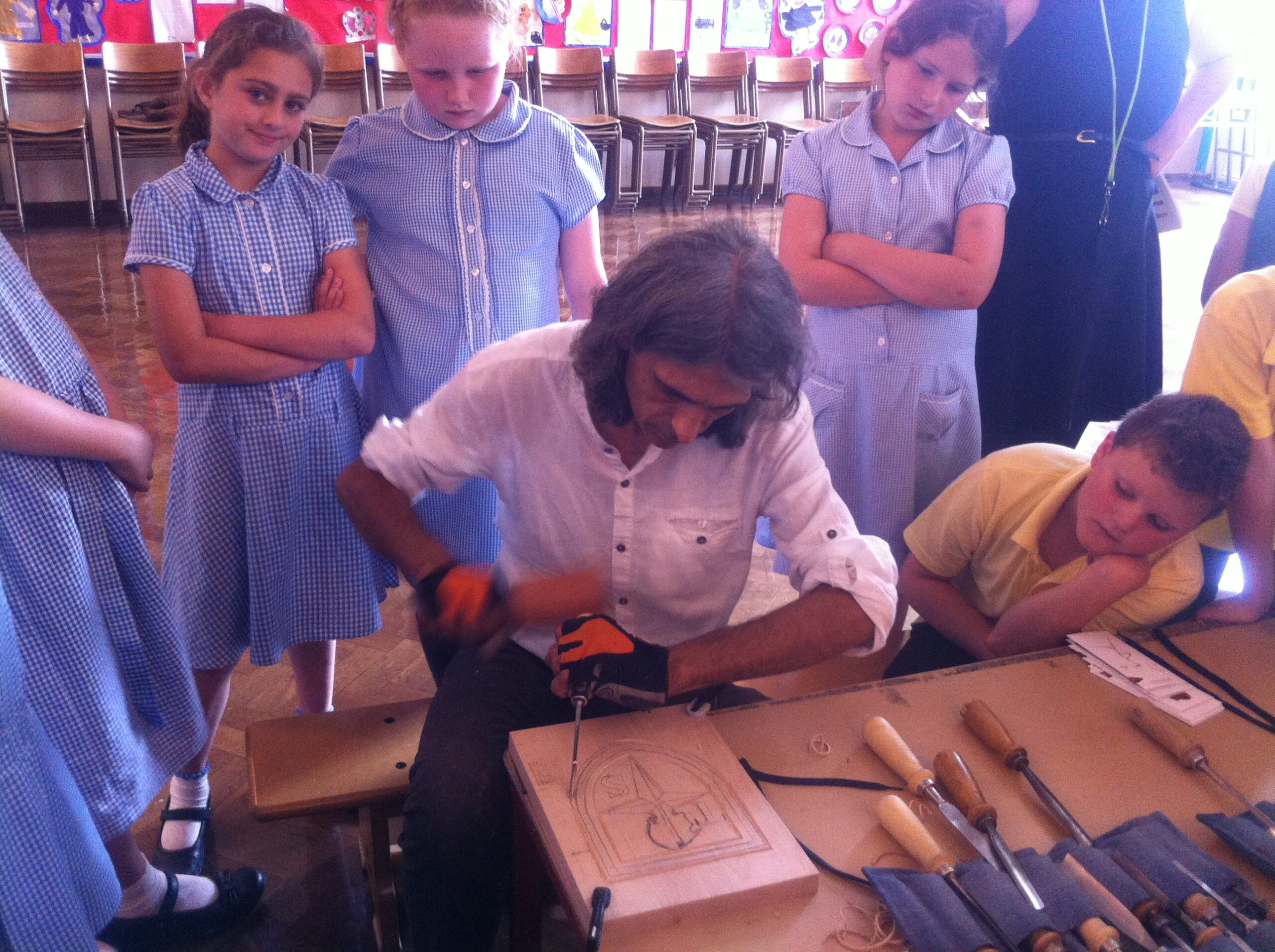
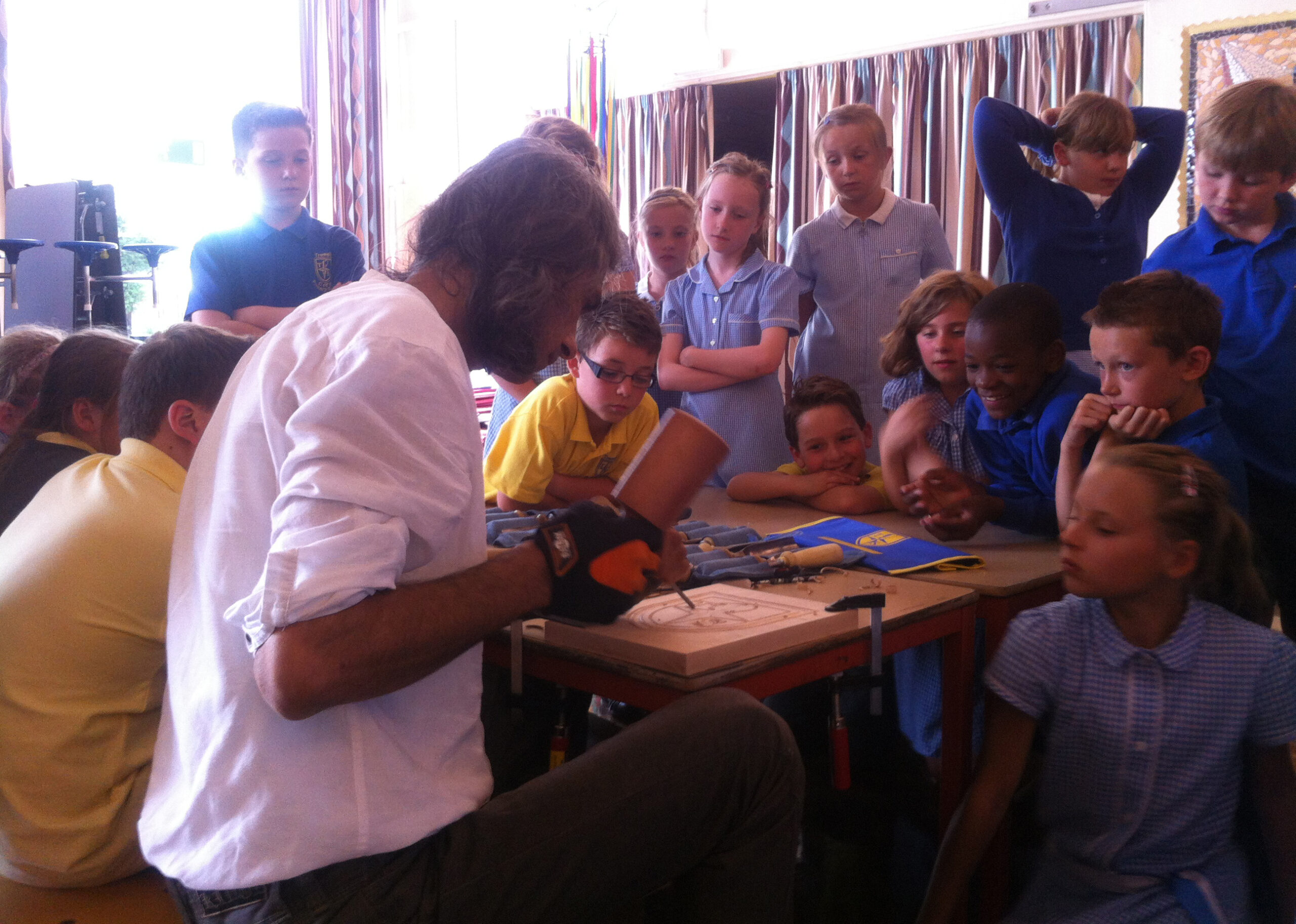
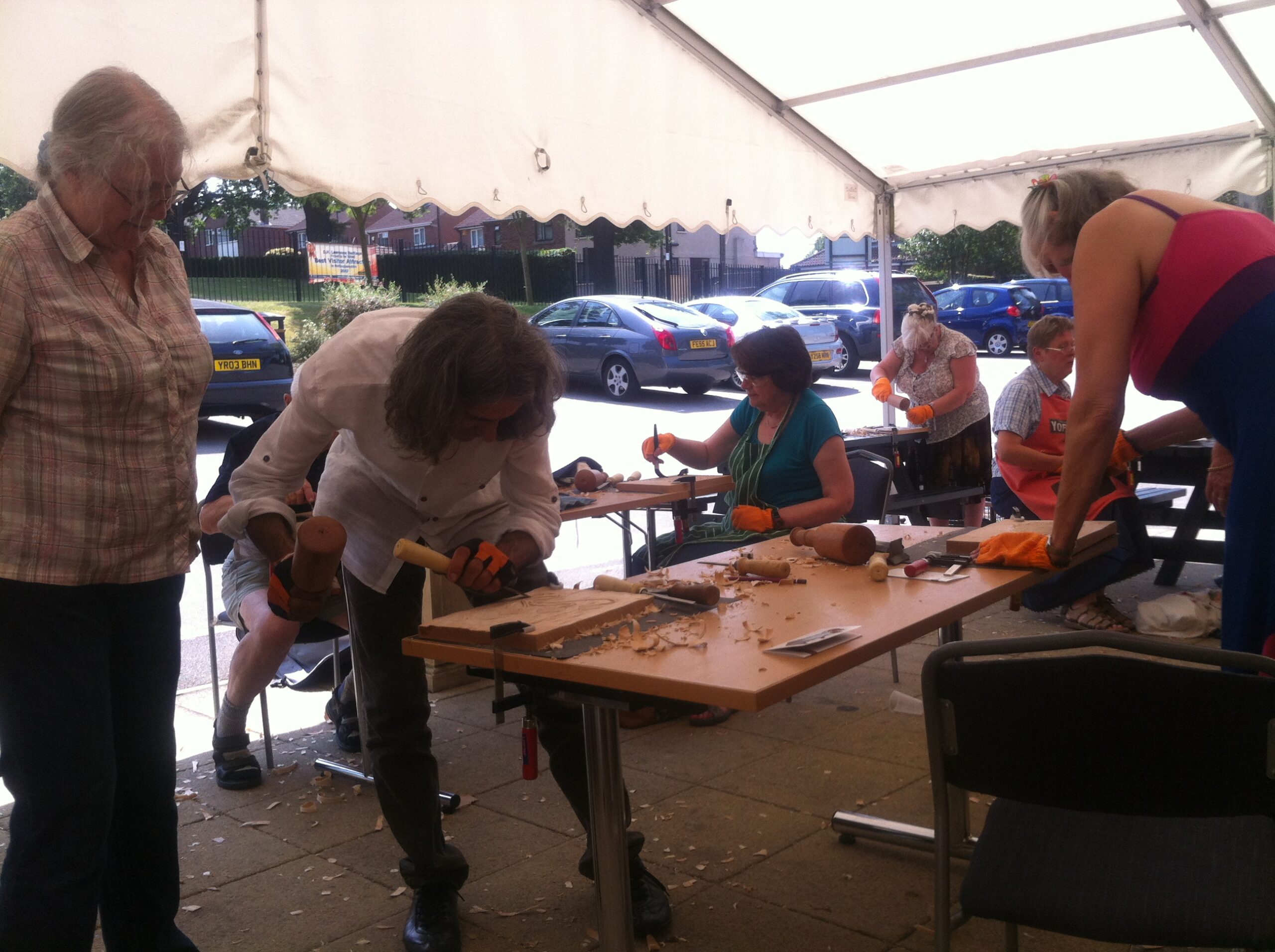
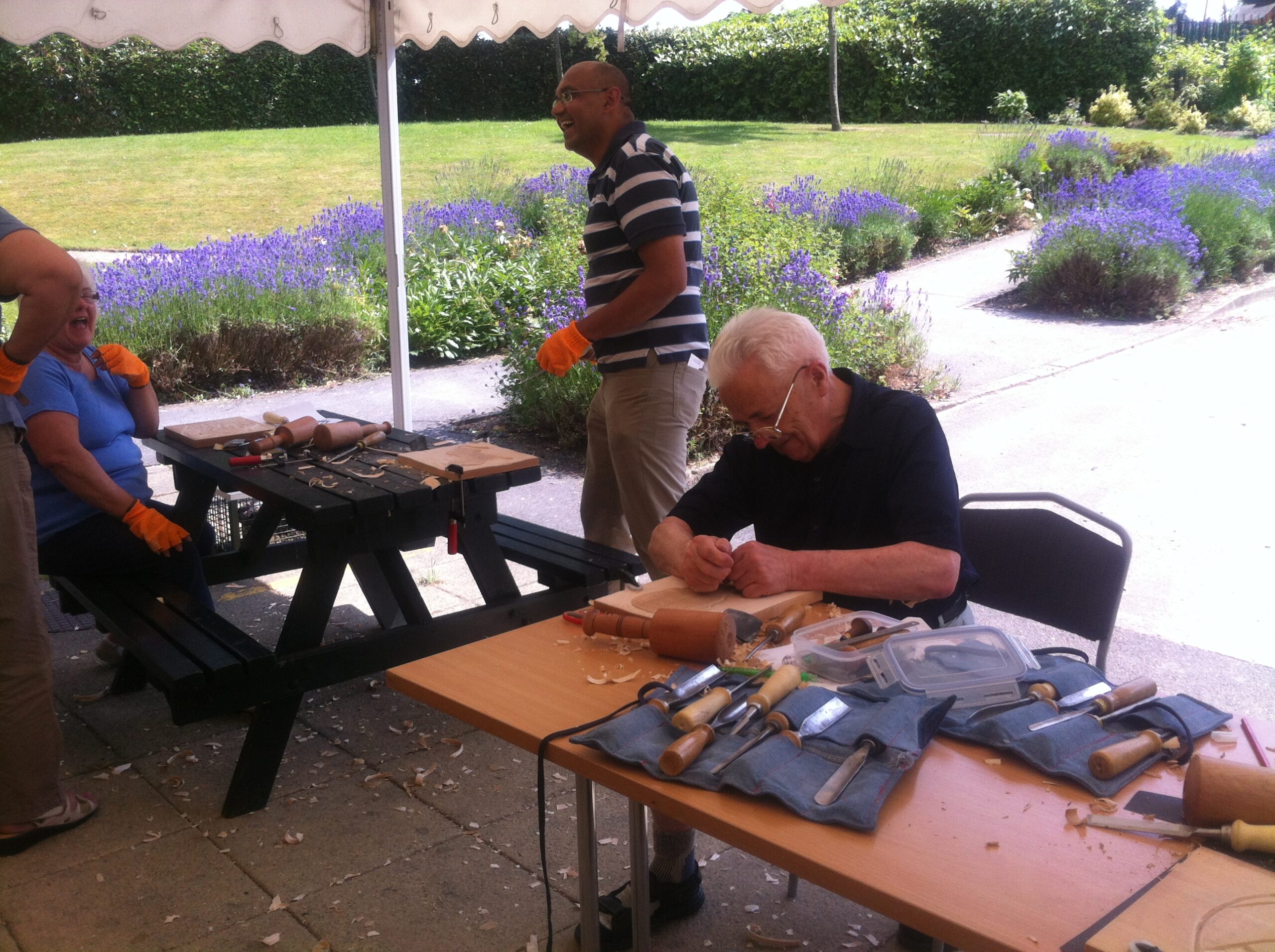
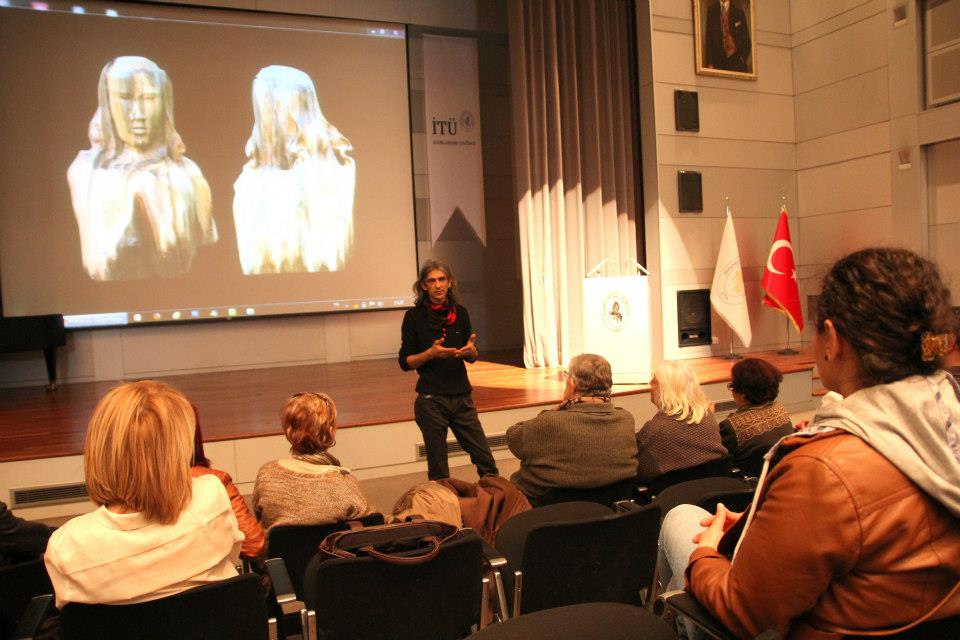
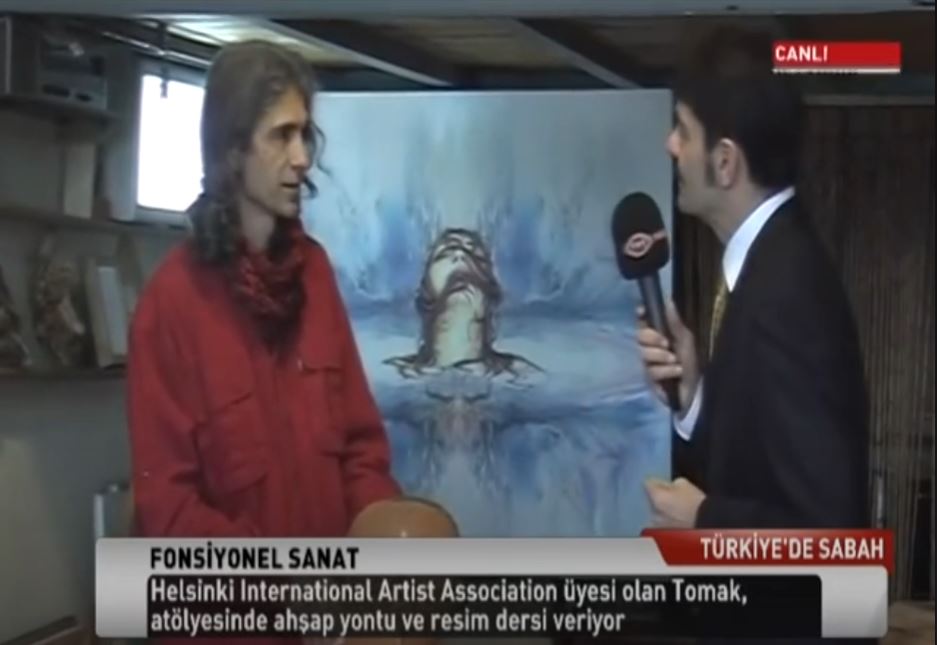
Tomak is an artist who transmits as well as makes. Since 2009 he has given workshops at his studio in Balat and at his studio in Binkılıç, Çatalca, which is being prepared to become an institute. His students come from every kind of profession, from lawyers to plastic surgeons to people working in tourism. He has shared his knowledge with students at Boğaziçi, Mimar Sinan Fine Arts and Istanbul Technical universities, and he is at work on a book setting down his professional experience. That book is no accident: Tomak believes the greatest deficiency of the art of wood in Turkey is the absence of a written tradition. There has been a break, he says; knowledge of wood remained confined for a long time to ornament, and the sculptural form was all but forgotten — which is why putting knowledge into writing matters so much.
Where he stands today
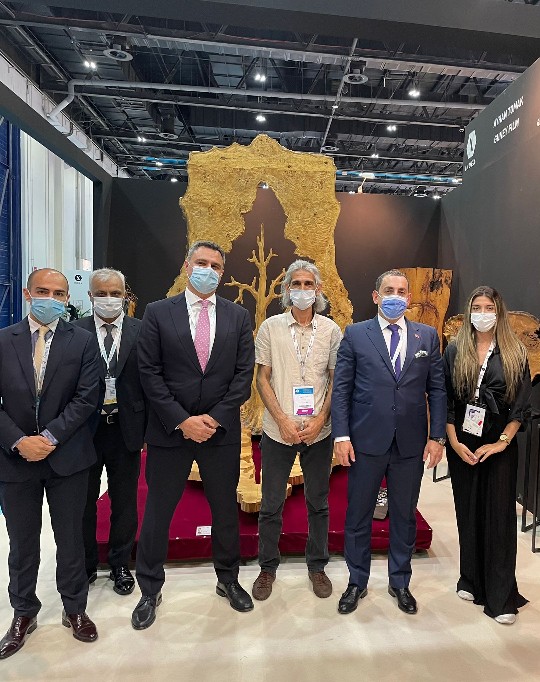
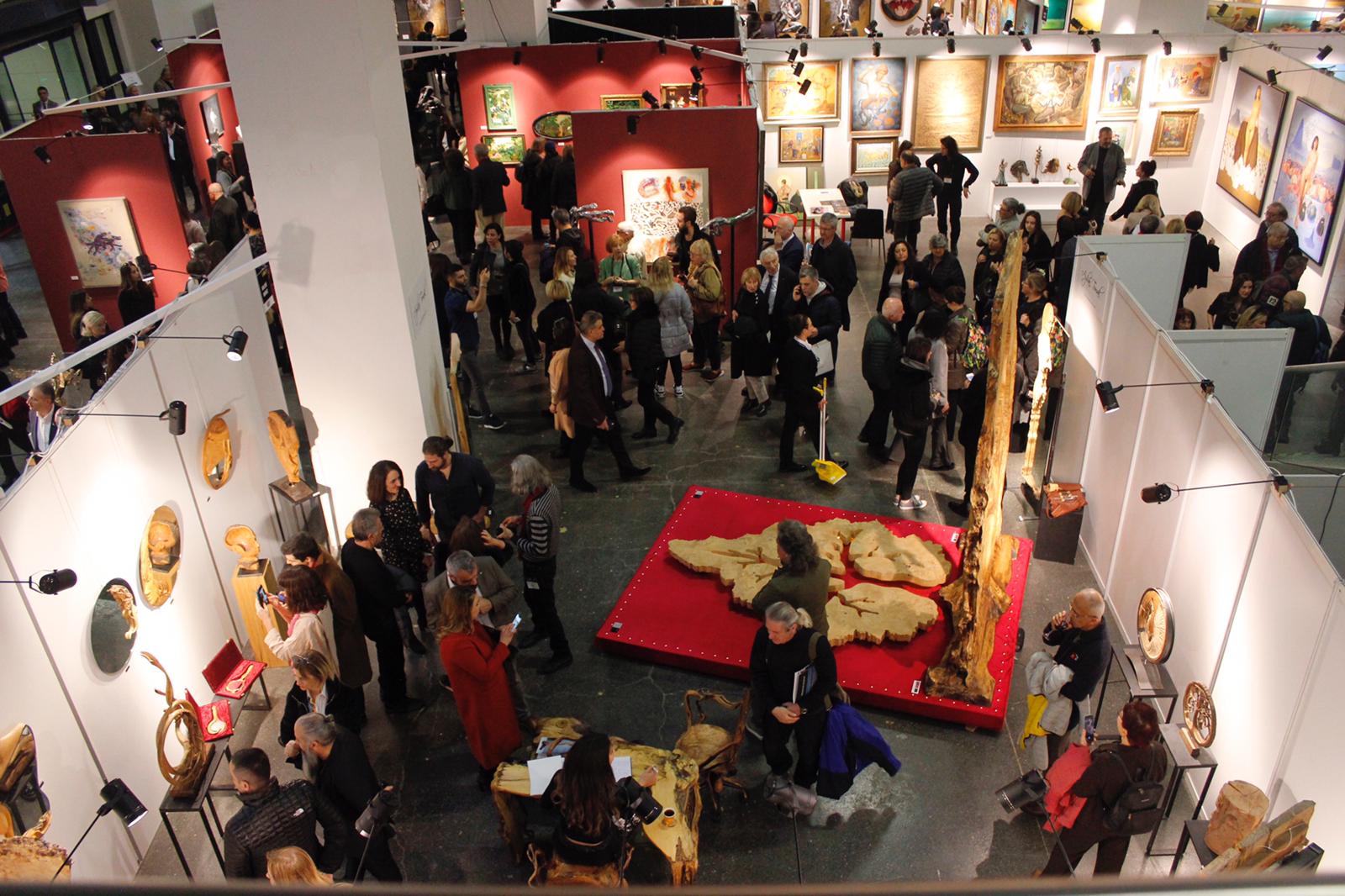
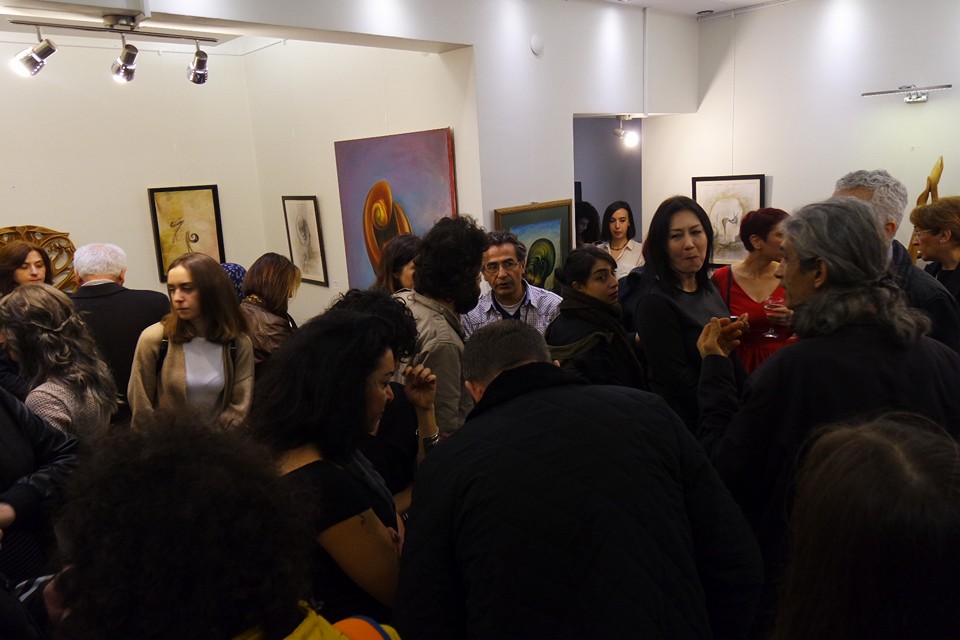
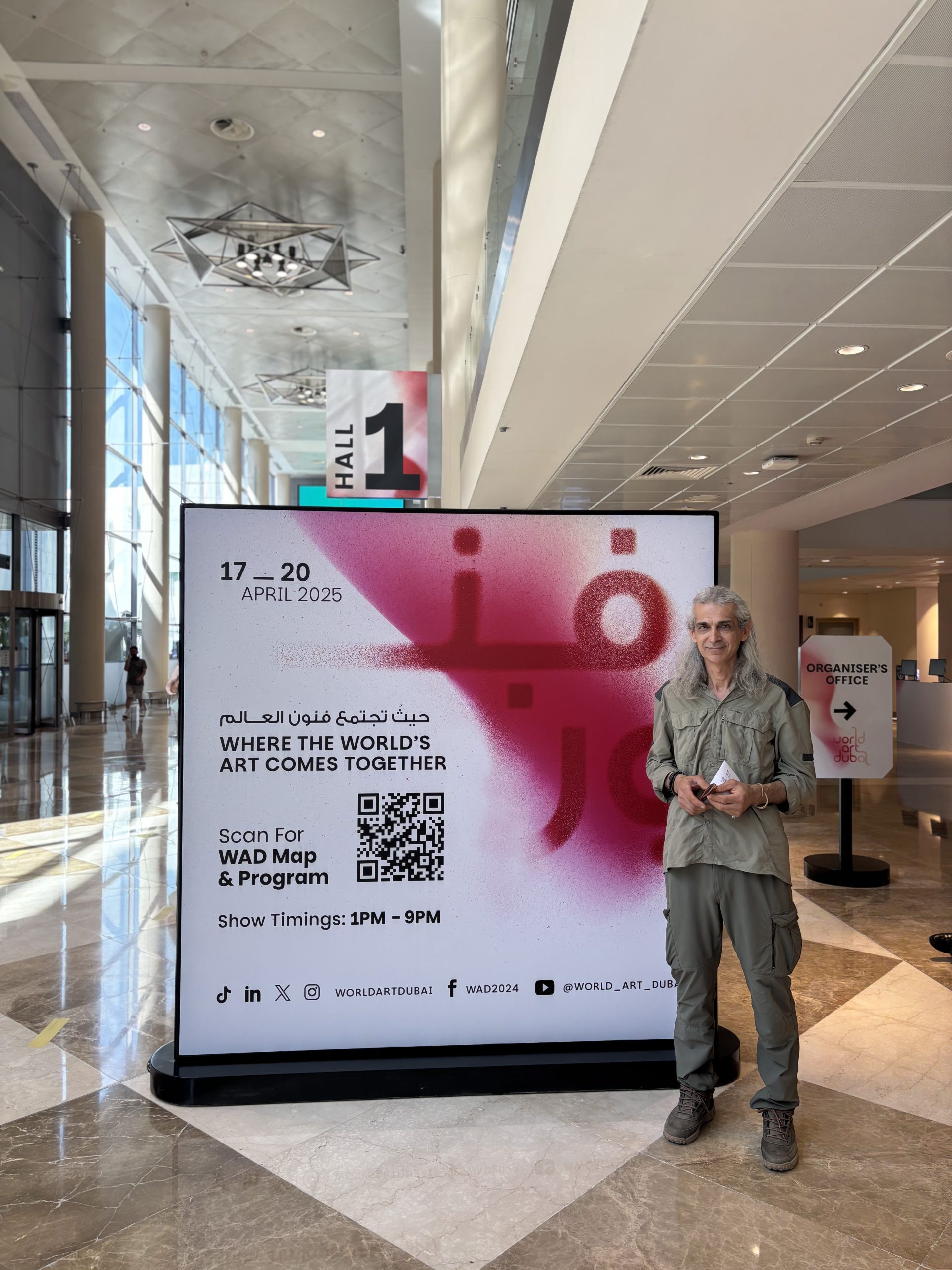
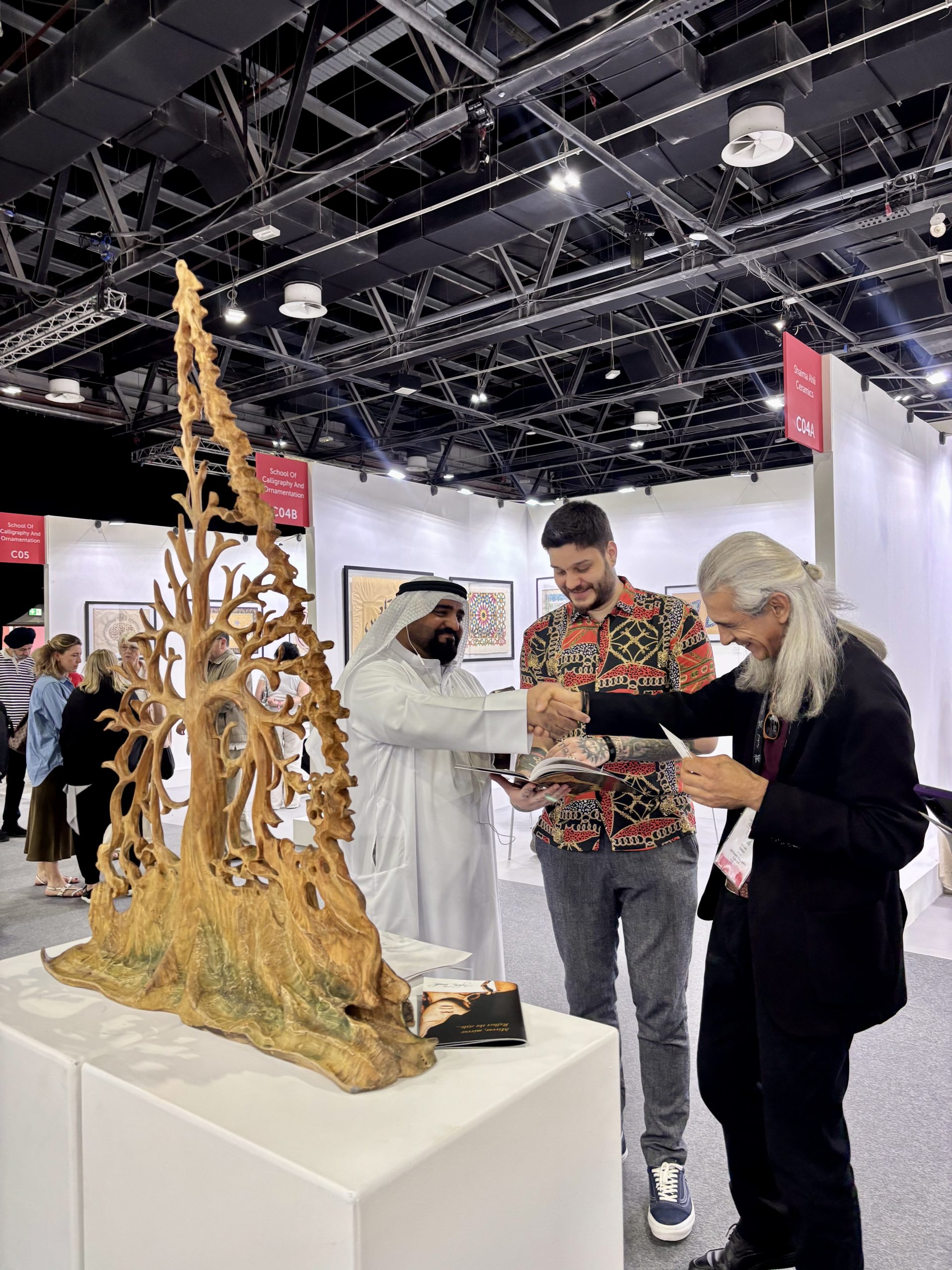
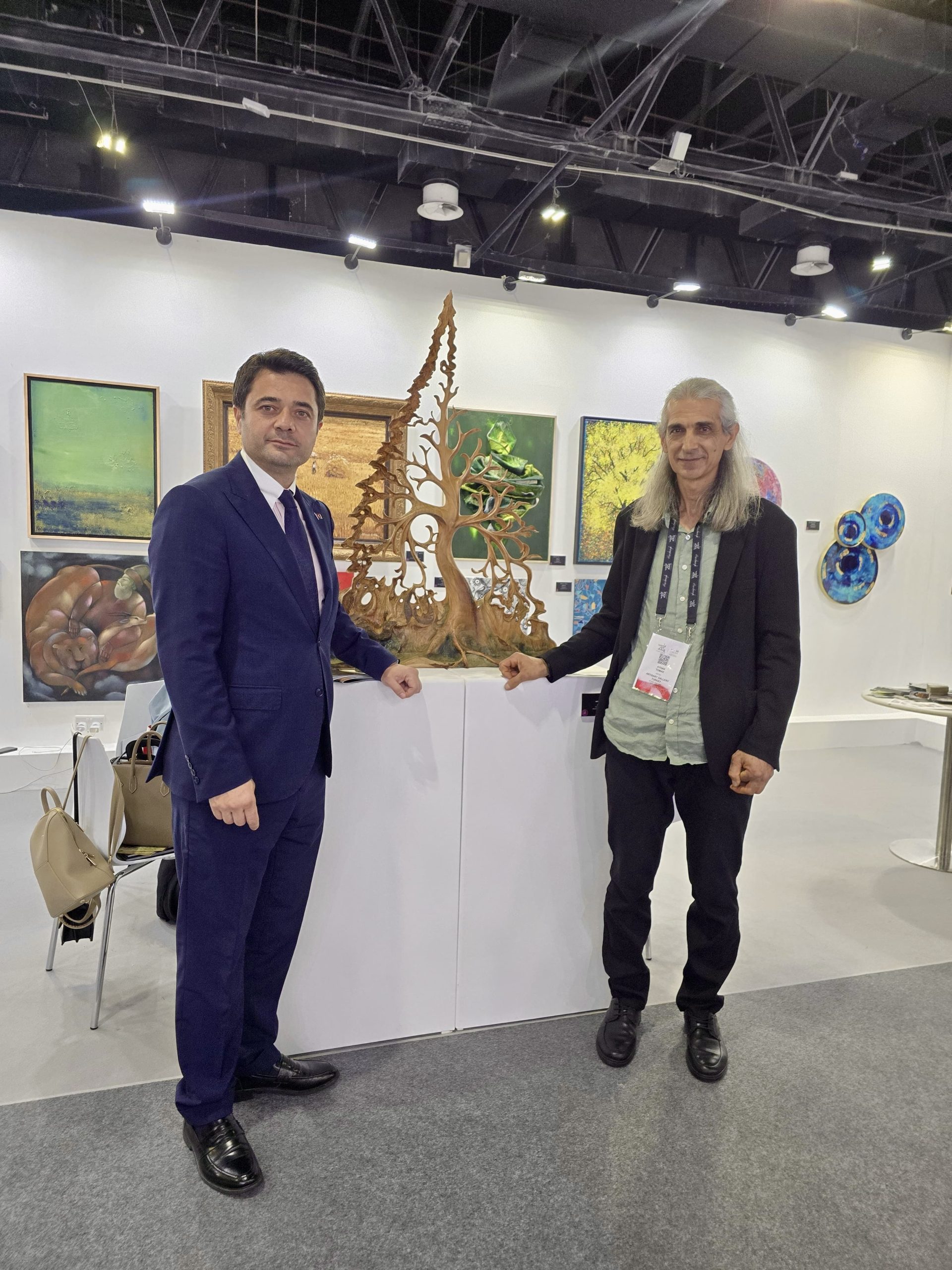
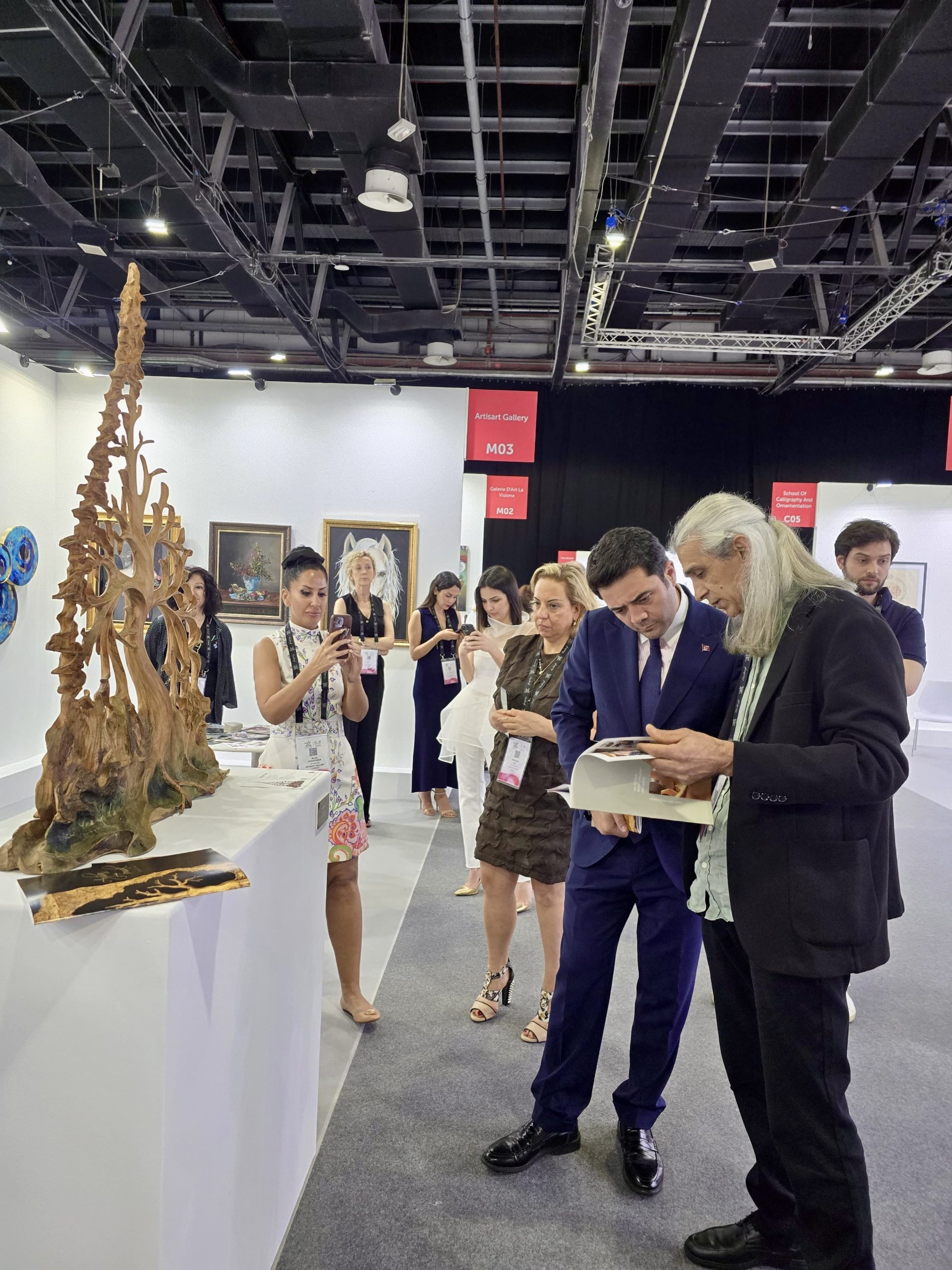
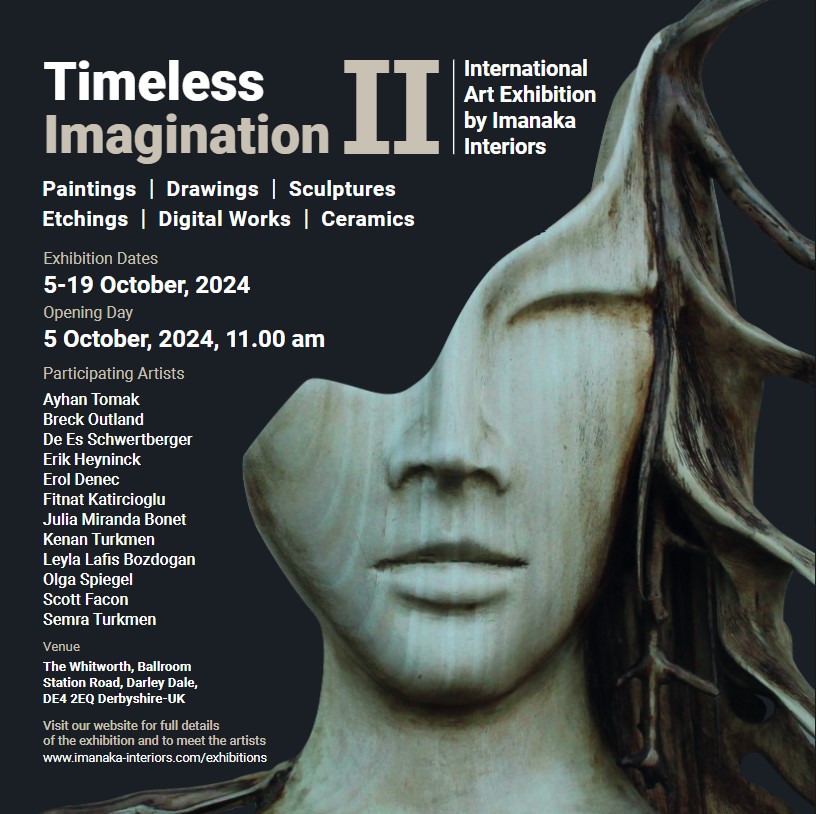
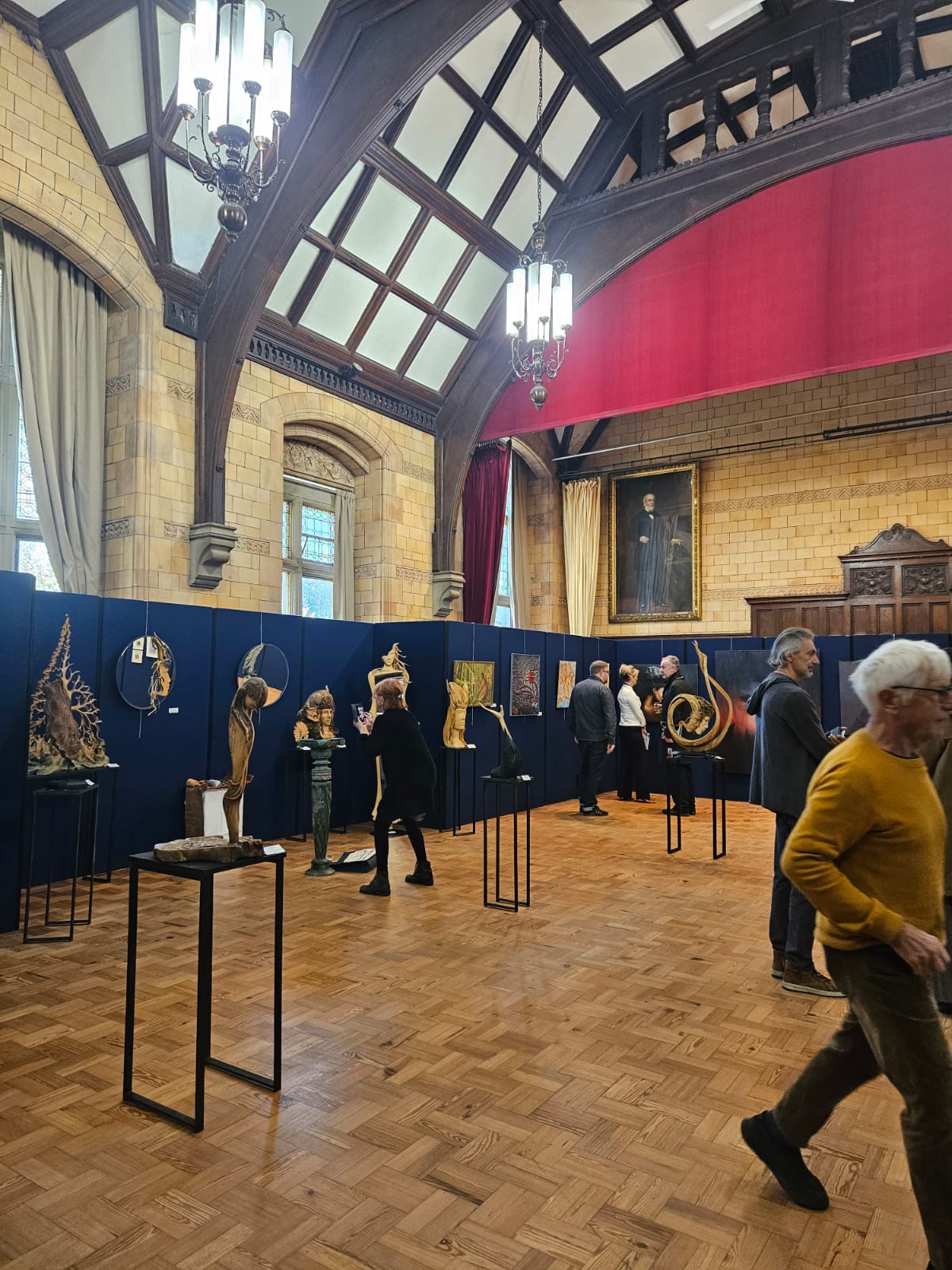
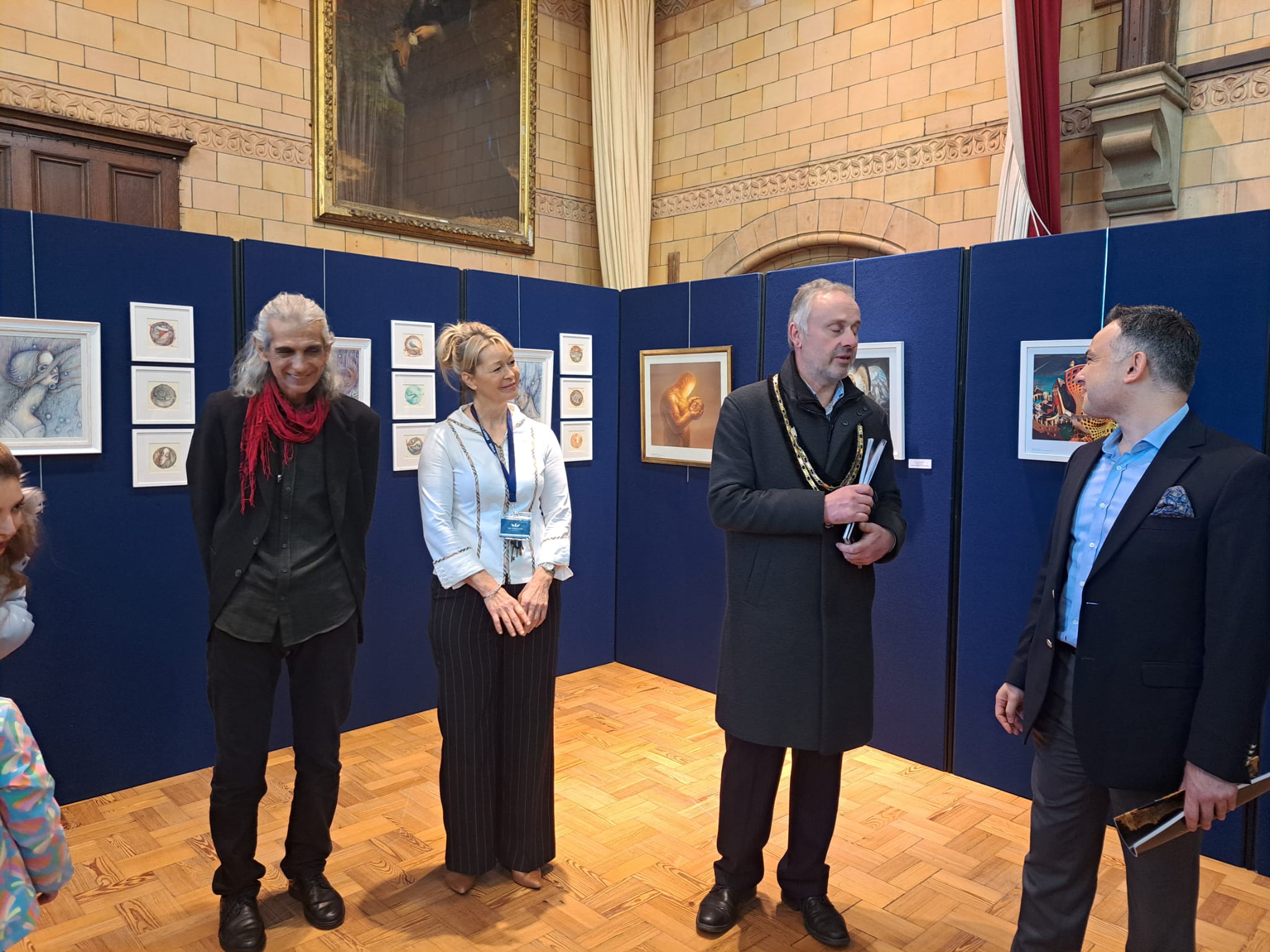
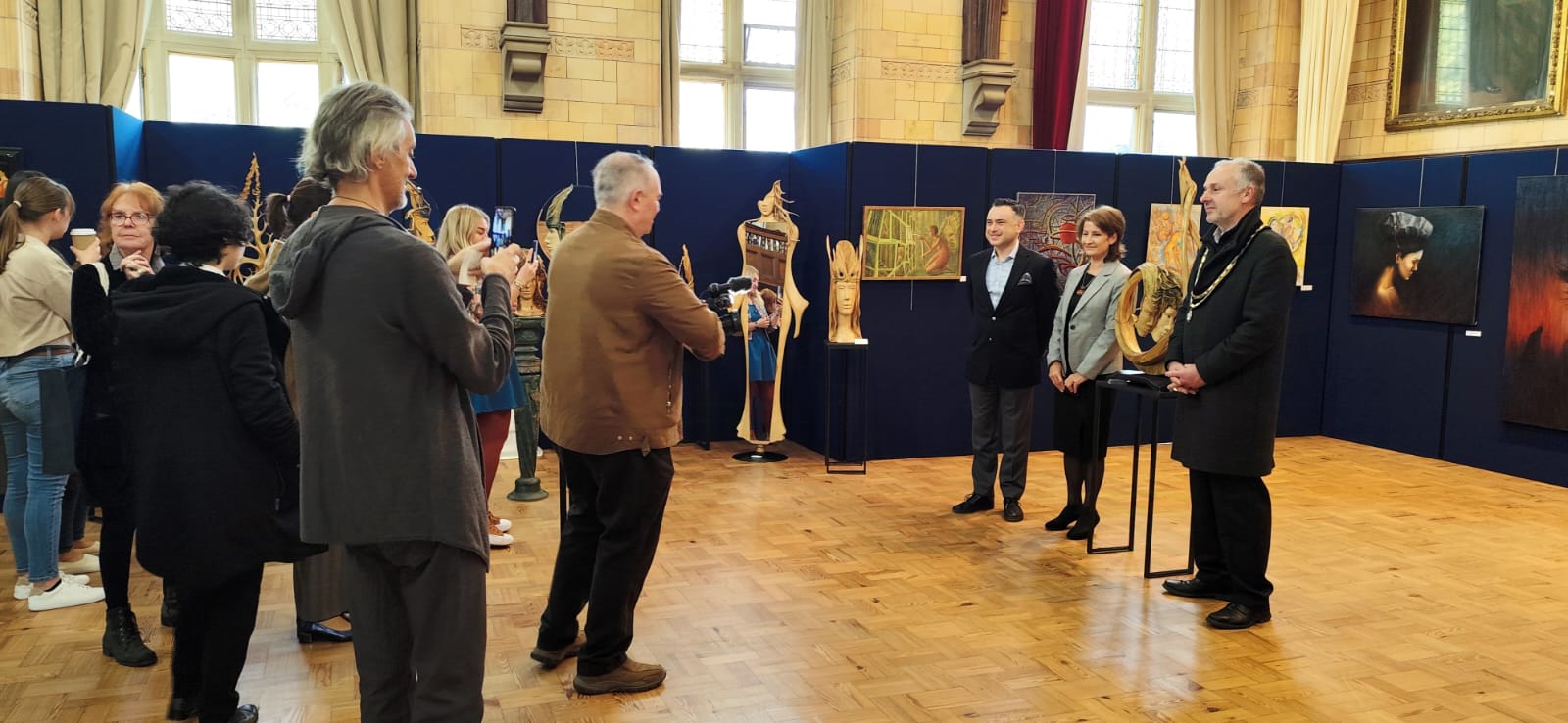
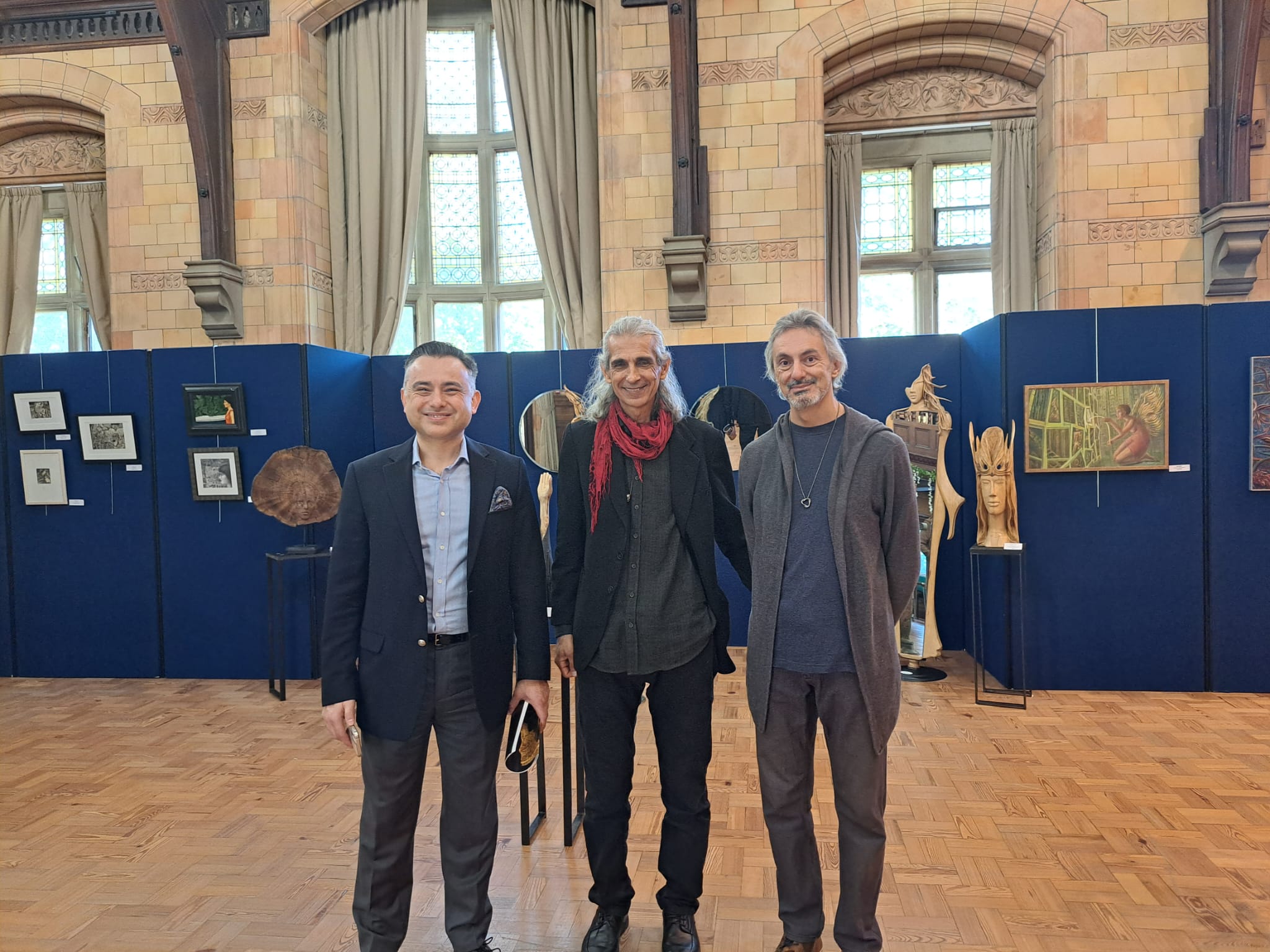
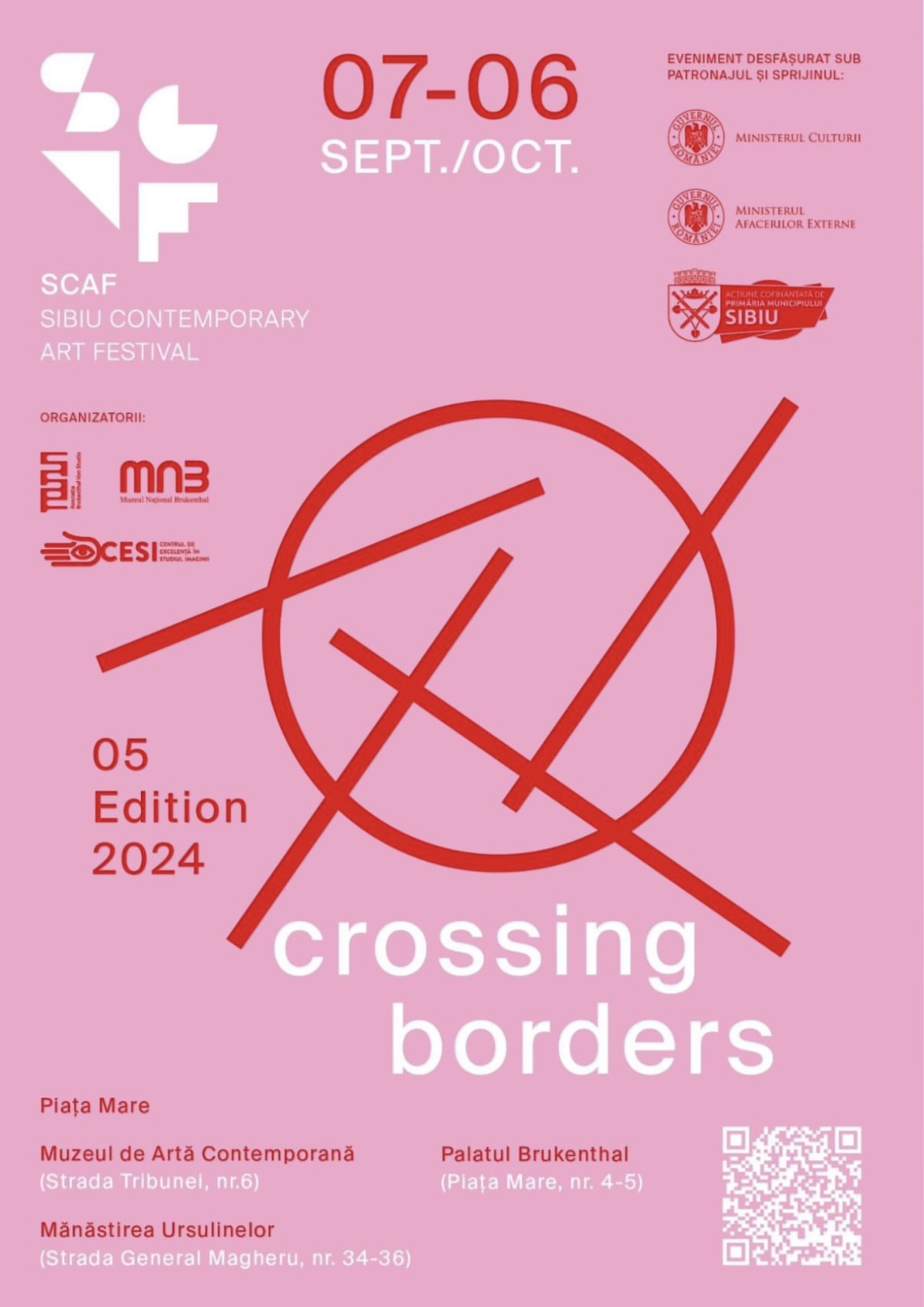
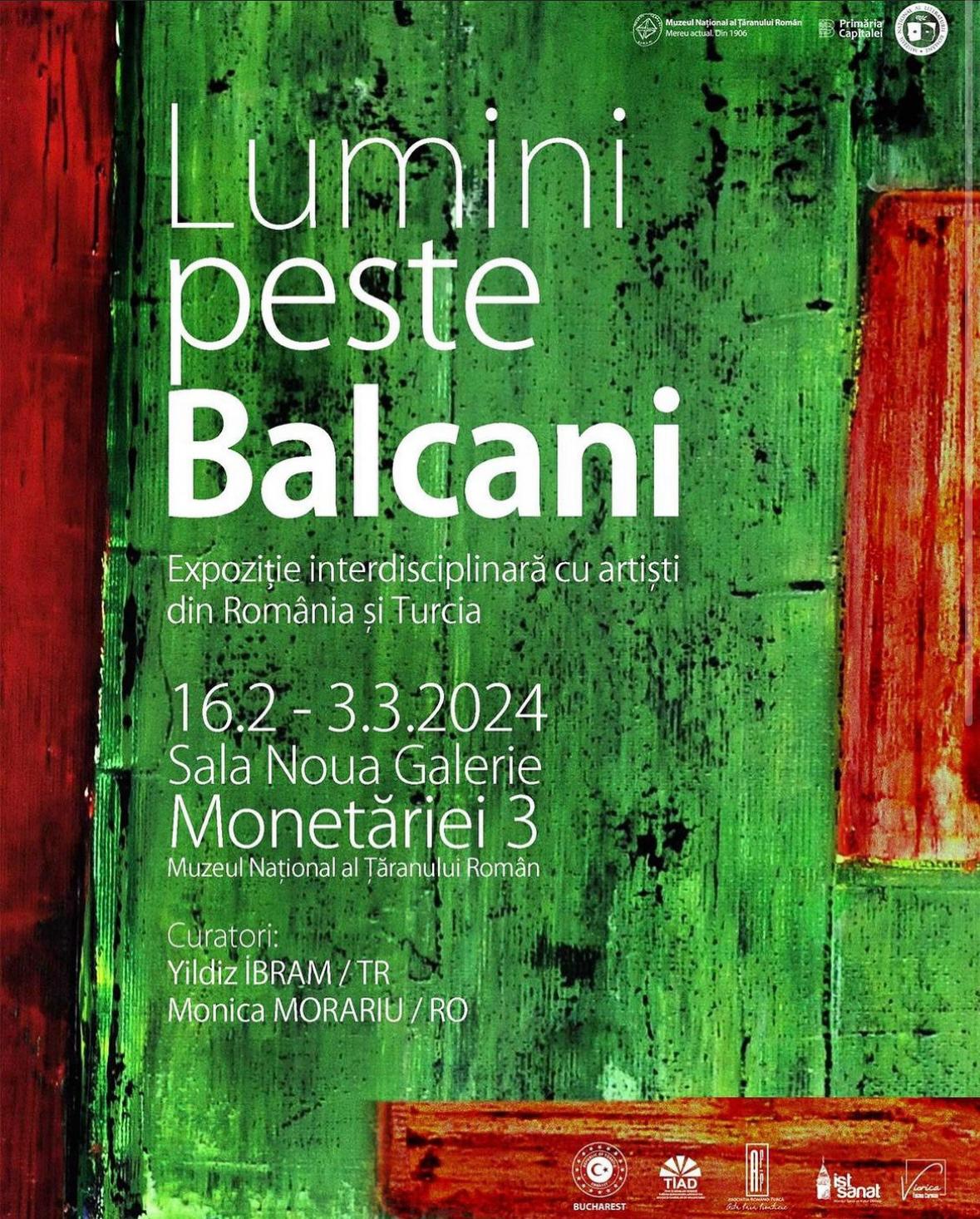
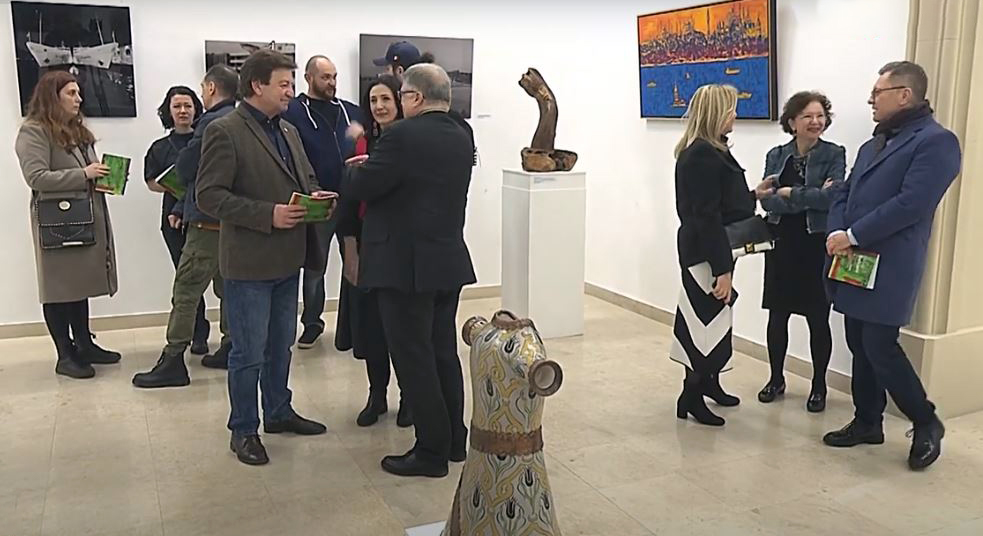
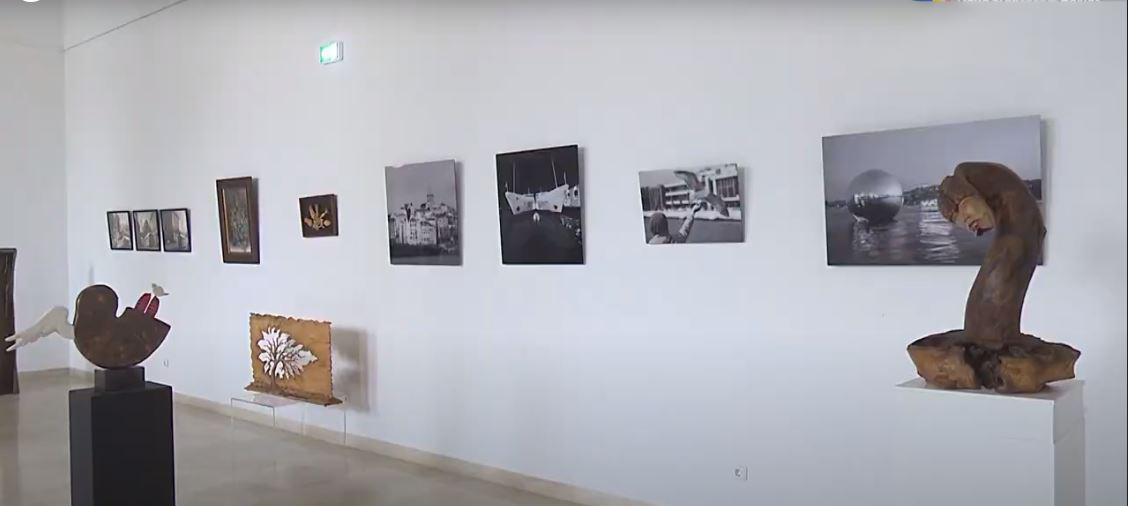
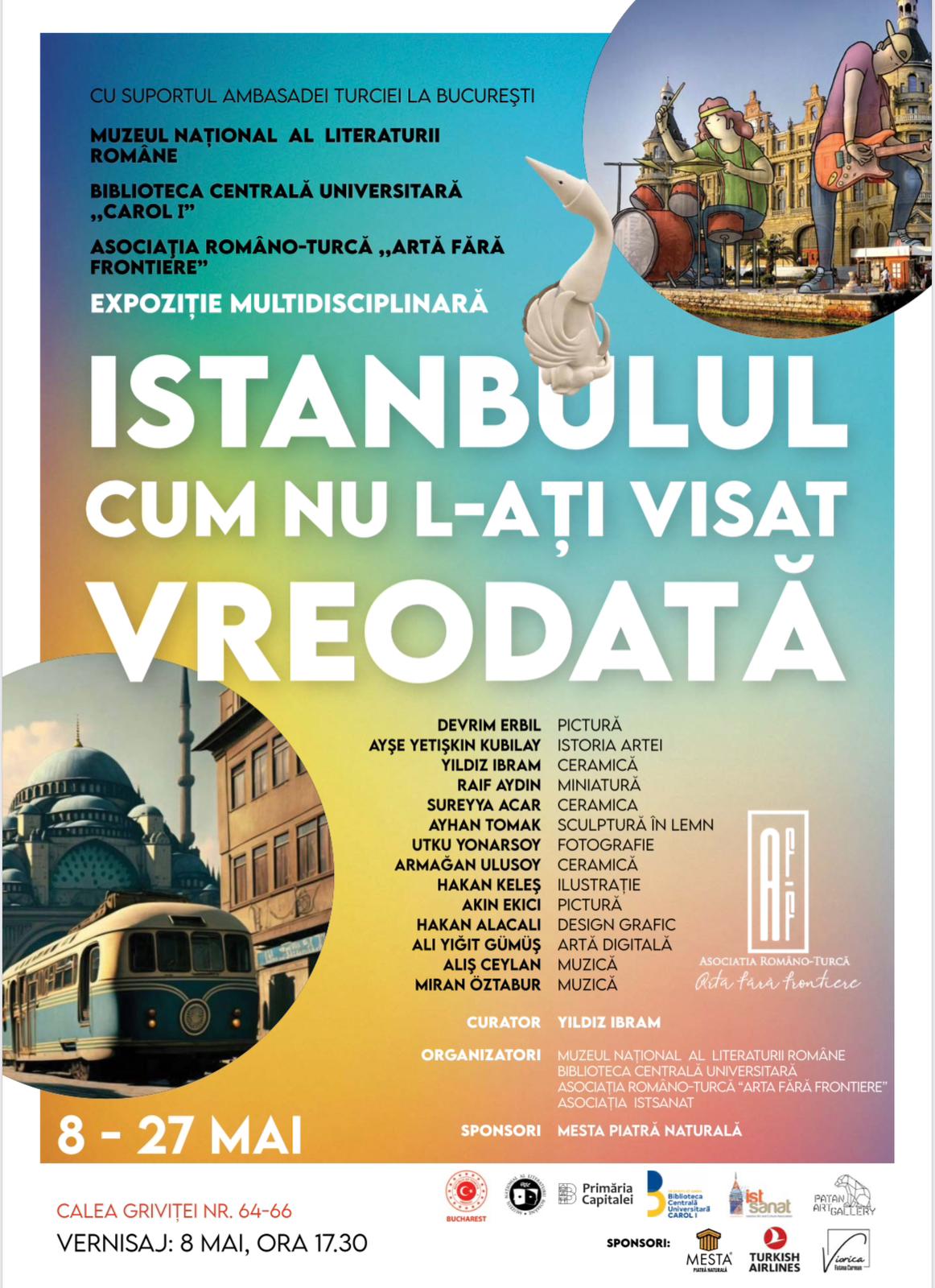
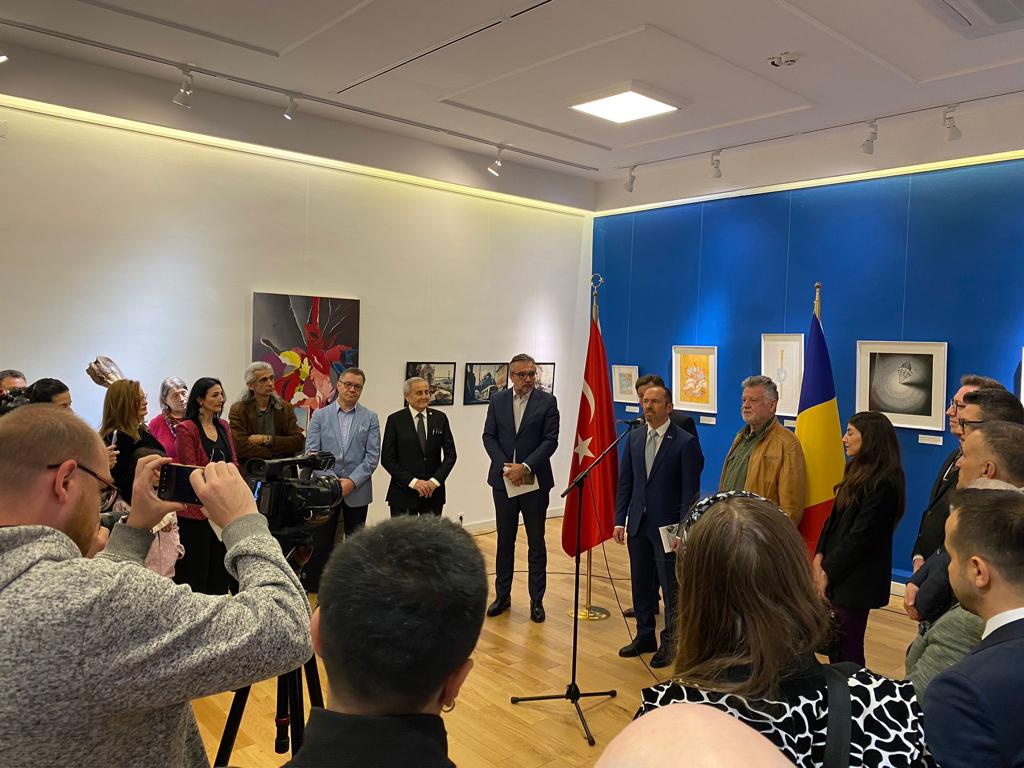
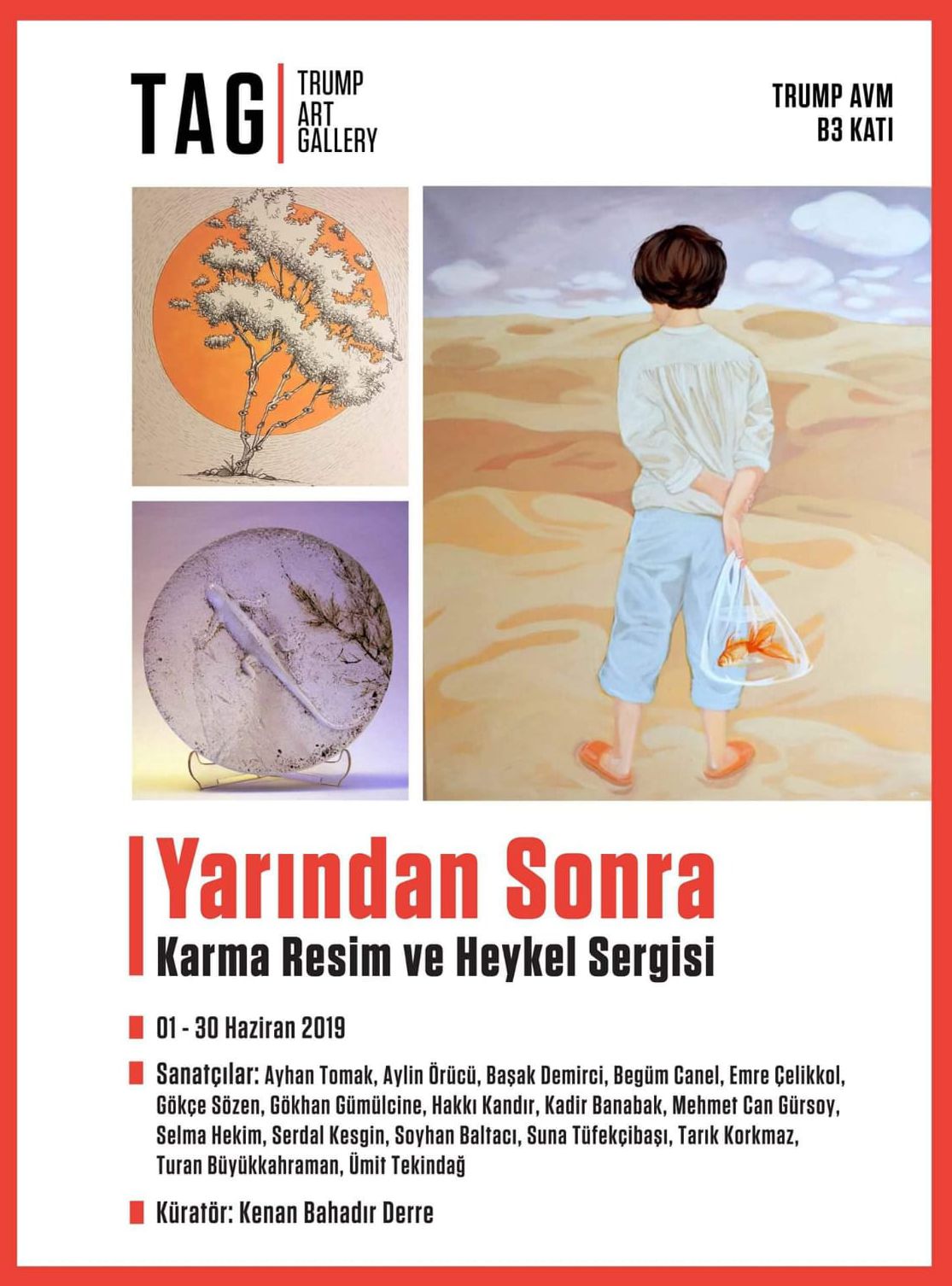
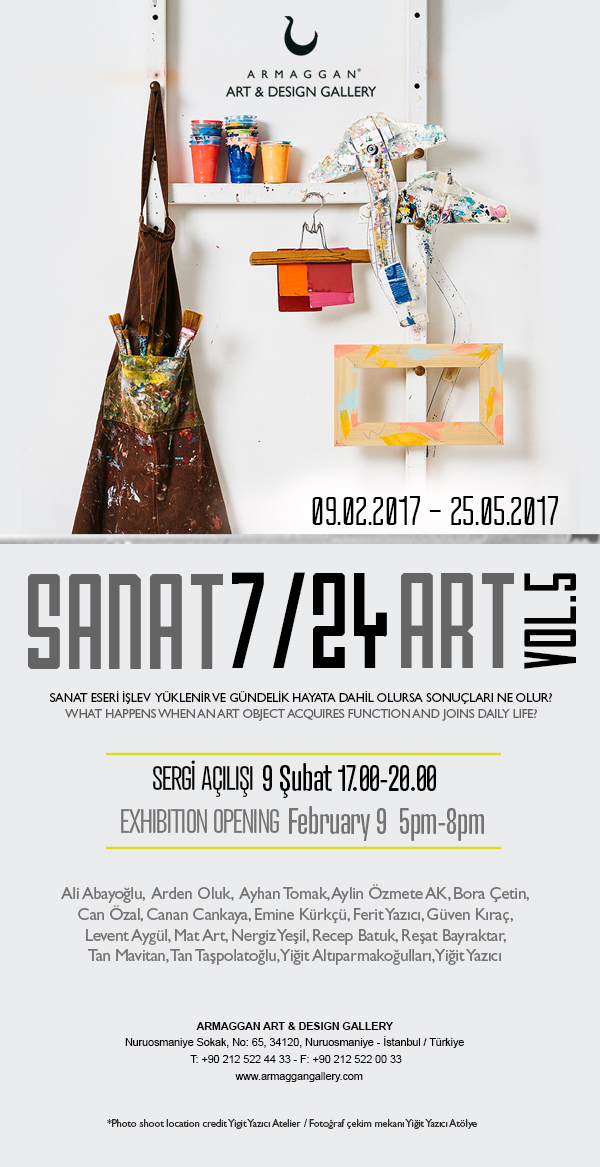
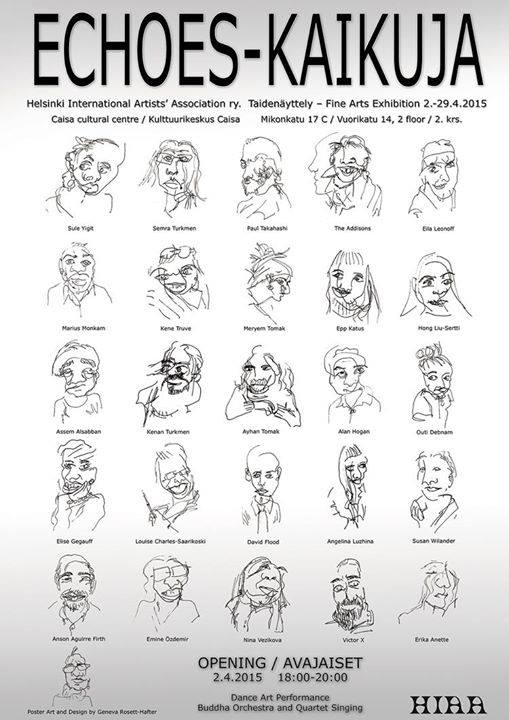
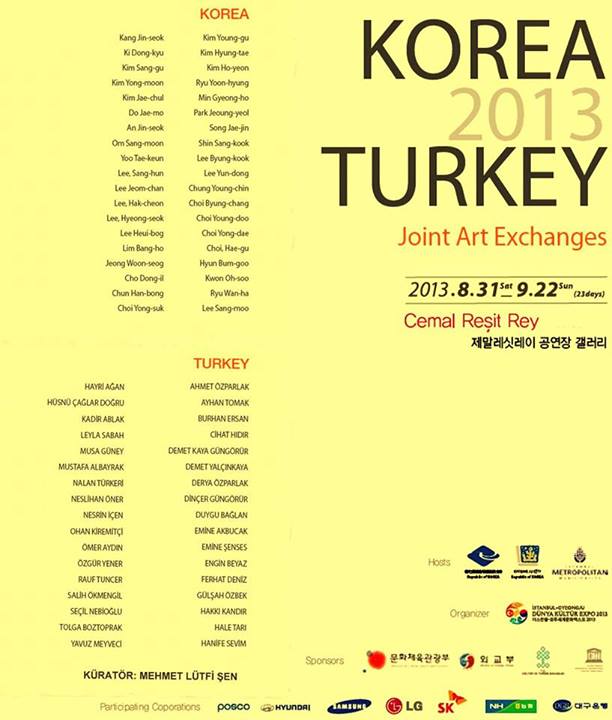
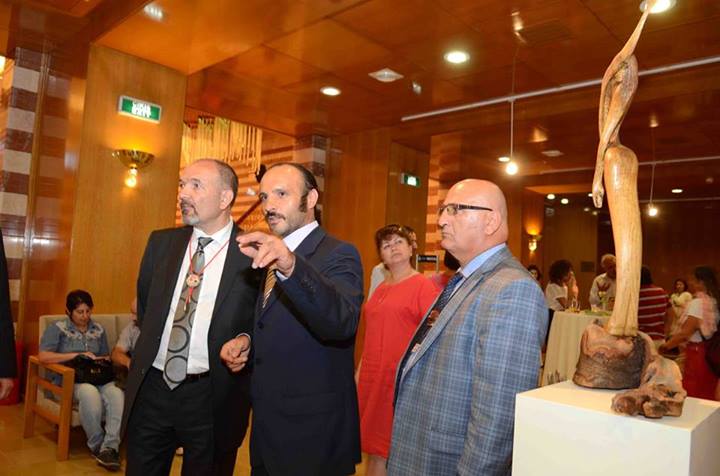
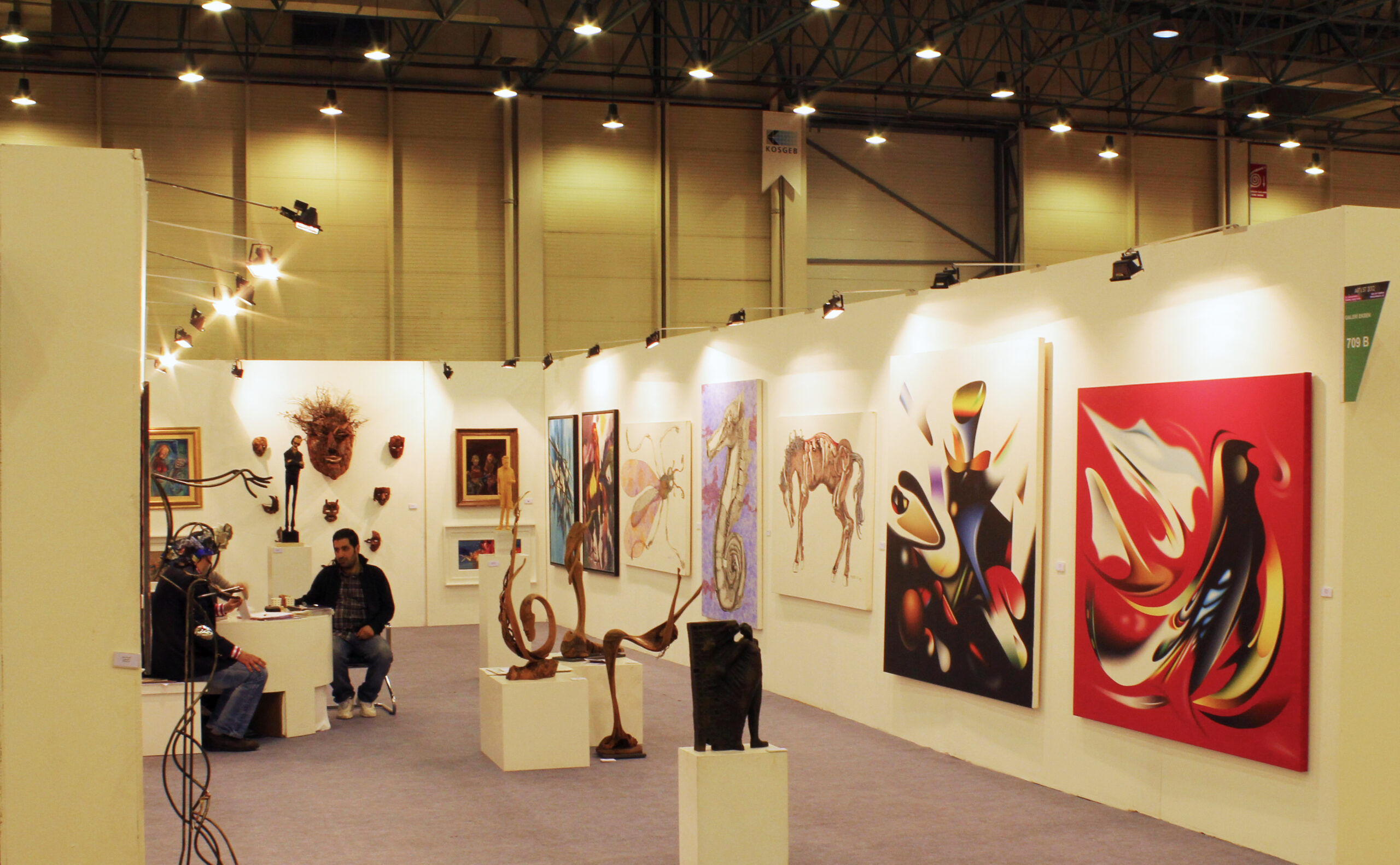
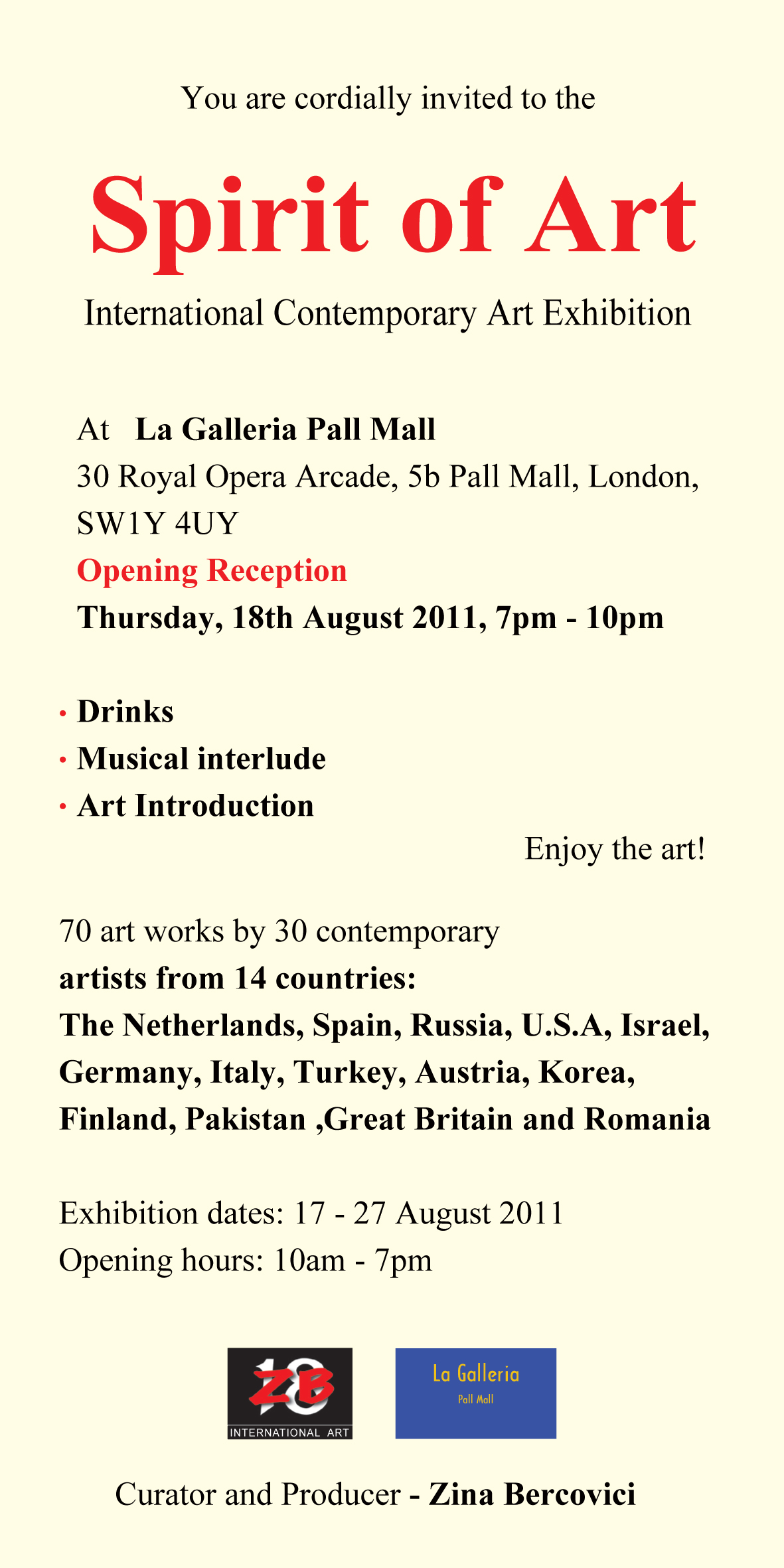
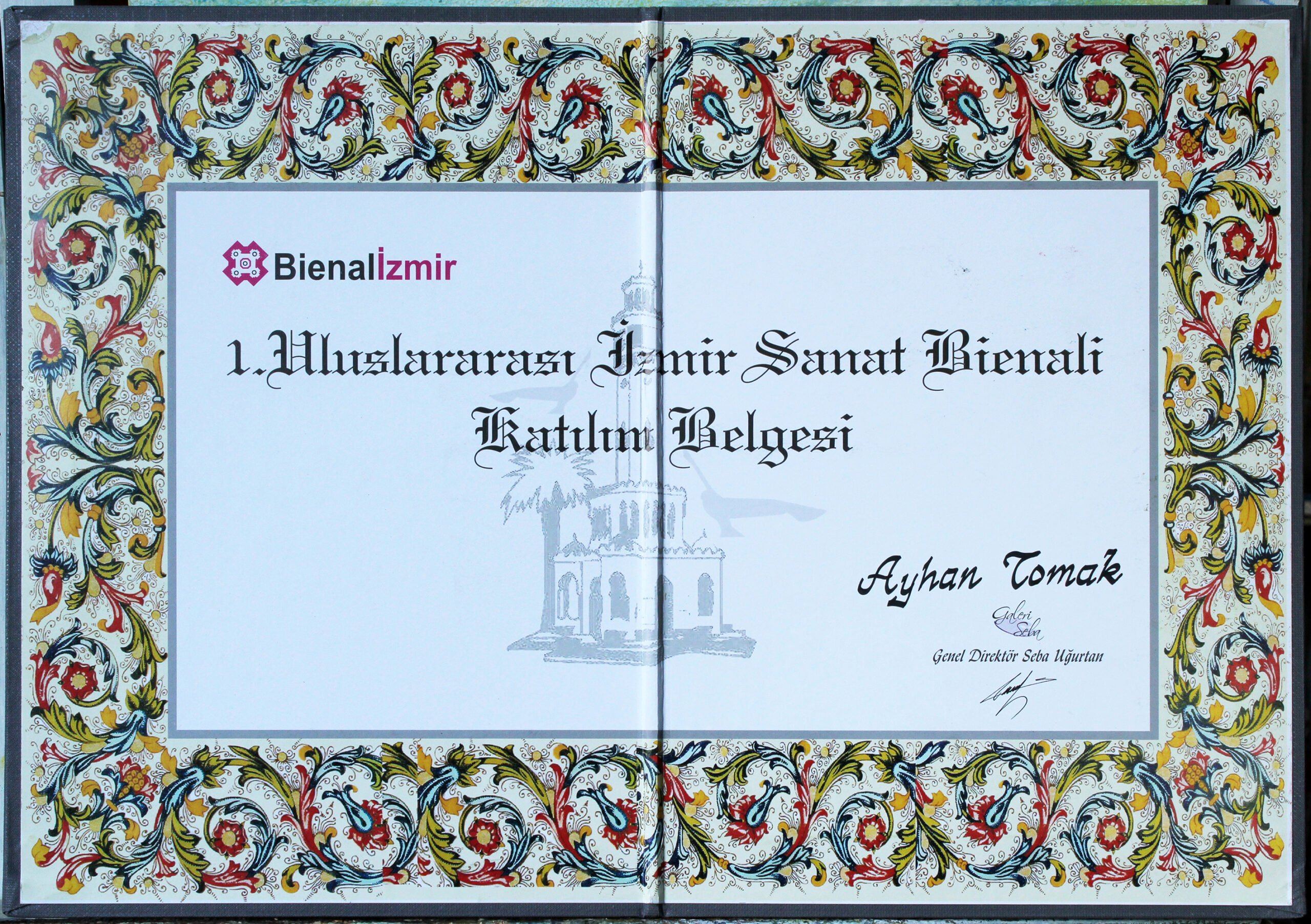
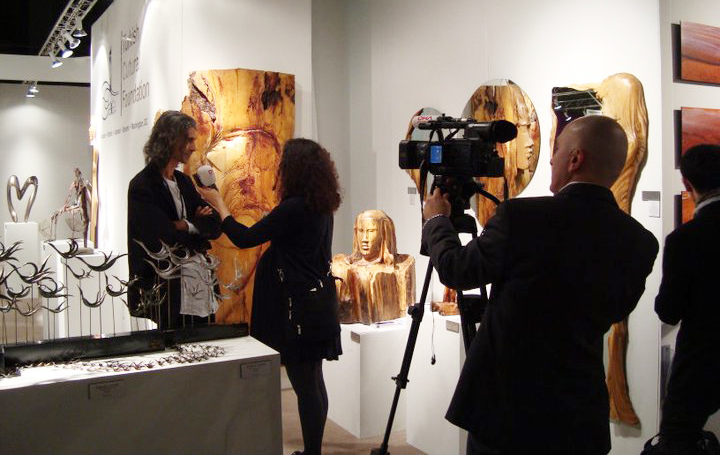
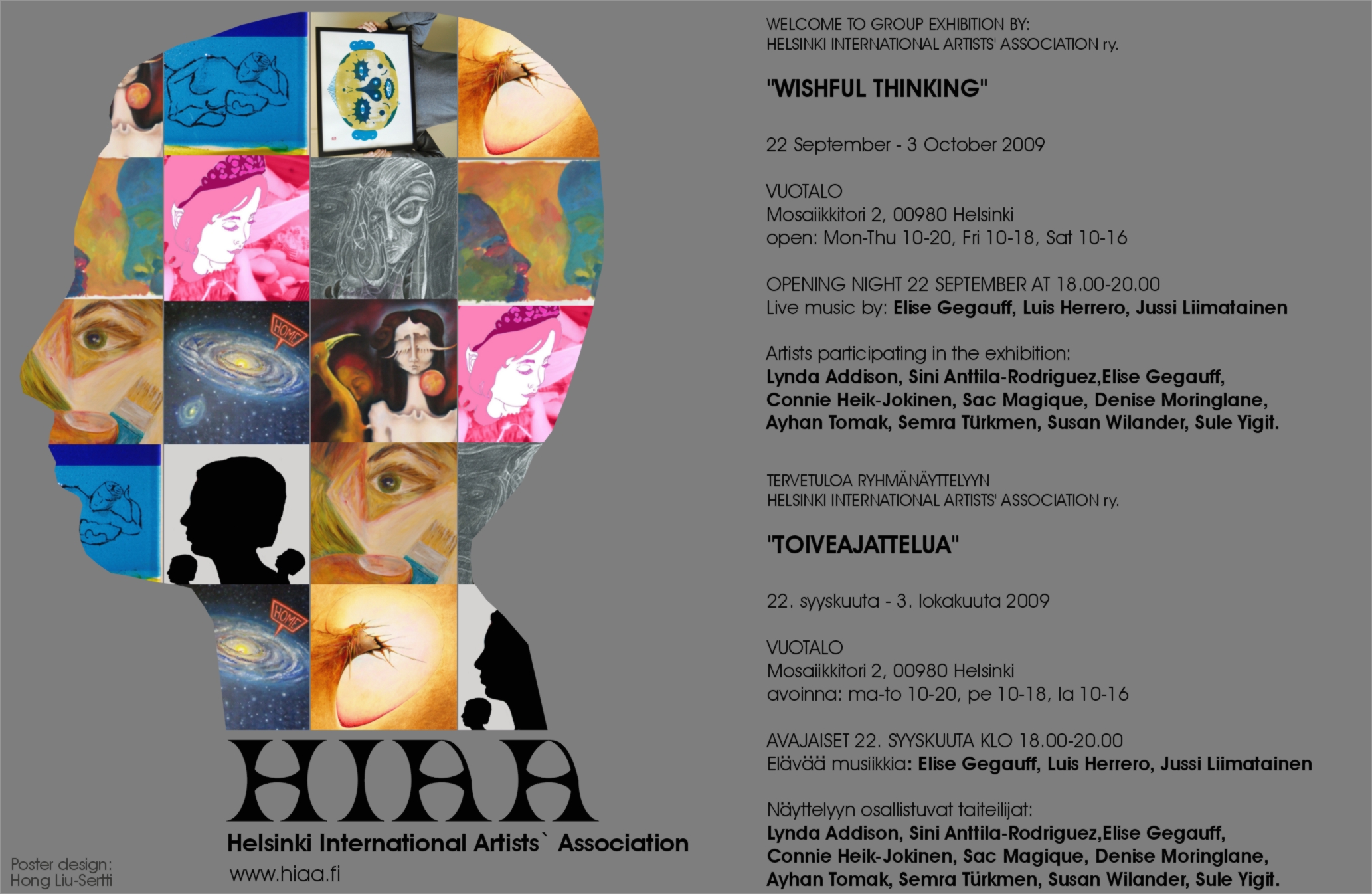
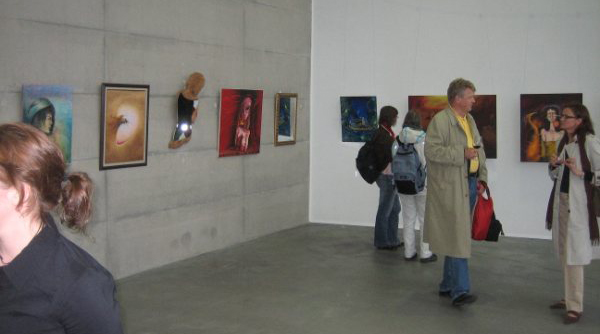
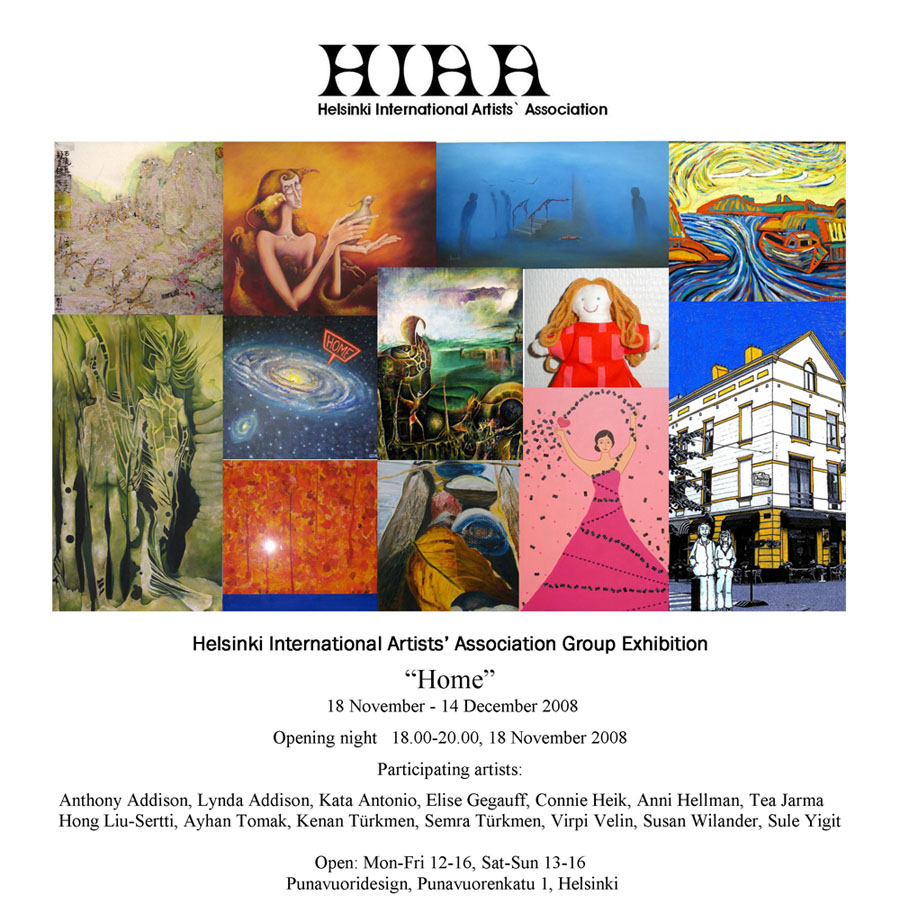
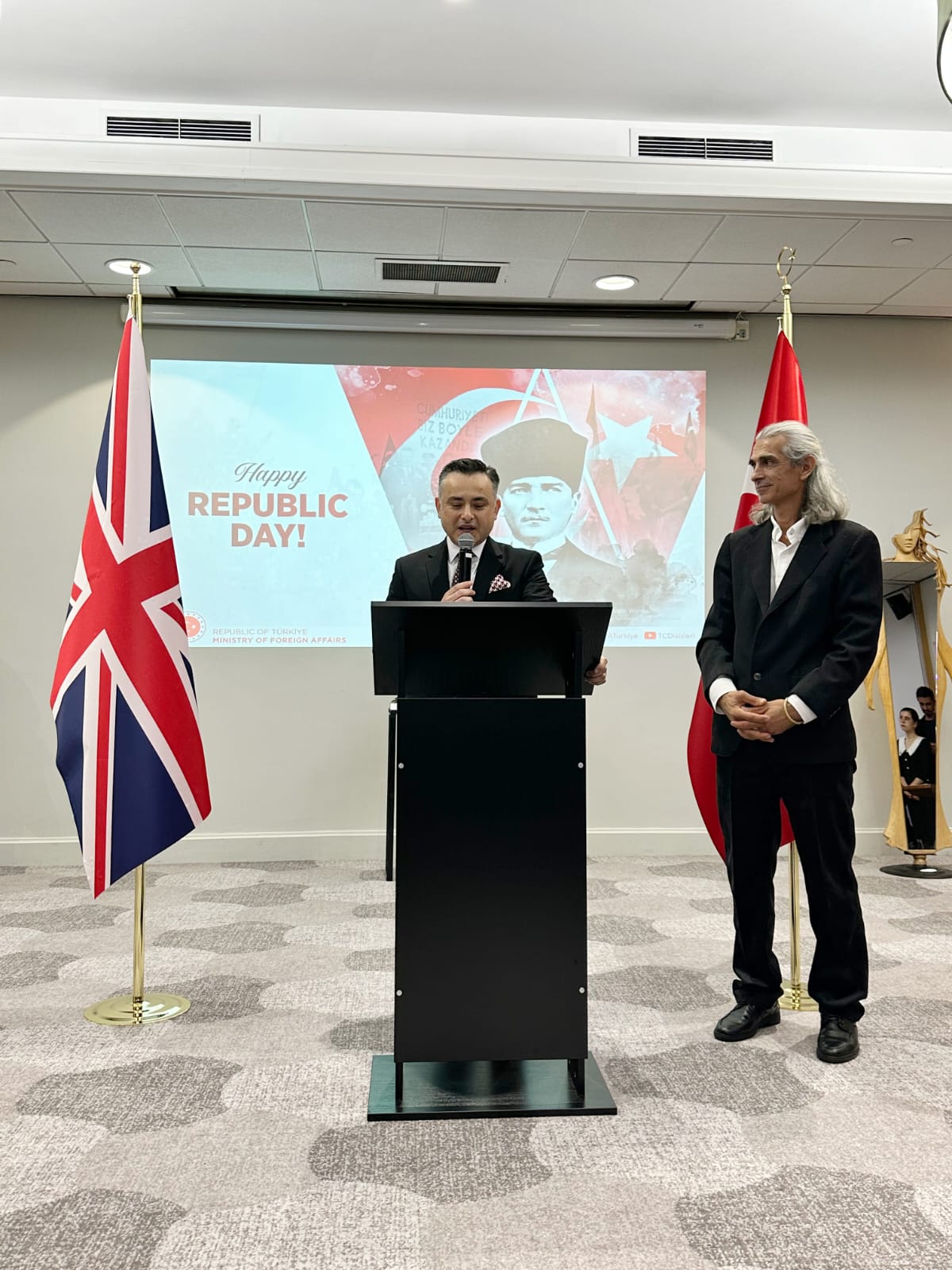
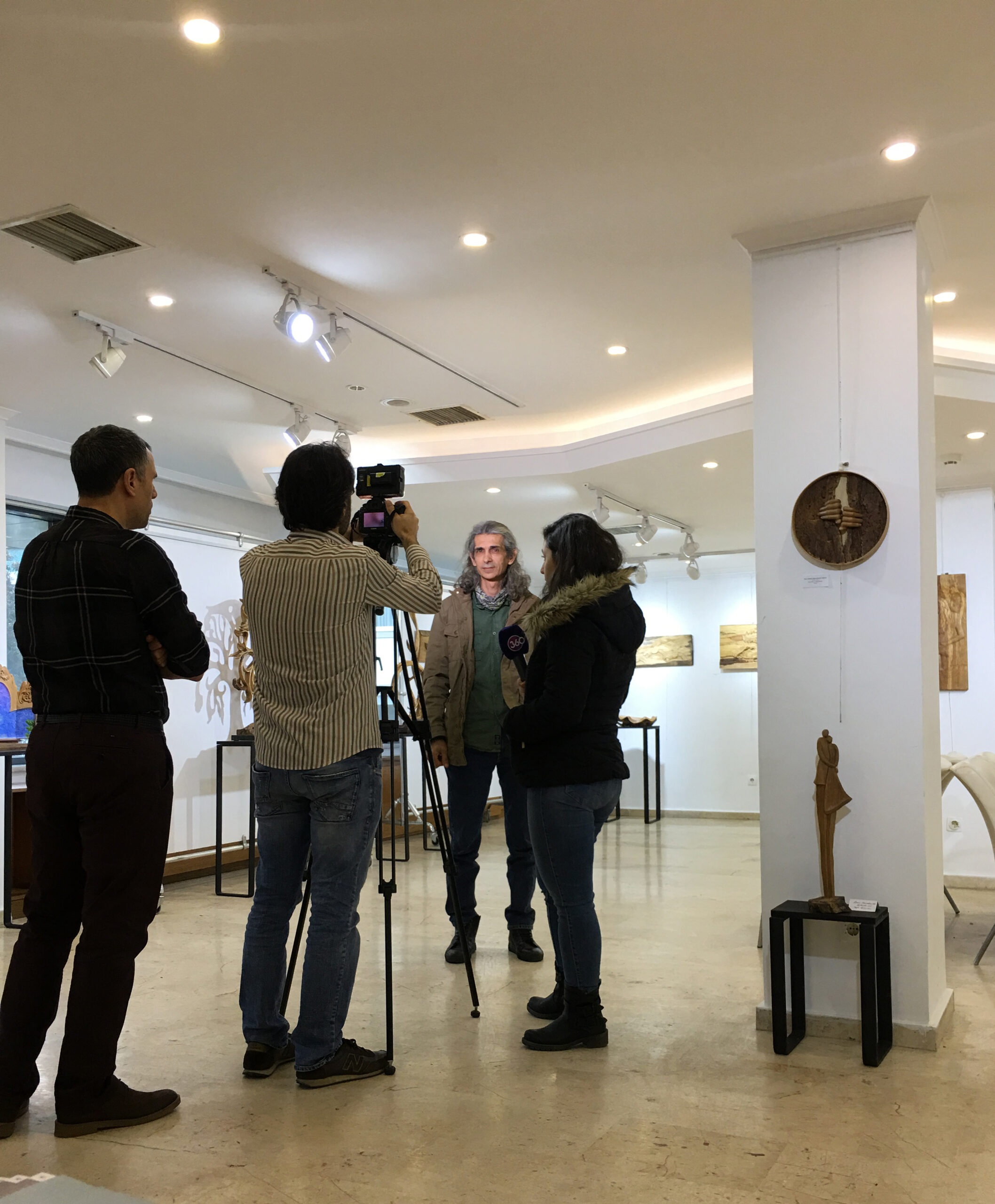
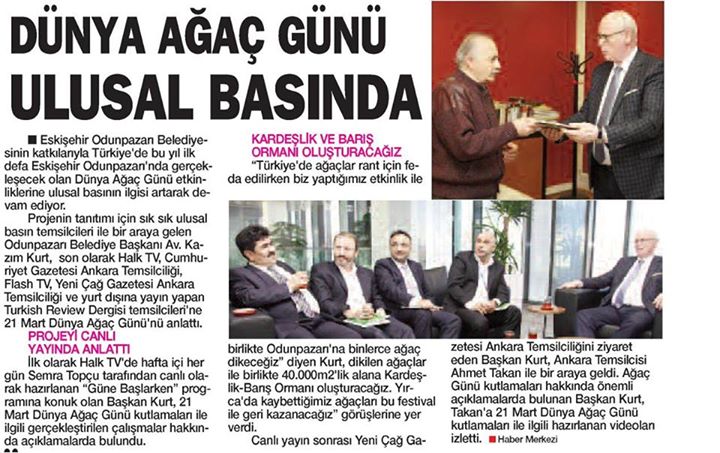
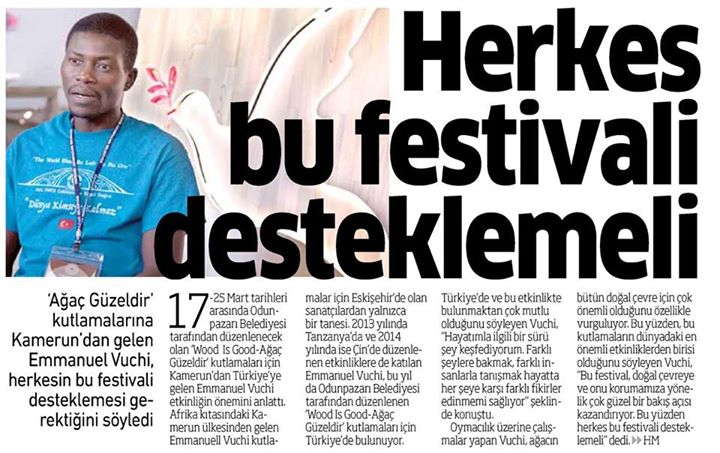
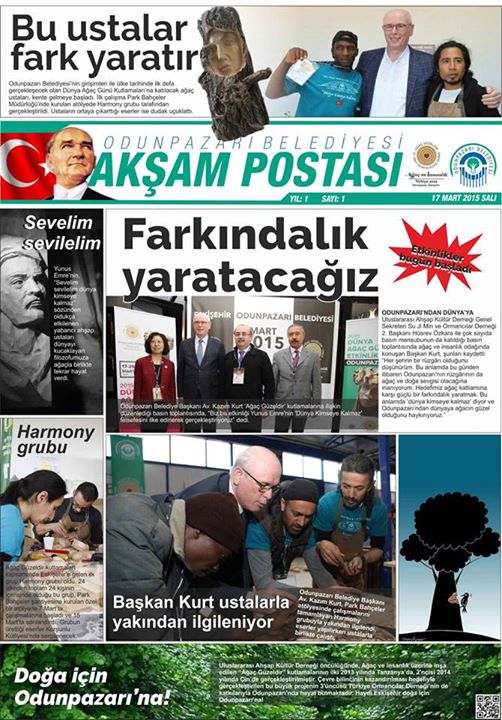
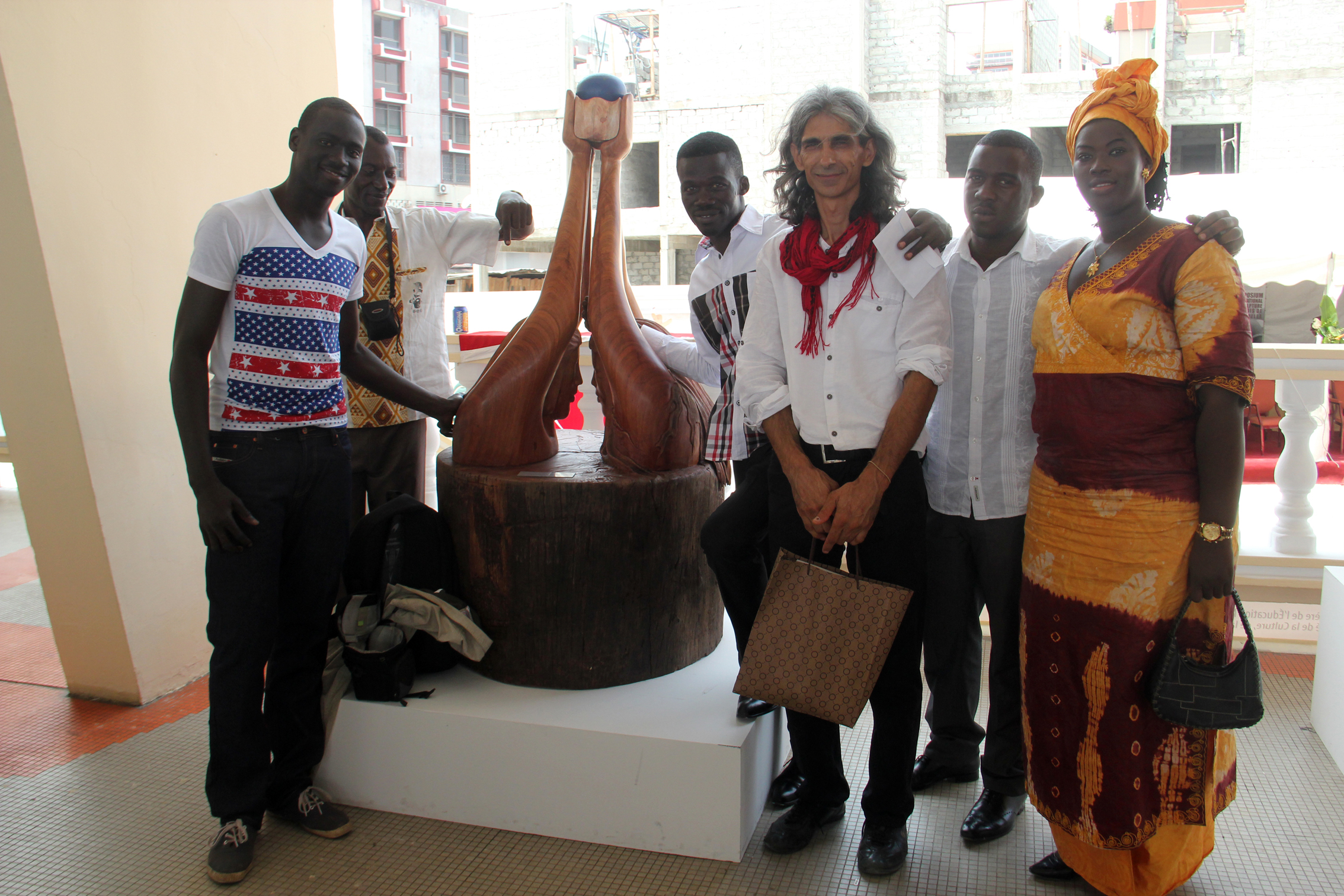
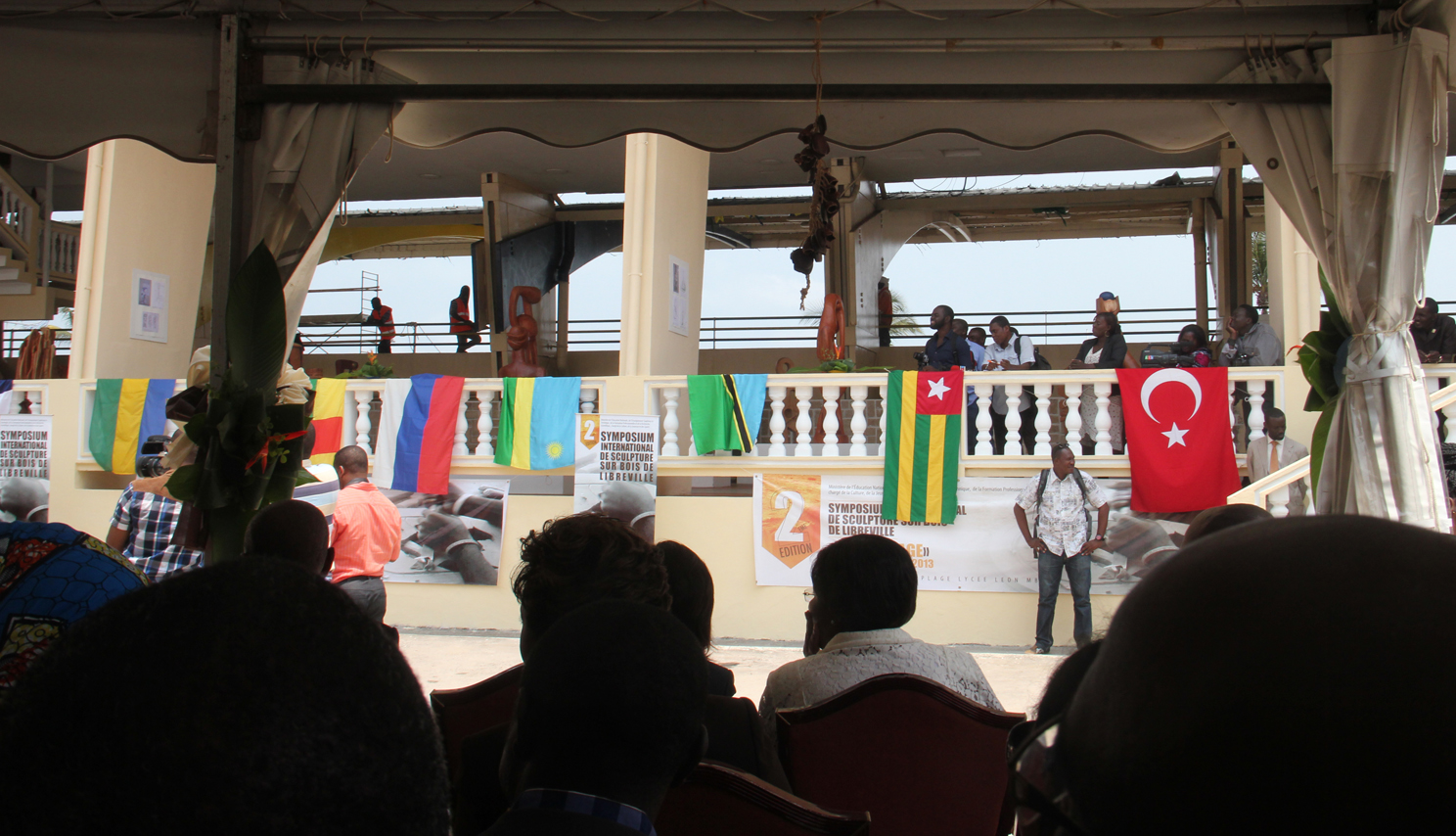
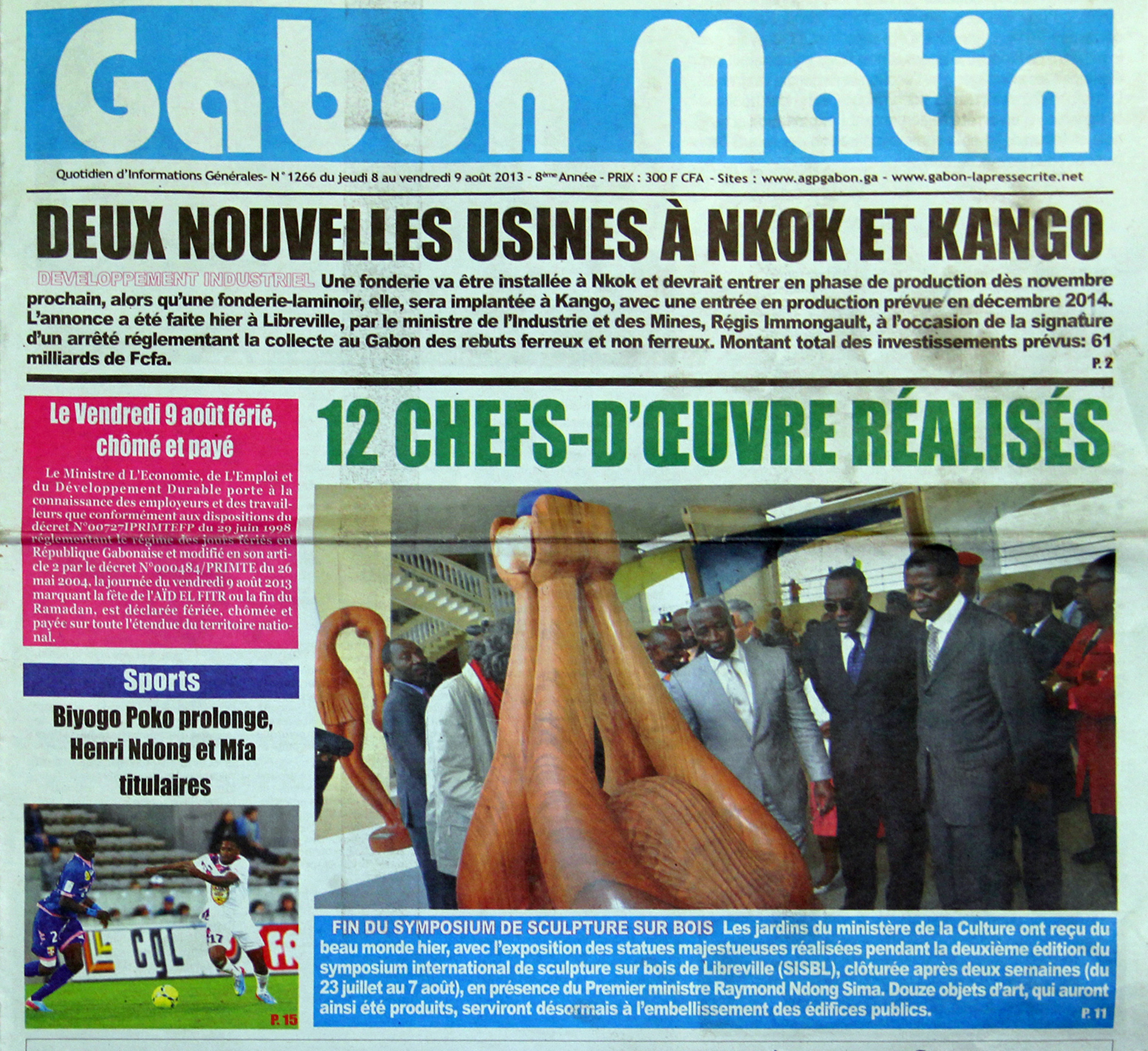
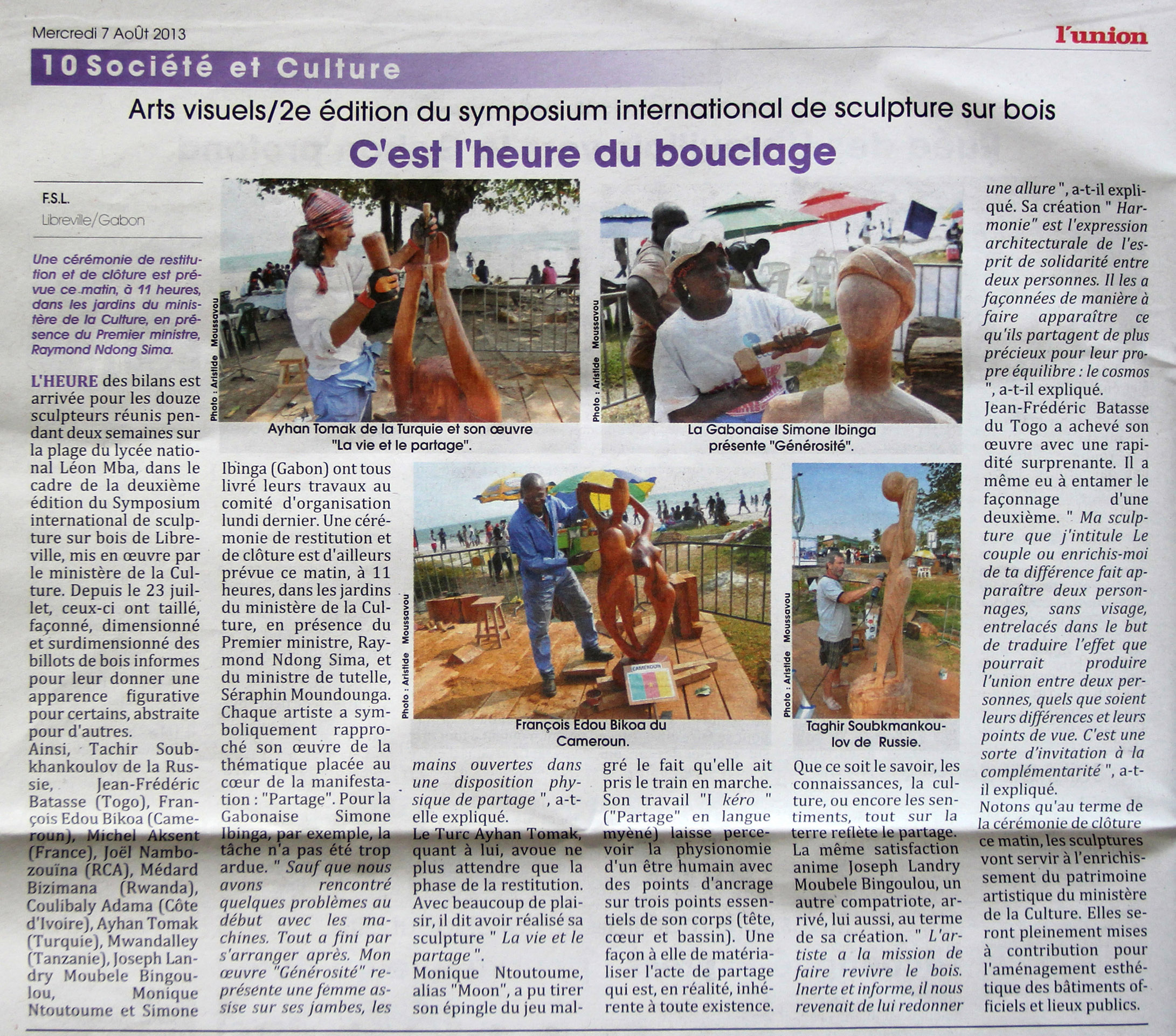
Today Tomak is a name known at least as well abroad as at home. Since 1995 he has brought his work to audiences and collectors in more than fifty painting and sculpture exhibitions; his pieces are held in two museums, the Museum of the Ministry of Culture of Gabon and the Eskişehir Wood Museum, and he works with collectors in many countries. He has been a member of the Helsinki International Artists’ Association since 2008, and has shown in centres such as Helsinki, Nottingham, Bucharest and Dubai. He continues his artistic life in Istanbul, in two workshops filled with the scent of wood.
The conviction behind all of this is a simple one: the artist takes after nature, after the rhythm of nature. In every work Ayhan Tomak looks for that rhythm inside the wood — the trace of a world that grows patiently and, even when broken, puts out new shoots.